Website: Eurasia.com

  • Serbia Launches Consultation on New Mining Law to Align with EU Standards

    Serbia Launches Consultation on New Mining Law to Align with EU Standards

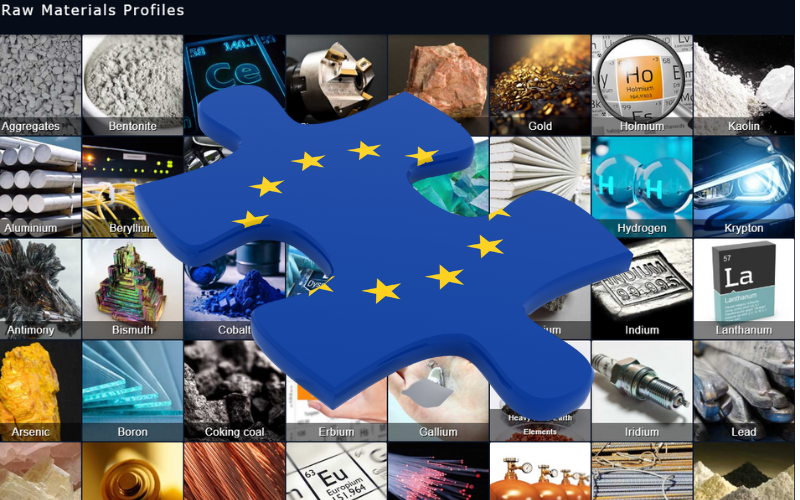
    Serbia’s Ministry of Mining and Energy has launched a public consultation on a new law on mining and geological exploration aimed at modernizing the country’s resource management framework and aligning it with European Union standards on critical raw materials, sustainable development, and the circular economy.

    According to the ministry’s draft outline, the legislation will be harmonized with the EU Critical Raw Materials Act and the European Green Deal, supporting Serbia’s gradual integration into the EU’s framework for sustainable mining, climate neutrality, and secure mineral supply.

    The move follows the European Commission’s decision earlier this year to include Rio Tinto’s Jadar lithium and boron project in Serbia among the EU’s strategic projects for critical raw materials — the only lithium extraction project on the list.

    The proposed law seeks to establish a modern, transparent, and efficient system for managing Serbia’s mineral and geological resources, strengthening the state’s role as owner and steward of natural assets. It also emphasizes environmental and social responsibility, calling for clearer investor obligations regarding environmental protection, land reclamation, and site remediation.

    In line with EU reporting standards, Serbia intends to adopt the Pan-European Reserves and Resources Reporting Committee (PERC) framework, the UN Framework Classification for Resources (UNFC), and the Petroleum Resources Management System (PRMS). The law will also mandate the application of ESG (environmental, social, and governance) principles throughout all stages of exploration and mining.

    Other key elements include:

    • Improving legal certainty in exploration and mining rights, with stricter oversight and consistent application of sustainability standards.

    • Defining and protecting strategic mineral deposits, ensuring they are incorporated into Serbia’s spatial and development plans.

    • Digitalizing permitting procedures through a unified online system for electronic applications and public access to data on exploration and mining areas.

    The ministry said the reform aims to ensure a gradual alignment with the EU’s green and digital transition goals while fostering investor confidence and transparency.

    The public consultation will remain open until November 11, allowing citizens, organizations, and industry representatives to submit comments and proposals on the draft framework.


  • Bulgaria to Invest Over €1.38 Billion in Green Transition for Coal Regions

    Bulgaria to Invest Over €1.38 Billion in Green Transition for Coal Regions

    Bulgaria’s coal regions are set to receive BGN 1.58 billion (€808 million) through the European Union’s Just Transition Fund (JTF) to support projects in renewable energy, green hydrogen, and the redevelopment of former mining areas. Combined with an existing €598 million program, total investment in Bulgaria’s post-coal transformation will reach €1.38 billion, according to the Ministry of Regional Development and Public Works.

    The funds will target the coal-producing regions of Stara Zagora, Kyustendil, and Pernik, along with municipalities such as Nova Zagora, Yambol, Simeonovgrad, Harmanli, Topolovgrad, Dimitrovgrad, Haskovo, Elhovo, Sliven, and Tundzha. The JTF grants aim to help communities close coal mines and coal-fired power plants, rehabilitate degraded land, promote energy efficiency, and support a shift toward a climate-neutral economy while reducing energy poverty.

    Deputy Minister Yura Vitanova announced that three new grant procedures will be launched by the end of the year:

    • €153.4 million for energy efficiency and energy communities in public buildings,

    • €72.6 million to help small and medium-sized enterprises install solar panels and energy storage systems, and

    • €242.9 million for socio-economic transformation projects, including converting former mining areas into business and industrial zones.

    In addition, €134.5 million will support the development of green hydrogen infrastructure in Stara Zagora. The initiative includes a hydrogen production complex, charging stations, hydrogen vehicles and trailers, and supporting photovoltaic and energy storage systems.

    The current JTF program is already funding the renovation of residential buildings, industrial and logistics park development, and training and retraining programs for workers affected by the energy transition. It also supports production investments in large enterprises to diversify regional economies.

    “Bulgaria’s coal regions are poised to become hubs for clean energy and sustainable industry,” said Deputy Minister Vitanova. “These investments will not only reduce emissions but also create new opportunities for local businesses and communities.”

  • Poland Approves Bill to Support Coal Phaseout and Protect Mining Communities

    Poland Approves Bill to Support Coal Phaseout and Protect Mining Communities

    Poland’s government has approved a new bill to accelerate the country’s transition away from coal, aiming to make mine closures easier, provide financial support to affected workers, and promote the redevelopment of mining regions.

    “This is a specific response to the challenges of the energy transition and provides real support for thousands of miners,” said Energy Minister Miłosz Motyka. “We want the process of change to be carried out responsibly, with respect for local communities.”

    Under the proposed legislation, which still requires approval from parliament and President Karol Nawrocki, mining companies would be allowed to decommission mines independently with state financial assistance. They could also transfer decommissioned assets to local authorities or state entities to be repurposed for investment, revitalization, or infrastructure projects.

    The bill introduces a severance package of 170,000 zloty (€40,000) for miners losing their jobs, along with measures to ensure that state subsidies for reducing production are not misused to cover operational expenses.

    Minister Motyka described the initiative as paving “the way for a just transition in mining regions,” fostering investment, job creation, and economic renewal. The government maintains a parliamentary majority, but the bill could face a presidential veto — President Nawrocki, who previously called coal Poland’s “black gold,” has pledged to preserve domestic coal production.

    Poland remains Europe’s most coal-dependent country, with coal accounting for 57% of its electricity generation in 2024. The mining sector, however, is under growing economic strain: domestic coal extraction is among the most expensive in the world, and its high emissions increase costs under the EU Emissions Trading System (ETS).

    Recent data from Eurostat show that Polish households pay the third-highest electricity prices in the EU when adjusted for purchasing power. Meanwhile, state subsidies to the coal sector are expected to total 9 billion zloty this year and 5.5 billion zloty in 2026, highlighting the industry’s dependence on government support.

    According to the energy ministry’s impact assessment, the total cost of closing hard coal mines over the next decade will reach 11.3 billion zloty (€2.6 billion).

    Financial pressures are already mounting for major producers. Jastrzębska Spółka Węglowa (JSW), the EU’s largest coking coal producer, reported a 2 billion zloty loss in the first half of 2025 following a record 7.3 billion zloty loss in 2024, raising questions about its long-term viability and potential need for further state aid.

    Some state-owned utilities are also accelerating the shift away from coal. Last week, a subsidiary of PGE, Poland’s largest electricity provider, reached an agreement with trade unions to close one of its coal-fired power plants, offering a €59 million compensation package to affected workers.

  • Outokumpu to Build $45 Million Pilot Plant in U.S. to Scale Up Sustainable Chromium Production

    Outokumpu to Build $45 Million Pilot Plant in U.S. to Scale Up Sustainable Chromium Production

    Finland’s Outokumpu, Europe’s largest stainless steel producer, announced plans to invest $45 million in a new pilot plant in New Hampshire, marking a major step toward industrial-scale production of low-carbon, high-purity chromium materials. The facility is scheduled to begin operations in the first half of 2027, the company said.

    The investment follows the establishment of a research laboratory near Boston in 2024, where Outokumpu developed and tested proprietary technology over the past four years. The company has successfully scaled production of enriched ferrochrome and chromium metal from laboratory scale (1 g) to pre-pilot scale (1 kg).

    The pilot plant will aim to prove the industrial feasibility and scalability of this process by increasing daily output from 1 kg to 1 ton. It will produce two high-value materials:

    • Enriched ferrochrome with 65% chromium content, and

    • Chromium metal with more than 90% chromium content.

    If successful, Outokumpu plans to follow up with the construction of a full-scale industrial plant capable of producing 10,000 tons per year between 2029 and 2030, unlocking the full commercial potential of its proprietary technology by 2030.

    The company’s new process promises a significantly lower carbon footprint compared to conventional methods, while creating opportunities to supply premium-grade chromium materials for aerospace, defense, and energy sectors, where demand for sustainable, high-performance metals is growing rapidly.

    “Backed by years of research, we are leveraging proprietary technology targeting premium-priced, high-purity metals essential for demanding sectors,” said Stefan Erdmann, Outokumpu’s Chief Technology Officer. “With limited Western supply and growing demand, we see a significant market opportunity for sustainable, high-performance materials.”

  • Imerys in Exclusive Talks to Sell Minority Stake in French Lithium Project

    Imerys in Exclusive Talks to Sell Minority Stake in French Lithium Project

    French industrial minerals company Imerys announced it is in exclusive negotiations with a potential investor to sell a minority stake in its large-scale lithium mining project in central France, a key development in Europe’s efforts to secure domestic supplies of critical materials for the energy transition.

    Chief Financial Officer Sébastien Rouge told reporters on Thursday that the company is confident a deal can be finalized by the end of January 2026, though he declined to disclose the identity of the potential investor. The update came during the presentation of Imerys’ third-quarter results.

    Imerys first revealed plans in July to seek a financial and strategic partner for the project, which aims to produce battery-grade lithium to support Europe’s fast-growing electric vehicle industry. Since then, the estimated cost of the mine and processing complex — located near Echassières in France’s Allier department — has risen from €1 billion to €1.8 billion ($2.1 billion), reflecting inflationary pressures, higher energy costs, and expanded project scope.

    Once operational, the facility is expected to become one of Europe’s largest sources of lithium, a mineral considered vital for meeting EU goals to reduce dependence on imports from China and bolster the continent’s battery manufacturing capacity.

  • Kazakhstan’s Untapped Tungsten Reserves Draw U.S. Interest in Strategic Mining Deal

    Kazakhstan’s Untapped Tungsten Reserves Draw U.S. Interest in Strategic Mining Deal

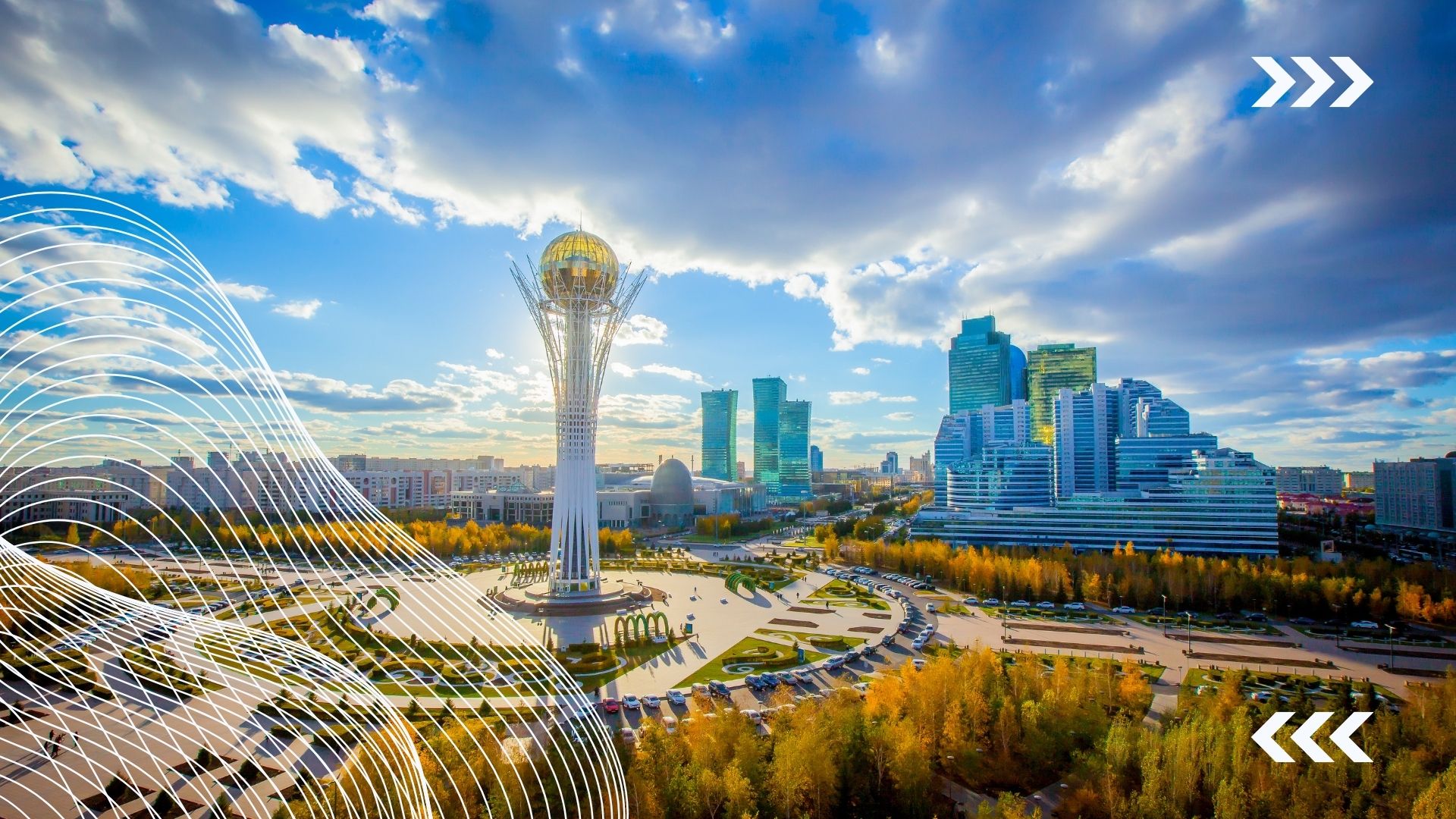
    Kazakhstan’s sweeping steppes may soon become the focal point of a global shift in critical mineral supply chains. With an estimated 2 million tons of untapped tungsten reserves, the Central Asian nation is emerging as a potential powerhouse in a market vital to defense, clean energy, and advanced manufacturing. Ongoing negotiations between Washington and Astana could lead to the first large-scale, U.S.-backed tungsten mining operation in the region, underscoring Western efforts to reduce dependence on Chinese-controlled supply chains.

    Kazakhstan’s Tungsten Wealth: A Strategic Resource Reawakens

    Two massive deposits — Upper Kairaktinskoye and North Katpar in the Karaganda region — anchor Kazakhstan’s tungsten potential. Industry insiders estimate the sites are worth billions of dollars and could sustain production for up to four decades. While the U.S. Geological Survey (USGS) does not list Kazakhstan among the top tungsten holders, the country’s own geological data points to reserves exceeding 2 million tons, suggesting international underreporting of Central Asia’s mineral wealth.

    Kazakhstan’s sovereign wealth fund, Samruk-Kazyna, has described these sites as the world’s most desirable undeveloped tungsten deposits and is actively soliciting bids from foreign investors.

    From Dormancy to Development

    Tungsten mining in Kazakhstan halted more than 30 years ago following the Soviet Union’s collapse, as infrastructure decay, capital flight, and regulatory uncertainty halted operations. That long pause has left enormous reserves untouched — a rare opportunity for new investment at a time when global tungsten demand continues to climb.

    Strategic Importance of Tungsten

    Tungsten’s exceptional hardness, density, and heat resistance make it irreplaceable in defense and high-tech industries. It is a critical component in ammunition, projectiles, armor-piercing shells, and advanced weapon systems, earning a place on the U.S. Geological Survey’s list of critical minerals. The Pentagon’s Defense Logistics Agency identifies tungsten as a material of strategic importance, with supply disruptions posing potential risks to U.S. defense manufacturing and economic stability.

    Key Players in a High-Stakes Negotiation

    The leading U.S. contender, Cove Kaz Capital Group LLC, has positioned itself at the center of the negotiations. Building on its 2025 partnership with Kazakhstan’s JSC Qazgeology on rare earth exploration, Cove Kaz Capital aims to establish majority control of the tungsten venture while ensuring Kazakhstan retains a significant profit share.

    The company’s responsibilities would include mine development, local processing infrastructure, and export logistics, with a commitment to technology transfer and workforce development within Kazakhstan.

    For Samruk-Kazyna, the deal aligns with national goals of diversifying the economy, modernizing the mining sector, and expanding export markets beyond traditional partners like Russia and China. The fund’s competitive tendering process has attracted multiple international bidders, ensuring Kazakhstan maximizes both revenue and strategic leverage.

    U.S. Government’s Direct Role

    The unusual direct involvement of U.S. Commerce Secretary Howard Lutnick in the negotiations underscores the project’s geopolitical weight. Washington views the partnership as part of a wider strategy to secure critical mineral supply chains and implement former President Trump’s executive order prioritizing access to strategic materials such as tungsten.

    For the U.S., success in Kazakhstan could represent a decisive step toward reducing vulnerability to supply shocks and strengthening control over critical materials vital to both defense and green technologies.

  • Eramet Cuts 2025 Capital Spending and Seeks Lender Waiver Amid Falling Sales and Rising Debt

    Eramet Cuts 2025 Capital Spending and Seeks Lender Waiver Amid Falling Sales and Rising Debt

    French mining and metals group Eramet has lowered its capital expenditure forecast for 2025 and announced plans to unveil additional measures in December aimed at stabilizing its finances in the face of weak metal prices, operational challenges, and mounting debt.

    In a third-quarter sales statement released Thursday, the company said it now expects to spend €400 million–€425 million ($466 million–$496 million) this year, down from the previous range of €400 million–€450 million. The revision comes as part of a broader performance review launched in June by new CEO Paulo Castellari, focused on preserving liquidity and strengthening the balance sheet.

    Eramet also disclosed that it has requested a waiver from lenders to mitigate the risk of breaching its gearing covenant as of December 31, 2025. The group said more details about its cost-cutting and liquidity-improving actions will be presented in early December.

    Third-quarter sales dropped 10% year-on-year to €720 million, pressured by softer metal prices and logistics issues at its manganese operations in Gabon. Due to rail capacity constraints in the country, Eramet cut its 2025 target for transported manganese ore volumes to 6.1–6.3 million metric tons, down from 6.5–7.0 million tons previously — the second downward revision this year.

    The company maintained its 2025 production outlook for its Weda Bay nickel joint venture in Indonesia at 36–39 million wet metric tons, and for its new lithium project in Argentina, where it expects to produce 4,000–7,000 tons of lithium carbonate equivalent in 2025. Both figures were reduced earlier in July.

    Eramet, a key player in Europe’s critical minerals supply chain, has been under pressure from falling prices for nickel and manganese — metals vital to the green transition — as well as operational bottlenecks across its global portfolio. Castellari’s restructuring strategy is seen as pivotal to restoring confidence among investors and lenders as the group navigates an increasingly volatile commodities market.

  • World’s Deepest Marathon Takes Runners More Than a Kilometer Underground in Sweden

    World’s Deepest Marathon Takes Runners More Than a Kilometer Underground in Sweden

    In the pitch-black tunnels of Boliden’s Garpenberg zinc mine, over a kilometer below the surface of northern Sweden, 55 runners from 18 countries gathered to compete in one of the most extreme races ever attempted — the World’s Deepest Marathon.

    The course, carved through the humid, diesel-scented rock 180 kilometers northwest of Stockholm, spanned a 2-kilometer stretch of tunnel that participants ran back and forth 11 times to complete the full 42 kilometers. Among them were mining executives, Boliden employees, ultra-marathoners, and first-time racers.

    “You’d run to the end and then turn around — 11 times,” said Henrietta Newman, a consultant with the World Gold Council who took part in the event. “Other than our headlamps, it was complete darkness.”

    The marathon, organized by BecomingX, the International Council on Mining and Metals, and Boliden, is expected to enter the Guinness World Records as both the deepest marathon and the deepest underground marathon distance ever completed, pending verification. The event also had a charitable mission — raising over $1 million for the BecomingX Foundation, which supports education in Africa, and for dog welfare projects run by the Wild at Heart Foundation.

    Runners descended by elevator to 1,120 meters below sea level before being driven by truck into the tunnels. Despite being inside an active mine, organizers ensured safety: helmets were mandatory, though participants wore running shoes after the course was smoothed for the event. “I was worried about the hard hat,” Newman admitted, “but it was actually super light.”

    Conditions underground were challenging. The air was thick and humid, around 24°C, but also contained 30% more oxygen than at the surface — a small advantage against fatigue. “Coming down the incline, you’d get these occasional puffs of air, and it felt amazing,” Newman said.

    Though well-supported with hydration stations and logistics teams, the unique environment tested endurance. Even the top finisher completed the course about 50 minutes slower than his personal record.

    For many, however, the sense of camaraderie outweighed the discomfort. Newman described a heartwarming moment when a group of South African runners doubled back to accompany a first-time marathoner on her final lap. “It was just such a nice moment,” she said. “There were people from all walks of life, and everyone helped each other finish.”

  • EU Sounds Alarm Over China’s Rare Earth Export Controls, Prepares New ReSourceEU Plan

    EU Sounds Alarm Over China’s Rare Earth Export Controls, Prepares New ReSourceEU Plan

    Brussels and Washington have been put on high alert following China’s announcement of new restrictions on rare earth exports and related technologies — a move that threatens to disrupt the global supply of critical raw materials essential for clean energy and advanced industries. Although a recent tariff deal between Donald Trump and Xi Jinping reportedly delayed the implementation of those restrictions by a year, European leaders are bracing for potential economic shockwaves.

    Speaking at the Berlin Global Dialogue on October 25, European Commission President Ursula von der Leyen warned that the EU “is ready to use all of the instruments in our toolbox to respond if needed.” The Commission’s immediate priority remains finding “solutions with our Chinese counterparts,” she said, but von der Leyen made clear that Brussels will not hesitate to take coercive countermeasures if Europe’s industrial security is threatened.

    Von der Leyen compared Beijing’s export restrictions to Moscow’s former energy leverage, describing China’s dominance in rare earth supply chains as a “significant risk” and a “threat to the stability of global industries.” More than 90% of Europe’s consumption of rare earth magnets — critical for sectors from automotive and defense to AI and aerospace — comes from China.

    To defend against possible coercion, the EU may invoke its so-called anti-coercion instrument, dubbed the European “bazooka,” which came into force in December 2023 but has yet to be used. The mechanism would allow Brussels to impose retaliatory tariffs, restrict trade in services and intellectual property, and limit access to European investment and procurement markets in response to deliberate economic pressure from foreign powers.

    At the same time, the European Commission is finalizing a new initiative — ReSourceEU — modeled on the 2022 RePowerEU energy plan. Its goal is to secure stable access to critical raw materials in the short, medium, and long term by boosting recycling, promoting collective purchasing, creating strategic reserves, and developing new partnerships with resource-rich countries including Ukraine, Australia, Canada, Kazakhstan, Uzbekistan, Chile, and Greenland.

    Just a day earlier, the EU signed an enhanced partnership agreement with Uzbekistan, expanding cooperation on resource security and trade.

    Meanwhile, European Council President Antonio Costa raised the issue directly with Chinese Premier Li Qiang during a bilateral meeting at the ASEAN summit in Kuala Lumpur. Costa stressed “the importance of constructive and stable relations with China” while expressing “strong concern” over Beijing’s export controls. He urged China to “restore smooth, reliable, and predictable supply chains as soon as possible.”

    The escalating tensions underscore Europe’s growing vulnerability in the global competition for raw materials — and the delicate balancing act Brussels must perform between economic pragmatism and strategic autonomy.

  • Kazakhstan Tightens Mining Code to Combat Illegal Extraction and Strengthen Investor Accountability

    Kazakhstan Tightens Mining Code to Combat Illegal Extraction and Strengthen Investor Accountability

    Kazakhstan is introducing stricter rules on subsoil use as part of an updated version of its Mining and Subsoil Code, aiming to increase accountability for financial obligations and curb illegal mineral extraction. The new draft, presented to the Mazhilis by Deputy Minister of Industry and Construction Iran Sharkhan, proposes several key reforms, LS reports.

    Under the revised Code, auction winners will be required to pay signing bonuses before receiving their mining licenses. Failure to do so will result in a five-year ban on both the company and its beneficiaries, preventing them from applying for new subsoil rights or acquiring such rights from third parties. According to Sharkhan, this measure is intended to eliminate abuse and make investor participation more transparent.

    The amendments also introduce tough penalties for covert mineral extraction disguised as pilot industrial mining. Any such violations will now result in the immediate revocation of exploration licenses. To improve oversight, the government plans to impose strict operational thresholds — for instance, removing or relocating more than 1,000 cubic meters of soil or rock will only be permitted if clearly justified by project needs.

    Additionally, the separation of industrial-innovation projects from subsoil operations will be prohibited to prevent the misuse of exploration licenses for commercial mining activities.

    Sharkhan noted that in 2025–2026, authorities plan to inspect 440 sites for signs of illegal extraction. To date, 300 areas have already been reviewed, revealing seven cases where unauthorized mining was detected.

    Another key aspect of the reform is the transition to electronic documentation. Applications for mining licenses will now be submitted via a unified digital platform that includes an interactive map of exploration sites available for development — part of a broader effort to streamline administration and boost transparency in Kazakhstan’s extractive sector.