Website: Eurasia.com

  • Qarmet Advances Major Construction Projects to Enhance Production Capacity

    Qarmet Advances Major Construction Projects to Enhance Production Capacity

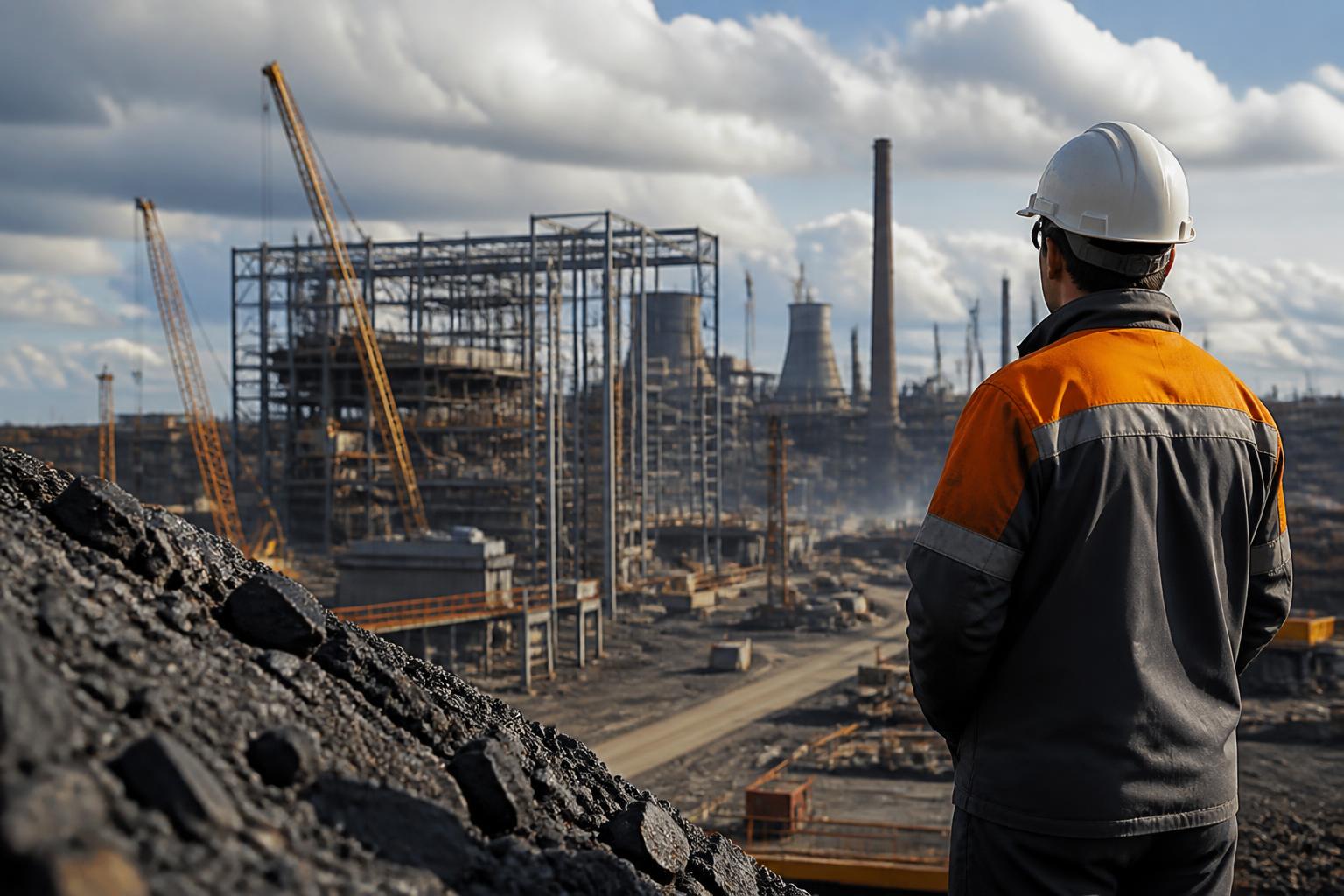
    Qarmet is making significant strides in the construction of strategically important facilities that are set to underpin the company’s future production growth, product line expansion, and extensive technological upgrades. The new production capacities are taking shape, with massive concrete foundations and installed metal structures and technological equipment already visible on-site.

    A key project in this initiative is the construction of a new section rolling mill, with engineering, equipment supply, installation supervision, and construction work being managed by CERI. To date, over 1,500 tonnes of rebar and more than 1,500 tonnes of metal structures have been delivered to the site. The complex will feature 11 overhead cranes, with construction activities progressing across the entire site: specialists are pouring concrete for the foundations of buildings and technological equipment, erecting reinforced concrete frames, and installing metal structures and crane equipment.

    The project is currently in an active implementation phase. Once the new section rolling mill is operational, Qarmet will be able to produce an additional 540,000 tonnes of metal products annually. The facility will also commence the production of high-strength rebar grades A600 and A1000, alongside new product types that are in demand in both domestic and international markets, including angles and channels.

    Simultaneously, large-scale construction is underway at the new coke battery No. 8-9 site. Currently, the coal tower structure is being erected at a height of +5.3 meters, and the upper foundation slab for coke battery No. 9 is being reinforced. Specialists are also working on soil development and reinforcing the flue gas ducts of the transverse bore, constructing the walls of the longitudinal bore of KB-9, and laying the foundation for the future chimney.

    At coke battery No. 8, the installation of metal structures continues, with 300 out of the planned 500 tonnes already installed. The groundwork for the end platforms of coke batteries No. 8 and No. 9 has been fully completed. Once the complex is operational, its production capacity will reach 1.5 million tonnes of dry coke per year. The implementation of this project will strengthen Qarmet’s raw material base and enhance the resilience of its complete metallurgical cycle.

    “The new section rolling mill and coke batteries No. 8-9 are crucial elements of Qarmet’s extensive investment programme and a clear testament to the company’s ongoing technological renewal. Today, the construction sites are not only forming the bodies of future productions but are also laying the foundation for the new industrial strength of the enterprise. The implementation of these projects will increase output volumes, expand the range of in-demand metal products, strengthen the raw material base, and enhance the resilience of the entire production cycle,” noted Qarmet specialists.

    Tons of concrete and metal structures are already taking shape in the outlines of new productions. Step by step, Qarmet is renewing key links in the technological chain, implementing modern solutions, and creating capacities that will define a new level of efficiency, reliability, and competitiveness for the company for decades to come.
  • Zijin RG Gold Expands Equipment Fleet with New Komatsu Bulldozers

    Zijin RG Gold Expands Equipment Fleet with New Komatsu Bulldozers

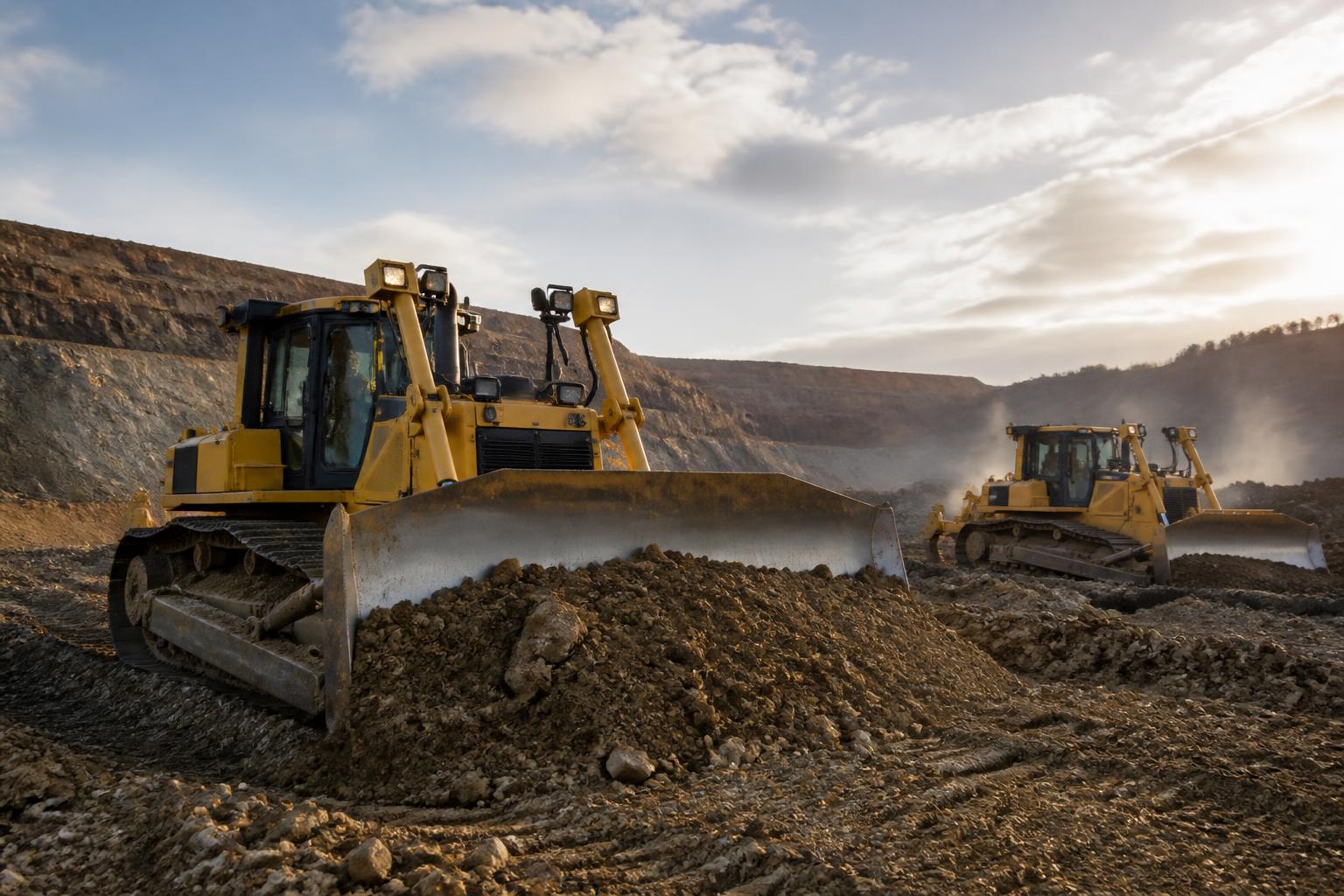
    Zijin RG Gold has celebrated the acquisition of two new Komatsu bulldozers, the WD600 and D275A, marking a significant milestone in the company’s strategy to enhance its mining equipment fleet and improve operational efficiency. This initiative is part of a broader plan to transition towards a self-sufficient operational model, bolstering production resilience, enhancing industrial safety, and creating additional avenues for future growth. The strategy is supported by its parent company, Zijin Mining Group.

    With the addition of these bulldozers, Zijin RG Gold now boasts a fleet of over 45 Komatsu machines. The company has established a long-term partnership with KOMEK MACHINERY Kazakhstan, which provides comprehensive service support aimed at ensuring reliable, safe, and efficient operation of the equipment throughout its lifecycle. This collaboration underscores the commitment to maintaining high operational standards and maximising the longevity of the machinery.

    On the same day, representatives from Zijin RG Gold and KOMEK MACHINERY Kazakhstan held a working meeting to discuss future collaboration directions. Key topics included enhancing workplace safety, improving equipment productivity and reliability, developing personnel competencies, and implementing advanced global practices from Komatsu.

    The expansion of its equipment fleet is a crucial step in strengthening Zijin RG Gold’s production capacity and reaffirms the company’s commitment to sustainable development, modern technology adoption, and increased efficiency in mining operations. This strategic move is expected to not only enhance operational capabilities but also contribute to the overall growth and sustainability of the mining sector in Kazakhstan.


  • China Introduces Hard Pure Gold: A Revolutionary Advancement in Gold Jewelry

    China Introduces Hard Pure Gold: A Revolutionary Advancement in Gold Jewelry

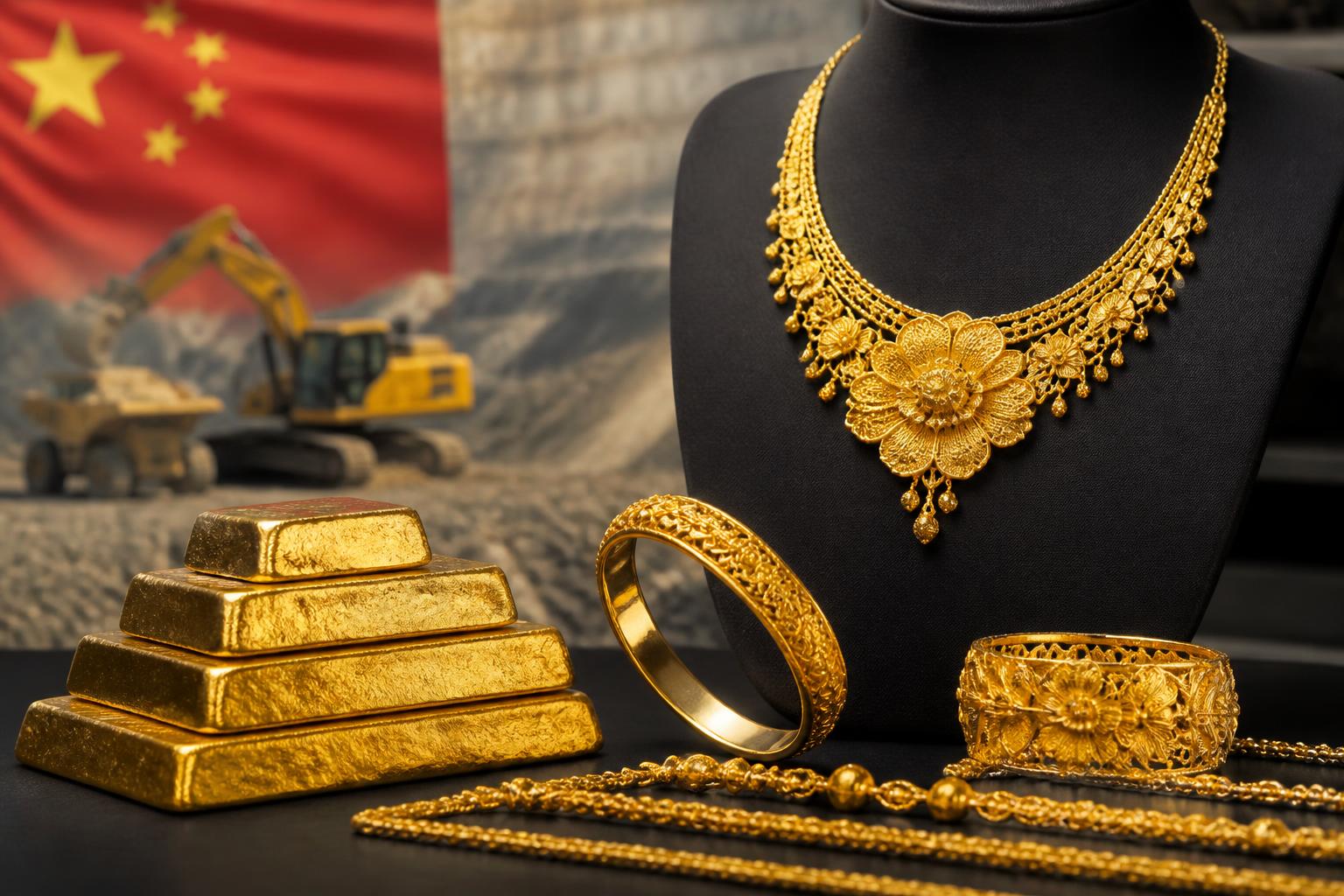
    China has unveiled an innovative form of 24-carat gold known as Hard Pure Gold (硬足金), a metallurgical breakthrough that combines the purity of traditional 24-carat gold with the hardness and durability of lower-carat alloys. This new material has rapidly gained dominance in the Chinese jewellery market, thanks to advancements in nanocrystalline engineering and microstructural modifications that fundamentally alter gold’s behaviour at the atomic level.

    Unlike conventional pure gold, Hard Pure Gold maintains a purity of over 99.9% while being up to four times harder than standard 24K gold. It resists scratching, bending, and deformation, all while preserving the deep yellow luster that has long been cherished in Chinese culture. This innovation has transformed the gold jewellery industry, allowing major brands such as Chow Tai Fook, Lukfook, and China Gold to create intricate, lightweight, and durable designs without compromising on investment purity.

    Officially established as a new category of high-purity gold jewellery in May 2025, Hard Pure Gold represents a significant technological advancement in the production of nearly pure (24K) gold that is significantly harder and more durable than traditional 24K gold without reducing its purity. The category has been endorsed by the Ministry of Industry and Information Technology (MIIT) in collaboration with the Chinese jewellery industry and the World Gold Council, aiming to create a global standard for modern high-purity jewellery that combines traditional purity with enhanced mechanical strength.

    This breakthrough is not only a milestone for jewellery manufacturing but also for materials science. By controlling grain size through severe plastic deformation, controlled annealing, and surface hardening, metallurgists have successfully transformed one of nature’s softest metals into a technologically advanced form of pure gold. Hard Pure Gold is defined as jewellery containing no less than 99.0% gold and possessing a hardness of at least 60 HV, achieved through microstructural modifications rather than alloying.

    The introduction of Hard Pure Gold has significant implications for the market and culture. According to the China Gold Association, jewellery made from pure gold now accounts for over 60% of 24-carat gold sales in major Chinese cities. Consumers appreciate its combination of purity, durability, and modern design, while it retains the traditional association of pure gold with prosperity and heritage, appealing to younger buyers seeking lightweight, contemporary styles. The technology also enhances China’s competitiveness in exports, as markets in Singapore, Malaysia, and Japan increasingly adopt products made from Hard Pure Gold.

    Despite its success, Hard Pure Gold faces ongoing challenges, including repair and resizing issues that can alter its microstructure and reduce hardness, confusion in labelling where some sellers mislabel products as ‘hard gold’, and increased production costs associated with advanced processing techniques. To address these challenges, China’s national standard GB/T 18043–2020 now provides clear definitions and testing criteria for verifying Hard Pure Gold products.

    In conclusion, Hard Pure Gold (硬足金) represents a fusion of ancient luxury and cutting-edge metallurgy. By engineering the crystalline structure of gold rather than altering its chemistry, Chinese scientists and jewellers have transformed one of the softest precious metals on Earth into a durable, high-performance, and culturally significant innovation. This development underscores China’s leadership in materials science technology and the evolving future of pure gold craftsmanship.


  • Kazakhmys Begins Construction of Kazakhstan’s Deepest Mine Shaft

    Kazakhmys Begins Construction of Kazakhstan’s Deepest Mine Shaft

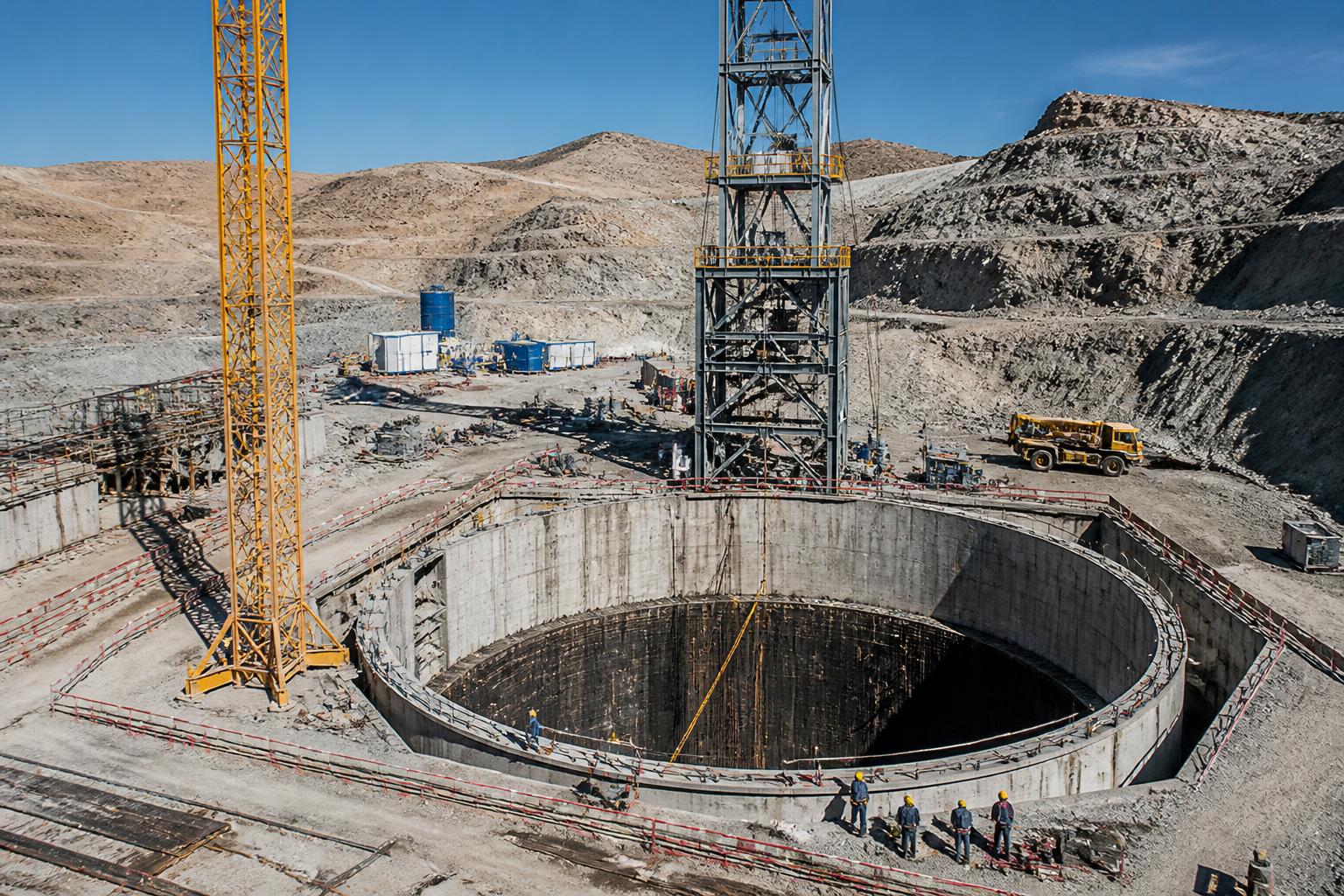
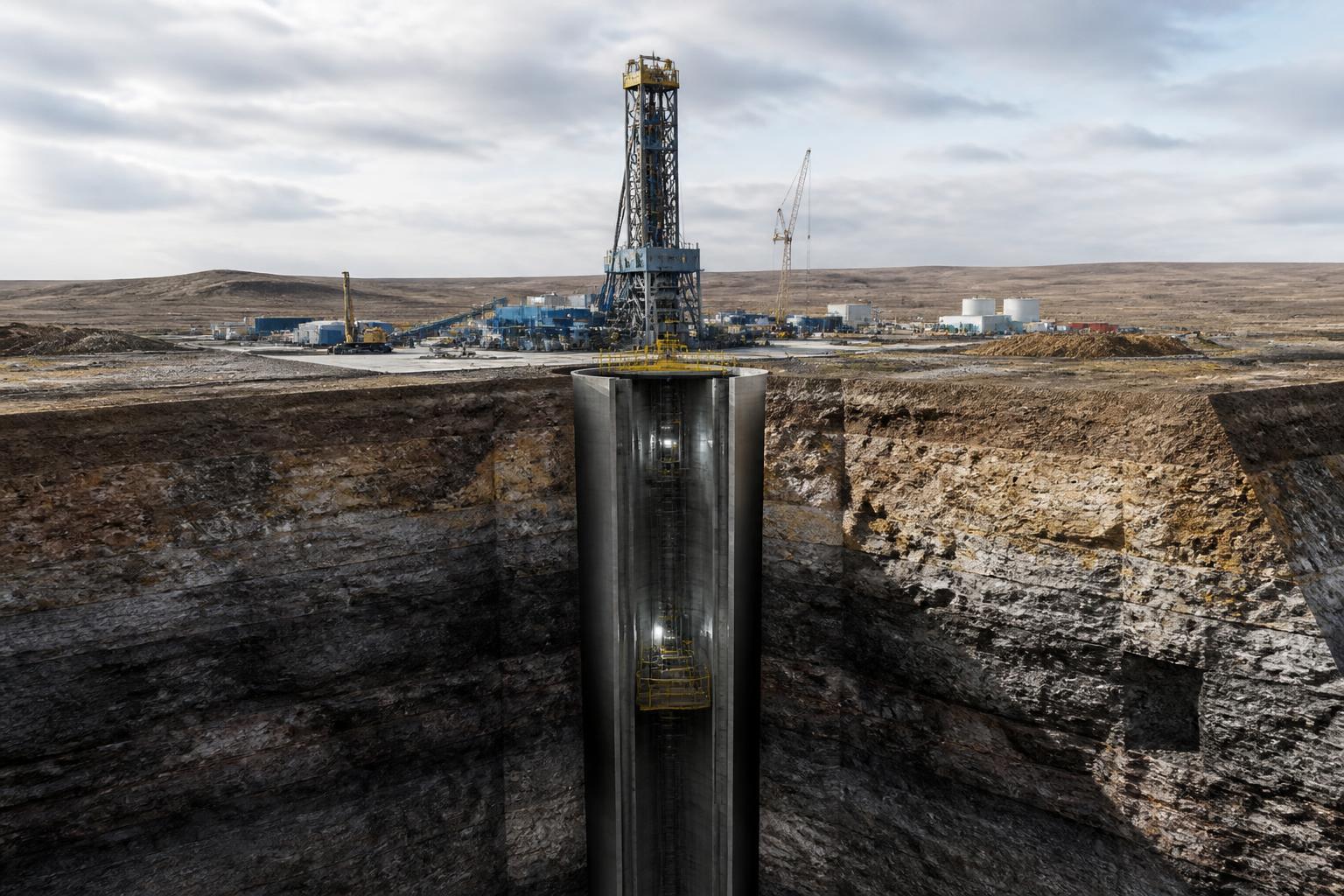
    Kazakhmys Corporation has embarked on one of the largest investment projects in recent years with the construction of the ‘Air Supply Shaft-2’ at the Nurkazgan deposit in the Karaganda region. The project, which involves an investment exceeding 32.5 billion tenge, aims to enhance the development of the Eastern section of the deposit and marks a significant milestone in the evolution of the Nurkazgan mine.

    The new shaft, projected to reach a depth of 1,283.9 meters, will become the deepest mine shaft in Kazakhstan. Its construction is expected to facilitate the further exploration of ore reserves, improve industrial safety standards, and establish a modern infrastructure that will support the mine’s operations for decades to come. A ceremonial event to mark the commencement of construction was attended by key figures, including Nurmukhamet Abdibekov, Chairman of the Board of Kazakhmys, and other senior executives.

    Abdibekov highlighted the project’s significance, stating that it represents a long-term investment in safety, production development, and the strengthening of the company’s resource base. The primary objective of the project is to uncover the ore reserves in the Eastern section, ensure a fresh air supply to underground workings, and create a safe environment for workers.

    Construction will involve the excavation of over 65,000 cubic meters of rock and the establishment of nine connections with existing mine horizons. The completion of the shaft is anticipated by 2031, after which it will be equipped with advanced technological systems, including a cage lift, main ventilation unit, and a modular heating boiler to warm the air entering the mine.

    Looking ahead, Kazakhmys plans to initiate the construction of the ‘Ventilation Shaft-2′ in 2027, which will complement the newly built shaft and create a unified engineering infrastructure. This infrastructure will ensure effective ventilation and safe operations at the mine, enabling the further exploration of new ore reserves.

    The confirmed reserves at the Nurkazgan deposit, which contain copper, gold, and silver, support the sustainable operation of the mining and processing complex for over 40 years. The project’s implementation is a crucial step in Kazakhmys’ long-term investment programme aimed at enhancing production capacities, improving industrial safety, and reinforcing the company’s resource base.


  • Kazakhstan Government Discusses New Fluorspar Concentrate Plant in Zhambyl Region

    Kazakhstan Government Discusses New Fluorspar Concentrate Plant in Zhambyl Region

    The government of Kazakhstan has recently convened to discuss an investment project aimed at constructing a new plant for the production of acid-grade fluorspar concentrate in the Zhambyl region. The meeting, chaired by First Deputy Prime Minister Nurlan Naliбаев, included representatives from Western Mining Corporation Limited, a consortium of leading Chinese companies spearheading this initiative. The proposed plant is set to produce fluorspar concentrate, which is highly sought after in the chemical industry, new energy sector, and both ferrous and non-ferrous metallurgy.

    During the meeting, Nurlan Naliбаев highlighted the government’s commitment to providing comprehensive support to investors. He underscored the strategic importance of developing the mining and processing industries, attracting foreign investments, and implementing modern environmental production standards to ensure sustainable economic growth in Kazakhstan. The project is expected to create over 200 permanent jobs, contributing to local employment and economic development.

    Following the discussions, relevant government bodies and organizations have been tasked with conducting a comprehensive assessment of the project’s economic and strategic viability. This initiative reflects Kazakhstan’s ongoing efforts to enhance its mining sector and attract international collaboration, particularly in the context of increasing demand for fluorspar in various industrial applications. As the country seeks to bolster its position in the global mining landscape, projects like this one are crucial for fostering innovation and sustainability in the industry.


  • Kazakhstan’s Kazcink Reports Decline in Profit Despite Increased Revenue

    Kazakhstan’s Kazcink Reports Decline in Profit Despite Increased Revenue

    Kazakhstan’s mining giant, Kazcink, has reported a decline in profitability for the first half of 2026, despite an increase in revenue. According to the financial report from Glencore, the Anglo-Swiss commodity group that controls nearly 70% of Kazcink’s shares, the company’s adjusted EBIT fell to $301 million, down from $387 million during the same period last year. Revenue for the first half of 2026 reached $2.458 billion, a slight increase from $2.393 billion in the first half of 2025.

    The increase in revenue can be attributed to higher prices for key metals produced by Kazcink, including zinc and gold, although gold prices have seen a slight decline since early spring. However, the company experienced a reduction in production volumes for both its own and third-party zinc, with a more significant drop in precious metal output. Additionally, a new progressive mineral extraction tax (NDT) on gold, based on price levels, is expected to further impact Kazcink’s profitability this year.

    Kazcink’s adjusted EBITDA for the reporting period was $588 million, significantly lower than the $708 million reported in the same timeframe last year. The company’s depreciation costs also decreased to $287 million from $321 million in the previous year. Furthermore, capital expenditures saw a dramatic reduction of over 50%, falling to $145 million compared to $340 million in the first half of 2025.

    Glencore’s report highlighted a recovery from a $99 million impairment on the Zhairem project, reflecting improved operational performance and more optimistic price forecasts for zinc. In contrast, the Zhairem mining and processing plant reported a loss of $25 million last year, despite generating $307 million in sales.

    Overall, Glencore’s financial performance for the first half of 2026 was robust, with a net profit of $4.4 billion and a nearly twofold increase in adjusted EBITDA to $10.12 billion. The adjusted EBIT surged 3.7 times to $6.65 billion. In 2025, Kazcink reported a net profit of $771 million on revenues of $5.069 billion, indicating a challenging year ahead for the company amidst fluctuating metal prices and production challenges.


  • Kazakhmys Invests Over 25.2 Billion Tenge in Modernisation of Zhezkazgan Copper Smelting Plant

    Kazakhmys Invests Over 25.2 Billion Tenge in Modernisation of Zhezkazgan Copper Smelting Plant

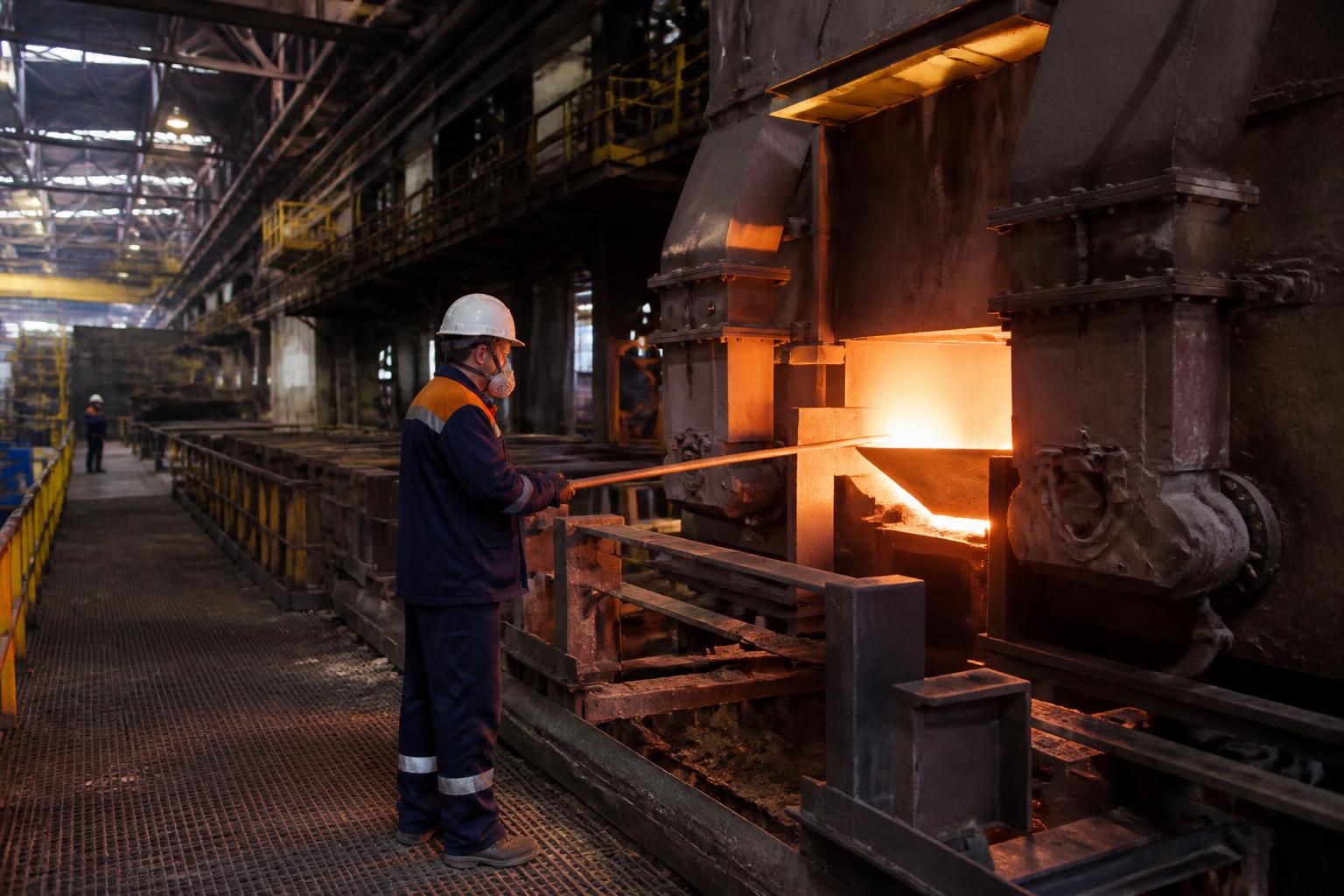
    Kazakhmys Corporation has announced a significant investment of over 25.2 billion tenge aimed at modernising the Zhezkazgan Copper Smelting Plant, a key metallurgical facility within the group. The investment will be allocated towards capital repairs, technical re-equipment, and the enhancement of production infrastructure, with the overarching goal of ensuring the plant’s sustainable operation, improving industrial safety, and enhancing both technological efficiency and environmental performance.

    The comprehensive modernisation programme encompasses major production workshops, energy management systems, infrastructure facilities, and social amenities. A substantial portion of the investment, amounting to 15.9 billion tenge, is dedicated to the capital repair of critical metallurgical equipment. This includes extensive renovations to the second ore-thermal furnace, anode furnaces, and converter blocks, which are expected to bolster the reliability of the technological processes and extend the lifespan of the equipment.

    Additionally, 3.6 billion tenge will be invested in upgrading technological equipment. This includes the installation of 234 polymer concrete baths in the copper electrolysis shop, replacement of the power transformer, and the installation of a new bridge crane. The smelting shop will see the replacement of the carousel casting machine, while the heat supply shop will upgrade its turbocharger.

    The development of production infrastructure is also a priority, with 4.4 billion tenge earmarked for this purpose. Projects include the capital repair of cooling tower No. 1, roof replacement in the copper electrolysis shop, and restoration of the converter department’s roofing. Concurrently, the renovation of shower facilities in the administrative and domestic complex of the smelting shop is being completed to improve the working conditions for employees.

    By the end of the year, Kazakhmys plans to allocate an additional 1.4 billion tenge for the capital repair of equipment in the charge preparation shop and the establishment of a specialised area for the safe maintenance of crane equipment. This comprehensive modernisation effort is part of Kazakhmys’s long-term investment programme aimed at enhancing its metallurgical enterprises, ensuring more reliable production processes, improving equipment efficiency, and creating a safer and more comfortable working environment for its workforce.


  • Kazakhstan’s Samruk-Kazyna Fund Acquires 40% Stake in Eurasian Resources Group

    Kazakhstan’s Samruk-Kazyna Fund Acquires 40% Stake in Eurasian Resources Group

    In a significant development for Kazakhstan’s mining sector, the National Wealth Fund ‘Samruk-Kazyna’ has acquired a controlling 40% stake in Eurasian Resources Group S.à r.l. (ERG), a major player in the mining industry. This transaction, which took effect on August 4, 2026, marks a strategic shift in the ownership structure of ERG, previously held by the State Property and Privatisation Committee of the Ministry of Finance of Kazakhstan.

    The acquisition was confirmed by ERG, which stated that the fund is now the sole owner of the 40% stake, while the heirs of Alidjan Ibragimov, one of the founding shareholders, hold 20.7%, and Shakhmurat Mutalip retains 39.3%. This change in shareholding is part of a broader strategy by the Kazakh government to manage state assets effectively through Samruk-Kazyna, which is tasked with ensuring the sustainable operation of businesses in the country.

    On the same day, Samruk-Kazyna released an official statement regarding the acquisition, highlighting its commitment to managing state assets in the interests of Kazakhstan. The fund’s involvement is expected to enhance the operational stability of ERG, which has assured stakeholders that its enterprises will continue to operate normally and adhere to its development strategy.

    The transaction follows earlier discussions regarding the potential restructuring of ERG, with reports suggesting negotiations between shareholders Mutalip and the Ibragimov heirs about possibly dividing the group into separate Kazakhstan and international entities. However, the Ministry of Finance has stated that it has not received any formal requests regarding such a division.

    Additionally, the acquisition comes amid ongoing negotiations between ERG and Portuguese company Mota-Engil concerning the sale of Bahia Mineração (BAMIN), which holds iron ore assets in Brazil. These talks have reportedly slowed due to the recent changes in ERG’s ownership structure, with a deal initially expected to be finalised by mid-2026 now facing delays.

    As the Ibragimov family ranks among Kazakhstan’s wealthiest, with a net worth of $1.677 billion as of May 2026, the implications of this ownership shift are significant for the future of ERG and its operations both domestically and internationally. The mining sector in Kazakhstan continues to evolve, with state involvement poised to play a crucial role in shaping its trajectory.


  • Kazakhmys Begins Construction of Kazakhstan’s Deepest Mine Shaft

    Kazakhmys Begins Construction of Kazakhstan’s Deepest Mine Shaft

    Kazakhmys Corporation has commenced the excavation of the ‘Air Supply-Cage-2’ mine shaft at the Nurkazgan deposit in the Karaganda region, which is set to become the deepest mine shaft in Kazakhstan, reaching a projected depth of 1,284 metres. The investment for this construction is estimated at 32.5 billion tenge. This shaft will serve as a crucial hub for the future infrastructure of the Eastern section of the deposit, primarily aimed at accessing ore bodies located at deep levels, ensuring ventilation for the mine, and facilitating the descent and ascent of workers.

    The project entails a significant volume of work, with approximately 65,000 cubic metres of rock mass expected to be extracted during the excavation process. There are plans for nine intersections with existing levels. The excavation is scheduled to continue until 2031, after which modern equipment will be installed in the shaft, including a cage lift, a main ventilation unit, and a modular boiler that will heat the air entering the underground workings.

    In parallel, Kazakhmys is preparing for a new phase of development at the site, with work on the companion shaft ‘Ventilation-2’ set to begin next year. Once all operations are completed, the finished shafts will form a comprehensive infrastructure for the future extraction of copper, gold, and silver. Geologists estimate that the confirmed reserves at Nurkazgan will allow the mining and processing plant to operate for over four decades.


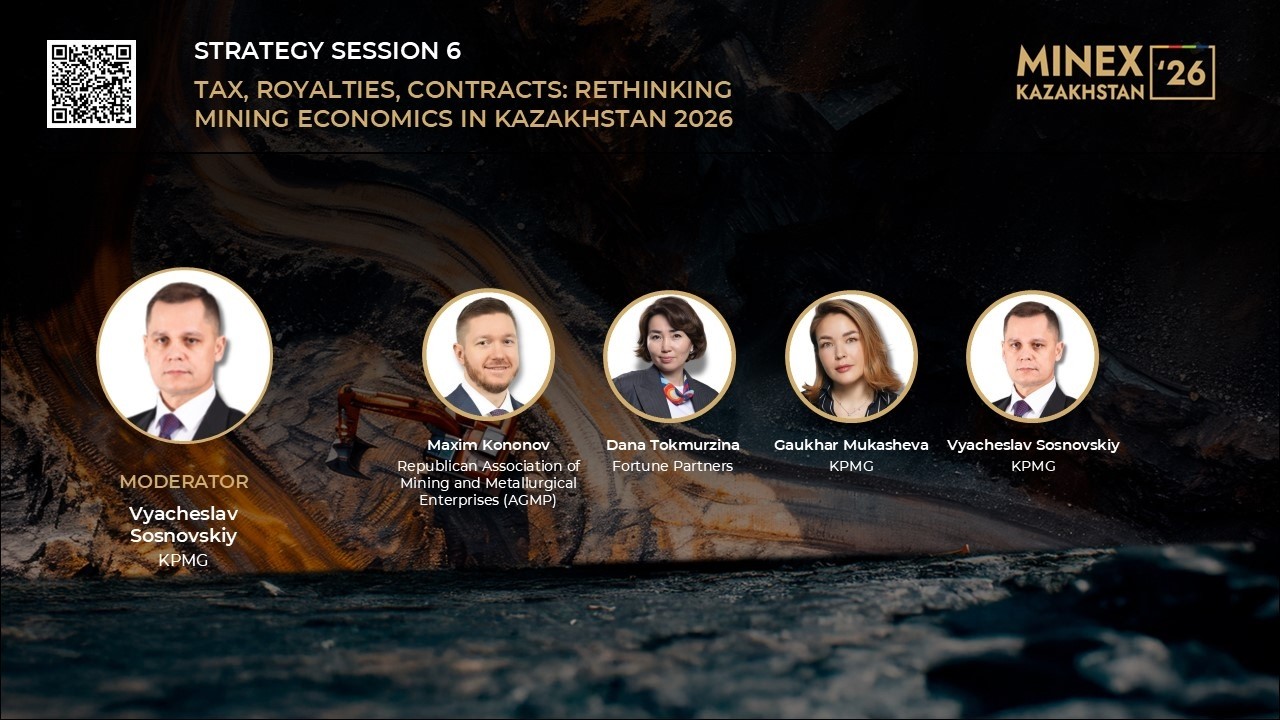
  • MINEX Kazakhstan 2026 – Tax, Royalties, Contracts: Rethinking Mining Economics in Kazakhstan 2026

    MINEX Kazakhstan 2026 – Tax, Royalties, Contracts: Rethinking Mining Economics in Kazakhstan 2026

    Strategy session 6 – Tax, Royalties, Contracts: Rethinking Mining Economics in Kazakhstan 2026

    Format: Presentations and panel discussion

    Under the 2026 Tax Code and parallel amendments to the Subsoil and Subsoil Use Code, subsoil use contracts in Kazakhstan are being reshaped to tighten state control over strategic resources, formalise “strategic investor” status, and link fiscal terms more closely to investment and processing obligations. Simultaneously Kazakhstan is overhauling mining taxation with a shift from Mineral Extraction Tax to a royalty‑based model, wider incentives for domestic processing, and clarified rules for exploration and subsoil‑use costs. This session will unpack how the 2026 Tax Code and new royalties’ system will work in practice, what it means for project economics and investment decisions, and how companies should adapt their fiscal and regulatory strategies in Kazakhstan’s evolving mining landscape.

    Moderator

    Vyacheslav Sosnovskiy
    Partner
    KPMG

    Presentations:

    The New Tax Code: Seeking a Balance Between State and Investor Interests
    Maxim Kononov
    First Deputy Executive Director
    Republican Association of Mining and Metallurgical Enterprises (AGMP)

    Tax Burden of Mining Companies: Challenges of 2026 and Possible Solutions
    Dana Tokmurzina
    Chief Executive Officer
    Fortune Partners

    Transfer Pricing (TP) in the Mining Industry: From Formal Compliance to Regulatory Management
    Gaukhar Mukasheva
    Director
    KPMG

    Tax Administration of Mining Companies in Kazakhstan and International Practice
    Vyacheslav Sosnovskiy
    Partner
    KPMG