Website: Eurasia.com

  • India Set to Strengthen Critical Minerals Cooperation with Germany and Canad

    India Set to Strengthen Critical Minerals Cooperation with Germany and Canad

    India’s Cabinet is expected to approve new international cooperation agreements with Germany and Canada aimed at strengthening partnerships in the critical minerals sector, as New Delhi accelerates efforts to secure resources essential for clean energy technologies and advanced manufacturing.

    According to government sources, the Cabinet meeting chaired by Prime Minister Narendra Modi is likely to clear a Joint Declaration of Intent with Germany focused on joint mineral exploration, sustainable mining practices, supply chain resilience and technology transfer. A similar agreement with Canada is also expected to receive approval.

    The proposed partnerships come amid intensifying global competition for critical minerals such as lithium, cobalt, nickel and rare earth elements, which are key inputs for electric vehicles, renewable energy systems and high-tech industries.

    India has been expanding its international engagement to diversify supply sources and reduce import dependence as part of its broader Atmanirbhar Bharat strategy aimed at strengthening domestic industrial and energy security.

    The agreements are aligned with India’s Critical Minerals Mission launched in 2025, alongside ongoing reforms under the Mines and Minerals (Development and Regulation) Amendment Act, which has enabled new auctions of mineral blocks to attract investment and accelerate resource development.

    Officials view cooperation with resource-rich and technologically advanced partners as a strategic step toward building resilient supply chains and supporting India’s long-term energy transition objectives.

  • Bankruptcy Proceedings Opened Against Poltava Mining Plant as Ferrexpo Shares Slide

    Bankruptcy Proceedings Opened Against Poltava Mining Plant as Ferrexpo Shares Slide

    Ukraine’s Economic Court of Poltava Oblast has opened bankruptcy proceedings against the Poltava Mining and Processing Plant (PGZK), triggering a sharp market reaction and renewed investor concerns surrounding iron ore producer Ferrexpo.

    The company confirmed the development in a statement to the London Stock Exchange on February 24, noting that the court initiated proceedings before a final ruling had been issued by Ukraine’s Supreme Court. Following the announcement, Ferrexpo’s share price fell by 28 percent.

    The bankruptcy case was initiated by Maxi Capital Group, which secured a court judgment in January 2025 ordering PGZK to repay UAH 4.7 billion. The dispute stems from a financial claim originally linked to the failed Finance and Credit bank, where PGZK acted as a guarantor. Maxi Capital acquired the claim in 2020.

    PGZK maintains that the debt had already been settled, citing the write-off of funds in August 2015 and their subsequent return to company accounts in July 2019, arguments reflected in earlier court rulings. The matter remains under consideration by the Supreme Court, despite bankruptcy proceedings now formally underway.

    Operations at the mining and processing plant continue uninterrupted, but the legal escalation has increased uncertainty for investors and lenders. PGZK is one of Ukraine’s largest exporters of iron ore pellets to European markets, meaning prolonged litigation could affect financing conditions, payment stability and regional export flows.

    Ferrexpo stated that PGZK intends to appeal the court’s decision within the statutory ten-day period. However, under Ukrainian law, filing an appeal does not suspend bankruptcy procedures, leaving the timeline and potential consequences difficult to predict.

    The case also adds to broader scrutiny surrounding Ferrexpo and its controlling shareholder, businessman Kostyantyn Zhevago. Earlier in 2025, bankruptcy proceedings were opened against pharmaceutical group Arterium, also associated with Zhevago, while PGZK’s board leadership has faced investigations by law enforcement authorities since 2023.

    Market analysts note that even without operational disruption, reputational risks and declining market capitalisation could complicate access to investment capital. The outcome of ongoing appeals and Supreme Court decisions will likely determine whether the dispute remains a legal challenge or evolves into a broader economic risk affecting employment, exports and investor confidence.

  • Sweden’s Per Geijer Deposit Emerges as One of Europe’s Largest Rare Earth Discoveries

    Sweden’s Per Geijer Deposit Emerges as One of Europe’s Largest Rare Earth Discoveries

    A major rare earth discovery linked to Sweden’s long-established Kiruna iron mining district is positioning northern Europe as a potential future supplier of critical minerals essential for electric vehicles, renewable energy and advanced technologies.

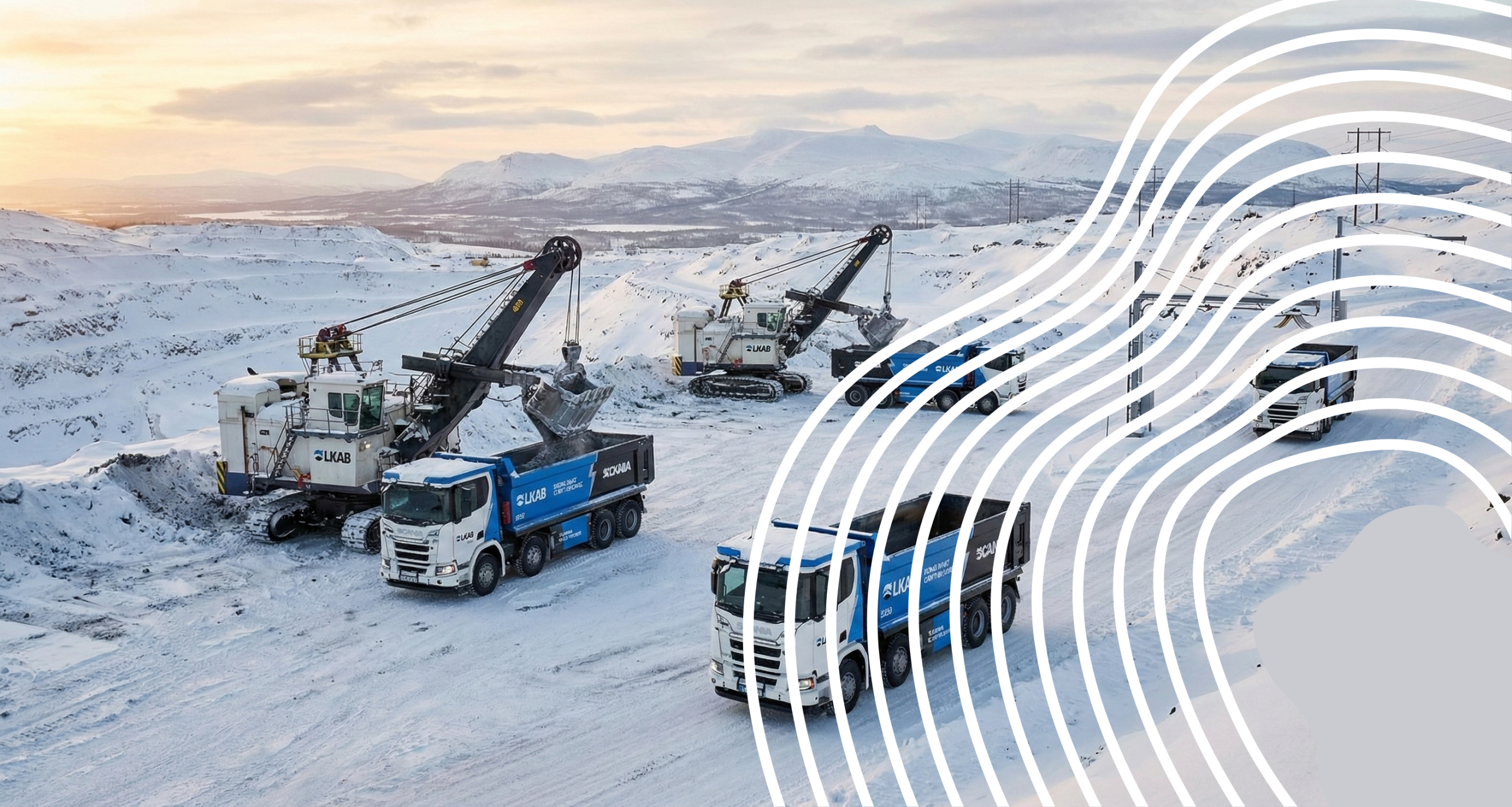
    State-owned miner LKAB has confirmed that the Per Geijer deposit, located near Kiruna above the Arctic Circle, contains an estimated 2.2 million tonnes of rare earth oxides alongside substantial volumes of iron ore and phosphorus. The updated resource estimate places the site among the largest known rare earth deposits in Europe.

    Rare earth elements are vital components in permanent magnets used in electric vehicle motors, wind turbines and consumer electronics. Europe currently relies heavily on imports, with China responsible for processing nearly 90 percent of global rare earth supply, creating strategic vulnerabilities across industrial and energy transition supply chains.

    LKAB estimates that once fully developed, Per Geijer could eventually meet up to 18 percent of Europe’s rare earth demand. The deposit also contains approximately 1.2 billion tonnes of iron ore and phosphorus, with rare earth minerals primarily hosted in apatite, allowing recovery alongside existing iron mining operations.

    The project forms part of a broader European effort to strengthen domestic raw material production under the EU Critical Raw Materials Act, which aims to reduce reliance on single external suppliers and expand regional mining and processing capacity by 2030. Per Geijer, together with LKAB’s related developments in Malmberget and Luleå, has received strategic project status, enabling accelerated permitting procedures and improved access to financing.

    Rather than developing a standalone rare earth mine, LKAB plans an integrated industrial chain linking iron ore extraction in Kiruna with downstream processing facilities. Concentrates produced at Malmberget would be transported to a new industrial hub in Luleå, where hydrometallurgical processing will separate rare earth oxides, phosphoric acid for fertiliser production and gypsum by-products.

    To support final separation of individual rare earth elements, LKAB has also invested in Norwegian technology company REEtec, which is developing alternative refining methods aimed at reducing dependence on Chinese processing technologies.

    Despite its strategic importance, the project faces social and environmental challenges. Mining activity has already forced the gradual relocation of Kiruna due to ground subsidence, while Indigenous Sámi communities have raised concerns that expanded mining could disrupt traditional reindeer herding routes and fragile Arctic ecosystems.

    LKAB emphasises that Per Geijer remains a mineral resource rather than an approved mining reserve, with further exploration, technical studies and permitting required. Industry analysts expect large-scale rare earth production to take between 10 and 15 years before material from the project reaches European manufacturing supply chains.

    Even at full capacity, experts note that the deposit will complement rather than replace global supply networks. However, the presence of a major domestic rare earth source marks a significant shift in Europe’s long-term strategy to secure materials underpinning the green and digital transition.

  • Kazakhstan Investment Day in Frankfurt

    Kazakhstan Investment Day in Frankfurt

    Analysis of the Germany-Kazakhstan Strategic Partnership

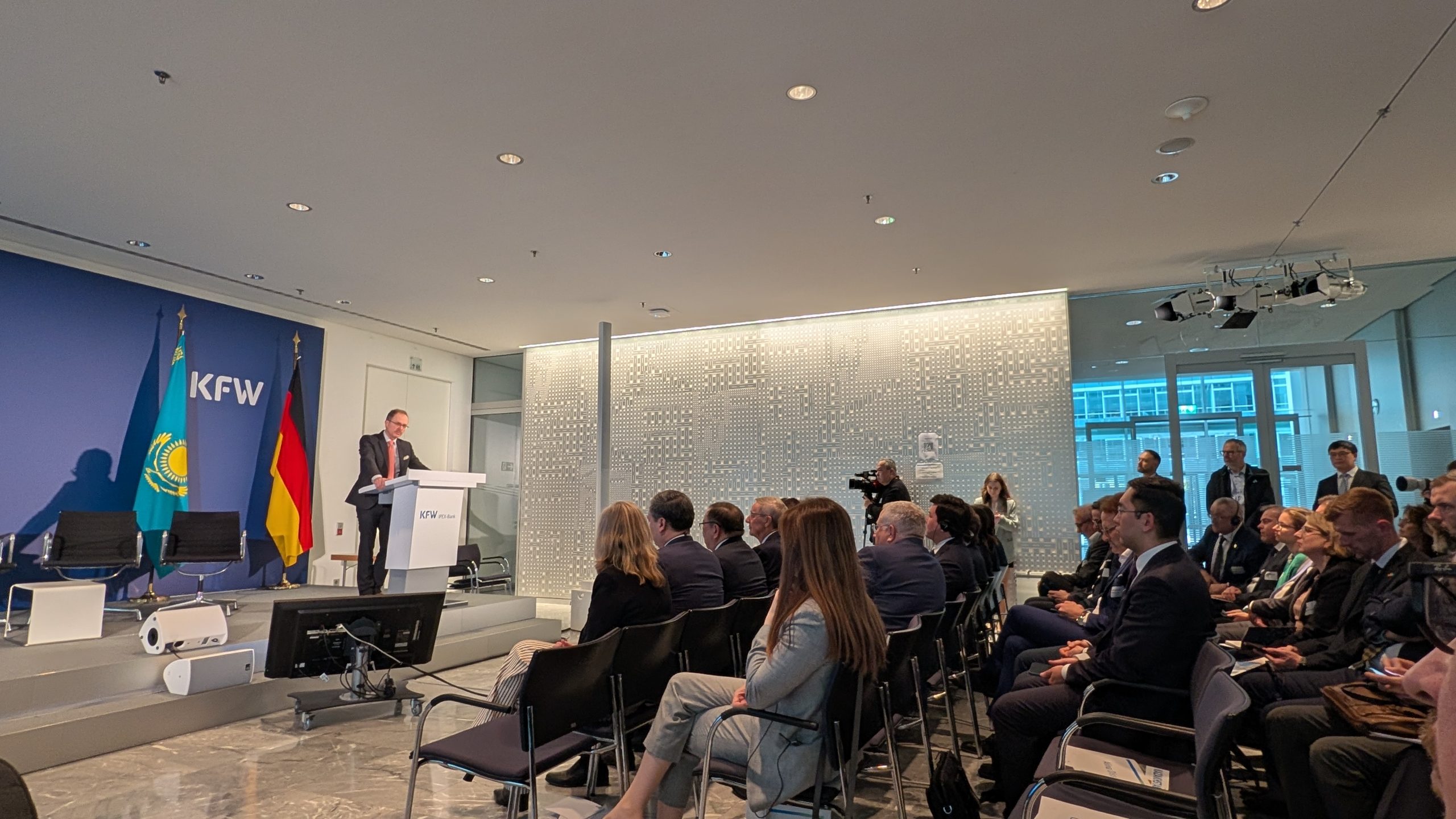
    The Kazakhstan Investment Day, held on 24 February 2026, at the KfW Bankengruppe headquarters in Frankfurt, highlighted a pivotal shift in Eurasian trade dynamics. The event centered on the deepening energy and mining alliance between Germany and Kazakhstan, a relationship that has gained strategic urgency as Kazakhstan effectively replaces Russian oil volumes and leverages deep-rooted cultural ties to strengthen bilateral cooperation.

    Financial and Strategic Framework

    The scale of this partnership is substantial, with bilateral trade recently seeing a 10% increase to reach €4 billion. Kazakhstan is currently positioned to supply 21 of the 34 critical raw materials (CRMs) identified on the EU’s strategic list.

    To facilitate this, several financial and logistical mechanisms have been established:

    • The Development Bank of Kazakhstan (DBK): A $1 billion financing program (2025–2030) has been launched, specifically dedicated to the extraction and processing of rare and critical materials.

    • Foreign Direct Investment (FDI): Kazakhstan aims to attract $400 billion in FDI by 2029, supported by Germany’s raw materials fund and backing from institutions like KfW IPEX and DEG.

    • The Middle Corridor: The Trans-Caspian International Transport Route is being developed as a highly efficient logistical artery connecting Central Asia to Europe, bypassing sanctioned territories.

    Operational Success vs. Bureaucratic Hurdles

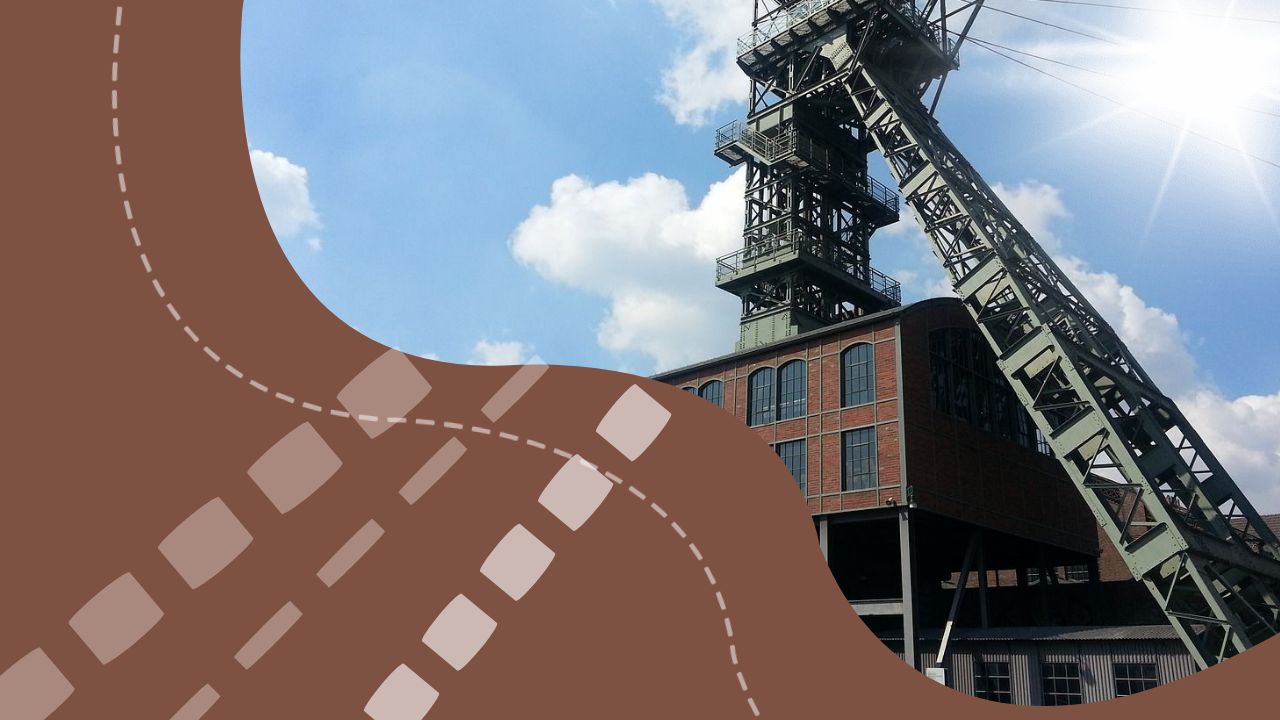
    There is a notable contrast between engineering achievements and administrative delays. Industry leaders from Thyssen Schachtbau and Qazaq Kalium have demonstrated successful deep-shaft mining projects, proving that German technology is effectively unlocking Kazakh resources. Furthermore, the German development agency GIZ is pivoting its strategy by forming a dedicated in-country team focused exclusively on CRM partnerships.

    However, several impediments remain:

    • The “Bearocracy”: Despite the strategic need, Kazakh businesses face extreme delays and bureaucratic hurdles regarding German visa regimes, a point acknowledged by German officials.

    • Sanction Compliance: German leadership maintains a hard line, stating there will be zero support for any trade or logistics involving Russia or sanctioned companies.

    • Implementation Lag: While the financial architecture is in place, the actual development of new mining projects remains slowed by EU-wide bureaucratic processes.


    A Shifting Global Context

    The global competition for resources is accelerating. Coinciding with these discussions in Frankfurt, China introduced a supply ban of critical minerals to 40 major Japanese industrial firms over “remilitarisation” concerns. This geopolitical shift forces Japan to seek immediate alternative suppliers, placing Kazakhstan and the broader Central Asian region directly in their sights. The consensus is clear: while the foundations for a Euro-Kazakh partnership are solid, the slow pace of European administration may cause the EU to lose ground in an increasingly aggressive global race for resources.

  • Uzbekistan’s Critical Minerals Move to the Center of US Geoeconomic Strategy

    Uzbekistan’s Critical Minerals Move to the Center of US Geoeconomic Strategy

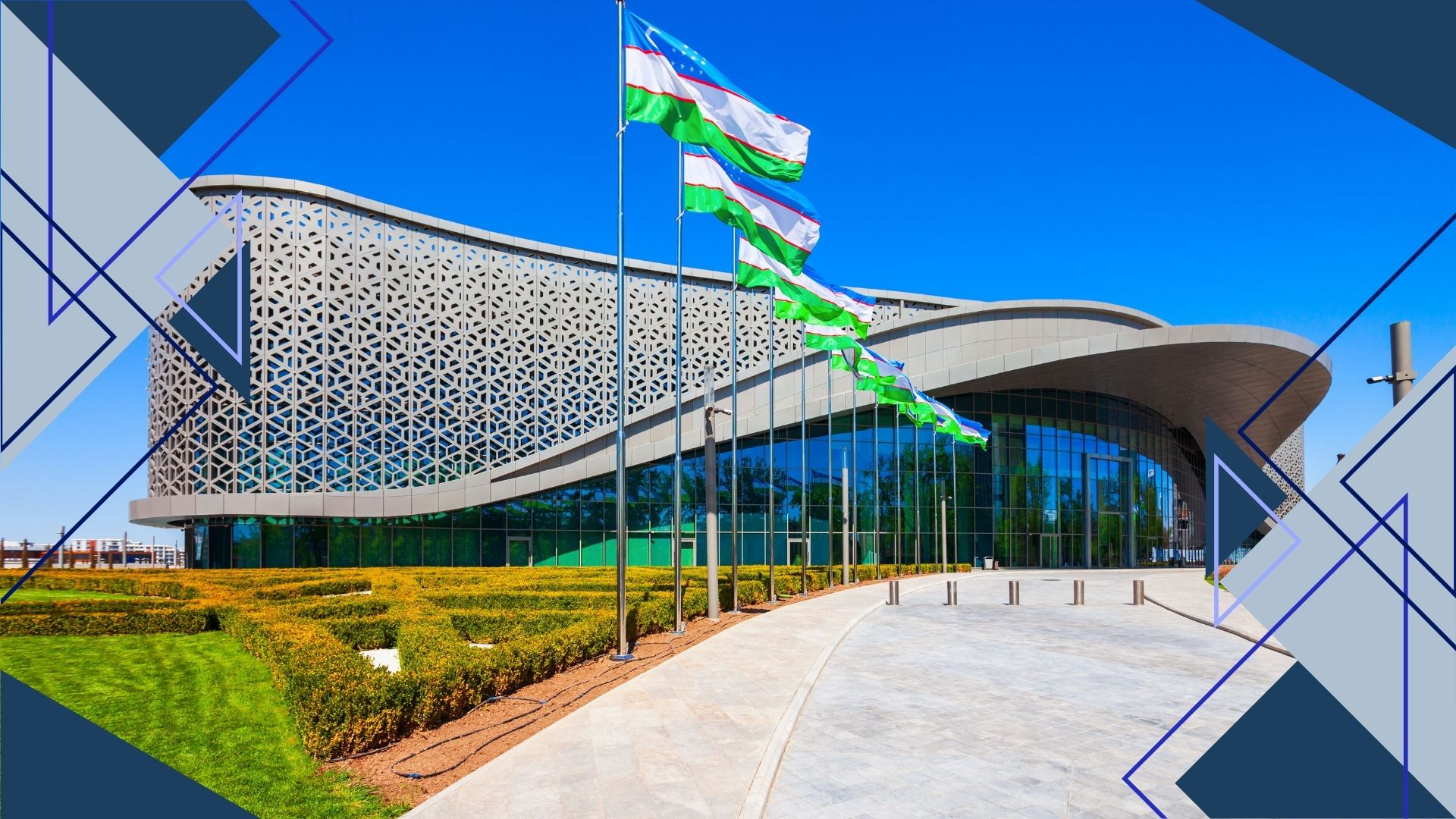
    Uzbekistan’s critical mineral resources have become part of a broader US geoeconomic strategy aimed at reducing dependence on China, according to analysis by the Bloomsbury Intelligence & Security Institute (BISI).

    The recently signed memorandum between Tashkent and Washington coincided with a US-hosted ministerial meeting on critical minerals attended by more than 40 countries. At the same time, Washington announced the launch of two new mechanisms: FORGE (Forum on Resource Geostrategic Engagement) and Project Vault, a $12 billion strategic reserve fund for purchasing and stockpiling critical minerals.

    BISI assesses that the agreement with Uzbekistan fits into a wider network of bilateral partnerships designed to diversify supply chains away from China.

    Uzbekistan holds reserves of tungsten, lithium, vanadium, titanium, germanium and graphite — materials considered essential for defense industries, battery technologies and advanced manufacturing. According to BISI, the country could become a “preferred partner” for the United States within the emerging global raw materials architecture.

    However, analysts caution that diplomatic engagement must translate into tangible investment. Without financing mechanisms through institutions such as EXIM, the US International Development Finance Corporation (DFC), and private capital channels, the memorandum risks remaining largely symbolic.

    China’s role remains a critical variable. While experts consider it unlikely that Beijing will escalate tensions directly, increased commercial competition and diplomatic pressure cannot be ruled out. For Tashkent, this creates the need to position cooperation with Washington as commercial and non-exclusive, preserving existing economic ties with China.

    BISI also highlights potential sensitivities in relations with Russia, which could view deeper US-Uzbek cooperation through a geopolitical lens. Possible pressure points may include migration policy or information campaigns.

    In the short term, attention will focus on defining concrete projects and operational rules under the FORGE platform. Over the longer term, the success of the initiative will depend on Uzbekistan’s regulatory environment — including licensing stability, tax predictability and investor protection.

    Ultimately, these factors will determine whether Uzbekistan becomes an integrated player in a new global minerals system or remains primarily a raw material supplier outside major capital flows.

  • Greenland Resources Secures Expanded Exploration Rights Near Malmbjerg Molybdenum Project

    Greenland Resources Secures Expanded Exploration Rights Near Malmbjerg Molybdenum Project

    Greenland Resources has been granted exclusive exploration rights covering 1,147.76 square kilometres in Greenland’s Semersooq region, significantly expanding its mineral licence footprint surrounding the company’s flagship Malmbjerg molybdenum project.

    The Canadian-listed company said the newly awarded special exploration licence strengthens its position along Greenland’s east coast, giving it what it described as a dominant regional mineral holding adjacent to its existing exploitation licence for molybdenum and magnesium.

    The expansion comes amid growing global demand for molybdenum, a key material used in high-performance steel alloys essential for infrastructure, industrial manufacturing and energy transition technologies. Market forecasts cited by the company indicate global molybdenum demand could increase from approximately 398,000 tonnes in 2024 to around 500,000 tonnes annually by 2034.

    Greenland Resources has already secured downstream market access through a long-term offtake agreement signed last year with Finnish stainless steel producer Outokumpu, under which molybdenum oxide from the Malmbjerg project will be supplied to the European manufacturer.

    According to historical geological data published by the Geological Survey of Denmark and Greenland, rock sampling within the newly licensed area has identified multiple zones with highly anomalous molybdenum concentrations. The company believes these targets could potentially expand the resource base linked to the Malmbjerg development.

    An exploration programme is now being prepared for the concession area, including hyperspectral surveys aimed at refining mineral targeting and assessing resource potential.

    Investor sentiment reacted positively to the announcement, with Greenland Resources shares rising 2.94 percent by the close of trading in Toronto. The company currently holds a market capitalisation of approximately C$235 million.

  • Kazakhstan Centralises 1% R&D Contributions from Subsoil Users Under New 2026 Rules

    Kazakhstan Centralises 1% R&D Contributions from Subsoil Users Under New 2026 Rules

    Kazakhstan has introduced a revised mechanism governing mandatory research and development (R&D) contributions from subsoil users, shifting control over funding allocation to the state and triggering concerns within the mining industry over rising fiscal pressure.

    Although the requirement for subsoil users to allocate 1 percent of revenues toward research and development has long been established under the Code on Subsoil and Subsoil Use, significant changes to its implementation came into force in 2026. Under the updated model, companies are no longer permitted to fulfil R&D obligations independently and must now transfer funds directly to the republican budget in accordance with the Budget Code.

    The Ministry of Industry and Construction stated that the reform aims to improve transparency and centralise funding management. Contribution levels will be calculated based on companies’ actual operational results from the previous year, meaning 2026 payments will reflect 2025 performance indicators. R&D obligations arise from the second year of a mining licence for solid mineral extraction.

    While subsoil users retain the right to propose research programmes, project implementation and financing decisions are now determined by government procedures. The Ministry’s Scientific and Technical Council plays a central role by defining priority research areas, reviewing proposed technical assignments and approving projects before they proceed to competitive selection overseen by the authorised science body.

    Council decisions are adopted through open electronic voting within the National Innovation System’s “Single Window” platform operated via Astana Hub, requiring quorum participation and a two-thirds majority.

    As a result, mining companies no longer directly determine which projects receive funding, with final allocation dependent on state-led approval and budgetary procedures.

    Industry representatives have raised concerns over the practical impact of the reform. Geological and geophysical expert Abzal Kenessary of Qazaq Expert Club noted that while the new rules close a longstanding regulatory gap by establishing clearer financing procedures, the model risks creating structural imbalances.

    According to the expert, subsoil users primarily require applied research in geology, mining, metallurgy and environmental technologies, whereas Astana Hub has traditionally focused on IT startups, digitalisation and fintech initiatives. Businesses are therefore awaiting clarification on project eligibility criteria to ensure R&D funding is not disproportionately directed toward digital projects at the expense of industrial innovation.

    Kenessary added that from a business perspective, the mandatory transfer of 1 percent of annual contract revenue effectively functions as a quasi-tax, representing an additional compulsory payment linked to company income. Companies are likely to factor the obligation into project economics and investment attractiveness assessments.

    Experts suggest the new R&D framework could deliver long-term benefits if several conditions are met, including sector-specific project selection criteria, independent monitoring of technological outcomes rather than financial transfers alone, and structured feedback mechanisms allowing subsoil users to influence priority research areas.

    Without these safeguards, analysts warn the reform risks becoming a redistribution mechanism rather than a driver of technological development in Kazakhstan’s mining sector.

  • UK Launches First Commercial-Scale Lithium Plant in Cornwall to Strengthen Domestic Supply Chain

    UK Launches First Commercial-Scale Lithium Plant in Cornwall to Strengthen Domestic Supply Chain

    The United Kingdom has begun operations at its first commercial-scale lithium production facility, marking a significant step toward securing domestic supplies of critical minerals essential for electric vehicle batteries and energy storage.

    The plant, developed by Geothermal Engineering Ltd (GEL) in Redruth, Cornwall, will initially produce 100 tonnes of lithium annually, sufficient to supply approximately 2,000 electric vehicles. The company plans to expand production to 1,500 tonnes per year within the next few years and ultimately exceed 18,000 tonnes annually over the coming decade through an investment programme estimated at £640 million.

    Lithium extraction at the site relies on geothermal technology, with mineral-rich underground fluids used to recover the metal. GEL has also commissioned the UK’s first geothermal power plant to supply energy to the lithium operation, with surplus electricity to be sold to Octopus Energy.

    The project forms part of a broader push among Western countries to establish domestic critical mineral supply chains amid growing geopolitical concerns. China currently dominates lithium processing, accounting for around 60 percent of global production in 2025 and maintaining strong control over downstream battery supply chains.

    The UK government has set a target of producing 50,000 tonnes of lithium domestically by 2035, although market volatility following a sharp decline in lithium prices has delayed or reshaped several Western projects.

    GEL founder Ryan Law said geothermal integration enables the company to produce lithium competitively, adding that the operation could rival imports from China on cost.

    Other UK-based developers are progressing parallel initiatives. Cornish Lithium continues testing battery-grade lithium hydroxide samples from its demonstration plant and aims to commission a commercial facility by 2029, while Green Lithium has postponed its Teesside refinery start date to around 2029 under a phased development strategy.

    Industry analysts caution that European lithium projects must still prove cost competitiveness against established Asian supply chains. While lithium represents a relatively small share of total EV production costs, experts warn that building a fully Western-based battery supply chain could introduce higher costs at multiple stages.

    Additional challenges remain, including limited European cathode active material manufacturing capacity, which continues to link regional producers to Asian processing networks.

  • European Mining and Utilities Stocks Hit Record Highs, Surpassing 2008 Peaks

    European Mining and Utilities Stocks Hit Record Highs, Surpassing 2008 Peaks

    European mining and utilities stocks reached fresh all-time highs on Wednesday, surpassing their previous peaks set in 2008, in the latest indication that last year’s rally in regional equities is broadening across sectors.

    The  basic resources sector has climbed 25 percent since the start of the year, driven by steadily rising prices for precious and industrial metals. The strong performance nearly matches the sector’s total gain recorded in 2025, reflecting renewed investor appetite for commodity-linked equities.

    At the same time, the  has advanced around 15 percent year to date. Utilities stocks have attracted increased interest as beneficiaries of artificial intelligence-driven demand growth, particularly due to the rising power requirements of data centres. The sector is also seen as part of a broader investor rotation into hard assets.

    Mining and utilities are the second and third European industry groups to break longstanding records this week. Earlier, the regional oil and gas index exceeded its previous high from 2007, underscoring the strength of the current sectoral momentum.

  • Bindi Metals Secures Approval for Maiden Drill Programme at Ravni Gold Project in Serbia

    Bindi Metals Secures Approval for Maiden Drill Programme at Ravni Gold Project in Serbia

    Australian explorer  has received approval from Serbia’s Ministry of Mining and Energy to commence its maiden drill programme at the Ravni high-grade gold project, located in the Raška mining district in southern . The approval remains subject to the completion of land access agreements.

    According to a filing with the Australian Securities Exchange, drilling activities will require agreements covering both privately owned land and government-managed forestry areas. Discussions with landholders and relevant authorities are ongoing and progressing in accordance with local regulatory requirements.

    Earlier this year, Bindi Metals reported high-grade gold and silver rock chip assay results from its mapping programme across multiple prospects at Ravni. Reported values included results of up to 48.7 grams per tonne gold, 22.8 grams per tonne gold, 181 grams per tonne silver, and 12.1 grams per tonne gold, highlighting the project’s exploration potential.

    Exploration at Ravni commenced in November following a binding agreement with Belgrade-based Red Creek, under which Bindi Metals can acquire up to an 80 percent interest in the project.

    The 30 square kilometre Ravni licence area lies within the Western Tethyan Magmatic Belt, a mineral-rich geological zone hosting several significant gold and copper deposits, including the Rogozna project in Serbia and the Vareš deposit in .

    Bindi Metals has already established a footprint in Serbia through the Lisa antimony-gold project and the Mutnica antimony-copper project, both acquired from  in 2024.