Website: Eurasia.com

  • Lindian Resources Reports Progress on сRare Earths Project Ahead of Q4 2026 Production

    Lindian Resources Reports Progress on сRare Earths Project Ahead of Q4 2026 Production

    Lindian Resources Limited has announced significant advancements in the construction and operational readiness of its Kangankunde Rare Earths Project in Malawi, with first production slated for the fourth quarter of 2026. The company is on track for front-end commissioning by late October 2026, with practical completion expected in November 2026. As mining operations ramp up, ore is being mined and stockpiled in preparation for commissioning, while construction of the process plant and tailings storage facility (TSF) is progressing rapidly.

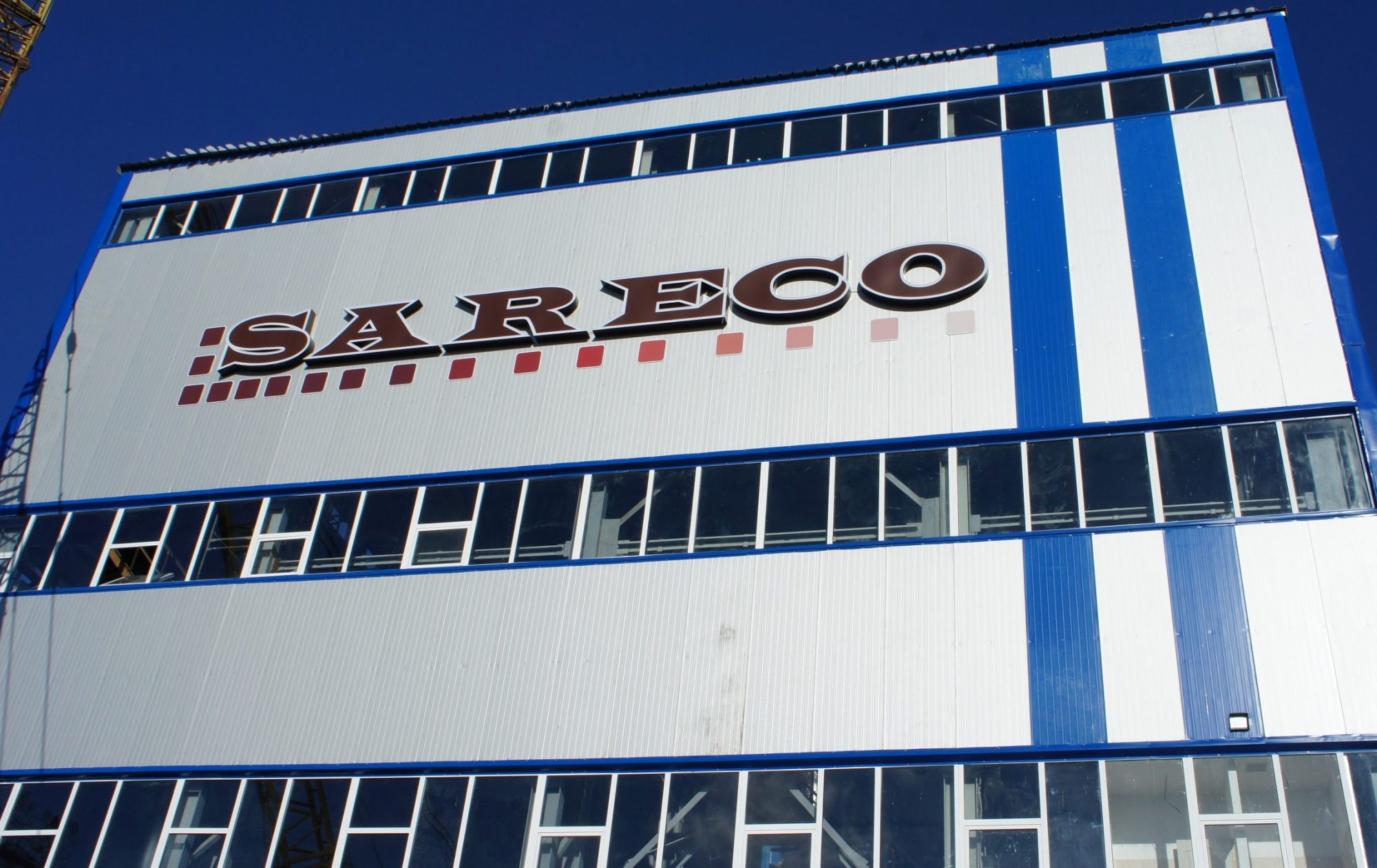
    The company is concurrently enhancing its operational capabilities across multiple regions, including Kazakhstan, Singapore, and Perth, to support the Kangankunde project and its recently acquired SARECO MREC Processing Facility in Kazakhstan. Lindian’s Executive Director, Zac Komur, highlighted the importance of this phase, noting that construction, mining, and operational readiness are advancing together, which is crucial for a smooth transition to production.

    Key infrastructure developments include the completion of the first phase of a 33kV powerline and ongoing water supply infrastructure enhancements, both critical for the commissioning of the process plant. The construction of the TSF is also on schedule, with civil works advancing towards completion by the end of October 2026.

    In addition to the project’s physical advancements, Lindian is focused on building its operational team, with key personnel being recruited and transferred to ensure a skilled workforce is in place for the upcoming production phase. The company is also expanding its corporate and operational support capabilities in Perth, further strengthening its position as it moves towards production.

    Overall, Lindian Resources is making significant strides in its efforts to establish the Kangankunde Rare Earths Project as a key player in the global rare earth supply chain, with the potential for substantial production capacity and strategic partnerships enhancing its market position.

  • Vast Resources Completes Reverse Takeover of Gulf International Minerals and Re-Admission to AIM

    Vast Resources Completes Reverse Takeover of Gulf International Minerals and Re-Admission to AIM

    Vast Resources plc, a mining and resource development company listed on AIM, has successfully completed a reverse takeover of Gulf International Minerals Limited. This strategic move marks a significant milestone for Vast, as it enhances its portfolio of producing and development-stage projects in Tajikistan and Romania. The completion of the reverse takeover was announced following the passing of all resolutions at a General Meeting held on 18 August 2026, with the re-admission of the company’s enlarged ordinary share capital to trading on AIM set for 19 August 2026.

    As part of the acquisition, Vast has acquired a 49% beneficial interest in the Aprelevka Joint Venture, which operates four active mining licences along the Tien Shan Gold Belt in northern Tajikistan. This venture is expected to yield approximately 11,000 ounces of gold and 130,000 ounces of silver annually from mined ore and tailings. The company has also raised around £7.5 million through a placing and subscription, alongside an oversubscribed retail offer, to fund creditor settlements, professional fees related to the takeover, and the technical development of the Aprelevka assets.

    In addition to the reverse takeover, Vast has undergone a share consolidation, with every 25 existing ordinary shares consolidated into one new ordinary share. Following this, the company will have approximately 1.65 billion ordinary shares in issue.

    Vast Resources has also announced a drilling campaign in Tajikistan aimed at establishing a maiden JORC-compliant resource for the Aprelevka assets. CEO Andrew Prelea expressed optimism about the company’s future, highlighting the potential for growth and the commitment to responsible mining practices in collaboration with the Government of Tajikistan. The company is also exploring opportunities in the broader Central Asian region and plans to restart operations at its Romanian assets, ensuring continued growth.

    This development is seen as a pivotal moment for Vast Resources, positioning the company for future success as it aims to become a profitable mid-tier mining entity with a focus on sustainable practices and operational efficiency.

  • Kazakhstan’s Ministry of Ecology Implements AI and Digital Management System

    Kazakhstan’s Ministry of Ecology Implements AI and Digital Management System

    The Ministry of Ecology and Natural Resources of Kazakhstan is undergoing a comprehensive digital transformation aimed at streamlining the management of environmental processes. This initiative marks a significant shift from fragmented information systems to a unified digital management framework. Currently, 15 out of 29 process groups have been fully digitised, while an additional eight are partially digitised. According to the architecture of the digital government, 71% of sectoral data is now available in digital format.

    The next phase of this transformation will focus on reengineering the remaining processes, consolidating data, and integrating artificial intelligence tools. This strategic move is expected to facilitate a transition from reactive responses to environmental violations towards a proactive approach in identifying ecological risks. Furthermore, it aims to enhance the transparency of waste management, improve the efficiency of environmental monitoring, and increase the responsiveness to natural threats.

    This digital overhaul is not only a step towards modernising Kazakhstan’s ecological governance but also aligns with global trends in leveraging technology for sustainable development. By adopting advanced digital solutions, the Ministry seeks to bolster its capability in managing environmental challenges effectively and responsibly, ensuring a healthier ecosystem for future generations.

  • Kazakhstan’s Strategic Balancing Act in the Global Uranium Market

    Kazakhstan’s Strategic Balancing Act in the Global Uranium Market

    Kazakhstan is navigating a complex geopolitical landscape in the global uranium market, which has seen significant shifts due to rising demand for green energy and geopolitical tensions. As the country accounts for nearly 40% of the world’s uranium supply, its strategic decisions are under scrutiny. Political analyst Komron Rahimov discusses the delicate balance Kazakhstan is attempting to maintain between asserting control over its resources and engaging with Russian state corporation Rosatom.

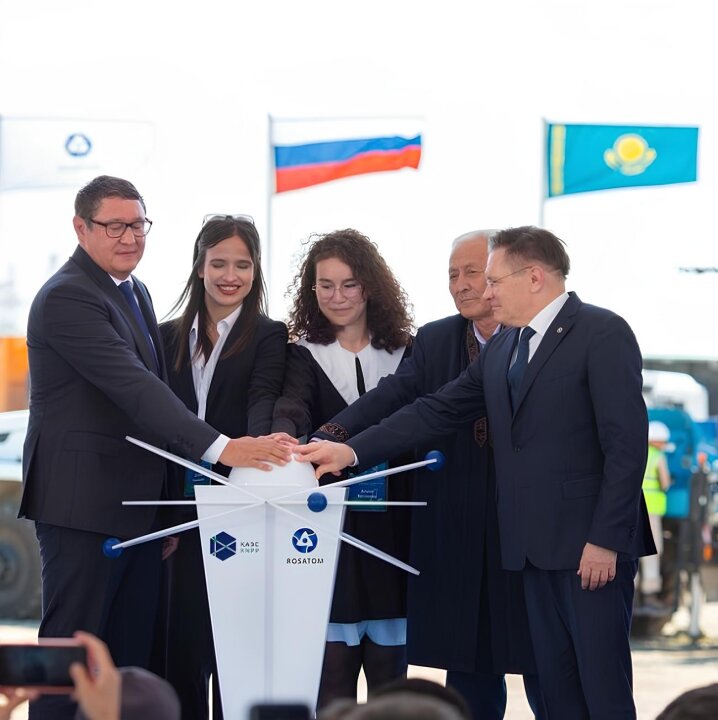
    In recent developments, Kazakhstan has unilaterally reclaimed control over the Akdala uranium deposit from Rosatom while simultaneously awarding the construction of its first nuclear power plant, the Balkhash Nuclear Power Plant, to the Russian corporation. This dual approach raises questions about whether Kazakhstan is losing control over its resources or if it is executing a calculated strategy to enhance its sovereignty. Rahimov argues that the current dynamics reflect a nuanced compromise rather than a straightforward expansion by Rosatom.

    Kazakhstan’s recent amendments to its subsoil code require that up to 90% of uranium contract renewals be allocated to the state-owned Kazatomprom, reinforcing the country’s commitment to reclaiming its natural resources. This shift has already resulted in the loss of Rosatom’s control over the Akdala deposit, which transitioned entirely to Kazakh ownership in March 2026.

    Despite these gains, Kazakhstan’s relationship with Russia remains significant, particularly in high-tech sectors. The agreement for the Balkhash Nuclear Power Plant, valued at over $14 billion, sees Russia financing 85% of the project, ensuring its technological influence in the region. This dependency on Russian expertise and nuclear fuel could pose long-term challenges for Kazakhstan’s energy independence.

    Rahimov highlights that while Kazakhstan is enhancing its economic sovereignty by reclaiming resources, it is also entering a strategic alliance with Russia that could bind it to Russian technology and services for decades. The construction of the Balkhash plant is expected to take around ten years, further solidifying Russia’s presence in Kazakhstan’s energy sector.

    The geopolitical landscape is further complicated by sanctions against Rosatom from the United States, which could impact Kazakhstan’s access to Western financial markets. However, Kazakhstan is actively diversifying its uranium export routes, with China emerging as a significant buyer, accounting for 44% of its revenue. The development of the Trans-Caspian route aims to mitigate risks associated with reliance on Russian supply chains, although its capacity limitations present challenges.

    In conclusion, Kazakhstan’s multi-faceted strategy reflects a sophisticated balancing act between asserting its resource sovereignty and maintaining essential partnerships. The country is poised to navigate a complex geopolitical environment while striving to secure its long-term interests in the uranium market.


  • Kyrgyzaltyn Secures Exploration Rights for Iron and Titanium at Bala-Chichkan Deposit

    Kyrgyzaltyn Secures Exploration Rights for Iron and Titanium at Bala-Chichkan Deposit

    Kyrgyzaltyn OJSC has been officially granted the rights to conduct geological exploration for iron, titanium, and vanadium at the Bala-Chichkan deposit, following a resolution signed by the Chairman of the Cabinet of Ministers, Adylbek Kasymaliev. This development marks a significant step in the exploration of mineral resources in Kyrgyzstan, particularly in the Talas region, where the deposit is located.

    The Bala-Chichkan area spans approximately 4,361 hectares and is estimated to contain around 1 million tons of iron reserves. This discovery could potentially enhance the country’s mining sector and contribute to the local economy. The exploration rights are part of a broader initiative to tap into Kyrgyzstan’s rich mineral resources, which have remained underutilised for years.

    Before commencing exploration activities, Kyrgyzaltyn is required to consult with the relevant state authority responsible for cultural heritage to ensure that no historical or cultural sites are affected by the exploration. This precaution underscores the importance of balancing economic development with the preservation of cultural heritage in the region.

    The granting of these rights is expected to attract further investment into Kyrgyzstan’s mining industry, which has been identified as a key area for economic growth. As the country seeks to modernise its mining practices and increase production, the focus on sustainable and responsible exploration will be crucial in ensuring long-term benefits for the local communities and the environment.

  • New Uranium Complex Launched at Zhalpak Mine in Kazakhstan

    New Uranium Complex Launched at Zhalpak Mine in Kazakhstan

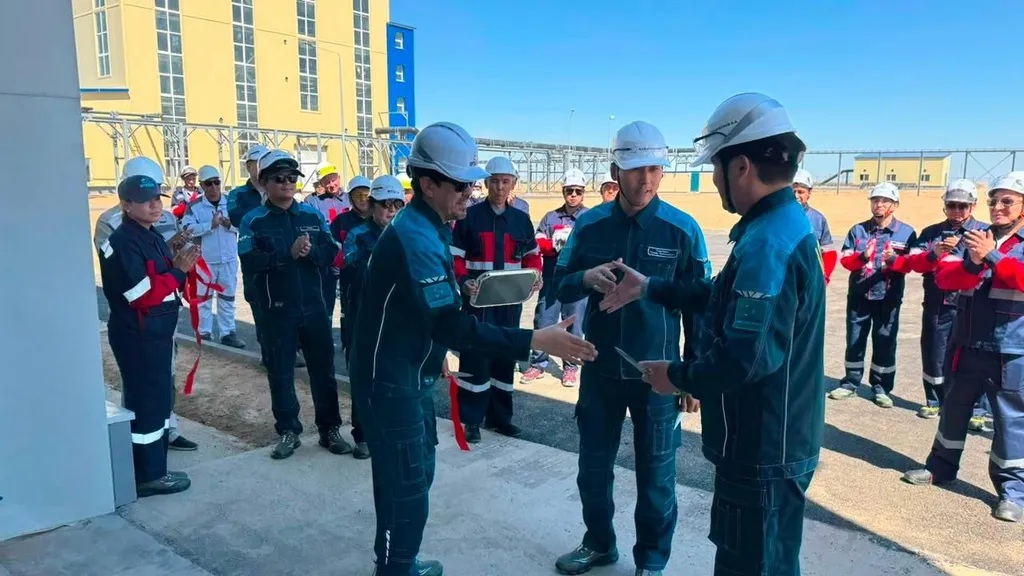
    The mining company ‘Ortalyk’ has officially launched a new uranium processing complex at the Zhalpak mine, with an initial capacity of 500 tonnes of uranium per year. This development is part of a broader project aimed at enhancing the production infrastructure, ultimately targeting a project capacity of 900 tonnes annually.

    Gumar Sergazin, Deputy Chairman of the Atomic Energy Agency, highlighted the significance of developing uranium mining enterprises and exploring new deposits to strengthen Kazakhstan’s mineral resource base. He expressed confidence that this new phase of the Zhalpak mine’s development will not only boost the company’s production capabilities but also contribute to the growth of the nuclear sector in Kazakhstan. Additionally, it was reported that Kazatomprom has added six new promising uranium sites to its portfolio, indicating a strategic move towards expanding the country’s uranium mining operations. This initiative aligns with Kazakhstan’s goals to enhance its position in the global uranium market, given its status as one of the leading producers of uranium worldwide.

  • Shugyla Gold to Commence Gold Production at Akdingek Deposit in 2027

    Shugyla Gold to Commence Gold Production at Akdingek Deposit in 2027

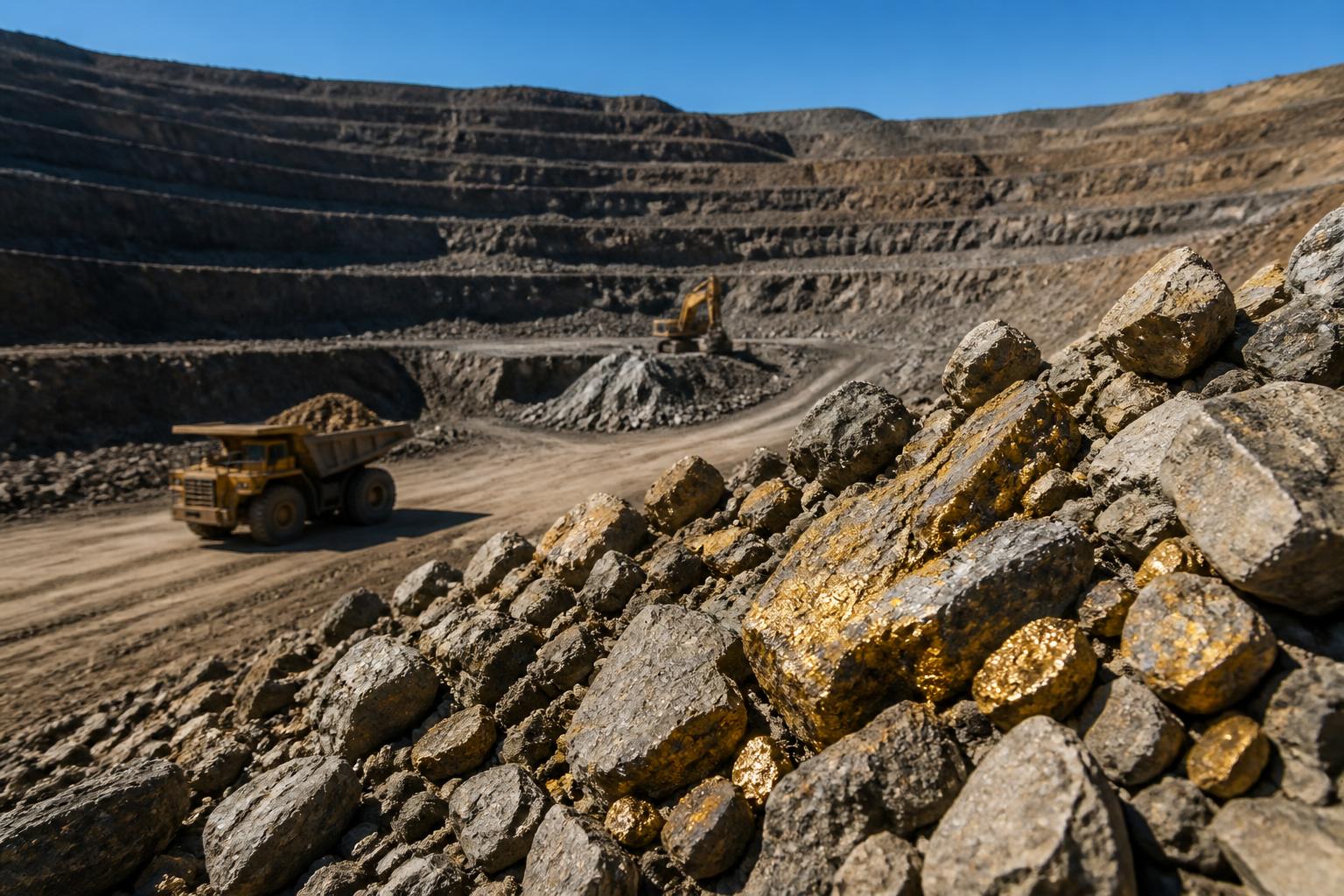
    Shugyla Gold LLP is set to begin gold extraction at the Akdingek deposit in the Zharminsky district of the Abai region, with production slated to start in 2027. The company plans to extract 100,000 tonnes of gold-bearing ore annually, utilising open-pit mining techniques and employing blasting operations. The mine is expected to operate for five years, from 2027 to 2031, with a daily production capacity of 137 tonnes.

    The geological structure of the Akdingek deposit allows for open-pit mining to a depth of 40 metres. While the specific gold content in the ore has not been disclosed, the project documentation indicates that mining operations will be conducted in shifts, with a continuous work schedule throughout the year. The site will be powered by a diesel-electric station.

    In January 2025, Shugyla Gold announced plans to extract placer gold from the valleys of the Büyük and Colorado rivers, also located in the Zharminsky district. This area is part of the Boko-Vasilyevsky ore field, with confirmed reserves estimated at 905,100 cubic metres of ore, containing 202.4 tonnes of pure gold at an average concentration of 0.224 grams per cubic metre.

    The company aims to mine 392,700 cubic metres of ore from this site between 2026 and 2028. However, financial reports for 2024 indicate that Shugyla Gold incurred a loss of 4.8 billion tenge, a significant increase from a loss of 200.1 million tenge in 2023. Despite these losses, the company reported its first revenue of 281.1 million tenge in 2024, marking a shift from its previous focus solely on mineral exploration.

    Shugyla Gold is owned by Shugyla Kent LLP, both of which are registered at the same address in the Akzhal village of the Zharminsky district. Shugyla Kent also owns KST Production, based in Ust-Kamenogorsk, which is managed by Tazlime Sarsebaeva and Abzal Nuriyev.


  • Qarmet Recycling Launches Aluminium and Metal Recovery Plant in Kazakhstan

    Qarmet Recycling Launches Aluminium and Metal Recovery Plant in Kazakhstan

    Qarmet Recycling, formerly known as Recycling Company, has unveiled plans for a new facility aimed at recycling metals, including aluminium, from old vehicles. Located in the village of Doskey in the Bukhar-Jyrau district of the Karaganda region, the plant is part of Kazakhstan’s industrial and innovative development programme. The facility, which was established on June 15, 2016, has recently undergone ownership changes and is now under the management of Qarmet, which acquired the property in 2024.

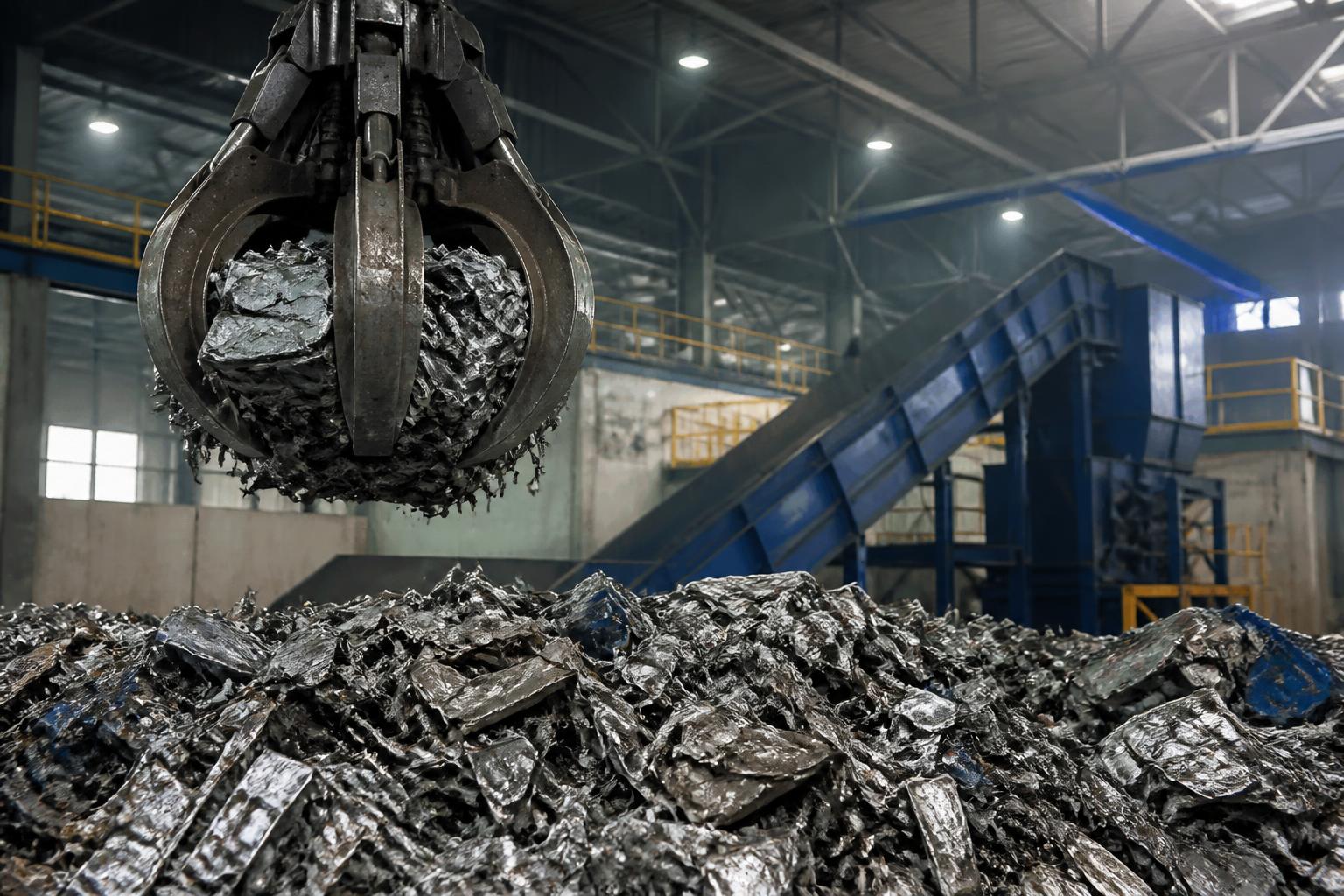
    The primary operations of the plant involve the production of cast iron, steel, aluminium, and non-ferrous metal alloys from scrap materials derived from decommissioned vehicles, special machinery, and agricultural equipment. The recycling process includes melting metals and converting waste oils into fuel and gas, as well as processing hydrocarbon-containing waste, such as used tyres, into usable energy sources. This shift in focus comes as the company adapts to new emission standards that were revised following changes in ownership and operational scope.

    With an annual processing capacity of up to 80,000 tonnes of end-of-life vehicles (ELVs), the plant is expected to yield approximately 63,750 tonnes of ferrous scrap and 16,250 tonnes of other materials annually. The facility sources its raw materials through a tendering process involving both individuals and legal entities. However, the actual volume of recycling and the specific client list are contingent upon the outcomes of these competitive procedures.

    In addition to vehicle recycling, the plant has the capability to process up to 14,000 tonnes of oil-containing waste per year, including 7,000 tonnes of used oils and lubricants from its pyrolysis facilities. The facility also handles solid hydrocarbon waste, such as tyres, with a processing capacity of up to 9,000 tonnes annually. The output from these operations includes up to 6,000 tonnes of liquid pyrolysis fuel and between 3,500 to 4,500 tonnes of fuel oil each year, along with 600,000 cubic metres of fuel gas.

    Before recycling, vehicles undergo a preparation process where oils and technical fluids are removed. The vehicles are then compressed into briquettes, which are sorted and processed into different categories of metals and other materials. The plant features advanced shredding and melting equipment, including two induction furnaces capable of producing 2,000 tonnes of metal annually. The melted metal is then cast into moulds for further use.

    Qarmet Recycling is part of the Qarmet group, owned by entrepreneur Andrei Lavrentev, who ranks 11th on Forbes’ list of Kazakhstan’s wealthiest individuals, with a net worth of $877 million.


  • Uzbekistan Accelerates Geological Sector Transformation Through Digitalisation

    Uzbekistan Accelerates Geological Sector Transformation Through Digitalisation

    Uzbekistan is embarking on a significant transformation of its geological sector, aiming to attract up to $30 billion in investments by 2030 through the implementation of digital solutions and artificial intelligence. President Shavkat Mirziyoyev recently presented an ambitious plan to modernise the mining and geological industries, highlighting the need for a comprehensive national geological database to enhance global investor interest in new projects. Currently, Uzbekistan lacks a unified geological data platform, unlike Kazakhstan, which has had its Unified Subsoil Use Platform operational since 2025. The establishment of a digital geological map is deemed essential, as it will integrate historical data with current information, thereby improving the attractiveness of Uzbekistan’s geological resources to international investors.

    To facilitate this transformation, Uzbekistan plans to digitise over 36,000 reports and other information sources stored in various formats. This process is expected to take several years, drawing on the experiences of Russia and Kazakhstan, which have already undertaken similar initiatives. The new Centre for Technological Transformation will oversee the digitisation efforts, which will include compiling geological maps, drilling data, laboratory results, and production indicators into a single electronic database. Such a consolidation is anticipated to enhance the efficiency of discovering new mineral deposits.

    The government’s strategy includes leveraging artificial intelligence to expedite the analysis of geological data, improve resource estimation, and enhance drilling operations. Specific targets have been set, including a 10% reduction in the cost of geological exploration and a doubling of the speed at which new deposits are identified. Additionally, the number of investment proposals is expected to quadruple as a result of these digital advancements.

    Currently, only 40% of Uzbekistan’s mineral resources have been explored, but the government is keen to increase this figure significantly. By 2030, the country aims to boost its reserves of gold, silver, and copper substantially. Uzbekistan is home to over 30 types of critical minerals and is actively pursuing 76 investment projects worth approximately €2.4 billion. However, further exploration is necessary for some deposits, particularly for rare earth metals and uranium.

    The government has outlined plans for 44 projects between 2026 and 2030 that will incorporate artificial intelligence and machine learning in geological activities, focusing on six key mining enterprises. These projects aim not only to automate production processes but also to enhance geological exploration through digital transformation. The use of advanced technologies, including digital geological modelling, is already being implemented by major companies like the Navoi Mining & Metallurgy Combinat.

    Furthermore, Uzbekistan is working on a geospatial monitoring system to ensure transparency and accountability in the mining sector. This system will require all mining operators to submit their reports in a machine-readable format, facilitating quicker and more accurate verification of compliance with regulations. The geospatial monitoring initiative aims to prevent illegal activities and ensure adherence to environmental standards, using aerial and satellite technology to monitor mining operations effectively. As of June 2026, information on over 2,000 mineral deposits has already been integrated into this new system, marking a significant step towards a more modern and efficient geological sector in Uzbekistan.


  • “Can responsible mining truly exist? How IRMA shows the way forward” [Cecilia Mattea, RM#9]

    “Can responsible mining truly exist? How IRMA shows the way forward” [Cecilia Mattea, RM#9]


    As the global energy transition accelerates, so does the demand for critical raw materials. But this raises a fundamental question: can responsible mining truly exist? In this episode of RAW MATTERS, host Peter Tom Jones and co-host Julia Poliscanova are joined by Cecilia Mattea (IRMA) to unpack one of the most pressing dilemmas of the energy transition.

    🎯 What you’ll learn in this episode:

    • Why more mining is unavoidable – even under the most optimistic circular economy scenarios

    • What “responsible mining” actually means in practice – beyond slogans and green claims

    • How IRMA works as a global standard for environmental, social and governance (ESG) performance (examples covered: Imerys’ EMILI project in France; Eramet in Senegal; AngloAmerican in South Africa, Brazil, Peru and Chile; Novandino in Chile]

    • Why third-party audits and scoring systems matter for building trust across supply chains

    • The true cost of responsible mining – and why it is surprisingly small compared to total project investments

    • Europe’s mining paradox (“The elephant in the room”): ambitious policy goals vs. strong local resistance to new projects

    • Whether Europe is outsourcing environmental and social impacts through continued reliance on imports

    • How to balance urgency and legitimacy – fast-tracking projects vs. meaningful community engagement (including FPIC)

    • What recent Nordic debates reveal about (reindeer-herding Sami) tensions between speed, scale, and social acceptance

    • The growing role of EU policy and due diligence, including the Battery Regulation and corporate sustainability frameworks

    • Why responsible mining is central to the credibility of the energy transition itself

    🎙️ Why this episode mattersWithout trust, transparency and accountability, the mining projects needed to decarbonise our economies may simply not happen.

    🎧 RAW MATTERS is your go-to podcast on the geopolitics, sustainability and future of critical raw materials.

    Follow us on YouTube, Apple, Spotify and LinkedIn.