Website: Eurasia.com

  • The North Shuak gold deposit will be developed in the south of Kazakhstan

    The North Shuak gold deposit will be developed in the south of Kazakhstan

    The company Appak Minerals intends to put the North Shuak gold deposit in the Moiynkum district of the Zhambyl region into industrial operation. The plan for mining operations by the subsoil user was found on Kazakhstan’s Unified Environmental Portal.

    The North Shuak reserves were registered with the state in January 2023. The gold-bearing ore reserves were categorized as follows: proven reserves – 438 thousand tons (826 kg of precious metal with an average grade of 1.88 g/t), probable reserves – 288 thousand tons (533 kg of precious metal with an average grade of 1.85 g/t), inferred reserves – 162 thousand tons (323 kg of precious metal with an average grade of 1.99 g/t).

    Appak Minerals has not specified the year it will commence quarrying. It is only known that the mining plan is calculated for six years. The productivity of the future enterprise has been determined at 150 thousand tons of ore per year.

    For the project, the optimal processing technology has been selected – flotation enrichment. Concentrates with gold content of up to 43.6 g/t will be obtained at the flotation plant, with precious metal extraction rates of 90-92%.

  • На юге РК освоят золоторудное месторождение Северный Шуак

    На юге РК освоят золоторудное месторождение Северный Шуак

    Компания Appak Minerals хочет запустить в промышленную эксплуатацию золоторудное месторождение Северный Шуак в Мойынкумском районе Жамбылской области. План горных работ недропользователя мы нашли на Едином экологическом портале Казахстана.

    В 6 км от участка находится действующий золотой актив «Алтыналмаса» — Акбакай. Оба месторождения принадлежат к Акбакайскому рудному району.

    Запасы Северного Шуака приняли на госучёт в январе 2023 года. Запасы золотосодержащих руд разделили по категориям следующим образом: доказанные — 438 тыс. т (826 кг драгметалла со средним содержанием 1,88 г/т), вероятные — 288 тыс. т (533 кг драгметалла со средним содержанием 1,85 г/т), предполагаемые — 162 тыс. т (323 кг драгметалла со средним содержанием 1,99 г/т).

    Appak Minerals не указывает, в каком году приступит к отработке карьера. Известно лишь, что план горных работ рассчитали на шесть лет. Производительность будущего предприятия определили на уровне 150 тыс. т руды в год.

    Для проекта подобрали оптимальную технологию переработки — флотационное обогащение. На ОФ будут получать концентраты с содержанием золота до 43,6 г/т при извлечении драгметалла в 90–92%.

  • Rio Tinto CEO bullish on lithium but not eyeing big acquisitions

    Rio Tinto CEO bullish on lithium but not eyeing big acquisitions

    Rio Tinto’s CEO, Jakob Stausholm, expressed optimism about the future of lithium, highlighting its continued growth driven by the increasing adoption of electric vehicles (EVs). However, he cautioned that lithium prices are expected to remain volatile.

    Despite the potential in the lithium market, Stausholm stated that Rio Tinto has no plans for significant acquisitions to expand its lithium business. Instead, the company intends to focus on enhancing lithium extraction technology.

    While other major mining firms like BHP have stayed away from investing in lithium, Rio Tinto remains committed to the mineral. Stausholm emphasized the importance of additional battery capacity not only for EVs but also for stationary batteries, which will further drive the demand for lithium.

    Rio Tinto is actively developing the Rincon project, a lithium-brine mine located in Argentina. The company aims to establish a battery-grade lithium carbonate plant with an annual capacity of 3,000 tonnes at this site, with production slated to commence by the end of 2024.

    Despite challenges such as the dispute surrounding the Jadar lithium project in Serbia, where the license was revoked in 2022 due to environmental concerns, Rio Tinto maintains its focus on lithium ventures.

    Stausholm also addressed inflation concerns, suggesting that inflation in Western countries is expected to moderate in the coming year, which could help stabilize costs for companies operating in the sector.

  • How much gold does the UK own compared to other countries?

    How much gold does the UK own compared to other countries?

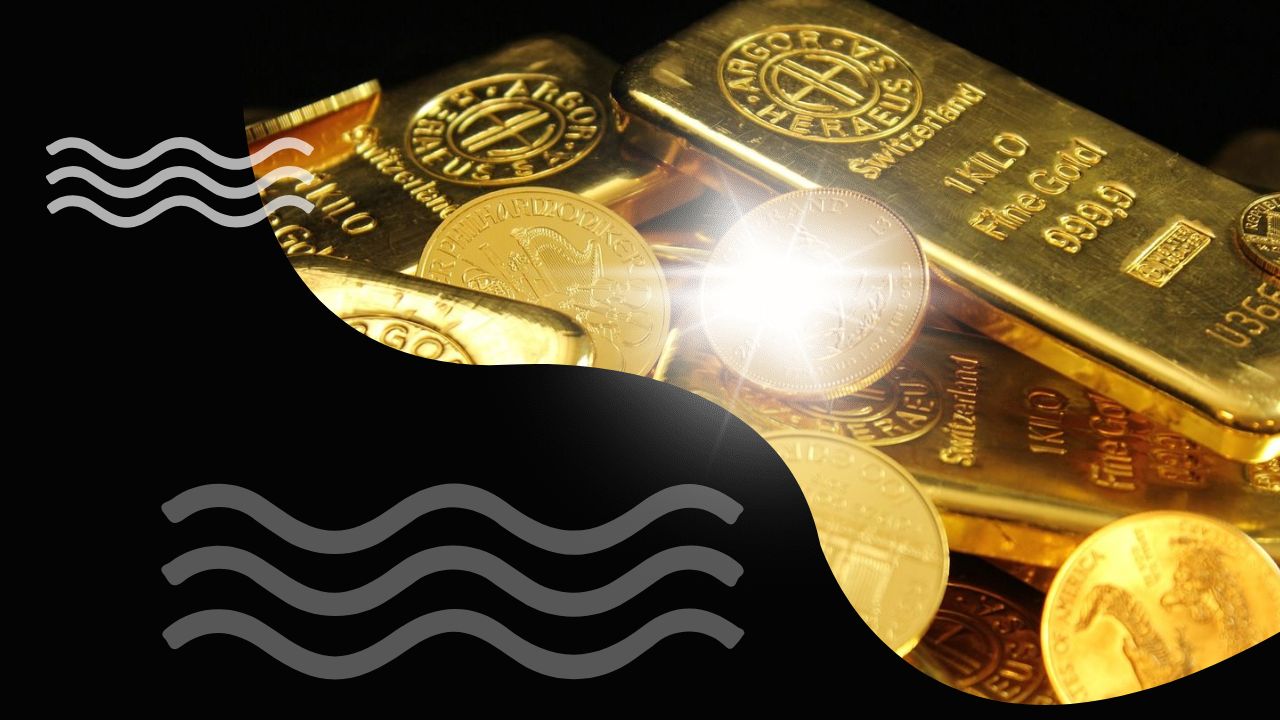
    Several countries around the world are stockpiling gold as a strategic reserve. Here’s a rundown of some of the key players and the amount of gold they hold:

    1. USA: The United States leads the pack with a massive 8,133.46 tonnes of gold bullion, stored in various depositories across the country, including the famous Fort Knox.

    2. Germany: Coming in second, Germany holds 3,352.65 tonnes of gold. Concerns during the Cold War led Germany to spread its gold reserves globally, with a significant portion repatriated in recent years.

    3. Italy: Italy holds slightly more gold than France, with 2,451.84 tonnes stored in vaults in Rome and abroad, managed by the Banca d’Italia.

    4. France: France has stockpiled 2,436.97 tonnes of gold, acquired largely during the 1950s and 1960s. Most of its reserves are held in vaults under the Banque de France in Paris.

    5. Russia: Russia has been aggressively increasing its gold reserves, currently holding 2,332.74 tonnes. This move is seen as a strategic effort to reduce reliance on the US dollar.

    6. China: China boasts 2,235.39 tonnes of gold, making it the world’s largest gold producer and a significant importer as well. The country’s reserves have been steadily increasing over the years.

    7. Switzerland: Switzerland holds 1,040 tonnes of gold, with the majority stored at home. The country’s reputation for financial stability has made it a preferred location for storing gold.

    These countries, among others, view gold as a valuable asset for diversifying their reserves and protecting against economic uncertainty.

  • Presentation on the launch of the Budgeting system on the 1C: ERP platform

    Presentation on the launch of the Budgeting system on the 1C: ERP platform

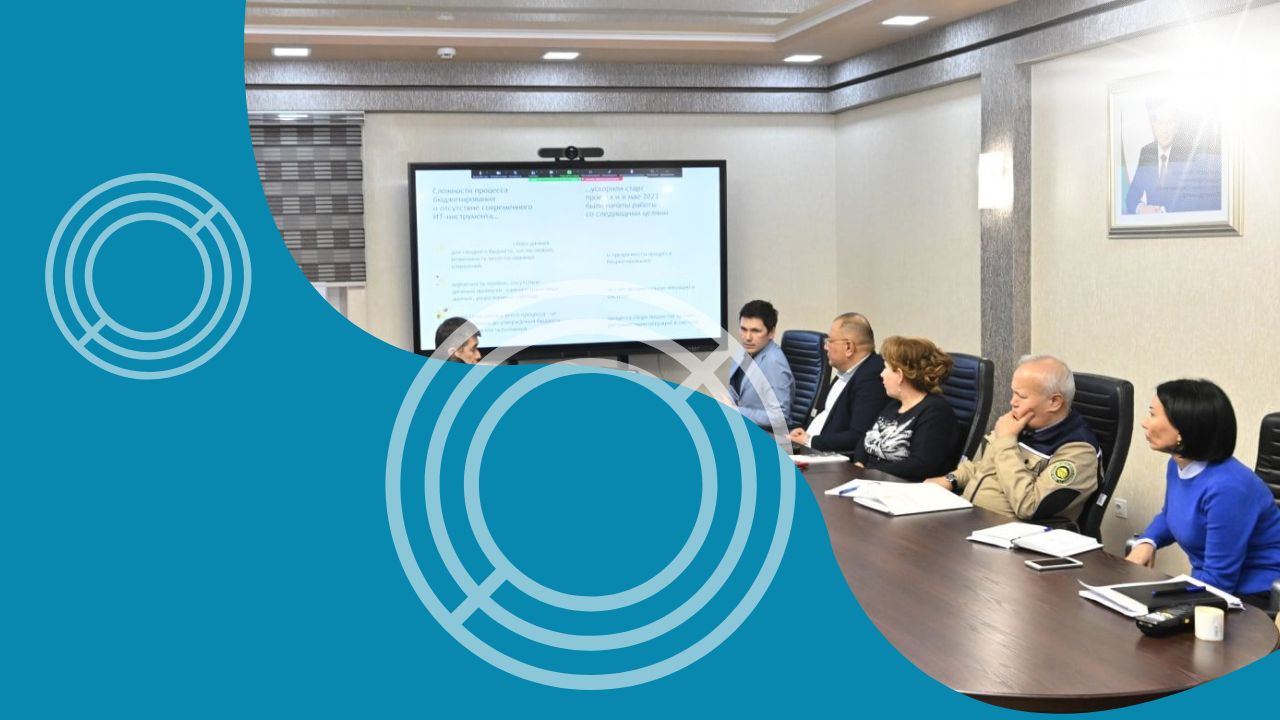
    As part of the Digital Transformation Program being implemented at Navoi Gold, a presentation on the launch of the budgeting functional system on the 1C: ERP platform was made.

    With the launch of the new system it is planned to perform the budgeting process more efficiently – from budgeting to its execution and evaluation. The system provides many advantages in comparison with the process of using Excel tables. Currently, 13 units of the company are already connected to the system and more than 150 budget forms and reports have been automated.

    Steps for further development of the budgeting system are planned for the period 2024-2025. These include integration with existing 1C accounting systems, cost limitation, and development of management reporting.

  • Партнерство на пересечении наук: Встреча Каната Шарлапаева с Директором U.S. Geological Survey

    Партнерство на пересечении наук: Встреча Каната Шарлапаева с Директором U.S. Geological Survey

    В рамках продолжения укрепления двусторонних отношений между Казахстаном и Соединенными Штатами Америки, Министр промышленности и строительства Республики Казахстан, Канат Шарлапаев, провел встречу с Директором Геологического управления США (U.S. Geological Survey), Дэвидом Эпплгейтом.

    Этот визит отмечает значительный шаг в развитии сотрудничества между двумя странами в области геологии, что имеет стратегическое значение для промышленного развития Казахстана, особенно в сегменте добычи критически важных минералов.

    В ходе встречи обсуждались перспективы сотрудничества в области исследований. Особый акцент был сделан на возможности использования передовых технологий и методик Геологического управления США для повышения эффективности казахстанских геологических исследований и разработок.

    «Хочу также заметить, что между нашими странами исторически уже налажены тесные торговые связи, в том числе в сфере критических минералов. Мы являемся обладателями уникальных компетенций по выпуску ряда редких и редкоземельных металлов», – отметил Министр.

    Также Канат Шарлапаев подчеркнул значимость и возможности расширения существующего сотрудничества, особенно в контексте разведки и освоения месторождений критически важных минералов в Казахстане, 17 из 50 видов которых определяется Геологической службой США.

    Ключевыми направлениями будущего сотрудничества станут привлечение инвестиций в развитие геологоразведки, добычу и переработку редких и редкоземельных металлов, а также интеграция Казахстана в мировую цепочку добавленной стоимости через передовые технологии и знания.

    Эта встреча открывает новые горизонты для дальнейшего развития и углубления промышленных и научных связей между Казахстаном и США, подтверждая стремление к совместному изучению и использованию природных ресурсов в интересах обеих стран.

  • Partnership at the intersection of sciences: Kanat Sharlapaev’s meeting with the Director of the U.S. Geological Survey

    Partnership at the intersection of sciences: Kanat Sharlapaev’s meeting with the Director of the U.S. Geological Survey

    In the continuing effort to bolster bilateral relations between Kazakhstan and the United States of America, Kanat Sharlapaev, the Kazakh Minister of industry and construction, conducted a meeting with David Applegate, the Director of the U.S. Geological Survey.

    This visit signifies a considerable advancement in the collaborative efforts between the two nations in geology, a field of strategic significance for Kazakhstan’s industrial progression, particularly in the extraction of critical minerals.

    The discussion during the meeting focused on the prospects for cooperation in research. A particular focus was placed on the potential use of the U.S. Geological Survey’s advanced technologies and methodologies to improve the efficiency of Kazakhstani geological research and development projects.

    «I also want to highlight that our countries have historically established close trade relationships, including in the realm of critical minerals. We have unique capabilities in producing a range of rare and rare-earth metals», noted the Minister.

    Moreover, Kanat Sharlapaev emphasized the importance and potential for expanding the existing cooperation, especially in the exploration and development of critical mineral deposits in Kazakhstan, 17 out of 50 types of which are identified by the U.S. Geological Survey as crucial.

    The key directions for future collaboration will involve attracting investment in geological exploration, mining, and processing of rare and rare-earth metals, as well as facilitating Kazakhstan’s integration into the global value chain through cutting-edge technologies and expertise.

    This meeting paves new avenues for further development and deepening of industrial and scientific ties between Kazakhstan and the USA, affirming a mutual interest in joint exploration and utilization of natural resources for the benefit of both countries.

  • Introducing the 2024 BHP Xplor Cohort | East Star Resources

    Introducing the 2024 BHP Xplor Cohort | East Star Resources

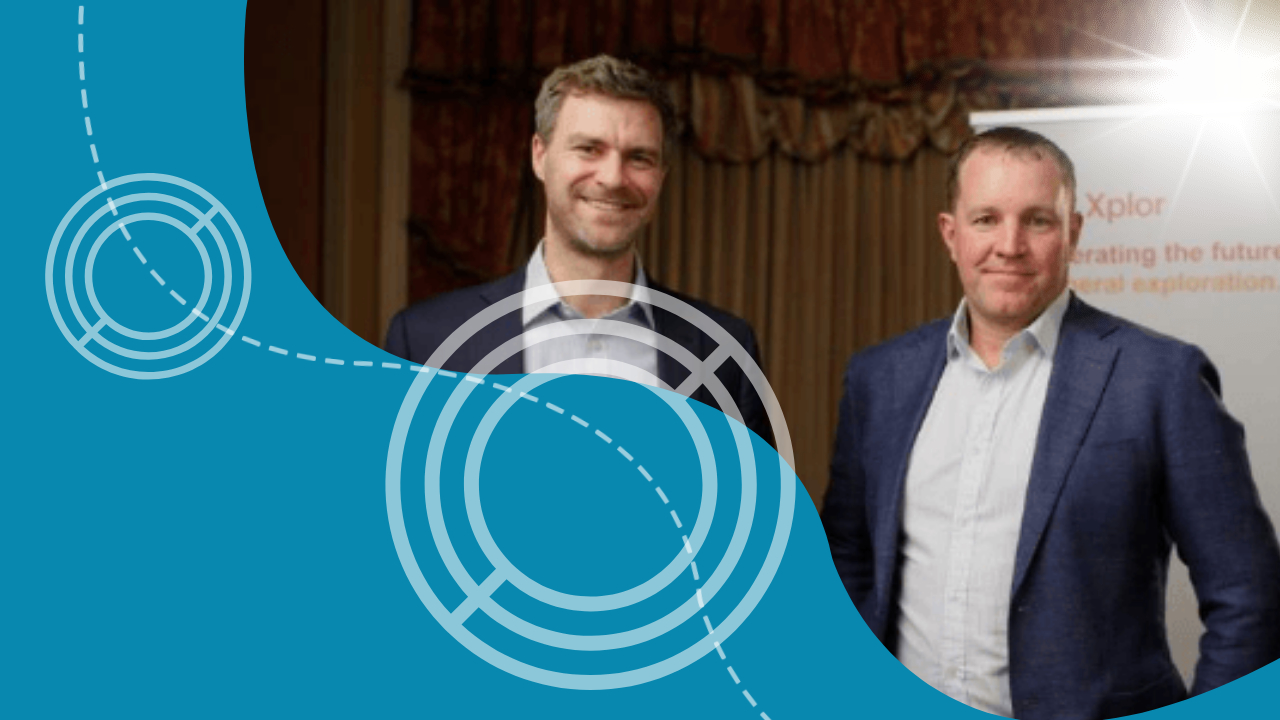
    Hear from Alex Walker and Christopher van Wijk from East Star Resources, a United Kingdom-based company listed on the London Stock Exchange exploring for copper and other base and precious metals in Kazakhstan BHP Xplor is a cohort-based accelerator program supporting early-stage mineral exploration start-ups in finding critical minerals to drive the energy transition. We are excited to introduce the 2024 cohort as they begin their journey with BHP Xplor.

  • $154.38 Billion Power Play: How Central Asia, Ukraine, and Russia’s Mineral Wealth Shapes Global Geopolitics

    $154.38 Billion Power Play: How Central Asia, Ukraine, and Russia’s Mineral Wealth Shapes Global Geopolitics

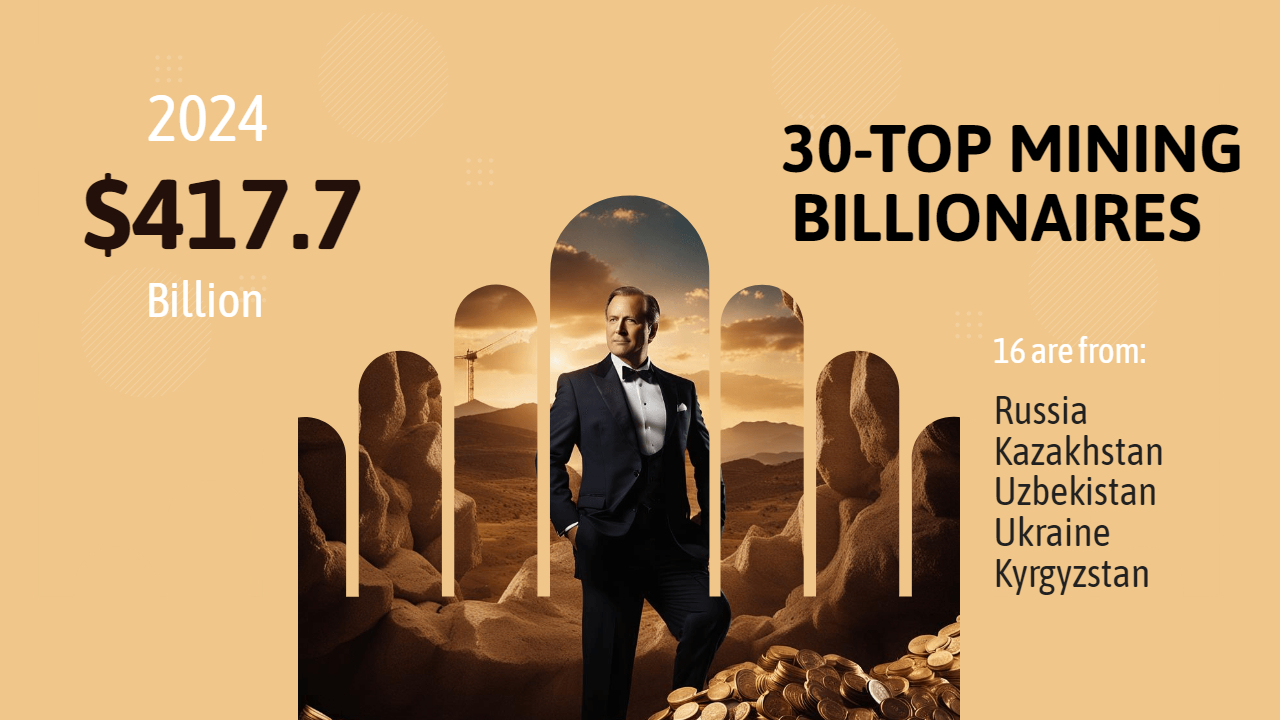
    30-top mining billionaires are worth $417.7 billion in 2024. 16 billionaires own their wealth to the mineral riches of Russia, Kazakhstan, Ukraine, Uzbekistan, and Kyrgyzstan

    Geopolitical Implications of Mining Billionaires’ Wealth in Central Asia, Ukraine, and Russia

    In a striking revelation, more than half of the world’s richest mining billionaires have amassed their wealth from their operations in Central Asia, Ukraine, and Russia. Collectively their net worth is $ 154.38 billion or nearly 37% of the $417.7 billion combined wealth of the world’s 30 top mining billionaires. This concentration of wealth and mineral resources in the region has significant implications for global commodity markets, especially in the current geopolitical climate.

    Amassing billions in the region’s mining and metals industry

    Central Asia, along with Ukraine and Russia, has been for decades a hub for mining activities, with 16 out of 30 billionaires making their fortunes in the sector. Prominent entrepreneurs like Vladimir Lisin, Vladimir Potanin and Alexey Mordashov from Russia, Alisher Usmanov from Uzbekistan, as well as Vladimir Kim from Kazakhstan, are among the top mining billionaires who have amassed substantial wealth from the region’s abundant natural resources. Their influence extends beyond their respective countries, impacting global markets and geopolitical dynamics.

    Impact on Commodity Prices and Supply Chains

    The current geopolitical environment, marked by high uncertainty and risks, has led to volatile commodity prices. The war in Ukraine has disrupted production and trade, causing surges in prices for energy, fertilisers, metals and grains. Russia’s expanding energy ties in Central Asia are part of its strategy to redirect exports from the West to Asia, following sanctions imposed due to its invasion of Ukraine. This redirection is deeply altering global supply chains and commodity prices.

    Geopolitical Implications

    The wealth of the region’s 16 mining billionaires is intertwined with the geopolitical landscape. Russia’s use of energy and transport infrastructure as a tool to enhance its influence in Central Asia has been evident, with the country building generating capacities and increasing supplies to the region. This has implications for energy security and political dynamics within Central Asia and beyond.

    Before the start of the war in Ukraine in 2022, the European Union and other economies were heavily dependent on Russian energy and commodities. Within the last two years, they have become particularly vulnerable to geopolitical shifts. The sanctions against Russia and the subsequent search for alternative markets have led to a complex web of economic and political relationships that is reshaping global commodity markets.

    The concentration of mining wealth in Central Asia, Ukraine, and Russia among a few individuals is not just an economic phenomenon but a factor with profound geopolitical and economic consequences. The current geopolitical tensions, coupled with the strategic manoeuvres of 16 mining billionaires and their home countries, are likely to continue to influence commodity prices and market dynamics for the foreseeable future.

    30 Richest Billionaires in Metals and Mining Industry in 2024

    1. Prajogo Pangestu: $48.5 billion (Indonesia)
    2. Gina Rinehart: $30.4 billion (Australia)
    3. Savitri Jindal & family: $30.3 billion (India)
    4. Germán Larrea Mota Velasco & family: $26.9 billion (Mexico)
    5. Vladimir Lisin: $26.0 billion (Russia)
    6. Iris Fontbona & family: $25.1 billion (Chile)
    7. Andrey Melnichenko & family: $25.0 billion (Russia)
    8. Vladimir Potanin: $23.7 billion (Russia)
    9. Alexey Mordashov & family: $22.9 billion (Russia)
    10. Andrew Forrest & family: $18.8 billion (Australia)
    11. Lakshmi Mittal: $16.4 billion (United Kingdom)
    12. Alisher Usmanov: $14.4 billion (Uzbekistan)
    13. Dang Yanbao: $13.1 billion (China)
    14. Roman Abramovich & family: $9.7B billion (Russia)
    15. Nicky Oppenheimer & family: $9.4 billion (South Africa)
    16. Iskander Makhmudov: $7.9 billion (Russia)
    17. Ivan Glasenberg: $7.8 billion (Switzerland)
    18. Andrei Skoch & family: $7.7 billion. (Russia)
    19. Pavel Tykac: $7.6 billion (Czech Republic)
    20. Zheng Shuliang & family: $7.3 billion (China)
    21. Viktor Vekselberg: $7.0 billion (Russia)
    22. Alexander Abramov: $6.4 billion (Russia)
    23. Wang Wenyin: $5.9 billion (China)
    24. Rinat Akhmetov: $5.7 billion (Ukraine)
    25. Vladimir Kim: $4.6 billion (Kazakhstan)
    26. Oleg Deripaska: $2.98 billion (Russia)
    27. Robert Friedland: $2.9 billion (Singapore)
    28. Alexander Machkevich: $2.4 billion (Kazakhstan)
    29. Patokh Chodiev: $ 2.1 billion (Kazakhstan)
    30. Ömürbek Babanov: $ 1.5 billion (Kyrgyzstan)

    Sources:

    https://ceoworld.biz/2024/02/29/richest-billionaires-in-metals-and-mining-industry-february-29-2024/
    https://www.forbes.com/
    Top 10 Richest People in Indonesia; Forbes December 2023 Version – En.tempo.co
    Ömürbek Babanov – Wikipedia
  • European Lithium and Sizzle conclude business merger

    European Lithium and Sizzle conclude business merger

    European Lithium has finalized a strategic partnership with Sizzle Acquisition, resulting in the establishment of Critical Metals.

    This collaboration positions the Wolfsberg Lithium Project as the inaugural flagship asset of Critical Metals, with the company’s immediate focus on advancing the mine’s construction and commissioning.

    The successful conclusion of the transaction and subsequent listing of Critical Metals on the Nasdaq represent significant milestones in bolstering the development of this pivotal lithium asset, essential for Europe’s transition to green energy.

    As part of the agreement, European Lithium has received 67,788,383 ordinary shares in Critical Metals, securing the company’s status as the largest shareholder with an 83.03% stake in the issued capital.

    The estimated value of European Lithium’s investment in Critical Metals currently stands at $839 million (A$1.3 billion), based on the closing share price of $12.38 per share as of February 29, 2024.