Website: Eurasia.com

  • 14th MINEX Kazakhstan Forum in Astana: Sustainable Development in Mining Industry Takes Center Stage

    14th MINEX Kazakhstan Forum in Astana: Sustainable Development in Mining Industry Takes Center Stage

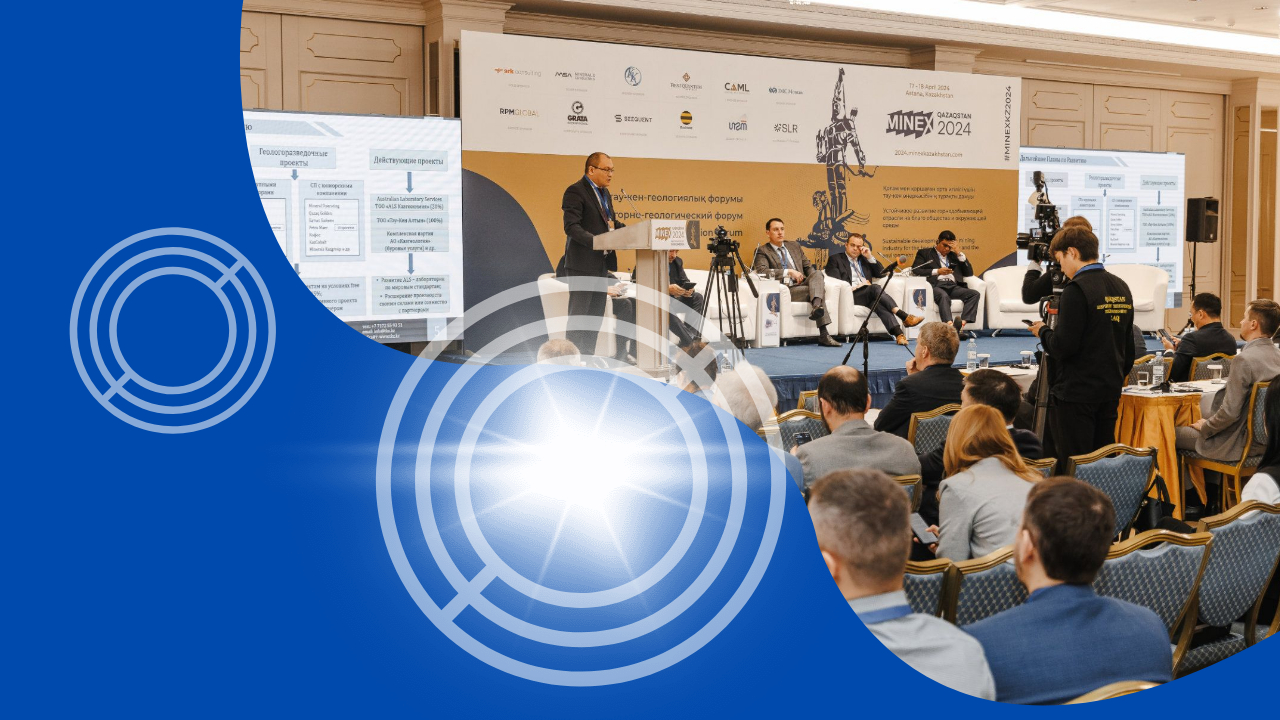
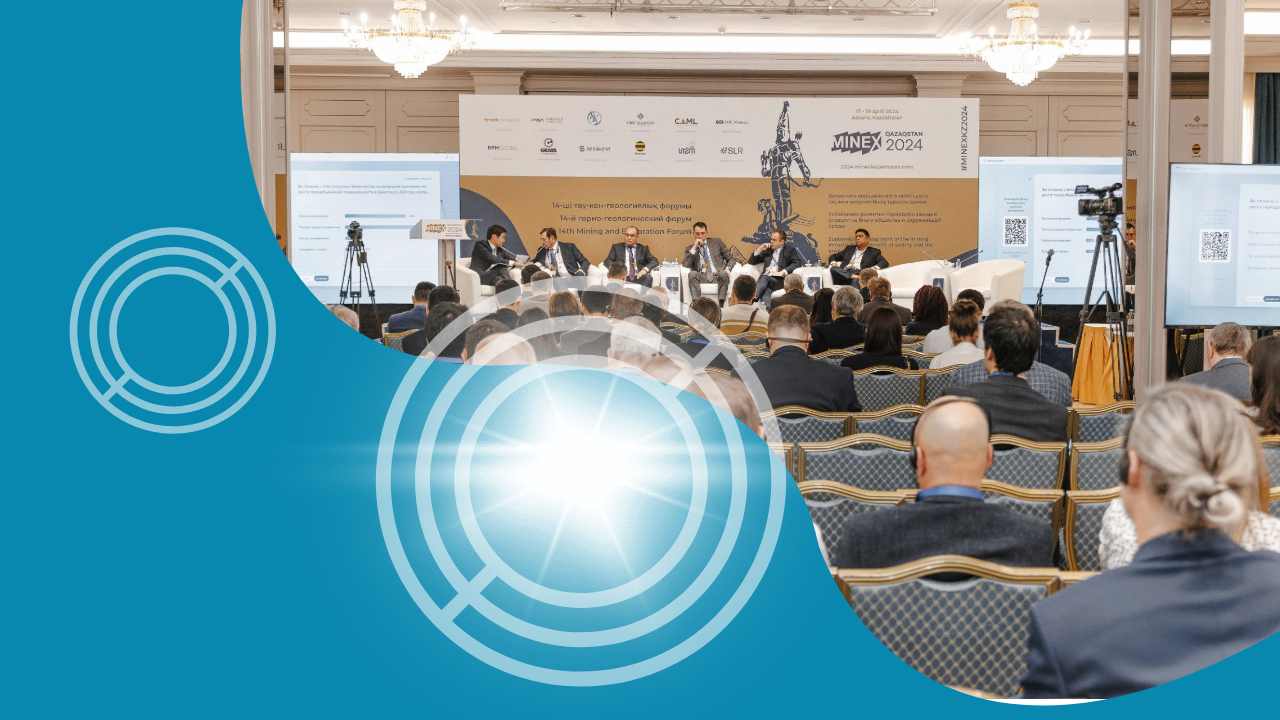
    Astana, Kazakhstan – The 14th Mountain Geological Forum, MINEX Kazakhstan, commenced its proceedings, focusing on the theme of “Sustainable Development of the Mining Industry for the Benefit of Society and the Environment.” Over 450 specialists from 235 companies and organizations spanning Kazakhstan and 32 countries across Europe, Central Asia, North and Latin America, Africa, Southeast Asia, the Middle East, and Australia are participating in the event.

    More than 50 Kazakhstani and international companies are showcasing cutting-edge technologies for prospecting, extraction, and processing of mineral resources at the forum’s exhibition. Attendance by approximately 1000 specialists from Kazakhstan and abroad is anticipated.

    Of notable significance this year is the record participation of foreign investors at the forum, demonstrating keen interest in exploring and developing deposits of precious metals, copper, coal, lithium, uranium, as well as rare and rare-earth metals.

    During the plenary session, the Executive Director of AGMP, Nikolai Radostovets, addressed the key directions for the development of the mining and metallurgical industry in Kazakhstan. He emphasized crucial tasks such as replenishing the mineral resource base, enhancing domestic value, and raw material processing.

    With the depletion of the mineral resource base and the decline in the content of useful components in ore, there is a pressing need to increase geological exploration activities and provide incentives for investments in geological exploration. In this regard, the association’s leader proposed revising the algorithm for accounting and taxing expenditures on geological exploration. Specifically, he suggested refining the Tax Code to allow deductions for all expenses on geological exploration regardless of the allocation of individual sites into new contracts, as well as establishing deductions for corporate income tax on expenditures for geological exploration of solid minerals through existing extraction contracts.

    To incentivize involvement in raw material processing, he proposed enshrining several provisions in legislation. These include exempting subsoil users’ non-extractive mineral resources from the mineral extraction tax (MET) and not levying fees for their re-placement after processing. Regarding non-state-owned mineral resources, extraction should proceed as per current regulations, with a reduced MET rate applied to stimulate their processing.

    Addressing tasks related to enhancing domestic value, Radostovets highlighted AGMP’s comprehensive approach aimed at satisfying the needs of domestic manufacturers and mitigating risks for subsoil users in procurement.

    “We plan to convene with domestic manufacturers at the NPP platform shortly and propose that for the products that Kazakhstani enterprises can produce, we will enter into off-take contracts,” he specified. “We are prepared to compile and approve a list containing the range of goods manufactured in Kazakhstan or those that can be produced in the medium term. For other types of products, we should have open procurement under standard conditions, possibly from a single source, as these are goods not produced in Kazakhstan.”

    The Executive Director of AGMP also underscored the development of raw material processing in Kazakhstan, recalling legislative amendments enacted for licensing metal exports. These amendments, effective from October of the current year, will only grant export licenses if metallurgical enterprises fulfill certain obligations and meet domestic market demands. He noted the association’s preference for stimulating enterprises to process natural resources within the country to foster the development of metal processing and the establishment of metallurgical clusters.

    “Investment agreements, processing agreements have not yet kicked off,” expressed R. Baimishev. “There hasn’t been a single agreement with an investment volume of $50 million. Yet, there are proposals to increase them by 10 times – up to $500 million. We believe these are premature steps. Furthermore, we believe it is necessary to stimulate the development of deeper horizons. Mine construction requires substantial investments and government support,” he observed.

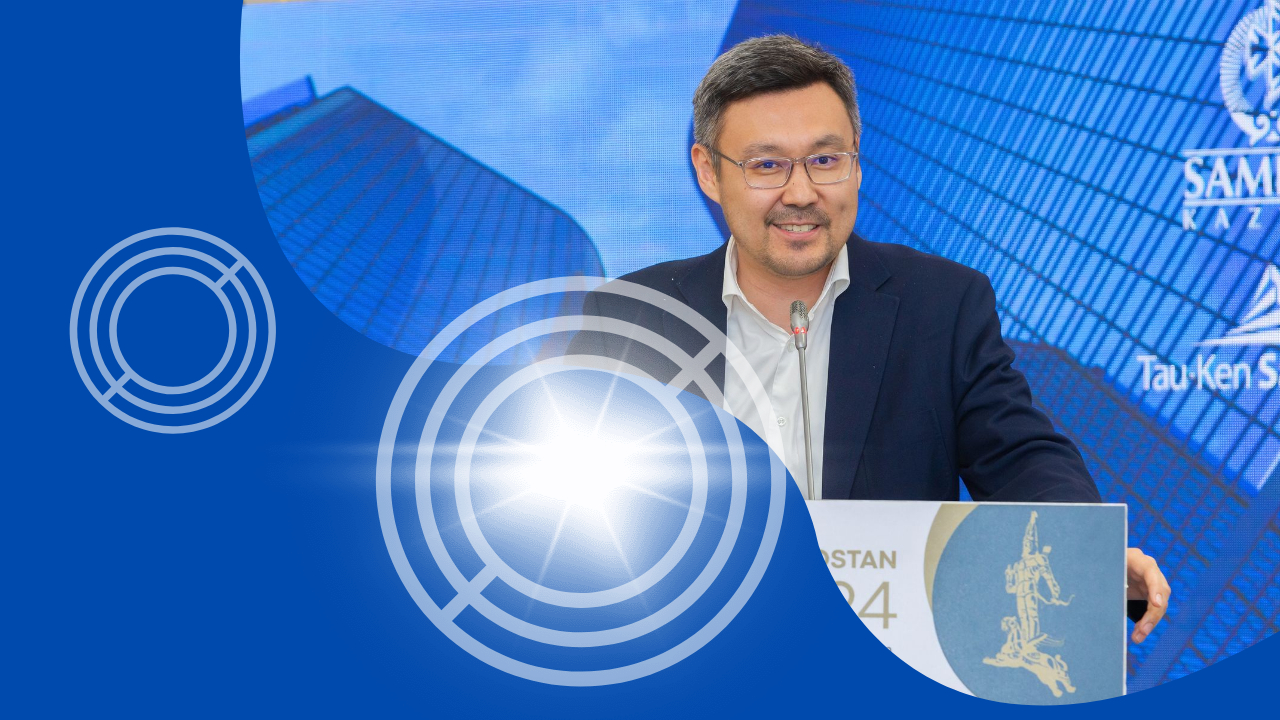
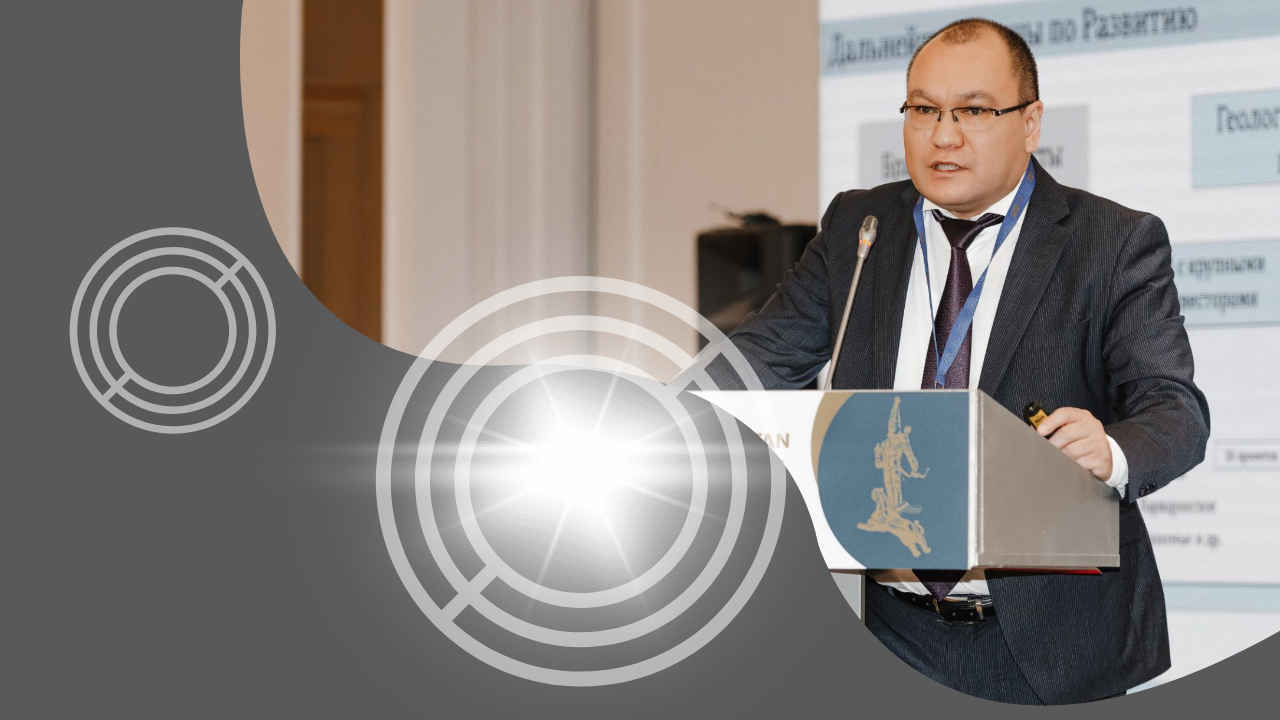
    In turn, the Chairman of the Board of AO “National Mining Company “Tau-Ken Samruk” Bakyt Chirchikbayev provided an update on the completion of the transfer process of 100% of the shares of AO “NGC “Kazgeology” to “Tau-Ken Samruk” in September of the previous year. He outlined steps taken to optimize management processes, reduce costs, and eliminate duplicate functions, such as merging functions related to geological exploration and joint project implementation with foreign partners. Following the consolidation of these functions, their asset portfolio comprises 53 geological exploration projects, with collaboration involving more than 15 participants.

    “It can be noted that we have become a sort of unified window for investors in the geological exploration sector for developing joint projects, and we see ourselves as minority participants in the development of these projects to avoid burdening quasi-state companies with such requirements and to manage companies more flexibly,” he remarked.

    Chirchikbayev emphasized that the company’s geologists are currently exploring promising directions and have already identified several prospective sites. “Tau-Ken Samruk” is open to partners, including junior companies, for the development of these projects.
  • Tau-Ken Samruk’s Plans for Lead-Zinc Production at Shalkiya Deposit

    Tau-Ken Samruk’s Plans for Lead-Zinc Production at Shalkiya Deposit

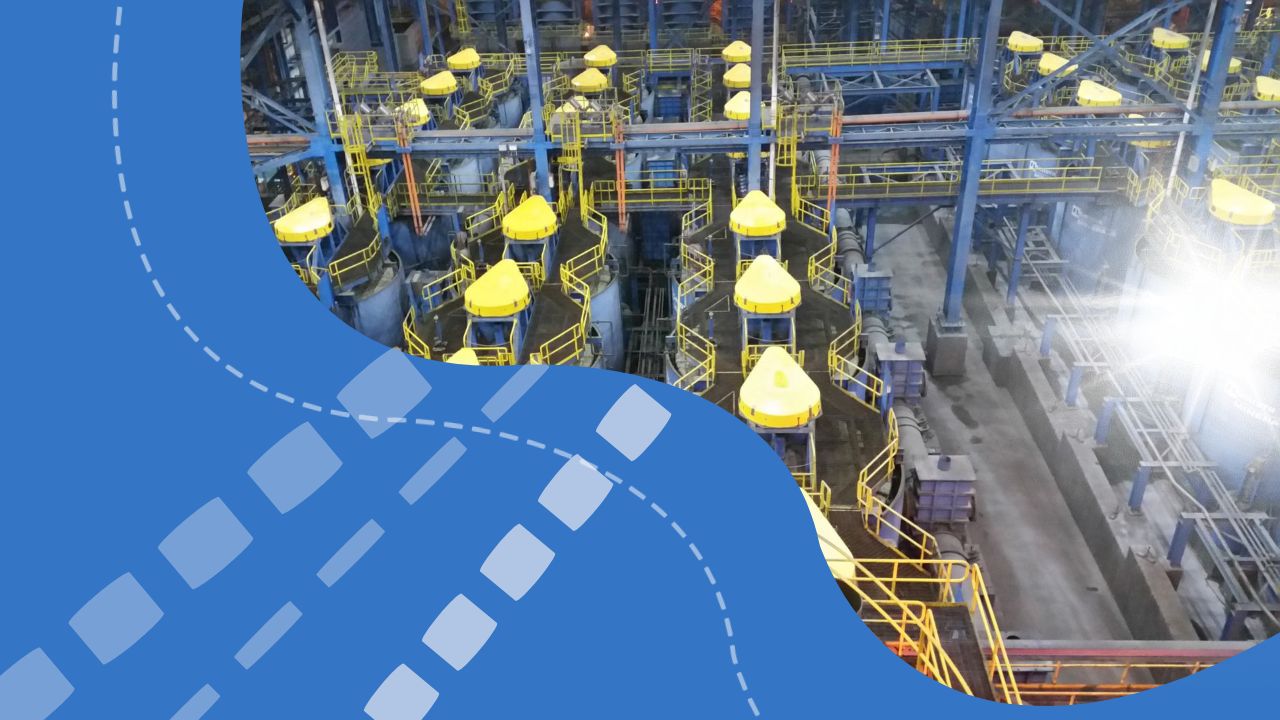
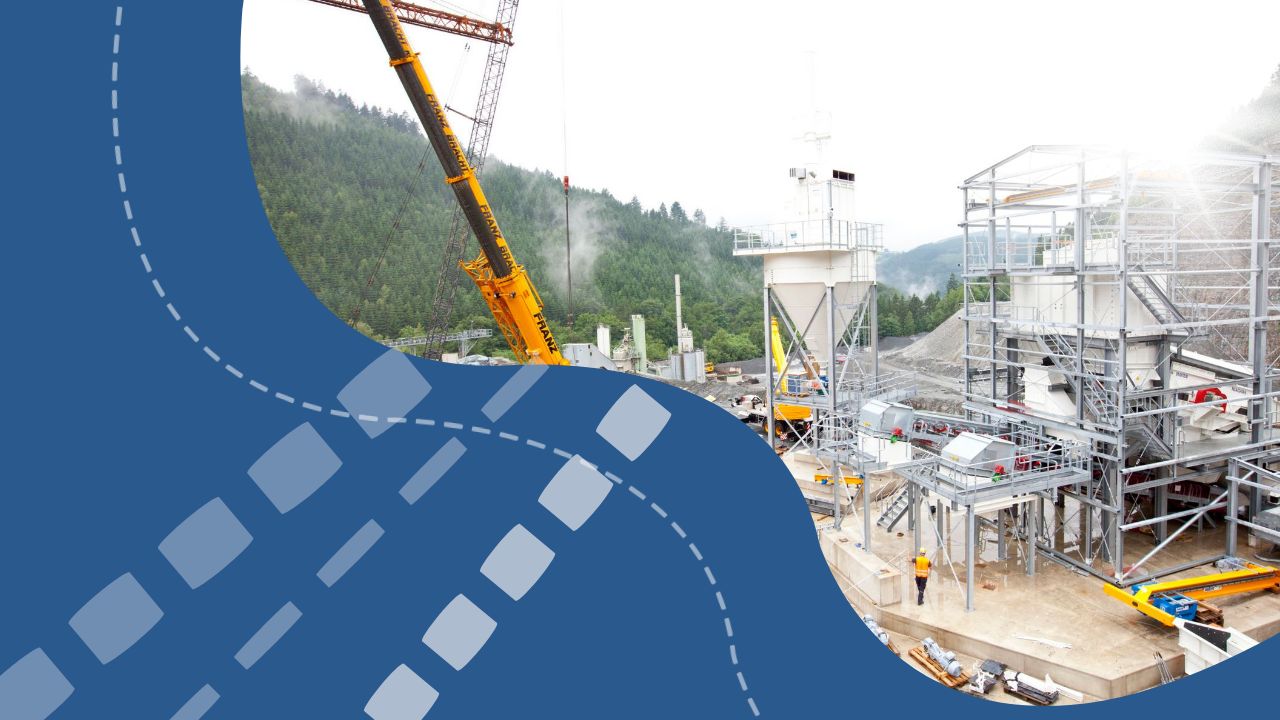
    Tau-Ken Samruk, the national mining company, is set to commence mining operations at the Shalkiya lead-zinc deposit in October 2024, with a target of producing 2.2 million tonnes of ore by the following year. Chairman Bakyt Chirchikbayev unveiled these intentions at the MINEX Kazakhstan 2024 forum, indicating considerations for utilizing third-party facilities for ore processing during the construction phase of their processing plant. Negotiations for ore processing at external facilities are in their final stages, with details to be revealed upon agreement finalization.

    Chirchikbayev provided updates on the construction progress of the mining and processing plant in Shalkiya, emphasizing the procurement of technological equipment. Discussions regarding the potential sale of the mine are ongoing, with Tau-Ken Samruk considering selling a controlling stake. Chirchikbayev mentioned the openness to selling anywhere between 51% to 100%, with negotiations ongoing with potential partners. The Shalkiya lead-zinc deposit, overseen by ShalkiyaZinc LTD JSC, a subsidiary of Tau-Ken Samruk JSC, is one of the largest globally. Construction of a lead-zinc mining and processing plant began in 2018, utilizing the substantial ore resources of the deposit, which holds around 112.9 million tonnes.

    The project aims to fulfill the demand for zinc and lead concentrates both domestically and internationally, with confirmed reserves supporting operations until 2051. The total project cost amounts to $650 million, with $295 million funded by the European Bank for Reconstruction and Development, guaranteed by the Samruk-Kazyna National Welfare Fund. Established in 2009, Tau-Ken Samruk JSC manages the state’s mining assets under the Samruk-Kazyna state fund.

  • Proposals for Tax Amendments Aimed at Stimulating Mineral Recycling in Kazakhstan

    Proposals for Tax Amendments Aimed at Stimulating Mineral Recycling in Kazakhstan

    Nikolay Radostovets, the executive director of the Republican Association of Mining and Metallurgical Enterprises, has suggested resetting the tax rate on mineral extraction (NDPI) for the processing of technogenic mineral formations left after metal extraction. Speaking at the MINEX-2024 forum, Radostovets emphasized the need for tax incentives to stimulate the recycling of technogenic mineral waste. With over 60 billion tons of such waste accumulated in Kazakhstan, only about 11% is currently recycled annually. Radostovets proposed exempting the processing of these waste materials from NDPI, considering them as the property of the licensee after processing. Furthermore, he advocated for a reduced NDPI rate for processing state-owned waste materials.

    Additionally, Radostovets raised concerns about the licensing of metal exports, suggesting that licenses should only be granted if internal demands are met. He highlighted the challenge of aligning pricing policies with international standards to promote metal processing. The association also recommends clarifying tax regulations to allow deductions for all expenses related to geological exploration, irrespective of whether specific areas are designated in new contracts.

    Radostovets proposed that in cases of unsuccessful exploration, expenses should still be deductible from the annual income of non-contractual activities. He also suggested ensuring the reimbursement of excess VAT on exploration expenses regardless of exploration results or the presence of exports of solid minerals or processed products.

  • Tau-Ken Altyn Plans Expansion and Diversification of Processing Line

    Tau-Ken Altyn Plans Expansion and Diversification of Processing Line

    Tau-Ken Altyn, a refining plant in Astana and subsidiary of the national company Tau-Ken Samruk, is gearing up to broaden its range of processed raw materials and manufactured products. This announcement was made by Bakyt Chirchikbayev, the chairman of the board of Tau-Ken Samruk, during the MINEX-2024 forum. Chirchikbayev stated that the company is actively conducting research to expand both its processed raw materials and finished products, including catalyst recycling and the development of the jewelry sector. He highlighted the successful implementation of waste processing from the refining plant, leading to nearly zero-waste production.

    In 2019, Kaysar Zhumagaliyev, the chairman of the Kazakhstan Jewelers Association, emphasized that the requirement to pay value-added tax (VAT) when purchasing refined gold from Tau-Ken Altyn led jewelers to prefer buying gold from pawnshops and informal miners.

    Chirchikbayev also mentioned another intriguing project—a joint venture (laboratory) in Karaganda with the Australian company ALS. This venture aims to expand the company’s scope by offering its services to other companies, particularly subsidiaries of Tau-Ken Samruk.

  • Tau-Ken Samruk to Explore Lithium Deposits near the Aral Sea with Funding from EBRD

    Tau-Ken Samruk to Explore Lithium Deposits near the Aral Sea with Funding from EBRD

    Tau-Ken Samruk, the national mining company, is set to conduct exploratory research funded by the European Bank for Reconstruction and Development (EBRD) to assess the presence of lithium in the brines of salt lakes near the Aral Sea. This initiative was announced by the company’s Chief Business Development Officer, Nariman Absametov, during the MINEX Kazakhstan -2024 forum. Absametov highlighted the similarities between Kazakhstan and South American countries, particularly Chile, where lithium is extracted from salt brines. The project, initiated six months ago, aims to demonstrate the presence of sufficient lithium in the region for industrial development. The EBRD has granted 400,000 euros, equivalent to 190.7 million tenge, for a two-year research project in the Aral Sea region.

    Tau-Ken Samruk is actively engaged in over 50 mining projects, with 15 partner companies. Notably, the company recently absorbed another national entity, Kazgeology, promising comprehensive support to partners in negotiations with government bodies. Absametov highlighted gold as the primary metal of interest, citing Tau-Ken Altyn, a refining plant in Astana, which exceeded its initial capacity of 25 tons of gold and 50 tons of silver annually since 2019, refining 55.6 tons of gold in 2022. Additionally, copper and rare earth metals are among the company’s areas of interest.

  • Tau-Ken Samruk Receives Approval for North Katpar and Upper Kairakty Project

    Tau-Ken Samruk Receives Approval for North Katpar and Upper Kairakty Project

    Tau-Ken Samruk has received a favorable assessment from state experts for its North Katpar and Upper Kairakty project. The company anticipates responses from potential partners interested in participating in the project.

  • Tau-Ken Samruk to Commence Lead-Zinc Mining Operations in Shalkiya Deposit

    Tau-Ken Samruk to Commence Lead-Zinc Mining Operations in Shalkiya Deposit

    Tau-Ken Samruk to start production at the Shalkiya lead-zinc deposit in OctoberTau-Ken Samruk plans to start mining at the Shalkiya lead-zinc deposit in October 2024, aiming for 2.2 million tonnes of ore production by the next year. Chairman Bakyt Chirchikbayev revealed these plans at the MINEX Kazakhstan 2024 forum, mentioning plans “of using a third-party facility for ore processing while their processing plant is under construction.”Negotiations and assessments for ore processing at external facilities are in their final stages, with details to be disclosed once agreements are finalized. “I can’t disclose it at this point, but once the agreement is finalized, I’ll reveal the details,” he said. Chirchikbayev provided an update on the construction progress of the mining and processing plant in Shalkiya, emphasizing the procurement of technological equipment. Discussions about the potential sale of the mine are ongoing, with Tau-Ken Samruk open to selling a controlling stake. “Regarding negotiations with potential partners interested in acquiring a controlling stake, we’re open to selling from 51% to 100%. Talks are still ongoing, and it’s premature to disclose our co-founder at this stage,” he said. The Shalkiya lead-zinc deposit is one of the world’s largest. ShalkiyaZinc LTD JSC, a subsidiary of the National Mining Company Tau-Ken Samruk JSC, oversees its development. Construction of a lead-zinc mining and processing plant began in 2018, utilizing the deposit’s resources. It holds around 112.9 million tonnes of ore. The project aims to meet the demand for zinc and lead concentrates in Kazakhstan and globally, with confirmed reserves supporting operations until 2051. The total project cost is $650 million, with $295 million funded by the European Bank for Reconstruction and Development, guaranteed by the Samruk-Kazyna National Welfare Fund. Established in 2009, Tau-Ken Samruk JSC manages the state’s mining assets under the Samruk-Kazyna state fund.


  • Gold Processing Plant in Astana Plans to Develop Jewelry Sector

    Gold Processing Plant in Astana Plans to Develop Jewelry Sector

    “Tau-Ken Altyn,” a gold refining plant in Astana and a subsidiary of the national company “Tau-Ken Samruk,” is set to broaden its range of processed raw materials and manufactured products, announced Bakyt Chirchikbayev, chairman of the board of “Tau-Ken Samruk.” The company aims to enhance both the variety of processed materials and the output of finished products, including the processing of catalysts and the expansion of the jewelry sector, as stated during the MINEX-2024 forum.

    Chirchikbayev highlighted that last year, following successful research endeavors, the company initiated the processing of solid industrial waste from the gold refining plant, leading to virtually zero-waste production.

    Kaysar Zhumagaliyev, chairman of the association of legal entities “Jewelers’ League of Kazakhstan,” noted in 2019 that the obligation to pay value-added tax (VAT) when purchasing refined gold from “Tau-Ken Altyn” had prompted jewelers to prefer acquiring gold from pawnshops and informal miners.

    Chirchikbayev also mentioned another intriguing project, a joint venture (laboratory) in Karaganda with the Australian company ALS. The joint venture aims to diversify the company’s activities by providing services to other firms, particularly subsidiaries of “Tau-Ken Samruk”.

  • Kyrgyzstan Allocates 1 Billion Som for Geological Industry Development

    Kyrgyzstan Allocates 1 Billion Som for Geological Industry Development

    For the first time in Kyrgyzstan’s history, 1 billion som has been allocated for the development of the geological sector, stated in the president’s congratulatory message on Geologist Day. According to Sadyr Japarov, these funds will be used for the discovery of new deposits, conducting geological research, purchasing specialized equipment, exploration, assessment of mineral resources, and specialist training.

    Today, large deposits of state significance are allocated to enterprises with a hundred percent state share. Licenses have been issued to Kyrgyzaltyn JSC, state enterprises Kyrgyzkomur and Kyrgyzgeology, the president noted.

  • 10th MINEX Central Asia Mining and Geological Forum to be Held in Bishkek

    10th MINEX Central Asia Mining and Geological Forum to be Held in Bishkek

    Bishkek is set to host the 10th Mining and Geological Forum, MINEX Central Asia, on June 19-20, 2024. The forum is organized under the theme “Prospects and Scenarios for Sustainable Development of the Mining Industry in Central Asian Countries.” The previous MINEX forum in this format was held in Kazakhstan in 2018.

    The forum offers a platform for presentations and discussions on attracting investments and technologies for the development of mineral resources, the promotion of green energy, and the modernization of industrial infrastructure.

    The Ministry of Natural Resources, Ecology, and Technical Supervision of the Kyrgyz Republic is the general regional partner of the forum. The Prime Minister of the Kyrgyz Republic, A. Japarov, is expected to participate in the forum.

    The forum is anticipated to draw participation from companies and organizations from 30 countries across Central Asia, Europe, China, North America, and the Middle East.