Website: Eurasia.com

  • Central Asia’s Green Energy Revolution: Unveiling Turkmenistan’s Potential

    Central Asia’s Green Energy Revolution: Unveiling Turkmenistan’s Potential

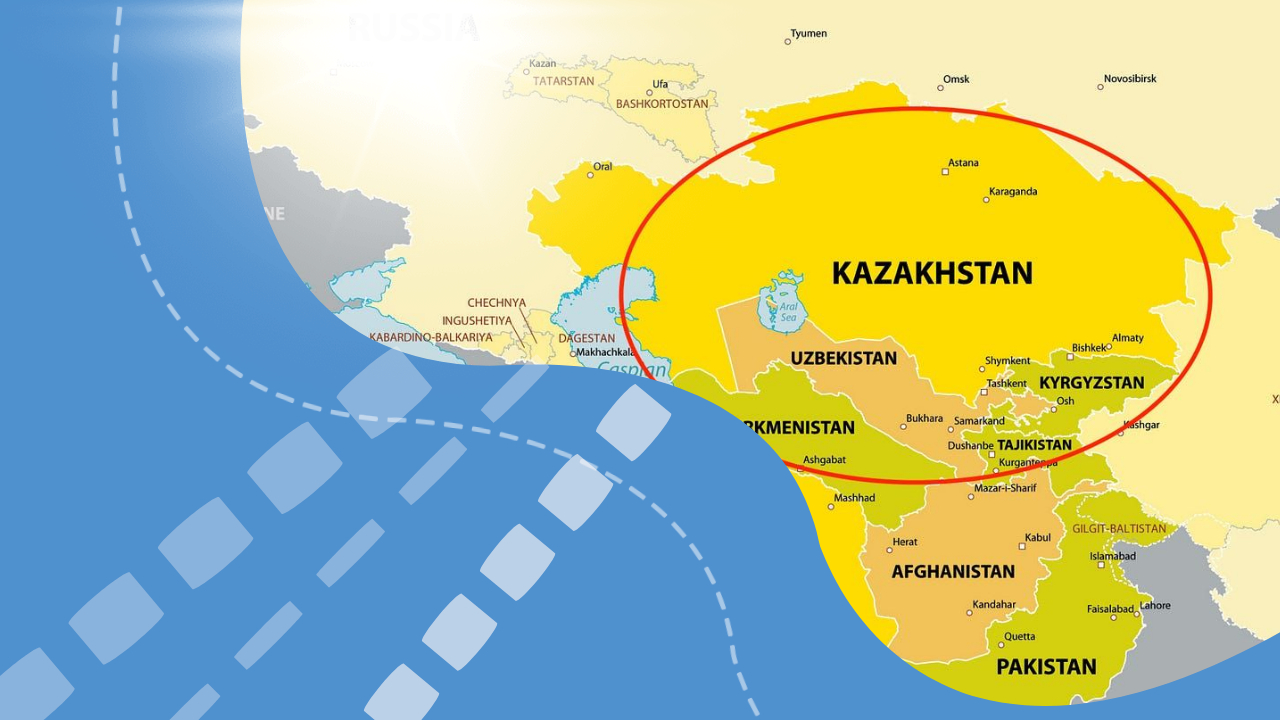
    Central Asia is experiencing a surge in green energy investments, with recent weeks marking a significant turning point in the region’s renewable energy landscape. ACWA Power, a prominent Saudi Arabian energy company, made headlines in early March by announcing plans to invest in two wind power plants in Uzbekistan’s Karakalpakstan and Bukhara regions, totaling over 1GW of power capacity. Following suit, Kazakhstan inked agreements for 1GW of wind power development in its Jetisu region, signaling a concerted effort towards sustainable energy initiatives.

    However, it’s the realm of critical raw materials that has garnered the most attention in Central Asia’s green energy transition. Kazakhstan, hailed as a lithium powerhouse, secured agreements worth $500 million from German stakeholders for lithium extraction, with keen interest also emanating from South Korea and China. These investments underscore the pivotal role of the extractives industry in facilitating the global shift towards renewable energy sources and energy storage solutions.

    While Kazakhstan takes center stage, neighboring Turkmenistan emerges as a potential powerhouse in the green energy ecosystem. Acknowledging its rich reserves not only in oil and gas but also in renewables, Turkmenistan is positioning itself as a key player in the transition towards sustainable energy. The recent Turkmen Investment Forum in Paris highlights the nation’s efforts to attract international attention and investment, signaling its readiness to follow Kazakhstan’s trajectory in resource development.

    Despite Turkmenistan’s vast potential, challenges persist, particularly regarding the lack of comprehensive data on reserves, posing risks to investors and hindering investment opportunities. However, Western Turkmenistan, notably the Karabogazgol Bay area, shows promising signs of abundant lithium deposits, along with substantial reserves of iron, copper, and rare earth metals. Geological formations in Southern Turkmenistan also hold significant potential for copper and rare earth materials, essential for electricity grids and digital technologies.

    Approach Recommendations – Stakeholder Map: To unlock Turkmenistan’s potential as a champion in renewable energy and digital materials, several policy recommendations are proposed:

    • Align regulatory frameworks for non-fuel mining with hydrocarbons mining to streamline permit procedures and encourage long-term leasing options.
    • Foster international collaboration with neighboring countries like Uzbekistan and Afghanistan to leverage shared geological formations for critical raw materials.
    • Establish financing mechanisms for sustainable development projects, such as green bonds, to attract investments aligned with economic, environmental, and societal goals.
    • Develop a transparent database of Turkmenistan’s mineral reserves accessible to investors and scientific explorers to enhance investment transparency and promote informed decision-making.
  • Central Asia’s Geological Resources Poised for Global Impact

    Central Asia’s Geological Resources Poised for Global Impact

    Recent developments in geological resource exploration have brought Central Asia to the forefront of global attention. With abundant mineral deposits lying beneath its surface, the region is set to play a pivotal role in the economic and geopolitical landscape. Nations like Kazakhstan and Uzbekistan, long overlooked on the international stage, are now emerging as key players in the supply chain for critical raw materials crucial for the energy transition. The United States has notably extended support to facilitate mineral development in these countries, recognizing their significance in the global shift towards cleaner energy technologies. Rare earth elements, vital components across various industries, have been unearthed in substantial quantities, positioning Central Asia as a crucial hub for future resource extraction. Collaborative efforts between Central Asian governments and organizations like the United States Geological Survey are underway to map out and exploit these diverse mineral deposits. While Kazakhstan leads the region in rare earth reserves, other nations like Tajikistan and Uzbekistan are yet to fully explore and harness their geological potential.

  • UN Launches Panel to Address Critical Energy Transition Minerals

    UN Launches Panel to Address Critical Energy Transition Minerals

    UN Secretary-General António Guterres has announced the formation of a Panel on Critical Energy Transition Minerals, recognizing the escalating demand for minerals vital to renewable energy technologies. Co-chaired by Ambassador Nozipho Joyce Mxakato-Diseko of South Africa and Director-General for Energy Ditte Juul Jørgensen of the European Commission, the panel aims to establish global principles to ensure environmental and social standards, equity, transparency, sustainability, and human rights in the minerals value chain.

    Speaking at the panel’s launch, Secretary-General Guterres emphasized the importance of managing critical minerals responsibly in the transition to renewable energy, particularly for developing countries. He stressed the need to ensure that the renewables revolution advances with justice, benefiting all stakeholders, especially marginalized communities.

    Ambassador Mxakato-Diseko commended the Secretary-General’s initiative, highlighting the panel’s alignment with sustainable development goals and climate agreements. She emphasized the objective of building trust and certainty to unlock the potential of critical minerals for shared prosperity while leaving no one behind.

    Director-General Jørgensen underscored the urgent need for a fair and transparent approach in the global minerals value chain to meet ambitious renewable energy goals. She expressed her commitment to developing principles that uphold sustainability and human development standards, both globally and locally.

    Critical energy transition minerals such as copper, lithium, nickel, cobalt, and rare earth elements are essential for achieving the targets set at COP28 and limiting global warming to 1.5°C. Without a significant increase in the supply of these minerals, the transition to renewable energy will face significant hurdles.

    While developing countries with abundant mineral reserves have the potential to drive green economic growth, proper management is crucial to avoid perpetuating commodity dependence and exacerbating environmental and social challenges. The panel aims to address these issues by providing globally agreed guidance for responsible and fair value chains.

  • Kazakhstan Takes Measures to Enhance Workplace Safety and Reduce Work-Related Injuries

    Kazakhstan Takes Measures to Enhance Workplace Safety and Reduce Work-Related Injuries

    Kazakhstan witnesses over 1400 workplace accidents annually, with more than 200 resulting in fatalities. Among the various sectors of the Kazakhstani economy, the mining and metallurgical complex reports the highest number of casualties at 21.3%, followed by the construction industry at 10%, according to data from the Ministry of Labor and Social Protection cited by inbusiness.kz.

    More than 519,000 workers are employed in hazardous working conditions, with every third worker (37%) exposed to elevated levels of noise and vibration, every fourth worker (25%) operating in areas with increased gas and dust concentrations, and every eighth worker (13%) enduring unfavorable temperature conditions. Additionally, over 107,000 individuals (21%) are engaged in strenuous physical labor.

    In 2023, based on assessment results, 697,000 workers received various compensations for working in hazardous conditions, with employers allocating 255 billion tenge, a 23% increase from the previous year.

    Over the past five years, governmental and employer-initiated measures have contributed to a reduction in the rate of occupational injuries (frequency rate per 1,000 workers) from 0.23 to 0.21.

    Efforts towards ensuring healthy and safe working conditions in Kazakhstan continue with a comprehensive approach. In 2023, law enforcement agencies received 1055 reports on workplace accidents, resulting in 149 criminal cases being initiated.

    To evaluate actual workplace conditions, over 10,000 industrial facilities underwent assessment, while 3214 enterprises across the country implemented safety and labor protection standards to prevent violations.

    Since 2019, Kazakhstan has actively promoted the Vision Zero Concept, aiming for zero accidents. Currently, 536 national enterprises have joined this initiative, with 258 Kazakhstani enterprises adopting a vertical control model to ensure safety standards in subcontracting organizations within the construction sector.

    To further enhance social protection mechanisms for workers employed in hazardous conditions, special social payments were introduced from January 1, 2024, following the president’s directive. Nearly 6,000 workers have transitioned out of hazardous working environments and are receiving these special social payments.

    The Ministry of Labor and Social Protection of the Population of Kazakhstan aims to significantly reduce the number of hazardous workplaces and decrease the level of occupational injuries. Last year, the government approved the Safe Labor Concept until 2030, outlining plans for modernizing the national occupational safety management system, incentivizing measures to reduce professional risks, advancing professional competencies and scientific potential in labor protection, and improving the effectiveness of control and monitoring in the field of labor protection.

  • Deputy Raises Concerns Over Support for Domestic Producers in Kazakhstan

    Deputy Raises Concerns Over Support for Domestic Producers in Kazakhstan

    During a plenary session of the Mazhilis, Deputy Bolatbek Nazhmitdenuly addressed issues regarding supporting businesses through state procurements and purchases from quasi-governmental sectors and subsoil users from domestic manufacturers, as reported by inbusiness.kz.

    He revealed that the total amount of purchases in Kazakhstan currently stands at around 23-24 trillion tenge. Nazhmitdenuly pointed out discrepancies in government data, stating that while the Ministry of Industry and Infrastructure Development claims the state controls nearly 60% of purchases, other sources suggest it may be as low as 20%. He criticized the validity of the ST-KZ certificate and industrial certificate, questioning the effectiveness of government approaches.

    The deputy also sought clarification from officials on the criteria for inclusion in the registry of domestic producers and how to ensure only conscientious producers are listed.

    In response, Minister of Industry and Infrastructure Development Kanat Sharlapayev acknowledged the challenges in distinguishing between counterfeit producers and genuine Kazakhstani enterprises. He highlighted the need for modernization in the selection process and proposed adopting digital methods, drawing parallels with credit checks conducted by banks.

    Sharlapayev emphasized the importance of leveraging available data, suggesting that criteria such as electricity consumption could indicate manufacturing activity. He advocated for the involvement of industry associations in validating producer status and stressed the responsibility of government agencies in managing the registry.

    Furthermore, Sharlapayev outlined the importance of long-term contracts with producers, linking them to commitments for increased localization, improved employee income levels, and production expansion.

  • Modern Approaches Revolutionize Geological Exploration, Highlighted at Astana Forum

    Modern Approaches Revolutionize Geological Exploration, Highlighted at Astana Forum

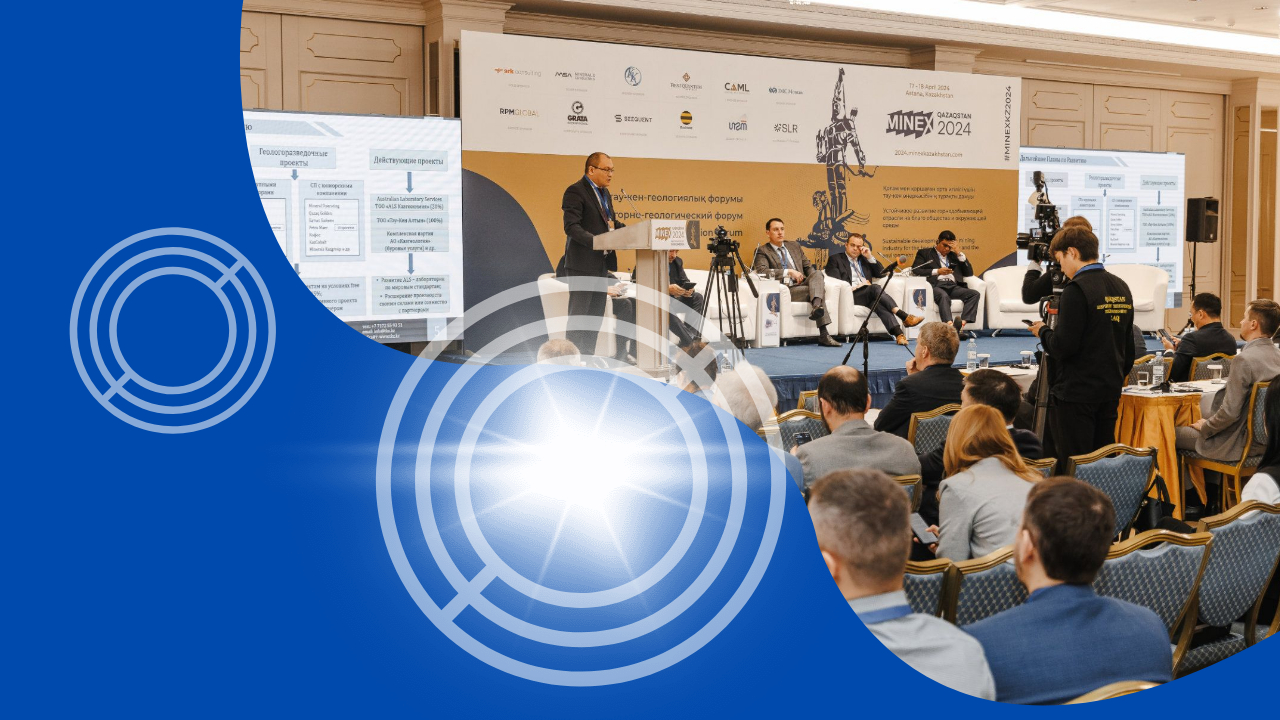
    Modern geologists are no longer solely reliant on physical surveys for discovering new deposits, as the integration of drones and digital technologies has become commonplace. Russian scientists recently shared insights at the Astana forum on how they unearthed the world’s largest gold-copper asset – the Malmyzhskoye deposit, as reported by IA El.kz. During the 14th MINEKS Kazakhstan Mining and Geological Forum held in Astana, the Institute of Geotechnologies (IGT) presented an overview on digitalization in geological exploration. Executive Director of IGT, Dmitry Agapitov, highlighted the evolution of exploration methods over the past 120 years, starting from 1900. He referenced academician Sergey Smirnov’s conclusion in 1946 that easily accessible deposits were nearly exhausted, leaving only challenging ore bodies. Agapitov emphasized the inherent risks in geological exploration at every stage, encompassing geological, logistical, infrastructural, environmental, marketing, market situation, and legal aspects. He underscored the observable trend: the later an investor decides to enter a project, the higher the “cost” of entry, making subsequent work more expensive. Agapitov summarized that junior companies often have inflated expectations, relying on abstract or imprecise resource assessments, and tend to underestimate the importance of archival materials. Moreover, he pointed out the common issue of stage bypassing in exploration, which leads to subsequent error correction efforts. Inadequate qualification of personnel is also a recurring risk, with experts asserting that this issue extends beyond Russia and Kazakhstan, permeating the global geological exploration sphere. Despite the labor market’s mobility, the problem persists, with professionals transitioning between legal jurisdictions, indicating a global challenge. Another issue is the occasional disregard for modern technologies, particularly among junior companies attempting to cut corners, resulting in decreased project attractiveness and indecision in investment decisions.

  • Узбекистан на пути к созданию $500 миллионного рынка добычи редких металлов

    Узбекистан на пути к созданию $500 миллионного рынка добычи редких металлов

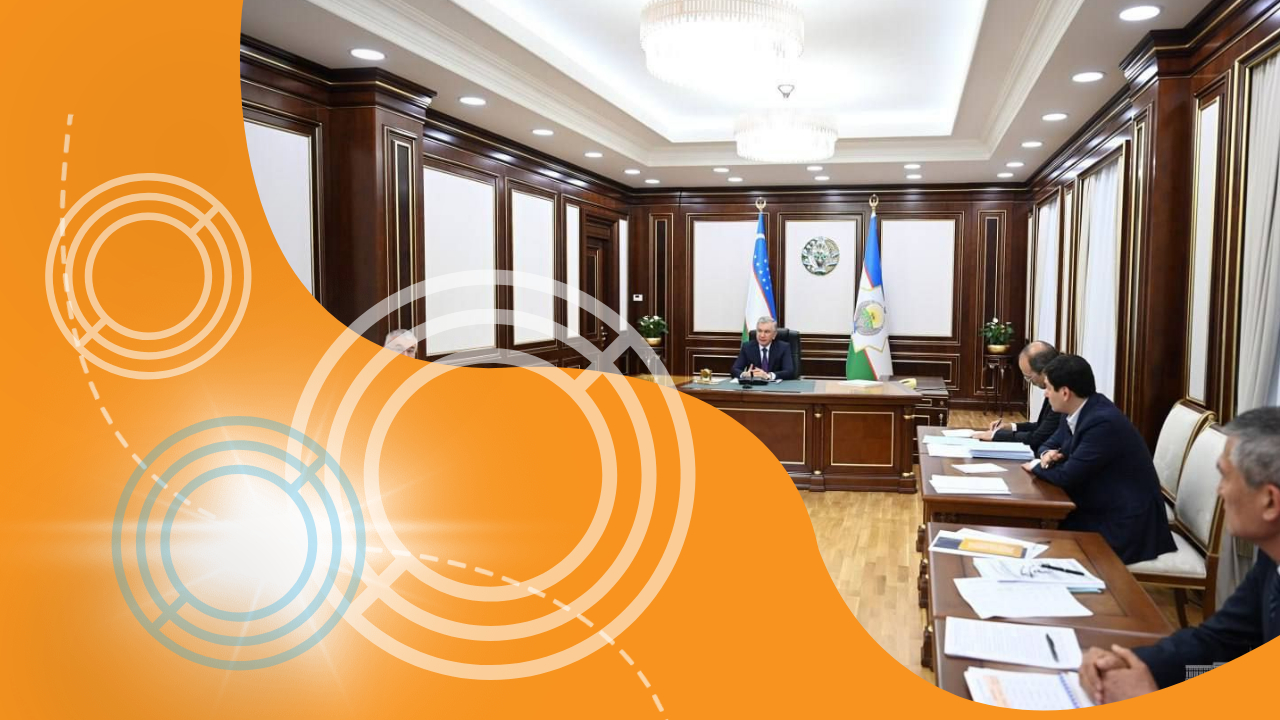
    Президент Шавкат Мирзиёев 29 апреля провел совещание по обсуждению задач в сфере геологии и горно-металлургической промышленности.

    Отечественной геологической отрасли ежегодно выделяется один триллион сумов и в результате реализации целевых программ в прошлом году объем производства в горнодобывающей промышленности достиг почти 11 миллиардов долларов.

    Однако основная часть этого объема приходится на направление драгоценных и цветных металлов, хотя имеется огромный неиспользованный потенциал по критически важным для промышленности минералам. В частности, в нашей стране обнаружено 32 вида таких полезных ископаемых.

    В связи с этим на прошедшей 15 января презентации глава государства дал указания по задействованию возможностей в этой сфере. На сегодняшнем совещании рассмотрены принимаемые меры, планы и предложения.

    Сегодня в мире наблюдается динамичное развитие технологий. Все более возрастает спрос на редкоземельные металлы в электромобильной промышленности, “зеленой” энергетике и электротехнической промышленности. Поэтому в последние годы на мировом рынке значительно выросли цены на молибден, теллур, селен и графит.

    Президент указал на открывающиеся большие перспективы. Подчеркнута необходимость расширения освоения существующих и разведки новых месторождений критически важного сырья.

    В настоящее время в нашей стране добывают шесть видов такого сырья. Вместе с тем есть возможность получать продукцию с высокой добавленной стоимостью из металлов платины, индия, ванадия, а также минералов, содержащих вольфрам, молибден, рений, цинк и марганец. Например, можно организовать выпуск продукции в прежде не существовавшей в нашей стране порошковой металлургии на 300 миллионов долларов и в сфере оборудования и комплектующих на 100 миллионов долларов в год.

    Недавно было достигнуто соглашение о критически важном сырье с Европейским Союзом, что открывает широкий доступ на этот большой рынок.

    С учетом этого ответственным лицам поручено сформировать  с участием иностранных экспертов и инвесторов программу перспективных проектов на сумму 500 миллионов долларов по редкоземельным металлам. Подчеркнута необходимость развивать это направление с научным подходом, организовать с этой целью проектный офис и привлечь ведущие институты и научные центры.

    На совещании также рассмотрены вопросы увеличения добычи драгоценных металлов на Навоийском горно-металлургическом комбинате.

    Ответственные лица доложили о возможностях по дальнейшему увеличению как запасов, так и объемов добычи золота.

    Президент дал указания снизить себестоимость производства на комбинате на 10-15 процентов, расширить промышленную кооперацию и локализацию. Поставлена задача организовать Научный центр передовых технологий по драгоценным металлам.

  • Uzbekistan’s $500 Million Quest for Rare Metals

    Uzbekistan’s $500 Million Quest for Rare Metals

    On April 29, President Shavkat Mirziyoyev chaired a meeting to discuss tasks related to geology and the mining-metallurgical industry.

    The domestic geological sector receives an annual allocation of one trillion Uzbekistani som. As a result of targeted programs implemented last year, the production volume in the mining industry reached nearly 11 billion US dollars. However, the majority of this volume is attributed to precious and non-ferrous metals, despite the vast untapped potential for critical industrial minerals. Specifically, our country has identified 32 types of such valuable minerals.

    In connection with this, during a presentation on January 15, the head of state provided instructions to utilize opportunities in this field. Today’s meeting covered the measures, plans, and proposals being implemented.

    The world is witnessing dynamic technological advancements. There is a growing demand for rare earth metals in the electric vehicle industry, green energy, and electrical engineering. Consequently, prices for molybdenum, tellurium, selenium, and graphite have significantly risen in recent years on the global market.

    The President emphasized the emerging prospects. The need to expand the exploration of existing deposits and explore new critical raw material sources was underscored.

    Currently, our country extracts six types of such raw materials. Additionally, there is potential to produce high-value-added products from platinum, indium, vanadium, and minerals containing tungsten, molybdenum, rhenium, zinc, and manganese. For instance, production in previously nonexistent powder metallurgy could reach 300 million dollars annually, and equipment and components could generate 100 million dollars per year.

    Recently, an agreement was reached with the European Union regarding critical raw materials, providing broad access to this significant market.

    Considering this, responsible parties have been tasked with developing a program for prospective projects related to rare earth metals, involving foreign experts and investors, with a budget of 500 million dollars. Emphasizing the need for a scientific approach, a project office will be established, and leading institutes and research centres will be engaged.

    During the meeting, discussions also centred on increasing the extraction of precious metals at the Navoi Mining and Metallurgical Combine.

    Officials reported on opportunities for further increasing both reserves and gold production volumes.

    The President instructed a 10-15% reduction in production costs at the combine, expansion of industrial cooperation, and localization efforts. Additionally, the establishment of an Advanced Technology Research Center for Precious Metals was prioritized.

  • Kumtor Gold Company to Pay Kyrgyzaltyn $151.3 Million in Dividends

    Kumtor Gold Company to Pay Kyrgyzaltyn $151.3 Million in Dividends

    Kumtor Gold Company (KGC) has announced its plans to pay Kyrgyzaltyn $151.3 million in dividends. This amount exceeds the 2022 figure by $11.3 million when Kyrgyzaltyn received $140 million. According to KGC’s financial report, the company’s net profit amounted to $371.721 million last year, marking a 59.4% increase from 2021.

    It’s worth noting that with the dividend payout by Kumtor, Kyrgyzstan’s total income from the gold mining company for 2022 and 2023 will reach $291.3 million. This nearly triples the dividends received by Kyrgyzstan from Canadian company Centerra Gold Inc. between 2010 and 2021, which amounted to $101.7 million.

    Recall that Kumtor fully transitioned into Kyrgyzstan’s ownership on July 29, 2022, following the exchange of relevant documents at the Kyrgyzstan Embassy in the United Kingdom.

  • Technonicol to build new stone wool plant in Kazakhstan

    Technonicol to build new stone wool plant in Kazakhstan

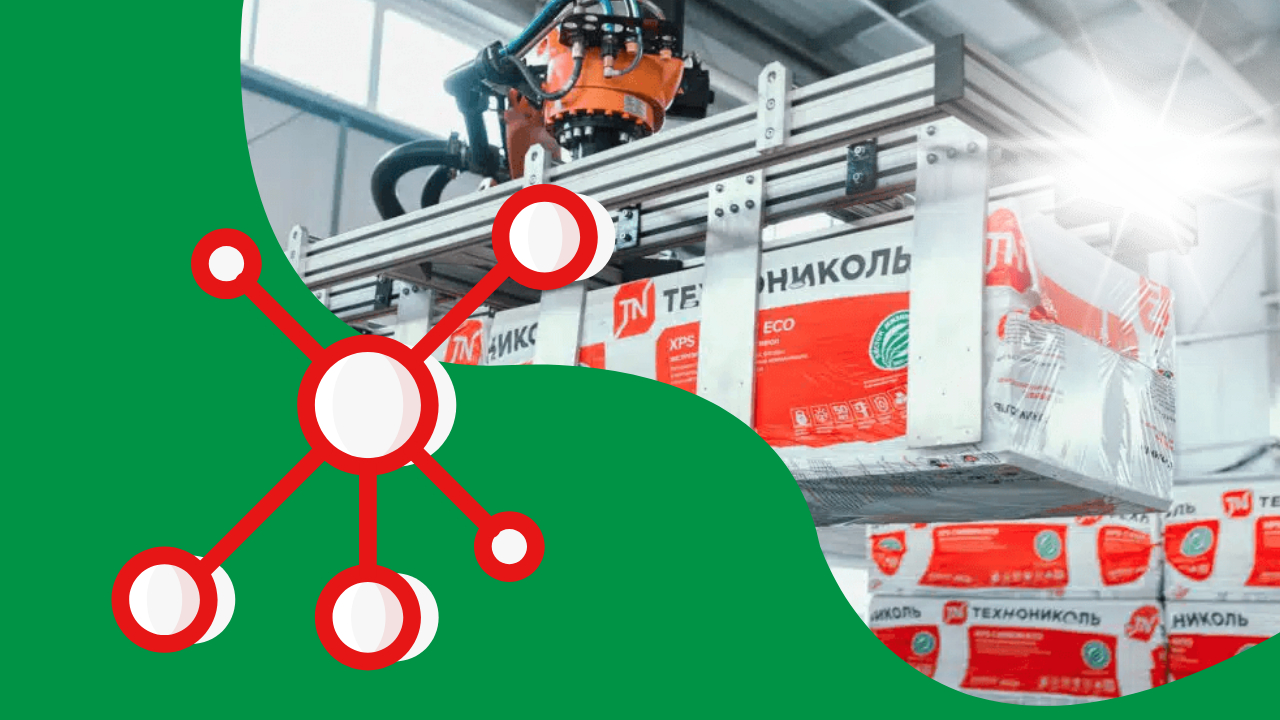
    The Russian company “Technonicol” has started building a new stone wool factory in Kazakhstan, with an investment of 55 billion tenge. The facility will be located 20 kilometers from Karaganda in the industrial zone “Sarany”. The launch is scheduled for April 2026, according to the company’s release.

    This is already the third factory of “Technonicol” to open in Kazakhstan. In 2024, two factories of the company will start operating in the Almaty region, producing thermal insulation materials.

    “Kazakhstan demonstrates active economic growth and increasing domestic demand for building materials. Additionally, the country’s geographical location at the intersection of trade routes connecting Kyrgyzstan, Uzbekistan, China, and Mongolia expands opportunities for export,” said Sergei Kolesnikov, co-owner of “Technonicol”.

    The new factory will produce mineral wool for thermal and sound insulation of roofs, facades, floors, and internal partitions of residential, public, and industrial buildings, as well as insulation materials for sandwich panels and technical insulation.

    According to the company’s plans, 30% of the materials will be exported abroad, while the remaining part will be supplied to domestic companies. The opening of the factory will create over 180 jobs at the production site and around 1,500 jobs in service subcontracting organizations that will serve it.

    “We are formalizing land ownership and starting the construction design process, as well as assembling a team of key specialists. We have concluded part of the contracts for engineering and equipment supply. By the end of the year, we will begin preparatory and earthworks,” noted Vasily Tkachev, one of the company’s executives.

    “Technonicol” is a major Russian manufacturer of roofing, waterproofing, and thermal insulation materials.

    The company was founded in 1992 by Sergei Kolesnikov and Igor Rybakov. Both businessmen are included in the Russian Forbes list for 2023, with each estimated to be worth $1.4 billion. In May 2023, Poland imposed sanctions against the billionaires, citing their activities in “key sectors of the economy, including those related to oil processing”.

    In October 2023, TechnoNicol announced the sale of two plants in the UK and legal action over its Polish plant. The company has no plans to sell its assets in Lithuania, Germany, or Italy, which continue to operate autonomously. In March 2024, the company announced that it would triple its investments in mineral wool production in Russia and Kazakhstan.