Website: Eurasia.com

  • Kyrgyz President Calls for Enhanced Climate Cooperation at Central Asia-Germany Summit

    Kyrgyz President Calls for Enhanced Climate Cooperation at Central Asia-Germany Summit

    The President of Kyrgyzstan, Sadyr Japarov, urged his counterparts to increase cooperation on climate change during the Central Asia-Germany Summit, according to a statement from the President’s press office. In his speech, Japarov highlighted the growing global influence of Central Asia in recent years. He stressed that regional and interregional integration is essential for a shared future.

    Japarov also expressed optimism that sustained collaboration between Kyrgyzstan and Germany could lead to stronger investment and trade partnerships. He pointed out Kyrgyzstan’s vast potential in green energy and metal mining, particularly in rare-earth elements.

    Addressing the urgent need for climate cooperation, Japarov noted a worrying statistic: Kyrgyzstan’s glaciers have shrunk by 16% over the last 70 years. He also cited the lack of funding as a major obstacle to achieving the targets of the Paris Climate Agreement, with limited options for broad public financing of environmental initiatives. As a solution, he proposed a new mechanism of exchanging public debt for green projects to support climate action.

  • Development of Urmezan-3 Coal Deposit Underway in Batken Region

    Development of Urmezan-3 Coal Deposit Underway in Batken Region

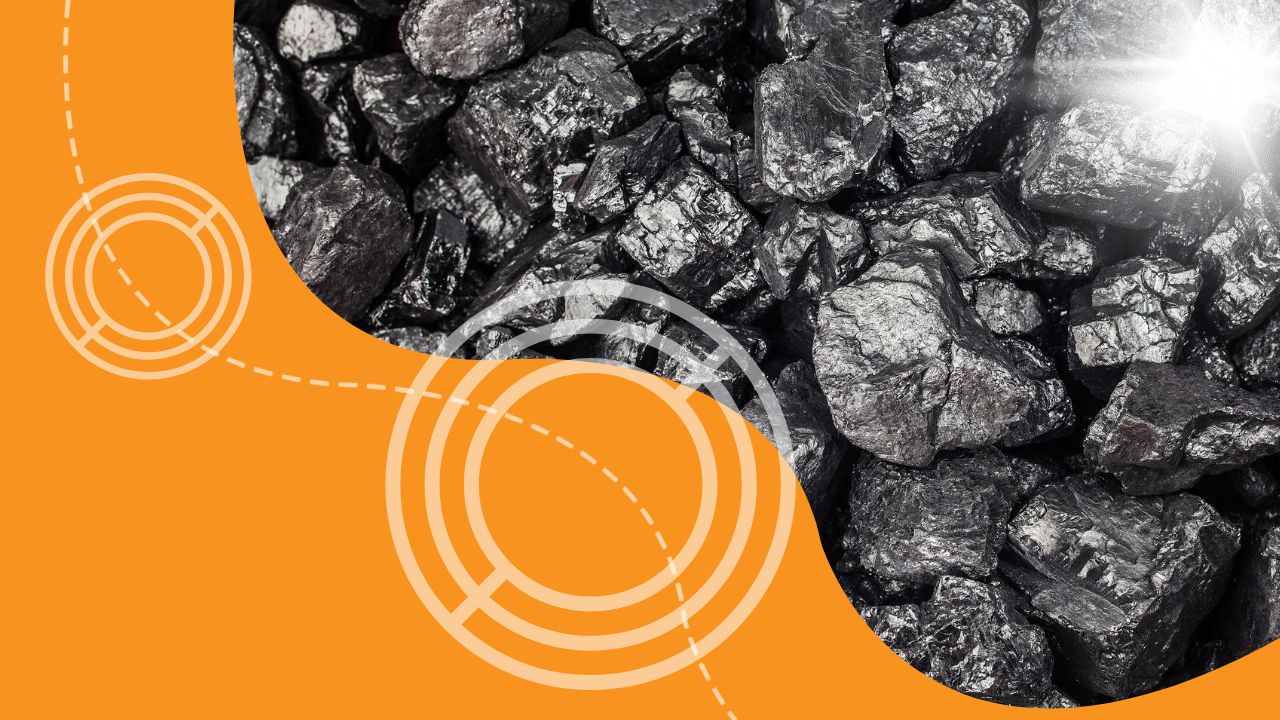
    The development of the Urmezan-3 coal deposit has officially commenced in the Batken district of the Batken region, as reported by the press service of the state enterprise Kyrgyzkomur. This initiative carries a project cost of $3 million. The state-owned company is focusing on coal mining to ensure that the local population has access to affordable coal. Currently, 26 individuals are employed at the site, which spans an area of 5 hectares.

  • United States and Uzbekistan Sign MOU to Strengthen Cooperation on Critical Minerals

    United States and Uzbekistan Sign MOU to Strengthen Cooperation on Critical Minerals

    Ambassador Jonathan Henick and First Deputy Minister of Geology Omonullo Nasritdinxodjaev signed a Memorandum of Understanding (MOU) today to enhance cooperation between the United States and Uzbekistan in the area of critical minerals. The signing took place just before Uzbekistan’s participation in MINExpo INTERNATIONAL, the world’s largest mining industry event, set for September 24-26, 2024, in Las Vegas, Nevada.

    This agreement follows the announcement made during the September 2023 Presidential Summit in New York, where President Biden, President Mirziyoyev, and the presidents of Kazakhstan, Kyrgyz Republic, Tajikistan, and Turkmenistan agreed to launch a Critical Minerals Dialogue. The MOU aims to promote economic cooperation, drive investment in clean energy initiatives, and safeguard Central Asia’s ecosystems.

    Critical minerals and rare earth elements are vital to clean energy technologies and are becoming increasingly important in global economies. The United States is actively encouraging private sector investment in Uzbekistan’s mining sector. The MOU underscores both nations’ commitment to maintaining high environmental, labor, and governance standards in the global mining sector.

    Ambassador Henick stated, “The United States and Uzbekistan must cooperate to establish resilient and secure supply chains that can support the future energy landscape. This memorandum reflects our shared goal to diversify global mineral supply chains and expand our Strategic Partnership with Uzbekistan.”

  • Uzbekistan and Germany Strengthen Cooperation on Critical Mineral Resources and Industrial Projects

    Uzbekistan and Germany Strengthen Cooperation on Critical Mineral Resources and Industrial Projects

    Uzbekistan and Germany have engaged in discussions to enhance collaboration on the development and deep processing of critical mineral resources, as well as the production and export of high value-added goods. This was a key topic during a meeting between Uzbek President Shavkat Mirziyoyev and German Chancellor Olaf Scholz, held in Samarkand with representatives from leading companies and banks from both nations.

    The discussions involved prominent figures such as Michael Kellner, Germany’s Parliamentary State Secretary for Economic Affairs and Climate Action, and Michael Harms, Managing Director of the Eastern Committee of German Industry. Major German companies like KNAUF, Siemens Energy, Linde Group, and Aurubis participated, along with financial institutions such as KfW Development Bank and AKA Bank.

    The meeting highlighted the successful outcomes of high-level negotiations, supporting Uzbekistan’s strategic priorities for economic transformation and sector modernization. Both sides agreed on measures to accelerate joint investment projects and trade agreements under a new Program for Industrial and Technological Partnership. Key sectors identified for collaboration include green energy, chemical industry, green hydrogen, machine engineering, textile industry, and pharmaceuticals.

    President Mirziyoyev and Chancellor Scholz emphasized the importance of continuing joint projects in sectors such as construction materials, metallurgy, energy, transportation infrastructure, and agriculture. Scholz’s official visit to Uzbekistan took place on September 15-16, further strengthening bilateral ties.

  • New Precious Metal Deposit to Be Developed in Ulytau Region

    New Precious Metal Deposit to Be Developed in Ulytau Region

    In Kazakhstan’s Ulytau Region, a new precious metal deposit will be developed as part of the Symtas Project. The mining company Komkon LLP has submitted a mining plan for the project on Kazakhstan’s Unified Environmental Portal. Komkon has been conducting geological exploration in the Baikonyr area of Ulytau since 1998, with the deposit’s reserves officially placed on record in 2020.

    The Symtas deposit holds reserves of 98.6 thousand tons of ore and 524.75 kg of gold, with an average content of 5.32 g/t (C1 category). Two areas, Mizernoye and Zapadnoye, have been identified as promising for further development. The project will feature two open pits, with Mizernoye extracting two ore bodies and Zapadnoye working with three. The project will also include a shared waste dump, an ore stockpile, a transport department, and supporting infrastructure, such as a field camp and repair services.

    Komkon plans to extract gold over the next three years, with the project expected to break even in 2.3 years. The company has already signed a contract with Kazakhmys Smelting LLP for the supply of gold-bearing flux, which will be processed at the Zhezkazgan copper smelter. In 2017, a semi-industrial trial of Symtas ore demonstrated the feasibility of its use as flux, achieving a 92.07% recovery rate.

  • Sibanye-Stillwater Explores New Caledonia’s Prony Resources for Nickel Supply

    Sibanye-Stillwater Explores New Caledonia’s Prony Resources for Nickel Supply

    Sibanye-Stillwater, a Johannesburg-based precious metals producer, is exploring New Caledonia’s Prony Resources as a potential supplier of nickel for its battery-grade material production at the Sandouville plant in France. The company is also considering Indonesia as another source for mixed hydroxide precipitate (MHP), a crucial material for electric vehicle batteries.

    Prony Resources, which operates a nickel mine and hydrometallurgical processing plant, has been seeking investors amid its struggles. However, Sibanye’s spokesperson, James Wellsted, clarified on Tuesday that the company is not looking for acquisitions but is focused on securing feedstock for its planned Sandouville conversion. The project aims to shift the plant towards processing battery-grade nickel as part of the company’s push into green energy.

    A team from Sibanye is currently in New Caledonia to evaluate Prony as a supplier, especially given Prony’s existing contract with Tesla to supply MHP for electric vehicle batteries. Meanwhile, local media reports suggest advanced talks between Sibanye and Prony, though Sibanye has yet to confirm any formal acquisition discussions.

    New Caledonia’s nickel sector has faced significant challenges this year, with operations halted at Prony since May due to unrest in the French-controlled territory. Prony declined to comment on the situation.

  • Western Nations Urged to Sever Ties with Russia’s Nuclear Giant Rosatom

    Western Nations Urged to Sever Ties with Russia’s Nuclear Giant Rosatom

    Despite Rosatom’s involvement in Russia’s occupation of Ukraine and its significant role in expanding the Kremlin’s global influence, some Western countries continue to engage in business with the state nuclear corporation. Rosatom has been instrumental in the capture and management of Ukrainian nuclear facilities, including the Chornobyl Exclusion Zone and the Zaporizhzhia Nuclear Power Plant (ZNPP), which was seized by the Russian military in March 2022. With Rosatom staff actively involved in the plant’s operations under Russian supervision, there have been credible reports of the company playing a complicit role in detention and torture of Ukrainian workers at the ZNPP.

    Rosatom’s influence extends beyond Ukraine. It remains a key supplier of nuclear material and technology to countries worldwide, including EU and NATO members. Despite recent US sanctions and European efforts to diversify, Rosatomcontinues to supply 38% of enrichment services to European utilities, while countries like Hungary and Francemaintain contracts with the company.

    The ongoing reliance on Rosatom by Western countries raises concerns over both moral dissonance and energy security. Cutting ties with Rosatom is not only necessary to align support for Ukraine with action but is also crucial to curb Moscow’s long-term political influence via the nuclear sector. With Rosatom’s growing presence in key projects such as the Akkuyu Nuclear Power Plant in Turkey and the Hungarian reactors, experts argue that the time has come for Western nations to step up their efforts to replace Russian nuclear technology and fuel with viable alternatives.

  • Mining Company “Sary Arka” to Launch New Metal Extraction Project Next Year

    Mining Company “Sary Arka” to Launch New Metal Extraction Project Next Year

    Next year, the mining company “Sary Arka” is set to unveil a new project at the Bugetkol deposit, located in the Aytekebi District of the Aktobe Region. The company plans to extract metals through open-pit mining, working two quarries down to a depth of 35 meters. The projected capacity of the new facility is estimated at 770,000 tons of oxidized nickel-cobalt ores annually, with an average nickel content of 0.9%.

    According to the investment platform for projects in Russia and EAEU countries, the Bugetkol deposit has identified reserves of 251,200 tons of nickel and 13,700 tons of cobalt, making it a key source for exporting metal concentrates to China and other consumer nations. The platform also indicates a total investment of 41 billion rubles for the project.

    As per the project documentation, mining operations are expected to run from 2025 to 2051. In addition to the quarries, “Sary Arka” plans to build a tailings storage facility with a capacity of 7.3 million cubic meters to hold waste from a hydrometallurgical plant. The company has already applied for a loan from the Development Bank of Kazakhstan to fund the construction of a nickel sulfate plant.

    Earlier, the company KazMetalGroup announced that it also plans to launch its Dzhusalinskoe nickel-cobalt deposit in the Aktobe Region by 2025.

  • UN Expert Panel Issues Guidelines for Just and Equitable Energy Transition

    UN Expert Panel Issues Guidelines for Just and Equitable Energy Transition

    A United Nations panel of experts has published a comprehensive set of recommendations and guidelines for governments and mining companies aimed at safeguarding human rights, justice, and equity during the global race for energy transition minerals. The report, titled Resourcing the Energy Transition: Principles to Guide Critical Energy Transition Minerals towards Equity and Justice, outlines ways to ensure that the shift to renewable energy promotes sustainable development, protects the environment, and fosters prosperity in resource-rich developing nations.

    UN Secretary-General António Guterres, who convened the panel in April, emphasized that the report acts as a “how-to guide” for generating both prosperity and equality alongside clean energy, noting the critical timing as demand for minerals is projected to nearly triple by 2030. Among the panel’s key proposals are the establishment of a UN expert advisory group to facilitate policy dialogue on mineral value chains, a global transparency and accountability framework, and the creation of a fund to address issues stemming from abandoned or derelict mines.

    The report also highlights the need to empower artisanal and small-scale miners as agents of change, promoting environmental protection and human rights. It stresses the importance of enhancing material efficiency and supporting the role of the UN as a neutral convener in achieving the goals of the Paris Agreement. The Secretary-General has instructed the panel to present its findings to member states and other stakeholders ahead of the COP29 conference later this year.

  • Kaz Critical Minerals Completes Successful Drilling Program in East Kazakhstan

    Kaz Critical Minerals Completes Successful Drilling Program in East Kazakhstan

    Kaz Critical Minerals LLC (KCM), a subsidiary of Kaz Resources LLC and portfolio company of Cove Capital LLC, has completed its drilling program on the Alday concession in East Kazakhstan, a key milestone in its efforts to develop critical minerals in the region. The program included 15 holes spanning 4,700 meters and sets the stage for further exploration across additional concessions.
    CEO Pini Althaus expressed optimism, noting that preliminary results from the Alday site are “very promising”. KCM plans to expand its drilling activities across three other concessions, fast-tracking exploration for the remainder of the 2024 field season. The company is also benefiting from timely approvals from the Kazakhstan Government, keeping their exploration schedule on track.
    KCM, with the backing of Cove Capital, remains committed to sustainable exploration, collaborating with local communities for mutual benefit. Cove Capital has also formed a strategic alliance with Kazakhstan’s Sovereign Wealth Fund and Tau-Ken Samruk to advance rare earth metal exploration, particularly through joint ventures like the Akbulak rare earth project.