Website: Eurasia.com

  • Poland’s JSW Targets Higher Coal Production in 2025, Not Eyeing New Acquisitions

    Poland’s JSW Targets Higher Coal Production in 2025, Not Eyeing New Acquisitions

    Poland’s largest coking coal producer, JSW, announced that it is not currently considering acquiring any mining assets from Polska Grupa Gornicza (PGG). Adam Rozmus, JSW’s vice-president for technical matters, made the statement during a press conference on Monday, confirming that the company is focused on its own operations rather than new acquisitions.

    Rozmus also reiterated JSW’s coal production target for 2024, set at 12.45 million tonnes. He added that production in 2025 is expected to significantly surpass the 12 to 13 million tonne range, although specific figures were not provided.

    Ryszard Janta, JSW’s CEO, addressed questions about the company’s ongoing restructuring efforts, stating that detailed analyses are underway across all of JSW’s operations. He emphasized that simply returning to annual production levels of 14 to 15 million tonnes would not be sufficient to meet the company’s future goals. Janta also noted that the group is closely examining labor costs as part of its broader strategy.

  • Mongolia’s Long-Delayed Uranium Project by Orano Could Begin Production by 2030

    Mongolia’s Long-Delayed Uranium Project by Orano Could Begin Production by 2030

    French state-controlled mining company Orano SA announced that its long-awaited uranium project in Mongolia, the Zuuvch Ovoo mine, could begin production by 2030, following five years of construction. The project’s future hinges on the signing of an investment agreement, with a confirmation vote scheduled for the current session of Mongolia’s parliament.

    Orano’s representative in Mongolia, Olivier Thoumyre, revealed that the mine could become the largest in the country since Rio Tinto’s Oyu Tolgoi copper-gold project. Zuuvch Ovoo has been in development for over a decade, initially launched by Orano’s predecessor, Areva SA, in partnership with Mongolia’s state nuclear company, Mon-Atom.

    The global demand for uranium is on the rise as countries such as China continue to build nuclear power plants, and other nations in Europe and Asia focus on nuclear energy as part of their strategies to reduce carbon emissions. This growing demand positions Mongolia to potentially become a key player in the uranium market, according to Thoumyre, who spoke at an industry event in Nalaikh, near Ulaanbaatar.

    The reappointment of Prime Minister Oyun-Erdene Luvsannamsrai in July has provided a sense of stability, encouraging continued negotiations between the Mongolian government and Orano. Discussions on the project’s terms, which began a year ago, have remained active, Thoumyre added.

  • Kyrgyzstan Begins Development of Major Titanomagnetite Deposit

    Kyrgyzstan Begins Development of Major Titanomagnetite Deposit

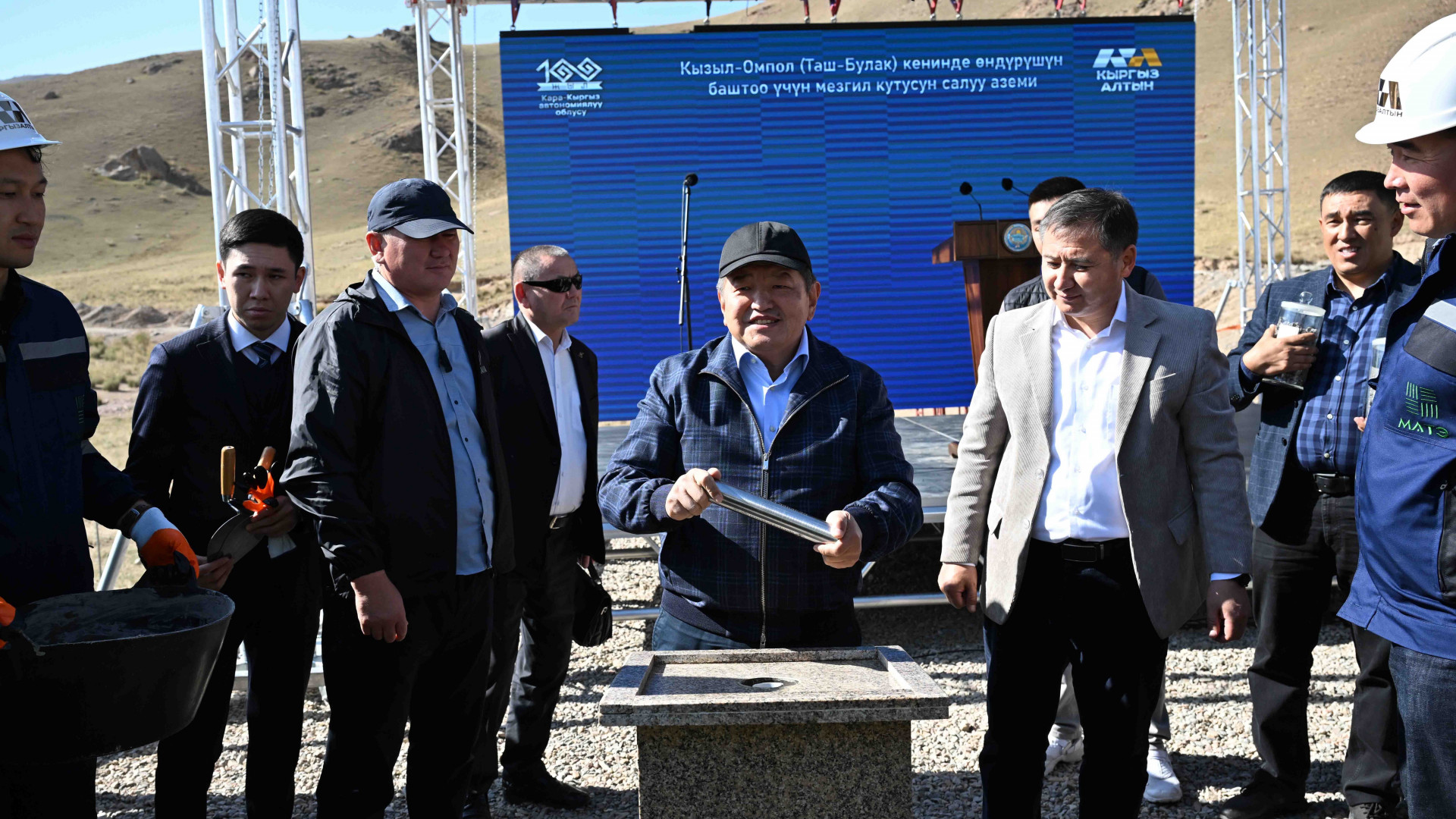
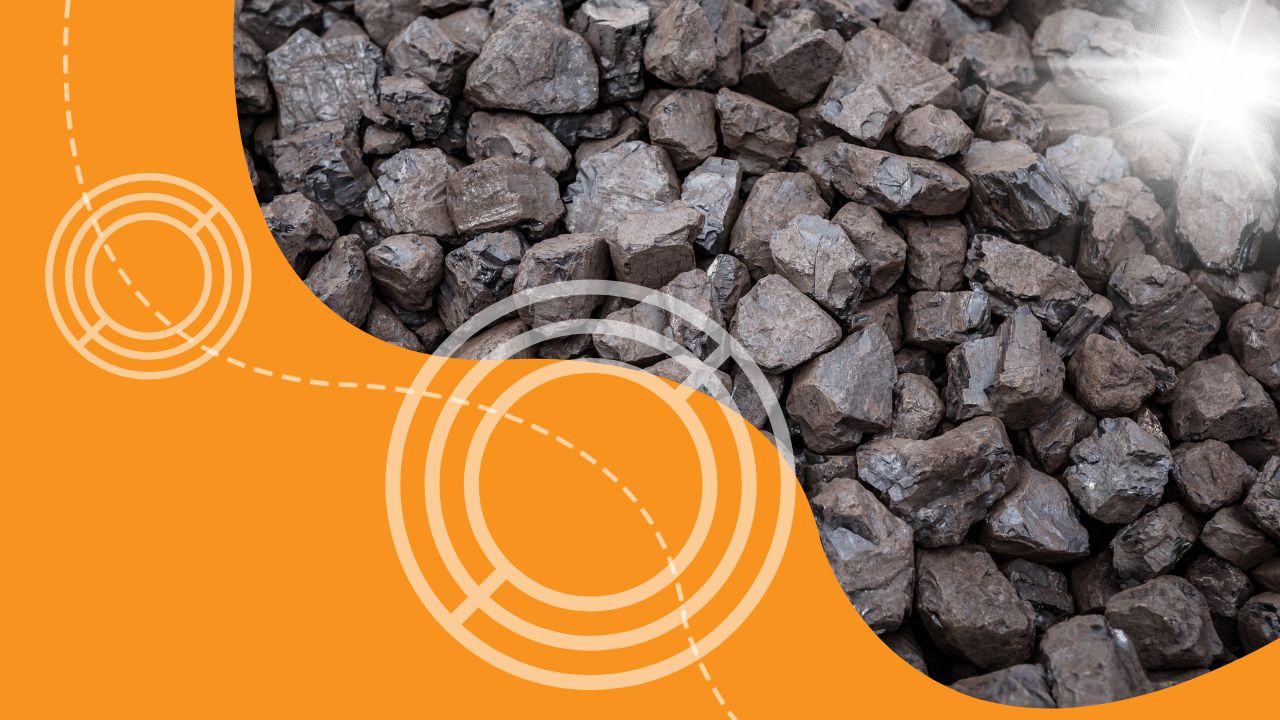
    During a working trip to the Issyk-Kul region, the Chairman of the Cabinet of Ministers of the Kyrgyz Republic and the Head of the Presidential Administration, Akylbek Japarov, participated in a significant event – the laying of a capsule symbolizing the start of the development of Kyrgyzstan’s largest titanomagnetite deposit, Kyzyl-Ompol, located in the Tash-Bulak area.

    The Head of the Cabinet of Ministers emphasized that the development of this valuable resource will be undertaken by the state, and the sources of financing for the project will be determined.

    “This is a very important event for Kyrgyzstan. The Kyzyl-Ompol deposit contains millions of tons of titanomagnetite. Titanium is a valuable metal used in various industries, including medicine, aviation, and space exploration. The development of this deposit will not only increase our exports but also create new jobs, providing a stimulus for the country’s economic development,” said Akylbek Japarov.

    Japarov also highlighted the importance of an environmentally safe approach to the development of the deposit, noting that technologies ensuring the safe extraction of accompanying minerals such as uranium and thorium will be applied. These elements will be removed and transported from the site in strict accordance with international safety standards.

    After the capsule-laying ceremony, Akylbek Japarov familiarized himself with the construction progress of a small hydroelectric power plant at the Orto-Tokoy reservoir. The construction of this hydroelectric station is part of the state program to increase electricity production and create new energy sources in Kyrgyzstan.

    At the end of his working trip, the Head of the Cabinet of Ministers inspected the reconstruction of the Balykchy-Bokonbaev-Karakol road, specifically the section from Balykchy to Barskoon. The decision to inspect this road was made due to complaints from local residents about the delay in repair works.

    Akylbek Japarov expressed dissatisfaction with the pace of the road reconstruction and instructed the responsible parties to accelerate the work and ensure the quality execution of the project. He emphasized that the modernization of road infrastructure is an important step in the development of the transportation system and ensuring traffic safety. Japarov noted that he will personally monitor this issue.

  • Mawson Finland Announces Positive Drill Results in Raja and Joki Zones

    Mawson Finland Announces Positive Drill Results in Raja and Joki Zones

    Mawson Finland Limited has reported promising new drill results from the Raja and Joki zones at its Rajapalot gold-cobalt project in Finland. The results come from a total of 10 drillholes conducted as part of the Company’s 2024 winter drilling campaign. Key findings include the extension of the Raja mineral system by up to 90 meters in some areas, with notable results from drillholes PAL0347, PAL0349, and PAL0355. Among the highlights, PAL0347 recorded 5.8 meters at 2.17 g/t gold, while PAL0349 identified 3.6 meters at 1.74 g/t gold and 1007 ppm cobalt.
    CEO Noora Ahola expressed optimism about the findings, noting the potential for the Raja zone to contribute additional gold-cobalt resources. Mawson remains committed to its resource expansion goals and will continue to release further drill results in the upcoming weeks.

  • Erdene Provides Update on Bayan Khundii Gold Project and Announces Drill Results

    Erdene Provides Update on Bayan Khundii Gold Project and Announces Drill Results

    Erdene Resource Development Corp. has released results from shallow drilling at the Bayan Khundii orebody and provided an update on the Bayan Khundii Gold Project under construction. The project is being developed by Erdene Mongol LLC, a joint venture between Erdene and Mongolian Mining Corporation. Initial results from the drilling program confirmed the high-grade nature of the deposit, consistent with the reserve model for surface zones.

    Erdene’s President and CEO, Peter Akerley, highlighted that a 13,500-metre reverse circulation drilling program will begin soon, aiming to finalize the mine plan before the start of mining in Q1 2025. Exploration drilling around the Bayan Khundii pit is also completed, with results expected in the coming weeks to update the mine plan in conjunction with current gold prices.

    During Q3 2024, a total of 89 shallow diamond drill holes were completed in the high-grade zones within 15 meters of the surface. Additionally, 10 deeper holes were drilled for future mine planning. In Q4 2024, a grade control drilling program consisting of 13,500 meters will take place to refine mining plans further. The mining of Bayan Khundii is expected to start in late Q1 2025, with the mine to be operated using a leased fleet of equipment and employing nearly 90 local operators.

    Mining will focus on the Bayan Khundii pit and a satellite pit at the Dark Horse Mane deposit starting in year 3. The operation aims to produce 650,000 tonnes per annum with a 4 g/t gold grade, reaching an annual gold production of 86,900 ounces during peak years.

    Construction of an Integrated Waste Facility has begun, with tailings and waste rock to be managed in an environmentally controlled manner. Gold production is expected to ramp up over the initial 90 days of operation in 2025.

  • EU and US Welcome New Members to the Minerals Security Partnership (MSP)

    EU and US Welcome New Members to the Minerals Security Partnership (MSP)

    The European Commission and the United States have officially welcomed seven new countries to the Minerals Security Partnership (MSP) Forum during an event held in New York City. The gathering, which took place on the sidelines of the United Nations General Assembly High-Level Week and Climate Week NYC, saw the inclusion of the Democratic Republic of the Congo, the Dominican Republic, Ecuador, the Philippines, Serbia, Türkiye, and Zambia as new members. These nations join an existing group of members, including Argentina, Greenland, Kazakhstan, Mexico, Namibia, Peru, Ukraine, and Uzbekistan, who were introduced at the inaugural MSP Forum in July 2024.

    The MSP Forum, co-chaired by Maive Rute, European Commission Deputy Director-General for Internal Market, and Jose W. Fernandez, U.S. Under-Secretary of State for Economic Growth, Energy, and the Environment, provided a platform for discussions on the responsible mining, processing, and recycling of critical minerals. These materials are essential for sectors such as energy transition and other key strategic industries. Ministers and high-level officials from across the partnership discussed key opportunities, challenges, and priorities related to the critical mineral sector, with a focus on project development, environmental, labour, and social governance aspects.

    The newly added members expressed their interests in further developing their critical mineral sectors, emphasizing the need for investment in local value addition and environmentally sustainable mining practices. The group also discussed the MSP Forum’s roadmap, which includes two primary workstreams on project development and policy dialogue.

    Looking ahead, the European Commission and the U.S. plan to host the next MSP Forum event during Raw Materials Week in Brussels in December 2024.

  • Anglo Asian Mining Unveils JORC-Compliant Resource Estimate for Garadag Copper Deposit

    Anglo Asian Mining Unveils JORC-Compliant Resource Estimate for Garadag Copper Deposit

    On Tuesday, Anglo Asian Mining (LON: AAZ), a leading producer of gold, silver, and copper in Azerbaijan, announced an independent JORC-compliant mineral resource estimate (MRE) for its Garadag copper deposit. The estimate was carried out by Mining Plus UK, revealing a total resource of approximately 900,000 tonnes of copperhosted within 285 million tonnes of ore, with an average grade of 0.32% copper. This includes 304,300 tonnes of copper in the indicated category, derived from 86.9 million tonnes of ore.

    The MRE, the first for the Garadag deposit, was based on 113 third-party drill holes, covering a total of 25,620 meters. To further refine the estimate, Anglo Asian is planning additional infill and extensional drilling, focusing on 26 legacy holes drilled by AzerGold that have not yet been assayed. The company also intends to explore further to gauge the full extent of the mineralization at Garadag.

    “We are excited to confirm the significant potential of the Garadag copper deposit through this independent resource estimate,” said Stephen Westhead, vice-president of Anglo Asian. He noted that the copper output from Garadag would play a crucial role in the company’s strategy to evolve into a mid-tier copper producer with multiple assets.

    Since 2021, Anglo Asian has been expanding its presence in Azerbaijan, acquiring three new copper concessions, including the large-scale Garadag porphyry deposit and the adjacent Xarxar copper deposit. In return, Anglo Asian will relinquish its rights to the Soyudlu gold mine, situated on the border of Azerbaijan’s Kelbajar district and Armenia.

    Anglo Asian’s stock saw a 3.5% increase in London trading, closing with a market capitalization of £102.82 million ($138 million).

  • Europe Faces Challenges in Reducing Reliance on Russian Titanium

    Europe Faces Challenges in Reducing Reliance on Russian Titanium

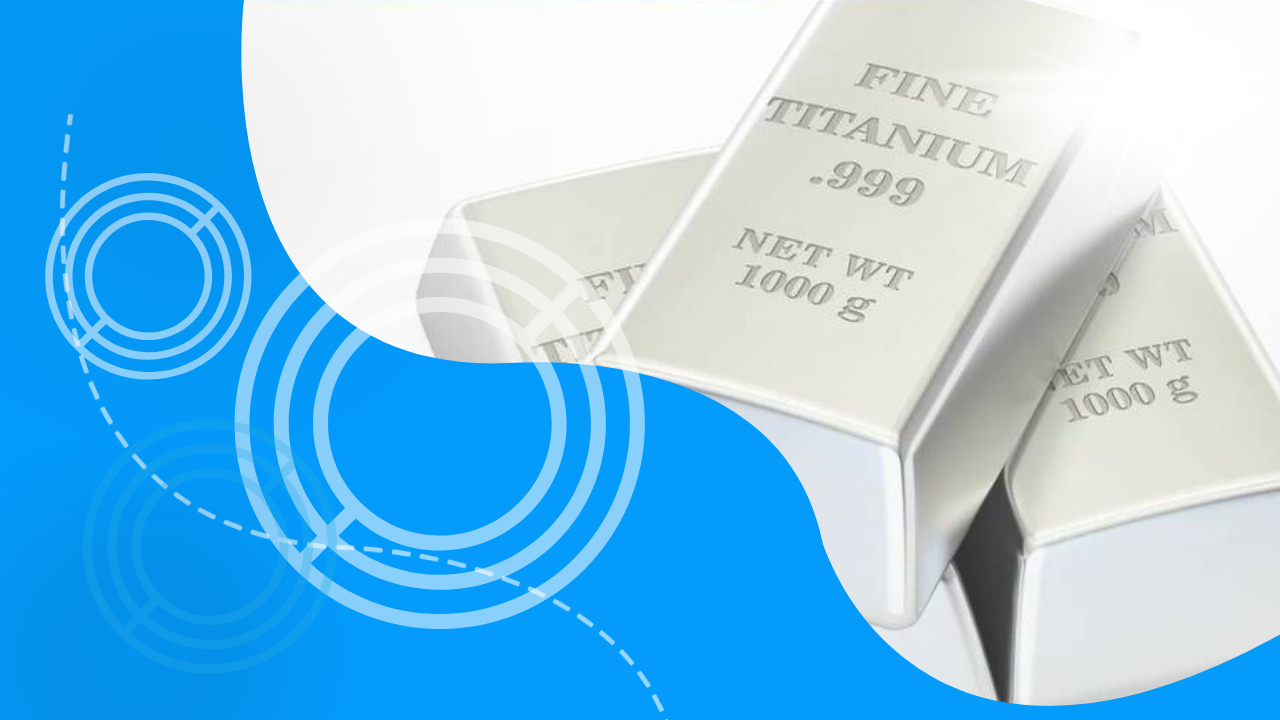
    In the wake of Western sanctions against Russia, European policymakers are grappling with the continent’s heavy dependence on Russian-produced titanium, a critical material for the aerospace industry.

    Despite banning or restricting imports of other Russian metals, Europe has yet to take similar action on titanium. This is largely due to the aerospace sector’s significant reliance on supplies from VSMPO-AVISMA, the world’s largest integrated titanium producer, which is based in Russia.

    The issue came to the fore earlier this year when Canada imposed sanctions on VSMPO-AVISMA, prompting a personal intervention by French President Emmanuel Macron to secure waivers for European aerospace firms like Airbus. This underscores Europe’s continued vulnerability to potential Russian retaliation through titanium export restrictions.

    Titanium’s Importance to Aerospace
    Titanium is highly prized in the aerospace industry for its unique properties – it is lightweight, incredibly strong, has a high melting point and is corrosion resistant. It is a crucial material used in aircraft engines, landing gear and fuselage.

    However, the supply of aerospace-grade titanium is limited, as only a handful of producers globally can meet the stringent purity and quality standards required. Prior to the 2022 Ukraine invasion, VSMPO-AVISMA was estimated to have supplied up to a third of the global aviation sector’s titanium needs.

    Europe’s Titanium Dependency
    Europe was the top destination for Russian titanium product exports in 2019, accounting for 45% of the total. Russian titanium, primarily in the form of wrought alloy for aviation, made up 16% of the EU’s imports that year.

    The problem for Europe is that it lacks domestic titanium sponge production, has limited ingot capacity, and virtually no recycling facilities. This leaves the continent heavily reliant on imports, swapping one dependency (Russia) for another (the United States).

    Transatlantic Recycling Loops
    Much of Europe’s titanium scrap is currently processed in the US, where it is used alongside imported Japanese sponge to produce aerospace-grade alloys. This “transatlantic loop” effectively locks Europe into an asymmetric relationship with US suppliers, discouraging investments in domestic recycling capacity.

    Potential Solutions
    Experts argue that Europe’s best short-term solution is to re-shore its scrap processing capabilities, reducing reliance on US suppliers. However, this will require navigating the interests of European aerospace firms and the leverage of their American counterparts.

    Longer-term, integrating Ukraine’s titanium sponge production into the European supply chain could help, but the timeline for this is uncertain. The EU’s Critical Raw Materials Act also sets ambitious targets for domestic extraction, processing and recycling of critical minerals like titanium by 2030 – goals that Europe is currently far from achieving.

    Ultimately, breaking free of Russia’s titanium grip and reducing Europe’s strategic dependencies will require a concerted, multi-pronged effort by policymakers and industry. The stakes are high, as the aerospace sector’s competitiveness and resilience hang in the balance.
  • Kazakhstan Launches Lithium Recovery Facility Through Battery Recycling

    Kazakhstan Launches Lithium Recovery Facility Through Battery Recycling

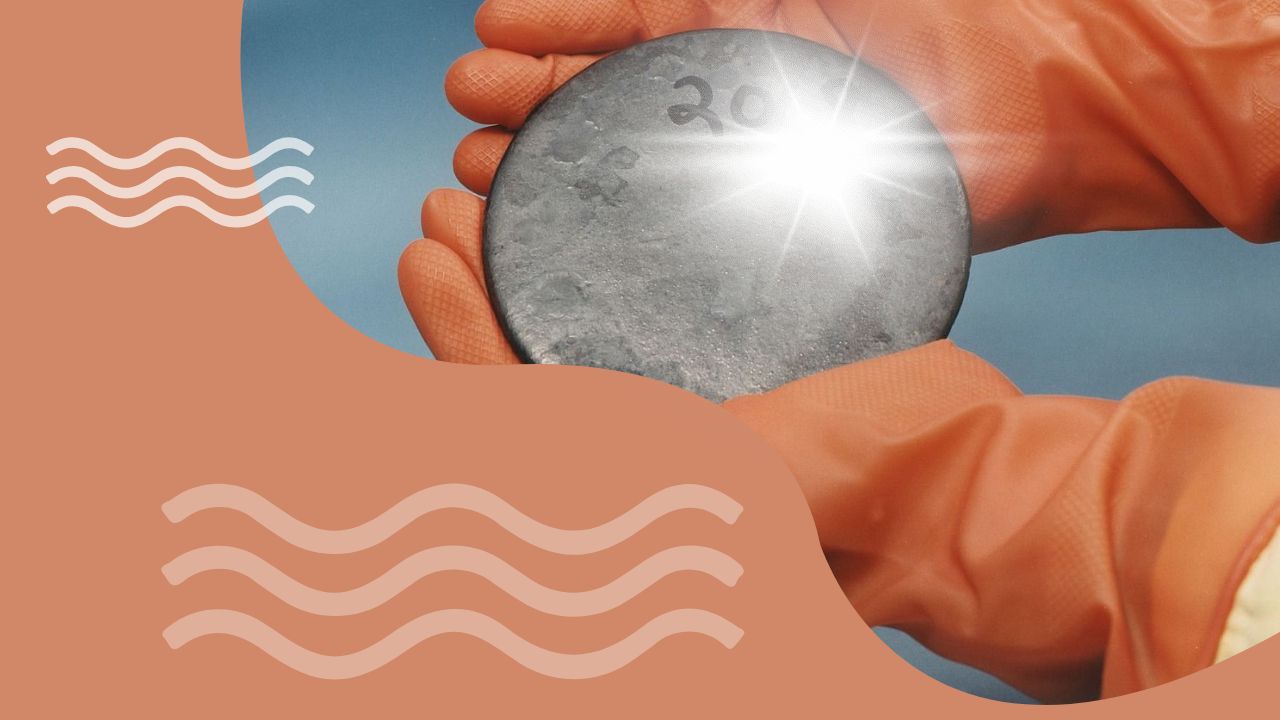
    In Kazakhstan, while the industrial-scale extraction of lithium is not yet fully developed, the country has started obtaining this rare metal by recycling batteries. The first facility dedicated to extracting valuable components from lithium-ion batteries has been launched at the Industrial Place business park. This new production line has a capacity of processing at least 20 tons of raw material per month, according to a report from the Almaty Social Entrepreneurship Corporation (SPK). The facility was built by the company Technic Destroy.

    The facility employs a recycling technology designed to recover lithium-containing powder, aluminum, copper, and other metals from spent batteries. The SPK estimates that 1 ton of used batteries can yield up to 250 kg of lithium, reducing the need for raw material extraction. Battery recycling is said to produce 70-80% fewer emissions compared to primary lithium mining operations.

    At present, local companies in Kazakhstan are not directly engaged in lithium extraction. The country is actively inviting foreign investors into the rare metals and rare earth industries. Earlier this year, three German companies formed a consortium to develop lithium production in Kazakhstan.

  • Surge in Chinese Companies Registered in Kazakhstan Marks Record Growth

    Surge in Chinese Companies Registered in Kazakhstan Marks Record Growth

    The number of Chinese companies registered in Kazakhstan has surged, with a 3.3% increase in August 2024 alone, as 150 new entities were added, bringing the total to 4,700 legal entities, according to the First Credit Bureau (FCB). This marks the highest monthly growth since 2022. Analysts attribute the steady rise to favorable business conditions in the region, despite a slight dip in November 2023, when the number of registered Chinese firms decreased by 20.

    Of the registered Chinese companies, more than 3,000 are currently operational, indicating strong market engagement. No other foreign partner country showed a similar increase in August. Additionally, the number of jointly owned Chinese companies rose by 2.6% month-on-month (MoM), reaching 902.

    In contrast, the number of Russian companies in Kazakhstan has been decreasing for the first time since Russia’s invasion of Ukraine in February 2022. In August, the number of registered Russian enterprises dropped by 13 compared to July, and operating Russian firms fell by 138, reducing the total to 23,500. However, joint ventures with Russian partners increased slightly by 0.6%, bringing the total to 5,000.

    According to the Bureau of National Statistics, Kazakhstan had 31,900 registered foreign companies by August, with 12.1% based in Almaty, 11.7% in Astana, and 6.7% in the Karaganda region. The largest sectors for company registration were services, wholesale and retail trade, and professional research and engineering activities.