Website: Eurasia.com

  • Kazchrome Recognized as Central Asia’s Best Social Partner

    Kazchrome Recognized as Central Asia’s Best Social Partner

    Kazchrome, a subsidiary of ERG, has been named the “Best Social Partner” in Central Asia by the Council of Trade Unions of Central Asia (CTSCA). This award reflects Kazchrome’s exemplary efforts in fostering social responsibility, workplace safety, and community development.

    The award was announced during the CTSCA’s VI meeting in Dushanbe, with Kazchrome CEO Sergey Prokopiev receiving the honor. Prokopiev credited the recognition to the company’s dedication to creating favorable employee conditions and supporting regional communities. As a key employer, Kazchrome has been pivotal in advancing socio-economic development in its operational areas.

    In 2024, Kazchrome allocated approximately 9 billion tenge for employee welfare programs, including professional development, corporate culture initiatives, and comprehensive social support. The company also invested significantly in community projects such as public space enhancements, cultural center construction, and procurement of healthcare and educational resources.

    Kazchrome’s ongoing initiatives are part of a broader ERG effort to uphold sustainability and social responsibility principles, ensuring long-term growth and community well-being.

  • Metso Observes Growth in Performance-Based Maintenance Contracts

    Metso Observes Growth in Performance-Based Maintenance Contracts

    Metso reports a growing trend in performance-based maintenance contracts as it continues to establish itself as a reliable provider of customized solutions for mining and aggregates clients. In 2024, the company secured over 100 new Life Cycle Services (LCS) contracts with both global and regional mining companies, as well as large quarries and aggregate contractors.

    Customers are increasingly recognizing the value of having performance-based contracts, which offer technical expertise and support on-site. In 2023, Metso secured more than 110 new LCS contracts with global and regional mining companies and sizeable quarries and aggregate contractors.

    Metso’s Senior Vice President, Integrated Service Solutions, Miika Tirkkonen, stated that the company made progress in transforming its contract portfolio mix by adding more performance-based agreements in 2024. These agreements, which include mutually agreed targets with customers and commercial models that promote win-win partnerships, saw over 40% growth in 2024. Having Metso’s field service experts work alongside the customer’s personnel on-site also enhances their skills and promotes safer working methods.

    The LCS agreements signed in 2024 are part of a portfolio of more than 550 long-term LCS agreements globally, with an average duration of three years. The orders are booked on a phased basis, depending on the length and type of the agreement. The specific financial details of the signed agreements are not disclosed. More than two-thirds of the orders were booked in the Minerals segment and the remaining orders were booked in the Aggregates segment.

    Metso’s Life Cycle Services encompass the complete range of its aftermarket portfolio, including spares and wears, advanced maintenance, remote monitoring, and other expert services. The company has been offering innovative Life Cycle Services for over 15 years, assisting customers in enhancing safety and environmental standards, boosting reliability and production for greater resource efficiency, and optimizing the overall cost of ownership.

  • Pan Global Advances Escacena and Cármenes Projects in Spain

    Pan Global Advances Escacena and Cármenes Projects in Spain

    Pan Global Resources Inc. has announced significant progress at its Escacena and Cármenes projects in Spain. The company’s exploration programs in 2024 resulted in major milestones, including the extension of near-surface mineralization at the La Romana target by over 300 meters and the identification of over 15 new geophysical and geochemical anomalies at the Escacena project.

    The advanced copper metallurgical tests delivered industry-leading results, with excellent copper recoveries and low deleterious elements. The La Romana metallurgical testwork also confirmed potential for higher grades and recoveries for copper compared to other advanced projects and mines on the Iberian Pyrite Belt.

    In addition, Pan Global completed an 11-hole step-out drilling program at the Cañada Honda target, indicating large size potential with most of the target untested. The company also announced the commencement of exploration for copper-nickel-cobalt-gold hosted within pipe-like breccia bodies at the Cármenes Project.

    The company raised C$7.2 million in a non-brokered private placement financing in November, with strong support from existing investors and the addition of two new major investors.

    Pan Global’s flagship Escacena Project is located in the Iberian Pyrite Belt in southern Spain, a tier-one low-risk jurisdiction for mining investment with a favorable permitting track record, excellent infrastructure, and mining and professional expertise. The company is committed to operating under the principles of the United Nations Global Compact.

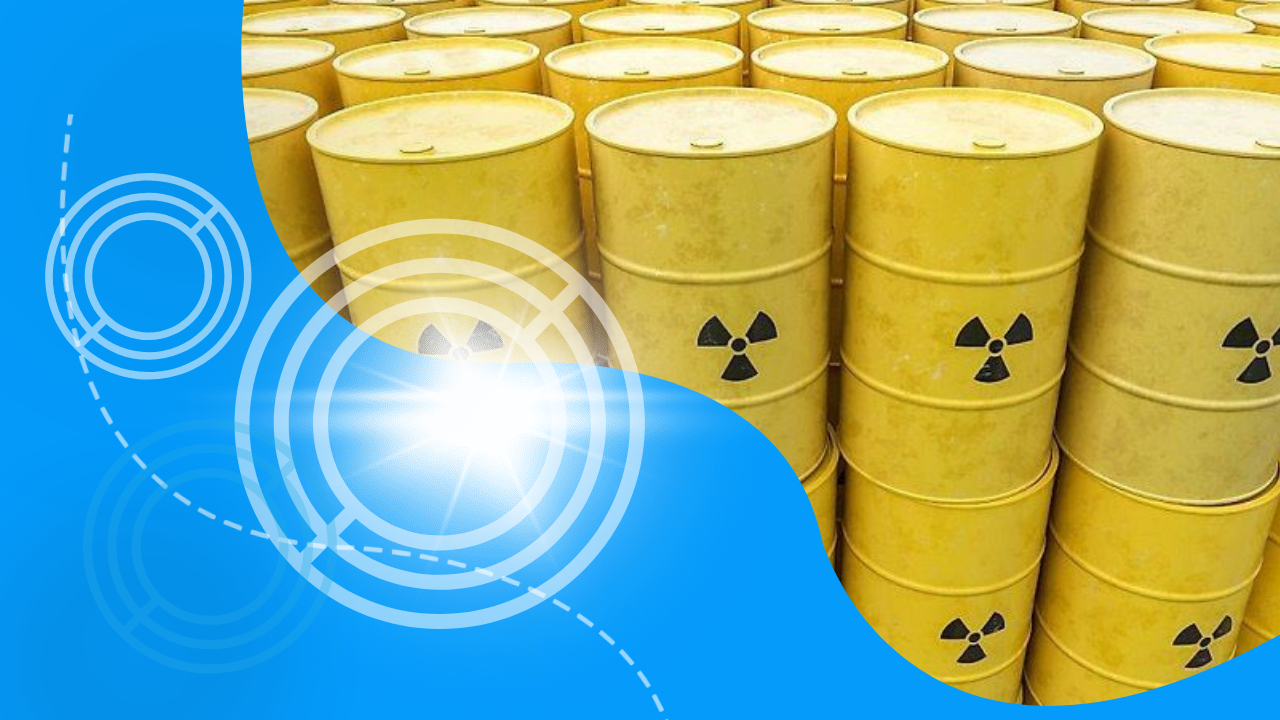
  • Uzbekistan creates plan for handling spent nuclear fuel

    Uzbekistan creates plan for handling spent nuclear fuel

    Uzatom Director Azim Akhmedkhadjaev spoke about the preparation of a strategy for the development of nuclear energy in Uzbekistan. A comprehensive document has been developed regulating the handling of nuclear fuel, radioactive waste and the decommissioning of nuclear facilities, Trend writes.

    An important feature of the project will be the use of local raw materials for fuel production, which will optimize the costs of operating the nuclear power plant. Comprehensive monitoring of environmental and geological parameters is carried out at the construction site in accordance with IAEA recommendations.

    The first power unit is scheduled to be launched five years after construction begins, with the remaining units to be launched every six months. The project is designed to provide the country with year-round electricity, heat and desalinated water, helping to strengthen the economy.

  • Swedish Government Advances Efforts to Lift Uranium Mining Moratorium

    Swedish Government Advances Efforts to Lift Uranium Mining Moratorium

    District Metals Inc. (TSX-V: DMX) is making significant strides in 2025 with the recent announcement of the Swedish government’s plan to lift the uranium mining moratorium. The company owns 100% of the Viken deposit, a large undeveloped alum shale project with an average grade of just under 0.02% U3O8 and 0.3% V2O5.

    The Swedish Government’s inquiry report, released in December 2024, outlines the plan to remove the ban on uranium mining in the Environmental Code and classify uranium as a concession mineral under the Swedish Minerals Act. The proposed legislative changes are set to take effect by January 1, 2026.

    District Metals is included in the list of referral bodies invited to provide comments on the inquiry report into lifting the uranium moratorium during the written consultation period, which began on December 20, 2024, and will continue until March 20, 2025.

    The company’s strong working capital position of over C$5M and the lifting of the uranium mining moratorium in Sweden are expected to drive District Metals’ success in 2025. The company’s market capitalization currently sits at approximately C$53M, but with the proposed lifting of the moratorium, more attention will turn towards uranium projects in Sweden, potentially increasing the company’s value.

  • Ferrexpo Reports Strong 4Q and FY2024 Production Results

    Ferrexpo Reports Strong 4Q and FY2024 Production Results

    Ferrexpo plc (LSE: FXPO), a leading producer and exporter of premium iron ore pellets, has announced its production results for the fourth quarter and full year ending December 2024. Here are the key highlights from the report:

    Commitment to Safety and Wellbeing

    Ferrexpo remains steadfast in its commitment to the safety and wellbeing of its workforce. The company continues to implement extensive measures to protect employees, their families, and local communities. As of November 2024, the Group reported a rolling 12-month Lost Time Injury Frequency Rate (LTIFR) of 0.62, which is slightly above the historic five-year trailing average of 0.52. Notably, the company has reported zero fatalities for over four years.

    Operational Resilience

    Despite disruptions to the energy grid, Ferrexpo successfully operated two out of four pelletising lines during the quarter. The focus remained on producing higher quality pellets and high-grade concentrates. This operational resilience is a testament to the company’s ability to adapt to challenging conditions.

    Production Metrics

    • Total production for the fourth quarter was 1.8 million tonnes, comprising 1.5 million tonnes of pellets and 0.3 million tonnes of 67% Fe concentrate.
    • For the full year ending December 2024, total production reached 6.9 million tonnes, representing a significant 66% increase compared to the same period last year.

    Ferrexpo DR Pellets (FDP)

    The production of Ferrexpo DR pellets (FDP) continued during the quarter, with a record total of 0.5 million tonnes produced for the year. This highlights the company’s growing capacity in this segment.

    Financial Position

    As of 31 December 2024, Ferrexpo’s net cash position stood at approximately US$99 million, slightly down from US$108 million at the end of 2023. The company has minimal lease obligations and no debt, maintaining a strong financial footing.

    Market Recognition

    Ferrexpo has re-entered the FTSE 250 index at the end of December, reflecting its improved performance and market standing.

    These results underscore Ferrexpo’s ability to navigate challenging macroeconomic and operational environments while maintaining a strong focus on safety, quality, and financial stability. The company’s commitment to producing high-grade iron ore pellets continues to support the global steel industry’s transition towards more sustainable and efficient steel production.

  • Central Asia Metals Confident About 2025 Despite Mixed 2024 Production Results

    Central Asia Metals Confident About 2025 Despite Mixed 2024 Production Results

    Central Asia Metals (CAML), the operator of the Kounrad copper recovery plant in Kazakhstan and the Sasa zinc-lead mine in North Macedonia, reported mixed production results for 2024 but remains optimistic for 2025.

    Key highlights:

    • Copper Production: Full-year output at Kounrad reached 13,439 tonnes, within guidance but slightly lower than 2023’s 13,816 tonnes.
    • Zinc and Lead Production: At Sasa, zinc-in-concentrate production totaled 18,572 tonnes and lead-in-concentrate production 26,617 tonnes, both slightly below guidance and 2023 levels.
    • Safety Record: Kounrad reported zero lost time injuries, while Sasa had two incidents.
    • Strategic Progress: Significant advancements were made at Sasa, including near-completion of the dry stack tailings (DST) plant, transition to paste-fill mining, and the central decline project.

    Financials and Outlook:
    CAML ended 2024 with a strong cash position of $67.6 million. For 2025, the company targets:

    • Copper: 13,000–14,000 tonnes
    • Zinc-in-concentrate: 19,000–21,000 tonnes
    • Lead-in-concentrate: 27,000–29,000 tonnes

    CEO Gavin Ferrar expressed confidence in achieving 2025 production guidance, citing experience gained during the 2024 transition to paste-fill mining and the anticipated operational launch of the DST plant in Q1 2025.

  • ERG Goes Green with New Wind Farm

    ERG Goes Green with New Wind Farm

    Eurasian Resources Group (ERG) has begun generating green electricity at its new wind farm in Chromtau, Kazakhstan. The two turbines, the most powerful in the country at 6.25 MW each, mark a significant step in ERG’s decarbonisation strategy.

    This $142 million project will eventually include a 150 MW wind farm powering ERG’s Donskoy GOK ferrochrome plant with 460 million kWh of green electricity annually. This will reduce CO2 emissions by 440,000 tons and prevent the release of over 4,000 tons of other pollutants.

    ERG CEO Shukhrat Ibragimov highlighted the project’s alignment with Kazakhstan’s commitment to carbon neutrality by 2060. He emphasized the company’s dedication to ESG principles and the modernization of Kazakhstan’s industry.

    ERG is also involved in plans for a 200 MW wind farm near Ekibastuz in partnership with Chinese and Kazakh companies, with construction potentially completed by the end of 2026.

  • Transforming Raw Materials into Strategic Strength: EIT Raw Materials Advocates for Bold Action in FP10

    Transforming Raw Materials into Strategic Strength: EIT Raw Materials Advocates for Bold Action in FP10

    Berlin, Germany – EIT RawMaterials, a leading knowledge and innovation community, has issued a compelling call for Europe to transform its raw materials sector into a cornerstone of strategic strength. The organisation has outlined key recommendations for the upcoming Framework Programme 10 (FP10), urging the European Union to invest €4 billion to secure its raw materials future.

    The Challenge: Dependency on Imports

    Europe’s heavy reliance on imported critical and strategic raw materials (CRMs and SRMs) poses significant risks to its green and digital transformation goals. With nearly 100% dependence on external sources for key materials like lithium, magnesium, and rare earth elements, the EU is vulnerable to global supply chain disruptions.

    The Solution: Innovation and Resilience

    EIT RawMaterials proposes a multifaceted strategy to reduce dependency and build resilience:

    • Domestic Production: Increase mining to supply 10% of Europe’s CRM needs.
    • Advanced Processing: Expand processing capacity to 40%.
    • Circular Economy: Reclaim 25% of CRMs through recycling.
    • Global Diversification: Limit reliance on single-country sources to 65%.

    Strategic Investments

    To meet these ambitious targets, the organisation recommends focusing on:

    1. Disruptive Technologies: Develop cutting-edge solutions like Direct Lithium Extraction and advanced recycling.
    2. Circular Economy: Scale up industrial symbiosis and recycling initiatives to retain valuable materials.
    3. Public-Private Partnerships: Allocate €1 billion to foster collaboration between industry and academia.
    4. Workforce Development: Train 1.2 million workers by 2030 to address the sector’s growing demands.

    A Sustainable Future

    EIT RawMaterials emphasizes the transformative potential of the raw materials sector, predicting a €2 trillion economic impact and the creation of 32 million jobs by 2030. Their initiatives also align with the EU’s Critical Raw Materials Act, which sets ambitious targets for mining, processing, and recycling by the end of the decade.

    Leading Innovation

    Since its inception, EIT RawMaterials has mobilized €600 million in funding and unlocked €3.6 billion for research and innovation. Its initiatives have fostered a thriving ecosystem of over 300 partners and 750 alliance members, driving sustainable solutions and workforce development across Europe.

    “The time to act is now,” said a spokesperson from EIT RawMaterials. “With bold investments and strategic collaborations, Europe can secure its industrial competitiveness, lead the global green transition, and build a resilient future.”

  • Germany’s Energy Transition Slows Amidst Sectoral Challenges

    Germany’s Energy Transition Slows Amidst Sectoral Challenges

    Germany’s progress in reducing greenhouse gas emissions slowed in 2024, with a 3% reduction compared to 10% in 2023, as reported by Agora Energiewende. The country achieved an 18-million-ton CO₂ reduction, exceeding its climate targets primarily due to the energy sector’s strong performance. Renewables accounted for 59% of electricity production, and coal’s share fell below 23%.

    However, transport and buildings showed no significant improvement, while industrial emissions rose slightly by 2%. A 44% drop in heat pump sales and a 26% decline in EV registrations highlighted challenges in decarbonization. Political debates over funding sustainable solutions add uncertainty, with upcoming elections intensifying the discourse.

    Despite a 48% emissions reduction since 1990, Germany must accelerate efforts to meet the EU’s 2030 target of 55%. Experts warn that delays in reforming key sectors could jeopardize strategic goals.