Website: Eurasia.com

  • “Not In My Country” Documentary Explores Serbia’s Contentious Lithium Project

    “Not In My Country” Documentary Explores Serbia’s Contentious Lithium Project

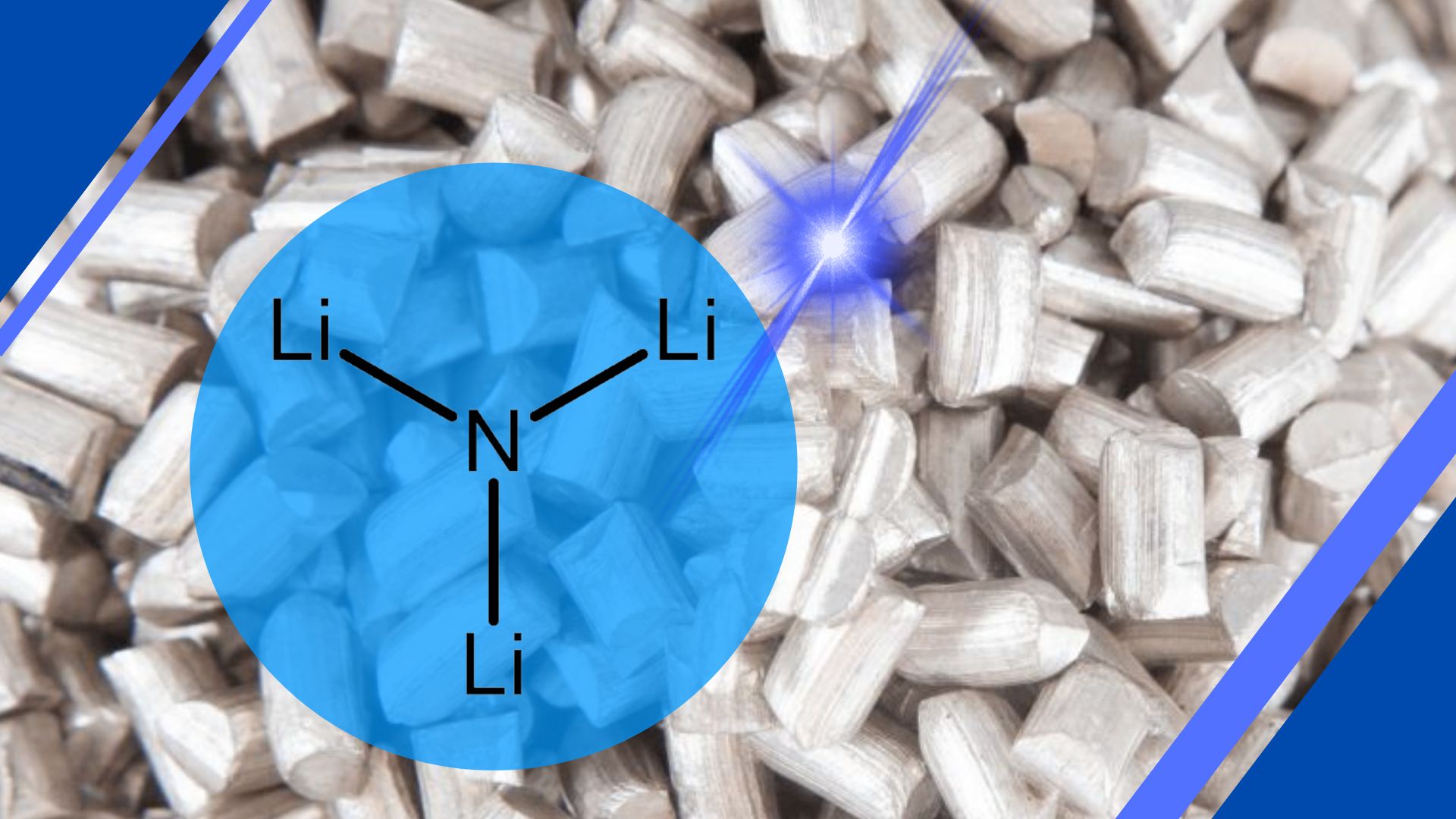
    A new documentary set to premiere at the European Parliament on February 5th, 2025, delves into one of Europe’s most contested mining projects. “Not In My Country: Serbia’s Lithium Dilemma” examines the complex intersection of sustainable energy ambitions, environmental concerns, and geopolitical tensions surrounding the Jadar Valley lithium project in Serbia.

    The film, directed by Stijn van Baarle and presented by Dr. Peter Tom Jones of KU Leuven, chronicles the discovery of a unique lithium-boron-silicate mineral dubbed “Serbian kryptonite” by mining giant Rio Tinto in 2004. What initially seemed like a promising economic opportunity for Serbia has evolved into a deeply divisive issue, sparking nationwide protests and raising questions about environmental sovereignty.

    A Tale of Two Decades

    The documentary traces the project’s trajectory from its optimistic beginnings to the emergence of fierce local opposition. The turning point came in 2020 when Rio Tinto’s land acquisition program began fracturing local communities. The resistance movement gained such momentum that it led to the withdrawal of Rio Tinto’s permits in 2022. However, the story took another turn when Serbia’s Constitutional Court reversed this decision in July 2024, igniting fresh protests in Belgrade.

    Key Questions Addressed

    The film confronts several crucial questions facing modern resource extraction:

    • Can multinational mining corporations be trusted to maintain rigorous environmental and social governance standards?
    • Is Serbia being reduced to an EU mining colony, sacrificing its environmental heritage for Western Europe’s electric vehicle ambitions?
    • Could the opposition to the project be influenced by pro-Russian interests seeking to impede Serbia’s EU membership prospects?

    Multiple Perspectives

    The documentary features an impressive array of voices from all sides of the debate, including:

    • Local activists from the Ne Damo Jadar movement
    • Rio Tinto executives including Marijanti Babic, Chad Blewitt, and Sinead Kaufman
    • ElevenEs’s CEO Nemanja Mikac
    • Serbia’s Minister of Mining & Energy Dubravka Djedovic Handanovic
    • Environmental and political experts from various institutions

    Premiere Event Details

    The European Parliament premiere will be hosted by MEPs Hildegard Bentele and Yvan Verougstraete, in collaboration with the KU Leuven Institute for Sustainable Metals and Minerals. While the in-person event is invitation-only due to security restrictions, the post-screening interview and panel discussion will be livestreamed to ensure public access to this important debate.

    The documentary, funded by SIM² KU Leuven & KU Leuven, represents a significant contribution to the ongoing discourse about sustainable resource extraction in Europe. It highlights the delicate balance between environmental protection, economic development, and geopolitical interests in an increasingly electrified world.

    For those interested in viewing the documentary’s trailer, it is available through Journeyman Pictures, offering a glimpse into this comprehensive exploration of one of Europe’s most significant environmental and economic debates.
  • EU Highlights Recycled Materials in Push for Sustainability

    EU Highlights Recycled Materials in Push for Sustainability

    The European Union is intensifying efforts to integrate recycled raw materials into its sustainability strategy, addressing critical challenges in the supply chain for green technologies. Environment Commissioner Jessika Roswall highlighted the underutilization of secondary materials like lithium, cobalt, and copper, which are crucial for the EU’s transition to climate neutrality by 2050.

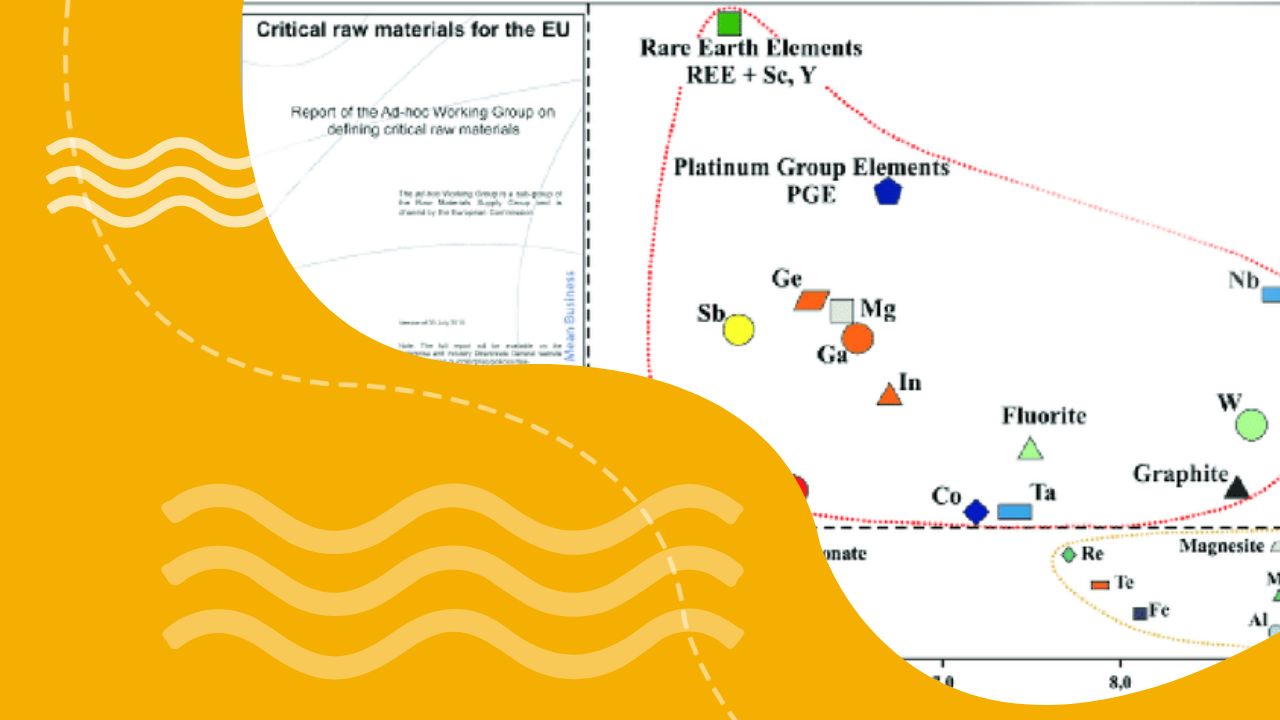
    The EU’s Critical Raw Materials Act, introduced in 2023, targets 40% domestic production of strategic raw materials by 2030, complemented by streamlined mining permits and high environmental standards. This initiative aims to reduce dependence on China and the U.S. while boosting the EU’s resilience.

    Complementing this, the Clean Industrial Deal—slated for February 26—will outline financial incentives, trade agreements, and measures to curb unfair competition. Proposals include pooling resources and creating platforms for collective purchasing of essential materials. Businesses are pressing for immediate action to secure a sustainable future and maintain global competitiveness.

  • Ukraine Loses Vital Coal Mine to Russian Advance

    Ukraine Loses Vital Coal Mine to Russian Advance

    Pokrovsk, Ukraine – A crucial coal mine near the eastern front line city of Pokrovsk has fallen to Russian forces, marking a significant blow to Ukraine’s war effort and economy. The mine, the last operational facility in the country producing coking coal – essential for steel production – was forced to shut down after months of relentless shelling and attacks.

    Despite facing increasing danger, miners continued to work at the facility, even resorting to treacherous journeys through miles of underground tunnels to reach the coal faces. They were offered pay rises and worked under constant threat of shelling, blackouts, and drone strikes.

    The mine’s closure is expected to have a devastating impact on Ukraine’s steel industry, which relies heavily on domestically produced coking coal. Steel production is projected to plummet by over half, affecting exports, tax revenues, and the military’s ability to produce essential armor and other materials.

    The mine’s fall comes after months of Russian advances in the east, which have decimated much of Ukraine’s industrial base. The facility, which employed thousands of workers, was a vital economic lifeline for the region.

    The closure highlights the immense challenges facing Ukraine as it continues to defend itself against Russian aggression. The loss of this critical resource will undoubtedly strain the country’s already fragile economy and impact its ability to sustain the war effort.

  • Russia’s Seizure of Ukraine’s Lithium Reserves Raises Global Concerns

    Russia’s Seizure of Ukraine’s Lithium Reserves Raises Global Concerns

    Russia’s ongoing conflict in Ukraine has extended to the control of critical resources, with two of Ukraine’s four lithium deposits now under Russian control. Among them is a major reserve located in Shevchenko, a settlement in the Donetsk region. These deposits are part of Ukraine’s estimated 500,000 tons of untapped lithium reserves, considered among the largest in Europe. Known as “white gold,” lithium is crucial for producing batteries used in smartphones, electric vehicles, and renewable energy storage systems.

    Experts argue that while capturing lithium may not have been a primary objective of Russia’s invasion, Ukraine’s mineral wealth is a significant strategic interest. The Ukrainian Shield, a geologically rich region spanning much of central and southern Ukraine, contains not only lithium but also iron and rare earth metals.

    The European Union has been actively seeking local sources of critical minerals like lithium to reduce its dependence on imports from countries such as China. Ukraine, with its proximity and substantial reserves, was seen as a promising partner. The war, however, has stalled any efforts to leverage these resources, jeopardizing Europe’s green energy initiatives and energy independence goals.

    Rod Schoonover, founder of the U.S.-based Ecological Futures Group, noted that the invasion has disrupted Ukraine’s ability to utilize its resources but highlighted their potential significance if stability is restored. “These resources could become a cornerstone of Europe’s strategic autonomy in critical minerals,” he said. The situation underscores how vital resource control has become in modern geopolitical conflicts.

  • Mongolia and Orano Sign Uranium Mining Agreement for Zuuvch Ovoo

    Mongolia and Orano Sign Uranium Mining Agreement for Zuuvch Ovoo

    The Orano Group and the Mongolian government have formalized an agreement for the development and operation of the Zuuvch Ovoo uranium mine, marking Mongolia’s reentry into uranium mining after nearly three decades. Managed by Badrakh Energy—a joint venture between Orano and MonAtom Group—the project encompasses the Zuuvch Ovoo and Dulaan Uul deposits, with estimated uranium resources nearing 90,000 tonnes.

    Using in-situ leach technology, production is set to commence within four years, targeting a capacity of 2,500 tU annually over 30 years. An initial investment of $500 million will be followed by $1.6 billion throughout the mine’s lifespan. The project will generate 1,600 jobs and ensure over 51% of the direct benefits, including taxes and royalties, flow to Mongolia.

    The initiative aligns with Mongolia’s Vision 2050 goals, supporting economic growth and low-carbon energy. Prime Minister Oyun-Erdene Luvsannamsrai highlighted its contribution to inward investment and employment, while Orano CEO Nicolas Maes emphasized its role in global energy security.

  • Kremlin Warns of Market Risks from Proposed EU Aluminum Ban

    Kremlin Warns of Market Risks from Proposed EU Aluminum Ban

    The Kremlin expressed concerns on Wednesday about potential European Union sanctions targeting imports of Russian primary aluminum, stating such measures could destabilize the already delicate global aluminum market. The warning follows reports from Reuters suggesting that the European Commission plans to include a ban on Russian aluminum in its upcoming 16th sanctions package over the war in Ukraine.

    Kremlin spokesperson Dmitry Peskov remarked that these discussions could hypothetically lead to global market disruptions. Russian aluminum producer Rusal, the world’s largest supplier outside China, has yet to comment on the proposed measures.

  • UK and Saudi Arabia Strengthen Collaboration in Mining for Critical Minerals

    UK and Saudi Arabia Strengthen Collaboration in Mining for Critical Minerals

    Saudi Arabia and the UK have formalized a partnership to address growing global demand for critical minerals essential for AI, green energy, and advanced technologies. The agreement, signed during the Future Minerals Forum, emphasizes sustainable mining, technology transfer, and joint investments.

    UK Industry Minister Sarah Jones highlighted Britain’s expertise in mining finance and research, positioning it as a key partner. Both nations are exploring projects in Africa and initiatives in the UK, such as Cornwall’s lithium and tin mining. Efforts focus on ethical and sustainable practices to meet mineral demands while addressing environmental and societal concerns.

    This collaboration reflects a proactive UK strategy under Prime Minister Keir Starmer, prioritizing supply chain security and global cooperation to support industries critical to the green transition and technological progress.

  • Aluminum Prices Rise as EU Considers Russian Import Curbs

    Aluminum Prices Rise as EU Considers Russian Import Curbs

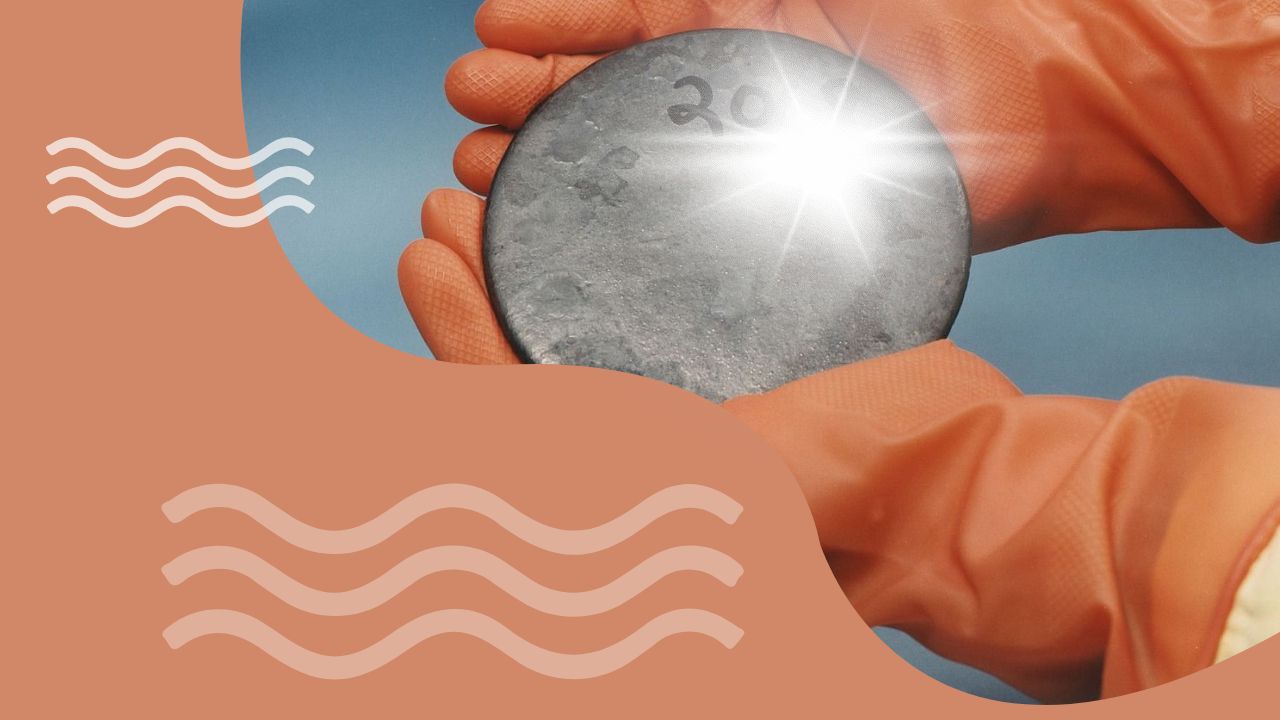
    Aluminum prices increased by up to 1.4% amid reports that the European Union may introduce restrictions on imports from Russia. While the scope of these curbs remains undecided, the move aligns with global supply chain reconfigurations since the invasion of Ukraine, which has already reduced Russian aluminum shipments to Europe. Many manufacturers have self-sanctioned, rerouting significant volumes to China, where imports have doubled since 2022.

    China, the world’s largest aluminum producer, is expected to see slowed production growth this year due to capacity limits, tightening exports and supporting higher prices. Futures for aluminum closed at $2,595 per ton in London, while other metals like zinc and copper remained steady, and lead dropped 1.1% following increased inventories. Analysts note that the market has largely adjusted to changes, minimizing the potential impact of further trade rerouting.

  • Uzbekistan’s Mining Sector Prepares $2.1 Billion Eurobond Issuance

    Uzbekistan’s Mining Sector Prepares $2.1 Billion Eurobond Issuance

    Uzbekistan’s mining and metallurgical complexes are gearing up to issue $2.1 billion in eurobonds by 2025, a move aimed at funding expansive projects to boost the nation’s industrial capabilities and global competitiveness. The Almalyk Mining and Metallurgical Complex (AMMC) plans to issue $1 billion in eurobonds, targeting significant expansion initiatives. Navoi Mining and Metallurgical Complex is set to release $500 million worth of eurobonds, while Navoiyuran and Uzmetkombinat will each issue $300 million to finance critical projects.

    These issuances represent Uzbekistan’s broader push to strengthen its industrial sectors and attract global investment. Beyond mining, $700 million will be raised from international markets to develop aviation and infrastructure projects, involving Uzbekistan Airways and Uzbekistan Airports. This aligns with Uzbekistan’s recent success in international markets, notably Navoi Mining’s inaugural $1 billion eurobond offering, which was 5.5 times oversubscribed, demonstrating robust investor confidence.

    These strategic financial moves underscore Uzbekistan’s commitment to advancing its industrial base and integrating into global markets.

  • Metinvest Suspends Pokrovsk Coal Operations Amid Security and Supply Challenges

    Metinvest Suspends Pokrovsk Coal Operations Amid Security and Supply Challenges

    Metinvest Mining and Metallurgical Group has officially announced the suspension of operations at its Pokrovsk Coal Group due to the worsening situation on the frontline and ongoing electricity shortages. The company is implementing a contingency plan to secure the necessary raw materials for steel production. This includes sourcing coking coal from the U.S.-based United Coal Company and increasing coal reserves, along with securing additional supplies from third-party vendors.

    Metinvest is also focused on safeguarding its employees, providing evacuation support for Pokrovsk Coal Group workers and their families. Those not directly involved in the shutdown process are being offered retraining and opportunities for employment at other Metinvest assets across Ukraine. Financial assistance, housing support, and enrollment for children in schools and kindergartens are also being provided to the affected families. The company remains committed to resuming operations once the security situation stabilizes and Ukraine’s territorial integrity is restored.