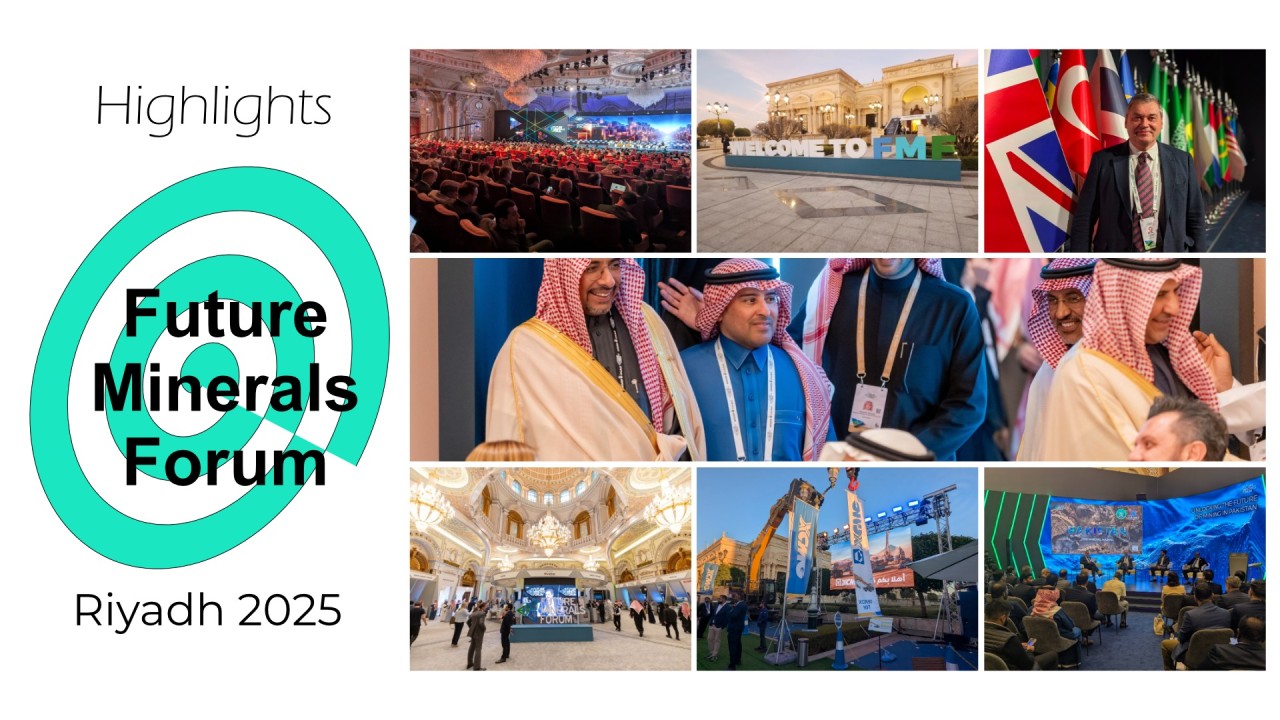
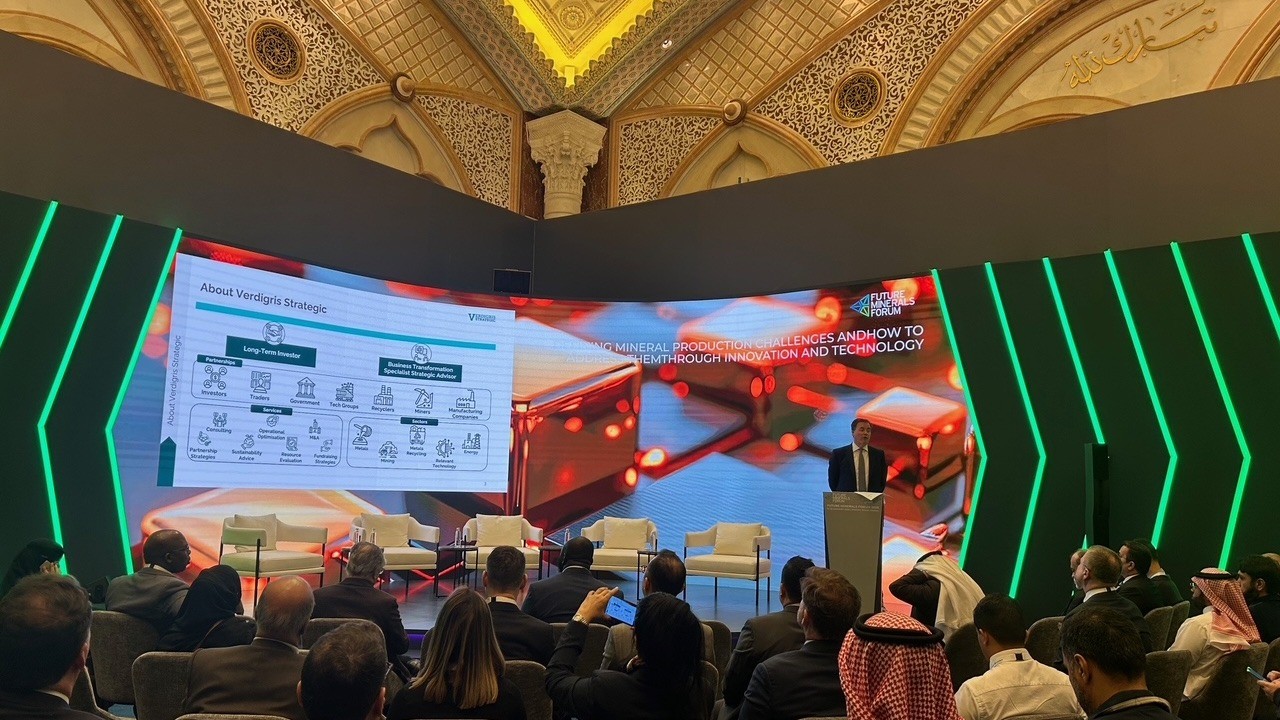
The Kingdom of Saudi Arabia (KSA) boasts the youngest and most rapidly evolving mining industry globally. As part of the Vision 2030 program, the KSA aims to become a leading hub for the development, processing, and trading of critical raw materials, propelling the global clean energy transition. The Future Minerals Forum, held for the fourth time in Riyadh from 14 to 16 January 2025 under the theme “Year of Impact,” once again showcased the country’s ability to swiftly transform ideas into action.
FMF – A remarkable growth
Saudi Arabia’s mining and metals industry has firmly established itself as a rapidly growing third pillar of the economy, alongside Oil & Gas and Tourism. This impressive growth was highlighted by the Future Minerals Forum (FMF), which surpassed its previous attendance record of 14,000, drawing 18,000 participants from 165 countries and 50 international organizations spanning the entire mineral value chain. With 405 speakers contributing to 96 sessions and workshops, the Forum provided a comprehensive discussion on the global minerals agenda.
The Forum’s success was further demonstrated by the signing of 126 agreements and MoUs, valued at 28.5 billion USD, signaling rising confidence in Saudi Arabia’s mining sector. As a result, the FMF has now become the world’s third-largest event for the mining and metals industry, trailing only MINExpo International 2024 in Las Vegas (45,000 attendees from 148 countries) and the 2024 Prospectors & Developers Association of Canada (PDAC) convention in Toronto (26,926 attendees from 138 countries), and ahead of the International Mining and Resources Conference (IMARC) in Australia, which hosted 10,699 registrants from 120 countries in 2024.
Beyond the impressive numbers and grand setting, the most striking aspect of the FMF is its rapid growth. While the PDAC convention began in 1932 and MINExpo International has been held since 1996, the FMF has achieved similar success in just a few years. According to the organizers, 24,000 people registered on the Forum’s website, but due to capacity limits, 6,000 registrants were unable to attend, leading to a registration shutdown. The next year will be even more challenging for the organisation.
Setting Priorities for 2025
At the FMF’24, the original vision of establishing Saudi Arabia as a super-regional hub connecting Africa and Central Asia to form the world’s largest metals and commodity conglomerate was notably shifted in favour of focusing on internal growth and local partnerships to lay a solid foundation for long-term success.
Key announcements included a joint venture between Saudi Aramco and Ma’aden to explore critical minerals, aiming to ensure resilient supply chains for the energy transition. Additionally, the unveiling of Ma’aden’s high-grade gold discoveries and Hadeed’s ambitious SAR 25 billion investments in steel production highlighted Saudi Arabia’s commitment to becoming a dominant industrial powerhouse.
Competition for Global Dominance with China
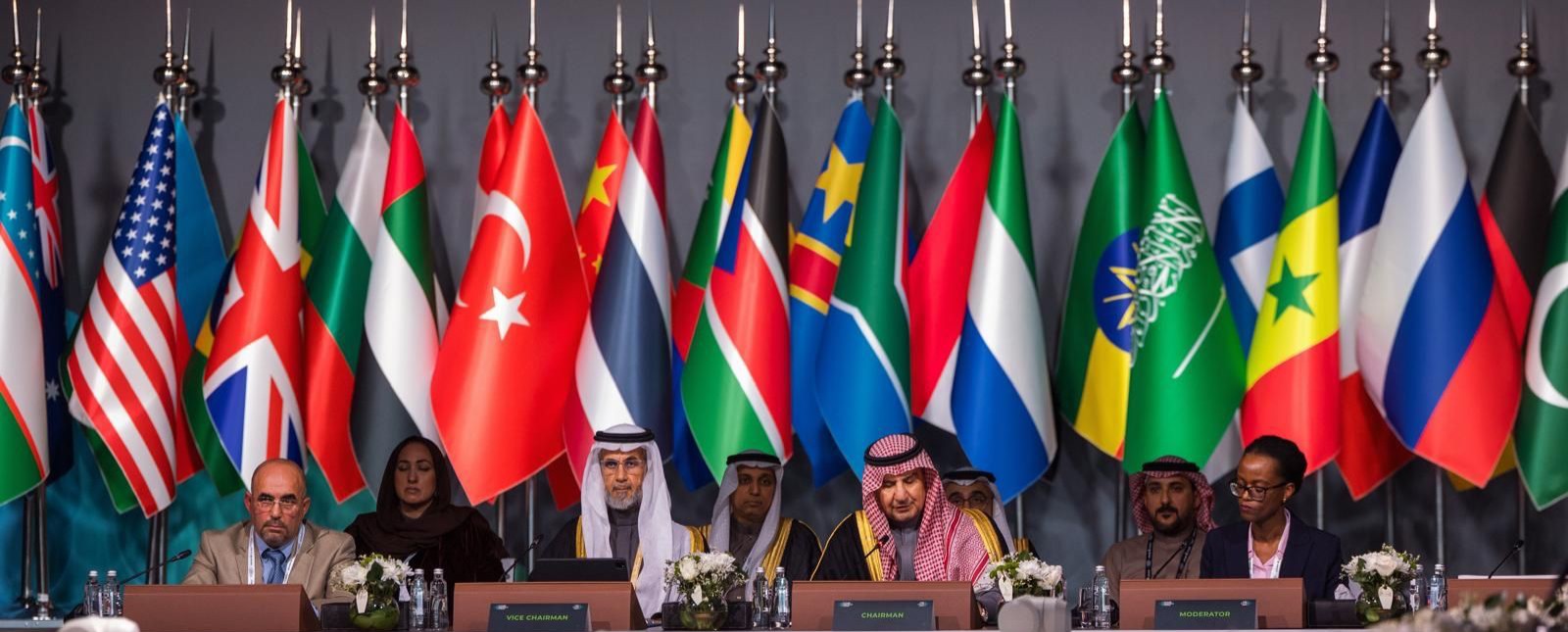
Ministerial Roundtable
Saudi Arabia’s mineral resources, valued at an estimated $2.5 trillion, position the country to significantly impact regional and potentially global supply chains, particularly in the critical minerals sector. These minerals, which are essential for strategic industries and at risk of supply disruption, include lithium for batteries, platinum for fuel cells, copper, and bauxite, the primary raw material for aluminium.
Discussions held on the sidelines of the Future Minerals Forum highlighted the growing rivalry with China for control over the global supply of metals and critical minerals, which are crucial for the energy transition. Saudi Arabia’s relationship with China, the dominant player in the critical minerals industry with roughly 85% of global processing capacity, remains complex. Notably, senior Chinese officials and major companies were absent from the FMF in 2022 and 2023. However, in 2024, bilateral relations between the two countries began to warm, exemplified by the Saudi Ministry of Industry and Mineral Resources’ participation in the China Mining Conference and Exhibition in Tianjin. The ministry aimed to engage leading Chinese mining companies and expand their market presence by highlighting opportunities in other regions.
Several Chinese companies made significant announcements at the FMF this year. China Baowu Steel Group, for instance, revealed plans to establish its first integrated steel plant outside China in collaboration with Saudi Aramco and the Public Investment Fund (PIF). Meanwhile, Shanghai Donghexin New Material Group signed a memorandum of understanding (MoU) with the National Industrialization Company (Tasnee) to advance the development of materials industries and improve production efficiency and industrial technologies.
In the short term, the relationship between Saudi Arabia and China is likely to remain cooperative, with China eager to export its technology and expertise to new markets. However, as demand for downstream products like electric vehicle (EV) batteries grows, and with U.S.-led efforts to reduce Western dependence on China, competition could intensify.
Investment in Pakistan’s Mining Industry
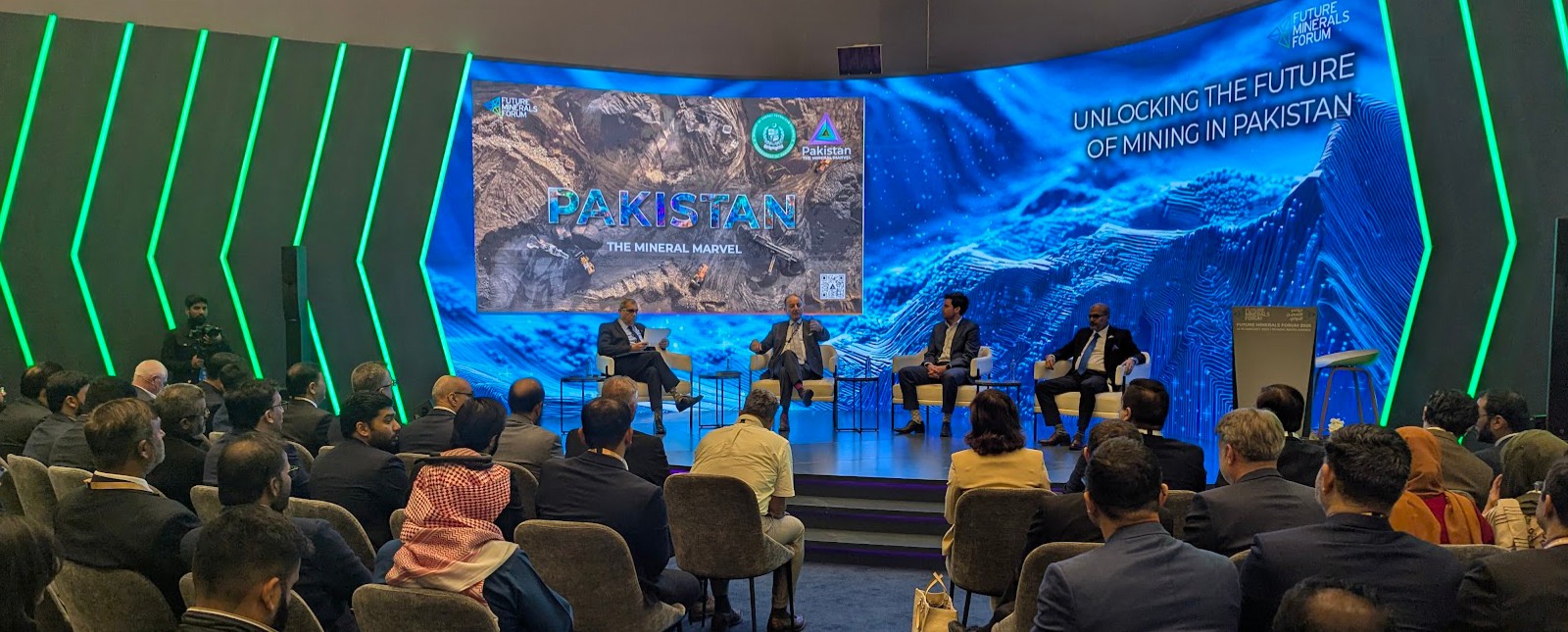
Country showcase: Pakistan
One of the highlights of the Forum in Riyadh was the presentation of Pakistan – the FMF regional strategic partner. The Pakistan’s mining session was oversubscribed. The interest was sparked by the news that Saudi Arabia might invest more than $100 million in Pakistan’s mining infrastructure through its development fund to scale up operations to meet demand. Minister of industry and mineral resources Bandar Alkhorayef also confirmed that mining company Manara Minerals, a joint venture between Saudi sovereign wealth fund the Public Investment Fund and miner Ma’aden, is interested in investing in Pakistan’s Reko Diq mine. The mine is 50 percent owned by Canada’s Barrick Gold, one of the world’s largest gold mining companies.
Saudis and UAE race for regional dominance
As the strategic rivalry between the U.S. and China is expected to intensify under the Trump administration, Saudi Arabia’s deep financial resources, abundant and inexpensive energy, and its position at the crossroads of global trade will be crucial in capturing a share of the critical minerals processing market. However, Riyadh faces competition from its regional rival, the UAE, which also has significant ambitions in this sector.
Saudi Arabia has been heavily investing in international partnerships and expanding its domestic processing capabilities, with a particular focus on critical mineral processing. Given that processing these minerals is energy- and labour-intensive, it tends to be cost-prohibitive in most regions outside of China. Both Saudi Arabia and the UAE are advancing renewable energy initiatives, which, over time, could make the processing of critical minerals more sustainable and cost-effective in the region.
Meanwhile, the UAE is aggressively pursuing its own ambitions in the critical minerals sector. The country has been focusing on acquiring stakes in international mining companies and enhancing its domestic processing capabilities. For example, International Resource Holding, a subsidiary of the Abu Dhabi-based International Holding Company, is in talks to acquire a stake in Alphamin, a Canadian company with tin operations in the Democratic Republic of Congo.
Competition between KSA and UAE extends to Central Asia
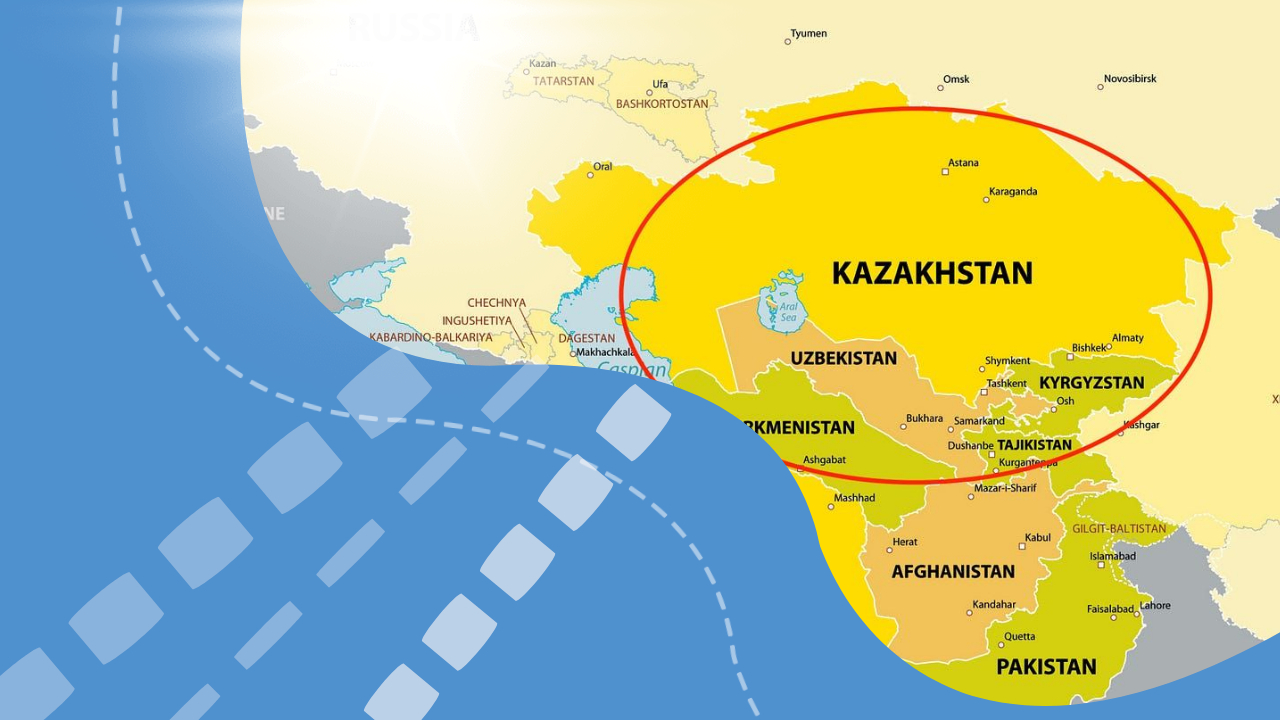
During FMF week in Riyadh, Kazakhstan’s president Kassym-Jomart Tokayev attended the inauguration of Sustainability Week in Abu Dhabi. In his speech, Tokayev highlighted the urgent challenges posed by global climate change, desertification, extreme weather events, biodiversity loss, water scarcity, and food insecurity. Acknowledging Kazakhstan’s vast reserves of critical raw materials, he emphasised the country’s commitment to ensuring a diversified supply of essential resources for global markets, stating, “Kazakhstan also seeks to ensure a diversified supply of essential raw materials for global markets. These materials are indispensable to achieving global net-zero greenhouse gas emissions goals.” Kazakhstan’s geological potential includes 16 of the 22 critical materials, positioning it as a key supplier for clean energy technologies.
Uzbekistan’s President Shavkat Mirziyoyev also participated in Sustainability Week in Abu Dhabi, where he discussed the growing strategic partnership between Uzbekistan and the UAE. Bilateral agreements have increased UAE investments in Uzbekistan to over $1.5 billion, focusing on sectors like energy, healthcare, agriculture, infrastructure, water supply, transportation, and logistics. One major initiative is the creation of the “Uzbekistan-UAE Investment Company,” with a $200 million investment portfolio, which includes projects on geological exploration.
This competition between Saudi Arabia and the UAE is expected to intensify in the coming years, as both nations seek to expand their influence in the critical minerals market. The outcome of this rivalry will have significant implications for global supply chains and the transition to clean energy.
UK-Saudi Critical Minerals Partnership
The forum saw a partnership between the United Kingdom and Saudi Arabia to secure critical mineral supply chains.
The collaboration focuses on securing a long-term supply of critical minerals like copper, lithium, and nickel, which are essential for manufacturing smartphones, electric cars, and data centres. The UK sees this partnership as a key part of its broader industrial strategy to enhance national security and create jobs.
The Central Asian Roundtable
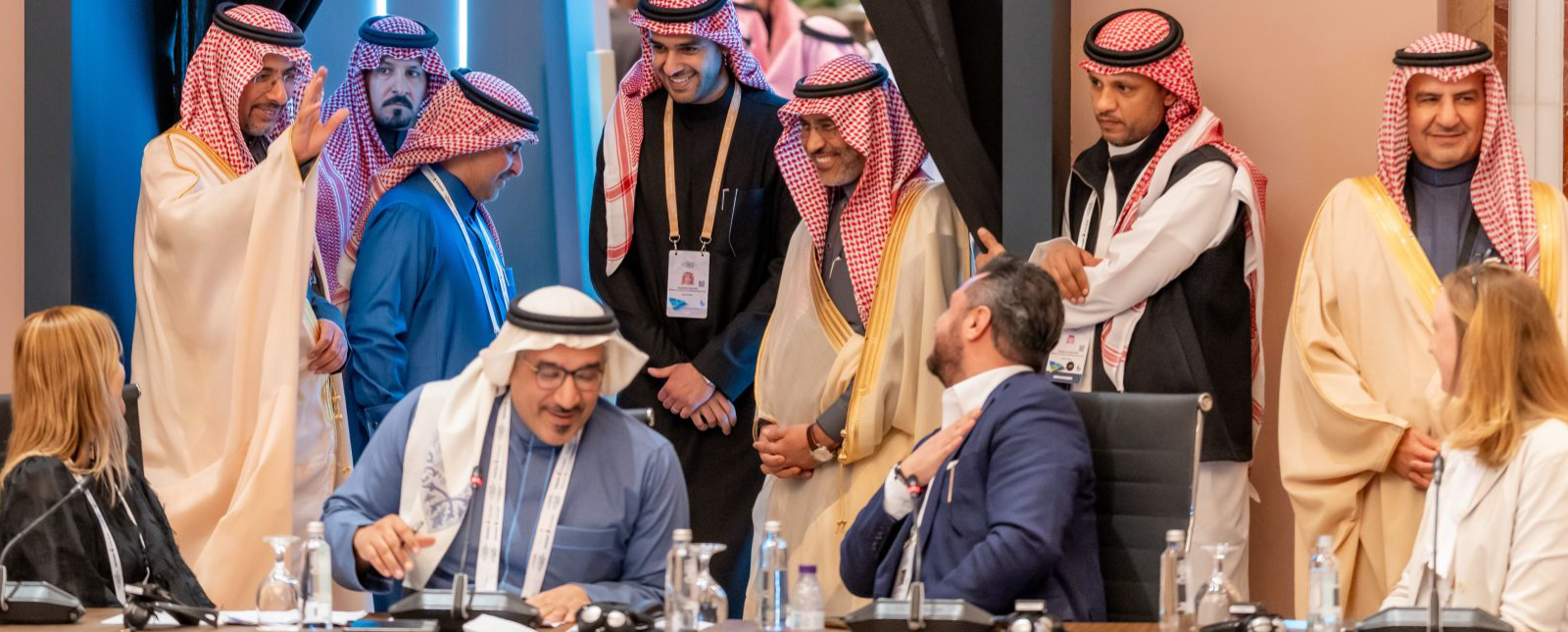
Ministerial delegation at the Central Asian round table
Advancing the Super Region concept the FMF organisers jointly with the TETHYS: Trans-Eurasian Gateway and EIT RawMaterials organised a leadership roundtable on Central Asia. The event brought together representatives from the U.S. International Development Finance Corporation, Bechtel Corporation, Türkiye Ministry of Energy and Natural Resources, Kazakhstan National Geological Service, Fortescue Metals, Citibank, Teck Resources, KfW IPEX-Bank, Canaccord, TMK Uzbekistan, Tau-Ken Samruk and many others.
The discussion evolved around the development of the Middle Corridor, connecting Central Asia, the Middle East, and Europe. Key milestones include:
- The Middle Corridor as an Economic Ecosystem
- Central Asia’s Integration into the Super Region
- Renewable Energy as the Catalyst for Growth
- Innovative and Blended Financing
The Rare Earths Panel
The global demand for rare earth elements is steadily increasing due to their widespread use in various technologies. However, the main challenge lies in processing these elements and preparing them for their final applications. China currently dominates the market due to its extensive experience and expertise in rare earth processing.
Balancing the global rare earth market will require significant effort and time. While new technologies are being developed to improve processing efficiency, most are not yet commercially viable. Western governments are increasing funding for rare earth initiatives, but their efforts may be hindered by a lack of clear strategies and insufficient investment.
Another crucial aspect is the knowledge gap between China and the West. China possesses deep expertise in rare earth processing, while Western countries lack the necessary skills and experience. To address this gap, increased cooperation and knowledge sharing within the global mining industry are essential. A collaborative agreement, as discussed at FMF, could be beneficial if it prioritizes the development of skills and knowledge sharing for mutual gain.
Building a Silicon Valley of Mining in Saudi Arabia
Saudi Arabia aims to diversify its economy beyond oil dependence, and its vast mineral wealth, estimated at \$1.3 trillion, offers a promising avenue. By positioning Riyadh as the “Silicon Valley of Mining,” the Kingdom seeks to attract investment, develop expertise, and create a thriving ecosystem for mining technology and services.
The New-York-based Newlab (a global venture platform for critical technology startup) has announced its first set of projects at the Future Minerals Forum, focusing on advancing the mining value chain through greater efficiency and sustainability. Newlab has partnered with Ma’aden, National Industrial Development and Logistics Program (NIDLP), The Ministry of Industry and Minerals (MIM), Saudi Mining Services Company (ESNAD), and Saudi Geological Survey (SGS) to establish the Mining Studio. Through the program, Newlab will launch projects and make targeted investments designed to drive structured collaboration between global startups and potential end users in Saudi Arabia. These projects ultimately de-risk emerging technologies in specific industry use cases and align commercial pathways for startups to scale in the region.

Saudi Arabia’s “Super-Region” Vision and the Future of Raw Material Supply Chains
Saudi Arabia’s ambitious “super-region” vision, unveiled at FMF 2024, has sparked considerable interest in its potential to reshape global trade and investment flows. Mirroring China’s Belt and Road Initiative, this vision encompasses a vast geographical expanse stretching from Africa to Central Asia, positioning the Kingdom as a central hub connecting these regions.
My attendance at FMF 2025 was driven by a keen interest in understanding how Saudi Arabia plans to collaborate with Central Asian nations like Kazakhstan and Uzbekistan to establish supply chains for critical raw materials, precious metals, and uranium. These resources are essential for driving the global transition to green energy and advanced technologies.
Unfortunately, FMF 2025 was somewhat overshadowed by the concurrent Sustainability Week hosted by the UAE, which seemed to draw attention away from the Saudi event. As a result, delegations from Kazakhstan and Uzbekistan were smaller than anticipated, and no significant agreements with Saudi Arabia were signed during the forum.
However, this doesn’t diminish the potential for future cooperation. Upcoming events like MINEX Kazakhstan in Astana (9-10 April 2025) and MINEX Central Asia Forum in Tashkent (early June 2025) offer valuable platforms to explore opportunities for collaboration between Arab and Central Asian states in the raw materials sector.
Key Questions for the Future:
- How can Saudi Arabia and UAE leverage their strategic location and financial resources to facilitate the development of critical raw material supply chains?
- What role can Central Asian nations play in supplying these essential resources and contributing to regional economic growth?
- How can international partnerships and initiatives like the Mineral Security Partnership (MSP) support the sustainable and responsible development of these resources?
Europe-Saudi Dialogue on the development of critical raw materials supply chains
The future of raw material supply chains will depend on effective collaboration and a commitment to responsible mining practices. It’s crucial to foster dialogue and cooperation between nations to ensure a secure and sustainable supply of these vital resources for the global economy.
MINEX Europe Forum in Lisbon on 28-29 October 2025 could provide a platform for exploring opportunities for deepening commercial and R&D cooperation between Europe and Saudi Arabia in the in the development of critical raw materials supply chains.
Although not yet formalised, the EU sees potential in collaborating with Saudi Arabia to diversify its raw material supply. This could involve joint research, investment in mining projects, and developing sustainable mining standards. However, success will depend on navigating geopolitical challenges, addressing environmental and social concerns, and fostering continued collaboration and investment.
The Europe-Saudi Dialogue on the development of critical raw materials supply chains is a significant and evolving partnership driven by several factors:
Mutual Needs:
- Europe’s Green Transition: The EU’s ambitious green goals require a secure and sustainable supply of critical raw materials essential for clean energy technologies like batteries, wind turbines, and solar panels.
- Saudi Arabia’s Vision 2030: Saudi Arabia aims to diversify its economy beyond oil and become a global industrial leader. Mining and critical raw materials are central to this vision.
Key Aspects of the Dialogue:
- Securing Supply Chains: Both sides seek to reduce reliance on single suppliers (like China) and build more resilient supply chains.
- Investment and Collaboration: The partnership encourages joint ventures, technology transfer, and knowledge sharing in mining, processing, and recycling of critical raw materials.
- Sustainability: Both regions emphasize responsible sourcing, environmental protection, and social responsibility in the development of these supply chains.
Challenges and Opportunities:
- Geopolitical Considerations: Balancing relationships with other major players like China and the US is crucial for both Europe and Saudi Arabia.
- Environmental and Social Concerns: Ensuring responsible sourcing and minimizing the environmental and social impact of mining activities is essential.
- Technological Advancements: Investing in research and innovation to improve extraction, processing, and recycling technologies is crucial for long-term sustainability.