Website: Eurasia.com

  • Lumina Metals Advances Major Copper Project in Poland, Eyes Warsaw Stock Exchange Listing

    Lumina Metals Advances Major Copper Project in Poland, Eyes Warsaw Stock Exchange Listing

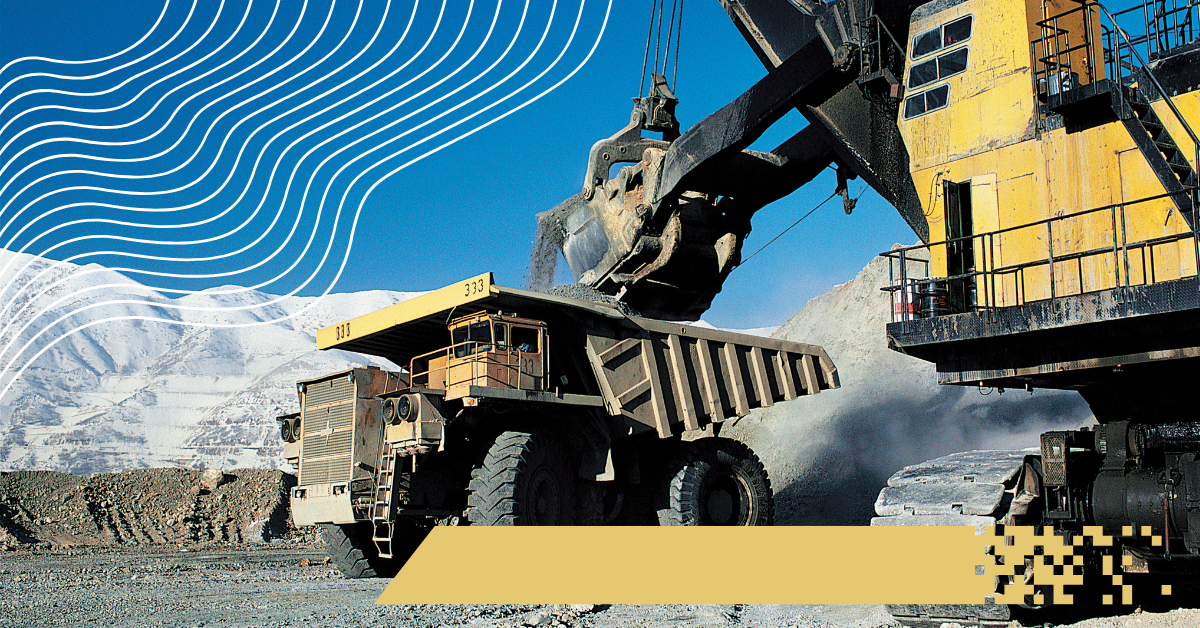
    Canadian mining company Lumina Metals is moving forward with plans to develop one of Europe’s largest copper mines at the Nowa Sol deposit in western Poland, after receiving C1 category classification and a five-year exclusivity for mining licence application. In an interview with PAP Biznes, CEO Jordan Pandoff confirmed that the company is now entering the permitting phase and considering a Warsaw Stock Exchange (WSE) listing to attract local investment.

    Described by Pandoff as “the largest copper discovery in Europe since the 1950s” and ranked globally among the top three in scale and grade, the Nowa Sol project forms part of Lumina’s broader Polish portfolio, which includes around 20 million tonnes of copper resources across three sites. To date, the company has invested PLN 500 million (EUR 117 million) in Poland, with expectations for far higher spending over the next five years.

    The mine, once permitted, is expected to take 3–4 years to construct. Although exact production figures have not yet been released, Lumina anticipates becoming one of Europe’s top copper producers, with output split roughly 70% copper and 30% silver, and potential for cobalt, platinum, and gold recovery pending further testing.

    Pandoff also expressed openness to collaborating with KGHM, Poland’s state copper giant, particularly by leveraging its smelting infrastructure rather than building a new facility. “KGHM, as a national champion, will benefit,” he said.

    While global demand for copper remains strong—driven by military, AI, energy, and EV sectors—Pandoff highlighted that Poland’s current mining tax regime discourages investment. He called for tax reform to align Poland with other successful mining jurisdictions. “At an 80% tax rate, no industry is viable,” he said, noting Canada, Australia, and parts of the U.S. typically cap total tax burdens between 30–50%.

    In a promising move for the sector, Poland’s government announced plans to reduce copper taxation starting in 2026, with draft legislation expected in June. According to EY, the reforms could boost Poland’s copper output to over 1 million tonnes annually, fueled by PLN 27 billion (EUR 6.3 billion) in greenfield investment from Lumina Metals and The Electrum Group.

    Meanwhile, Lumina is considering an IPO on the Warsaw Stock Exchange, potentially ahead of the mining licence approval. Pandoff views Warsaw as a natural hub for European resource developers. “If the WSE tailored its standards for mining, it could become a central resource exchange for the EU,” he noted.
  • Rio Tinto’s Jadar Lithium Project in Serbia Gains EU Strategic Status Amid Fierce Environmental Opposition

    Rio Tinto’s Jadar Lithium Project in Serbia Gains EU Strategic Status Amid Fierce Environmental Opposition

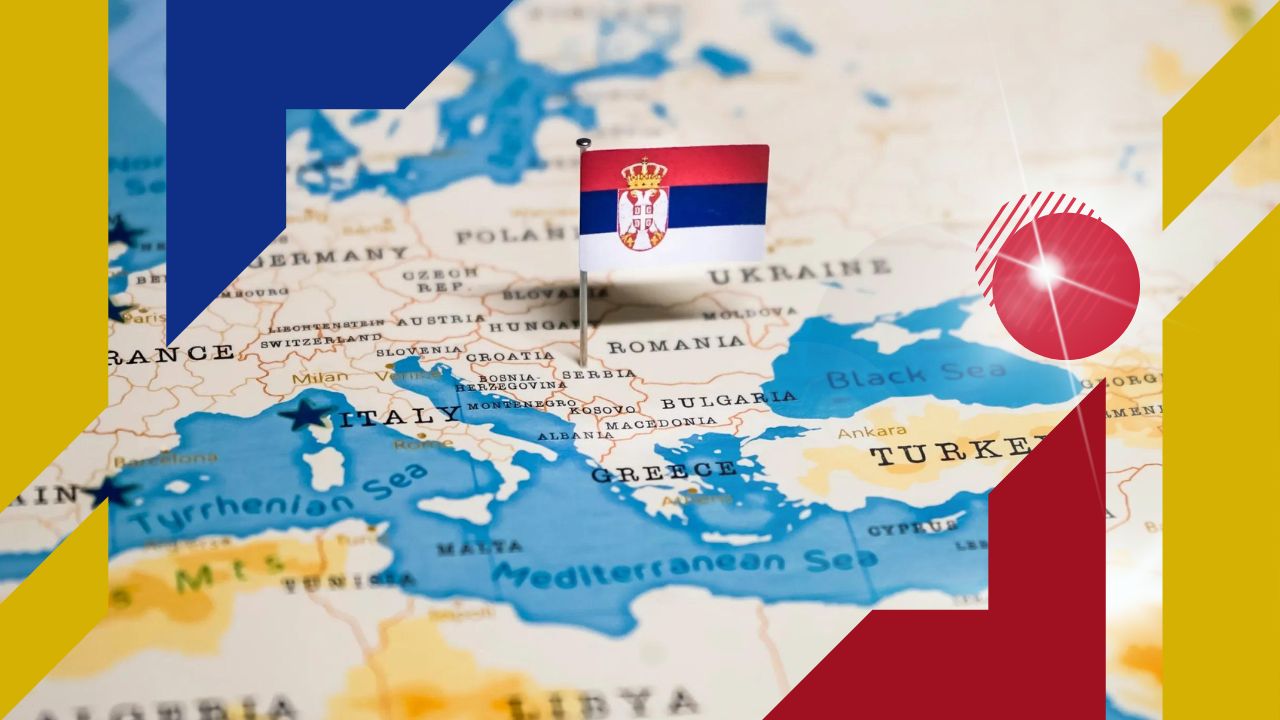
    The controversial lithium and boron mining project in Serbia’s Jadar Valley, spearheaded by Anglo-Australian mining giant Rio Tinto, has been designated as one of 13 strategic projects outside the EU under the European Commission’s Critical Raw Materials Act (CRMA). The move aims to secure long-term access to critical raw materials vital for Europe’s green transition.

    Located in western Serbia, the Jadar Valley is believed to host Europe’s largest lithium reserves and one of the most significant global deposits. The lithium extracted from the site is considered crucial for manufacturing electric vehicle (EV) batteries, an industry central to the EU’s climate and industrial strategies.

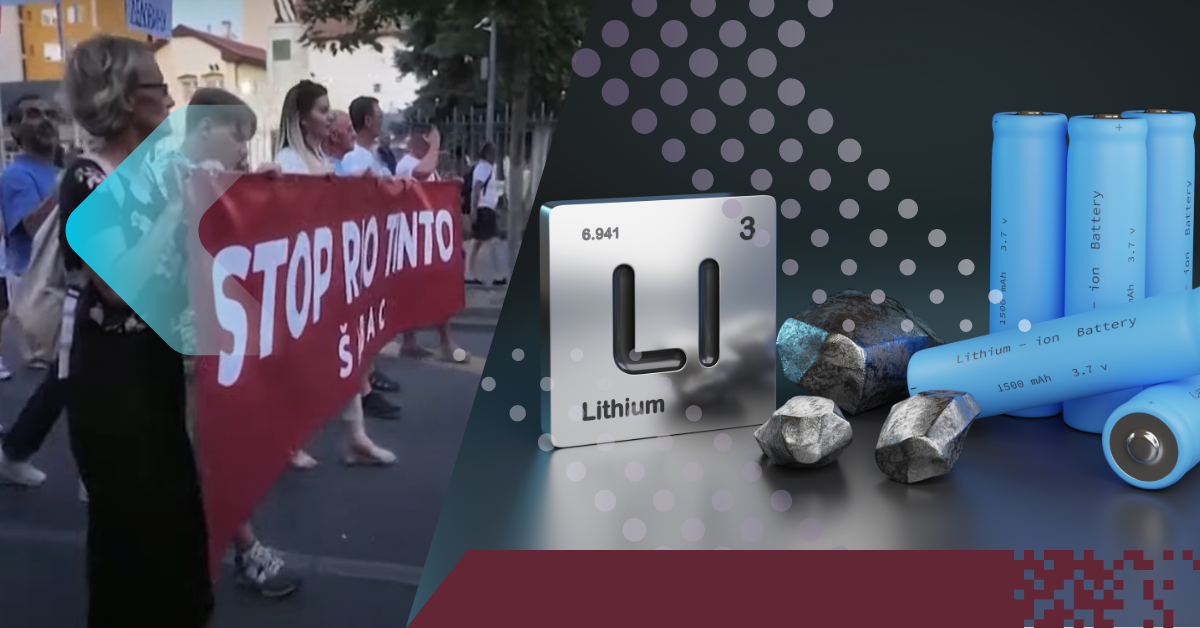
    Despite its strategic importance, the Jadar project has sparked intense opposition within Serbia. Environmentalists have organized mass protests since 2021, arguing the mine threatens local ecosystems, water sources, and agriculture. Public pressure led the Serbian government to revoke Rio Tinto’s licenses in 2022—a decision later overturned by the Constitutional Court in 2023.

    The European Commission’s endorsement reflects growing concern over the EU’s dependence on Chinese-dominated supply chains for critical minerals. By supporting the Jadar project, Brussels aims to bolster domestic resilience and reduce geopolitical vulnerability.

    However, local opposition remains firm. Environmental groups warn of renewed protests and blockades if the mine proceeds, arguing that no economic benefit can outweigh the environmental cost.

    Rio Tinto has pledged to meet the EU’s environmental and human rights standards as part of the project’s strategic designation. “The project will undergo multiple stages of scrutiny and public consultation,” said Chad Blewitt, Managing Director of the Jadar project. “It positions Serbia at the forefront of the green and digital revolution.”

  • Rio Tinto Reevaluates Cost of Serbian Lithium Project Amid EU Backing and Local Opposition

    Rio Tinto Reevaluates Cost of Serbian Lithium Project Amid EU Backing and Local Opposition

    Rio Tinto is revising the estimated capital cost of its contentious Jadar lithium project in Serbia after it was designated one of the European Commission’s 13 strategic critical materials projects under the Critical Raw Materials Act (CRMA). Chad Blewitt, managing director of the Jadar mine, confirmed the update in an interview with Reuters on Wednesday.

    The project, initially valued at over €2.55 billion ($2.91 billion), is being recalculated to reflect EU environmental and human rights standards tied to its strategic status. “That will be reflected in the final capital cost,” Blewitt said, noting that no revised figure or timeline would be shared until the company secures a field exploitation licence.

    The Jadar project was halted in 2022 after mass protests over environmental concerns led the Serbian government to revoke Rio Tinto’s exploration permits. However, the Constitutional Court reinstated the licences in 2023, allowing the Anglo-Australian miner to resume planning.

    If realized, the mine could meet 90% of Europe’s current lithium demand, playing a central role in the continent’s green energy and digital transformation strategies. Despite this, local opposition remains strong, with activists threatening fresh protests and transport blockades if construction proceeds.

    “Whatever happens next will involve multiple stages of scrutiny and public consultation,” Blewitt emphasized, adding that the project could position Serbia as a pivotal supplier in Europe’s lithium supply chain.

    Rio Tinto is one of the few global mining giants heavily investing in lithium amid a market downturn. Its $6.7 billion acquisition of U.S.-based Arcadium Lithium and investments exceeding $1 billion in Chile signal a long-term bet on EV battery metals. While current lithium prices are depressed due to supply gluts, demand forecasts remain optimistic heading into the next decade.

  • EU Adds 13 Global Projects to Strategic List Under Critical Raw Materials Act

    EU Adds 13 Global Projects to Strategic List Under Critical Raw Materials Act

    The European Commission has expanded its list of strategic initiatives under the Critical Raw Materials Act (CRMA) by designating 13 new international projects aimed at diversifying and securing Europe’s long-term supply of essential raw materials. The newly added projects—located in Canada, Greenland, the UK, Norway, Kazakhstan, Serbia, Ukraine, Brazil, Zambia, Madagascar, Malawi, South Africa, and New Caledonia—complement the 47 strategic projects within the EU announced in March, bringing the total to 60 priority projects.

    The Commission’s focus lies heavily on critical battery materials, with 10 of the new projects targeting lithium, nickel, cobalt, manganese, and graphite. Two others center on rare earth elements (REEs), including Frontier Rare Earths’ Zandkopsdrift project in South Africa and Mkango Resources’ Songwe Hill project in Malawi, which will supply key REEs like neodymium, praseodymium, dysprosium, and terbium.

    Mkango’s Songwe Hill is paired with its Pulawy separation plant in Poland, forming a vertically integrated supply chain now backed by the EU. Together, the operations will produce 1,953 tonnes/year of Nd/Pr oxides and 56 tonnes/year of Dy/Tb oxides in the first five years of full production, with both projects enjoying coordinated EU-level support.

    In Zambia, Kobaloni Energy received strategic status for its cobalt refinery project—Africa’s first—viewed as critical for establishing a secure and traceable battery-grade cobalt supply. CEO Johnny Velloza described the EU endorsement as a major milestone toward accelerating development.

    GreenRoc Strategic Materials’ Amitsoq graphite project in Greenland also gained strategic designation, becoming the first and only such project in the country. The EU’s Commissioner for Industrial Strategy, Stéphane Séjourné, is expected to visit the site this year, underlining its growing strategic weight.

    The 13 new international projects are estimated to require a total of €5.5 billion in capital investment, with the Commission committing to deeper cooperation with host nations—particularly those with existing raw materials partnerships.

    The CRMA, which came into force in May 2024, provides a legislative backbone for the EU’s ambition to reduce critical material dependencies and accelerate projects essential to the green and digital transitions.

  • European Auto Sector Feels Strain as China’s Rare Earth Export Curbs Disrupt Supply Chains

    European Auto Sector Feels Strain as China’s Rare Earth Export Curbs Disrupt Supply Chains

    The European automotive sector is facing mounting pressure following China’s sweeping export restrictions on rare earth elements, which are critical to electric motors, high-tech components, and defense systems. Several parts suppliers have already suspended production, and major automakers like Mercedes-Benz and BMW are actively seeking ways to mitigate the risk of supply shortages.

    China’s decision in April to halt exports of a wide array of rare earths and related magnets has sent shockwaves through global industries, underlining Beijing’s dominant position—it produces about 90% of global rare earths and nearly 100% of heavy rare earths. The restrictions, introduced as part of broader trade tensions with the U.S., apply globally and have upended tightly synchronized supply chains.

    Mercedes-Benz production chief Joerg Burzer revealed that while its production remains unaffected for now, the company is working with suppliers to build “buffers” and stockpiles. Meanwhile, BMW confirmed supply disruptions within its supplier network, though its own production lines continue operating. Swedish airbag maker Autoliv and German electronics association ZVEI both confirmed the situation is under constant review, with task forces now in place.

    According to CLEPA, Europe’s auto supplier association, only 25% of export license requests from suppliers have been approved by China, with many rejected on “highly procedural grounds.” The group warned that additional factory shutdowns are likely.

    The issue is further complicating the already fragile geopolitical standoff between China and the U.S. President Donald Trump, who recently scaled back punitive tariffs following market turbulence, has accused China of violating recent truce terms. Chinese President Xi Jinping and Trump are expected to discuss the curbs in an upcoming call, with rare earths expected to top the agenda.

    With few viable alternatives to Chinese supply in the short term, auto manufacturers are scrambling to innovate. BMW has introduced magnet-free electric motors, while ZF and BorgWarner are developing low- to zero rare earth models—but commercial scalability remains years away.

    “There is no solution for the next three years except to come to an agreement with China,” said Andreas Kroll, managing director of Noble Elements, a rare earth importer.

    As rare earth supplies dwindle and diplomatic tensions escalate, Western governments are under growing pressure to accelerate diversification efforts. Brussels has already identified 13 non-EU mining projects to help reduce critical mineral dependency, and the EU’s industrial strategy chief Stephane Séjourné emphasized the urgency: “The export curbs increase our will to diversify.”

  • Navoiuran Launches Global Investor Campaign Ahead of Eurobond Issuance

    Navoiuran Launches Global Investor Campaign Ahead of Eurobond Issuance

    State-owned enterprise Navoiuran has initiated a high-level international outreach campaign as it prepares to issue corporate eurobonds, seeking to attract global investment for its uranium sector development projects.

    With the support of top-tier financial and legal advisors, Navoiuran has compiled a list of promising projects and developed a comprehensive investor presentation. A series of non-deal roadshows were held in Abu Dhabi and Dubai (UAE), as well as in New York and Boston (USA), to gauge market sentiment and build investor confidence.

    The current favorable capital market environment has served as a key motivator for the upcoming issuance. By entering the eurobond market, Navoiuran aims to attract a wide range of investors and secure funding under competitive terms.

    To ensure transparency and boost credibility, high-ranking company representatives participated directly in the roadshows, following recommendations from underwriter banks and international consultants.

    Investor discussions included engagements with major financial institutions such as Abu Dhabi Investment AuthorityFirst Abu Dhabi BankBREVAN HOWARDMashreq CapitalENBD AMBHM CapitalQ Market MakerMarket SecuritiesEmirates Investment BankUABBoston MFS, and FMR.

    The underwriting consortium—Citi, ADCB, and Natixis—reported strong interest in the bond issuance, signaling investor confidence in both the enterprise and Uzbekistan’s broader economic outlook.

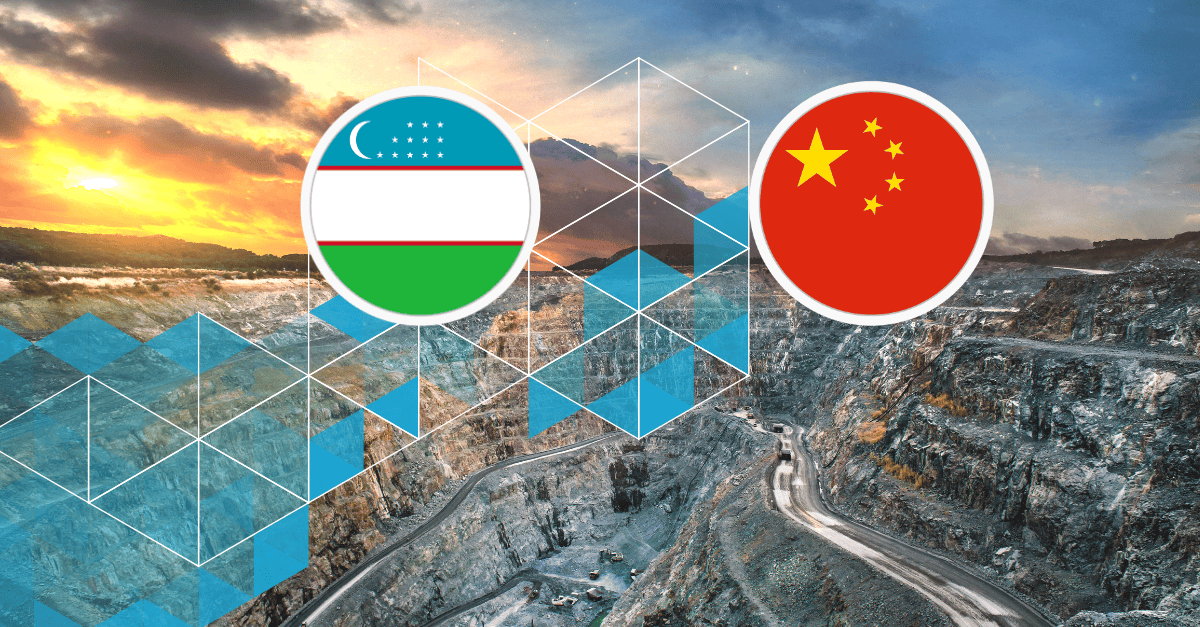
  • Uzbekistan and China’s Shandong Gold Group Sign Cooperation Agreement in Mining Sector

    Uzbekistan and China’s Shandong Gold Group Sign Cooperation Agreement in Mining Sector

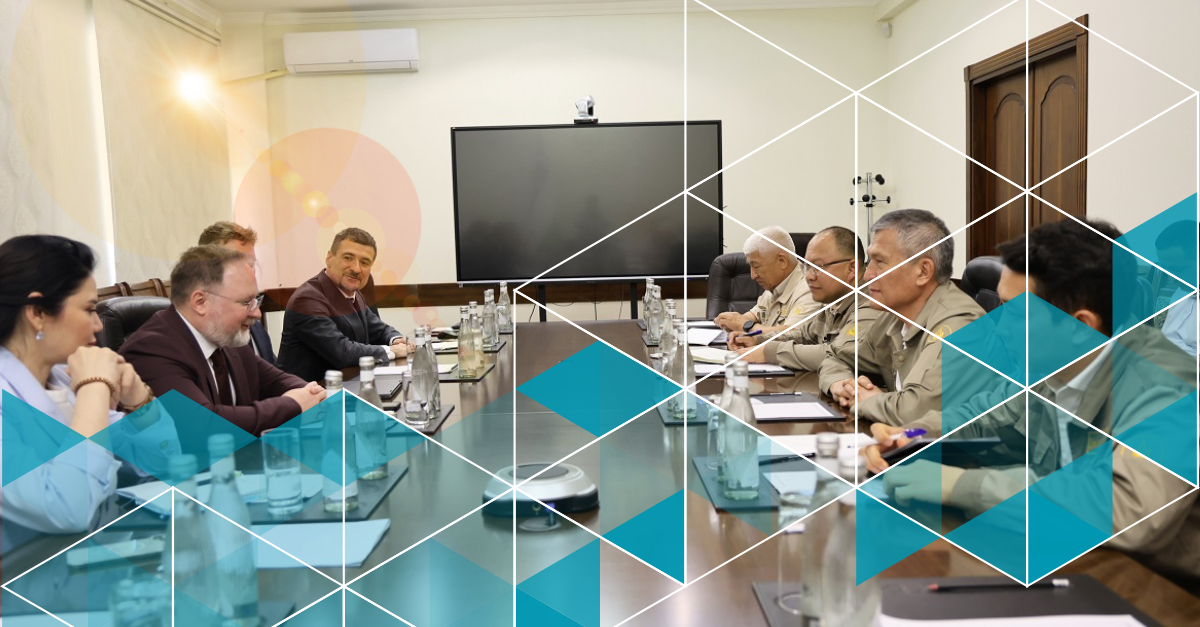
    On 3 June 2025, the Ministry of Mining Industry and Geology of Uzbekistan hosted a meeting between First Deputy Minister O. Nasritdinhodjaev and a Chinese delegation led by Vice Governor of Shandong Province Cong Xiongzhi. The delegation also included senior representatives from Shandong Gold Group, one of China’s leading gold mining companies.

    The sides discussed avenues for deepening cooperation in the fields of geology, metallurgy, and mineral extraction. The talks also reflected on the outcomes of the Second Uzbekistan–China Interregional Forum, recently held in Samarkand, where both parties emphasized the strategic importance of strengthening regional economic ties.

    Key highlights of the meeting included discussion of promising investment opportunities in Uzbekistan’s mining sector and joint development of geological exploration initiatives.

    The event concluded with the signing of a trilateral cooperation agreement between Uzbekistan’s Ministry of Mining Industry and Geology, the Geological Exploration and Mineral Resource Development Bureau of Shandong Province, and Shandong Gold Group. The agreement marks a significant step toward long-term collaboration on resource development, technology exchange, and investment in strategic mineral projects.

  • Uzbekistan Advances Nationwide Geological Mapping and Exploration with 154 Active Projects

    Uzbekistan Advances Nationwide Geological Mapping and Exploration with 154 Active Projects

    At a recent briefing held by the Agency for Information and Mass Communications, N. Dulabova, Head of Department at the Ministry of Mining Industry and Geology of Uzbekistan, detailed the country’s accelerating efforts in geological exploration and mineral resource mapping.

    In 2024, digital geological maps were completed for 75,000 square kilometers in southern Uzbekistan at a 1:200,000 scale. In parallel, comprehensive space-geological and geochemical surveys were carried out over 6,000 square kilometers, including key areas such as the Molguzar and Gissar ranges. Updated tectonic-structural schemes and multipurpose geochemical maps were also developed for these regions.

    Furthermore, detailed re-mapping at a 1:50,000 scale was conducted over a 3,500-square-kilometer mountainous zone encompassing the Auminzatau, Beltau, Tamdytau, Aristantau, Sangruntau, Yakkabag, Gissar, and Kulzhuktau ranges. As a result, 42 promising mineral zones were identified, spanning eight types of valuable resources.

    In 2025, under the framework of the State Geological Program, work is being carried out on 154 geological exploration projects. By the end of the year, Uzbekistan aims to finalize a complete set of national digital geological maps at a 1:200,000 scale and complete space-geological and geochemical research across an additional 3,000 square kilometers.

    These efforts aim to enhance the country’s strategic understanding of its subsoil wealth and unlock new investment opportunities across various segments of the mining industry.

  • Almalyk Mining and Metallurgical Combine Strengthens International Ties with Czech Company Draslovka

    Almalyk Mining and Metallurgical Combine Strengthens International Ties with Czech Company Draslovka

    Almalyk Mining and Metallurgical Complex (AGMK), one of Uzbekistan’s leading industrial enterprises, is not only a cornerstone of the nation’s economy but also a key player in expanding international industrial ties. The complex is actively collaborating with foreign companies, embracing modern technologies, boosting production efficiency, and committing to environmental sustainability.

    On May 29, AGMK hosted a significant meeting with representatives from the Czech company Draslovka to explore mutually beneficial cooperation.

    Draslovka, a family-owned company founded in 1906, specialises in chemical technologies, products, and services that enhance efficiency and sustainability across the mining, agricultural, and processing industries. With business units in seven countries and a presence in over 80 nations, Draslovka is the world’s largest producer of sodium cyanide, a chemical essential for gold extraction.

    However, the company’s most notable contribution to the industry is its patented glycine leaching technology. This innovative method offers a more stable and economical approach to the leaching process. Draslovka also produces other speciality chemicals and reagents, provides leading chemical application services for mining and pest control, and offers AI-powered support services.

    During their visit, the Draslovka representatives presented an overview of their operations to AGMK’s management. Discussions focused on the potential application of glycine leaching technology at AGMK’s facilities, culminating in an agreement to commence cooperation.

    The Czech delegation also had the opportunity to visit the viewing platforms of the Kalmakyr and Yoshlik I mines.

  • Orbminco Commences Geophysical Surveys at Bronze Fox Copper-Gold Project in Mongolia

    Orbminco Commences Geophysical Surveys at Bronze Fox Copper-Gold Project in Mongolia

    Orbminco Limited (ASX: OB1) has commenced geophysical surveys at its Mongolian Bronze Fox Project, advancing exploration ahead of an upcoming drilling program.

    Key Highlights

    • Geophysical Surveys: IP and Gravity surveys now underway to refine the final hole design for Q3 2025 diamond core drilling.
    • Targeted Prospects: Drilling will focus on the high-grade copper-gold extension at West Kasulu and the undrilled Shuteen North prospect.
    • Strategic Position: Mongolia’s Southern Gobi region continues to attract global mining interest, positioning Orbminco as a key independent explorer in this world-class copper province.

    Orbminco’s Managing Director, Ralf Kriege, expressed enthusiasm, stating, “The team is eager to build on recent geological findings at a time when Mongolian projects in the Southern Gobi Copper-Gold Belt are gaining unprecedented attention.”

    For further details, visit Orbminco Limited.