Website: Eurasia.com

  • Lyten Secures $200M to Expand Lithium-Sulfur Battery Ambitions Through Northvolt Asset Acquisitions

    Lyten Secures $200M to Expand Lithium-Sulfur Battery Ambitions Through Northvolt Asset Acquisitions

    California-based battery startup Lyten has raised $200 million from existing investors to support the acquisition of strategic assets from the bankrupt Swedish battery manufacturer Northvolt AB, including intellectual property and a large energy storage factory in Poland.

    The new funding enables Lyten to advance its pivot from a U.S.-focused battery cell supplier into a broader, vertically integrated player in Europe’s fast-growing energy storage and defense sectors. The Gdansk-based facility, originally built by Northvolt for $200 million, is expected to restart operations using traditional nickel-based cells by Q4 2025, with a long-term plan to convert the site to produce Lyten’s proprietary lithium-sulfur batteries.

    “We’re moving downstream in the batteries to own more of the value chain,” said Keith Norman, Lyten’s Chief Marketing and Sustainability Officer. “We’re entering hyper-growth mode in very specific geographies and need to align resources accordingly.”

    The expansion follows a recent restructuring at Lyten, which included the departure of Tesla alum Celina Mikolajczak and about 45 other employees. Mikolajczak had played a key role in commercializing Lyten’s lithium-sulfur chemistry—an innovation long viewed as unviable until now.

    Lyten’s lithium-sulfur cells aim to offer a lower-cost, high-density alternative to China-dominated lithium iron phosphate (LFP) technologies. They also avoid critical materials tightly controlled by Chinese suppliers, aligning with Western supply chain goals. The company’s Polish plant will produce not only batteries but also key components such as housings, inverters, and safety systems for stationary energy storage systems.

    This move comes amid a global battery market realignment, with electric vehicle demand slowing in the U.S. and growing interest in stationary energy storage and military drone applications in Europe.

    Lyten’s recent investments also include a lithium-metal manufacturing facility near San Francisco, acquired from Cuberg—another former Northvolt subsidiary.

    The $200 million raise was backed by existing investors including Prime Movers Lab, Luxembourg Future Fund, Stellantis NV, and FedEx Corp. Norman noted the funding could support additional acquisitions beyond the Northvolt deal as the company accelerates its European expansion strategy.

  • Kazakhstan Eyes Industrial Revolution Through Waste Mineral Reprocessing

    Kazakhstan Eyes Industrial Revolution Through Waste Mineral Reprocessing

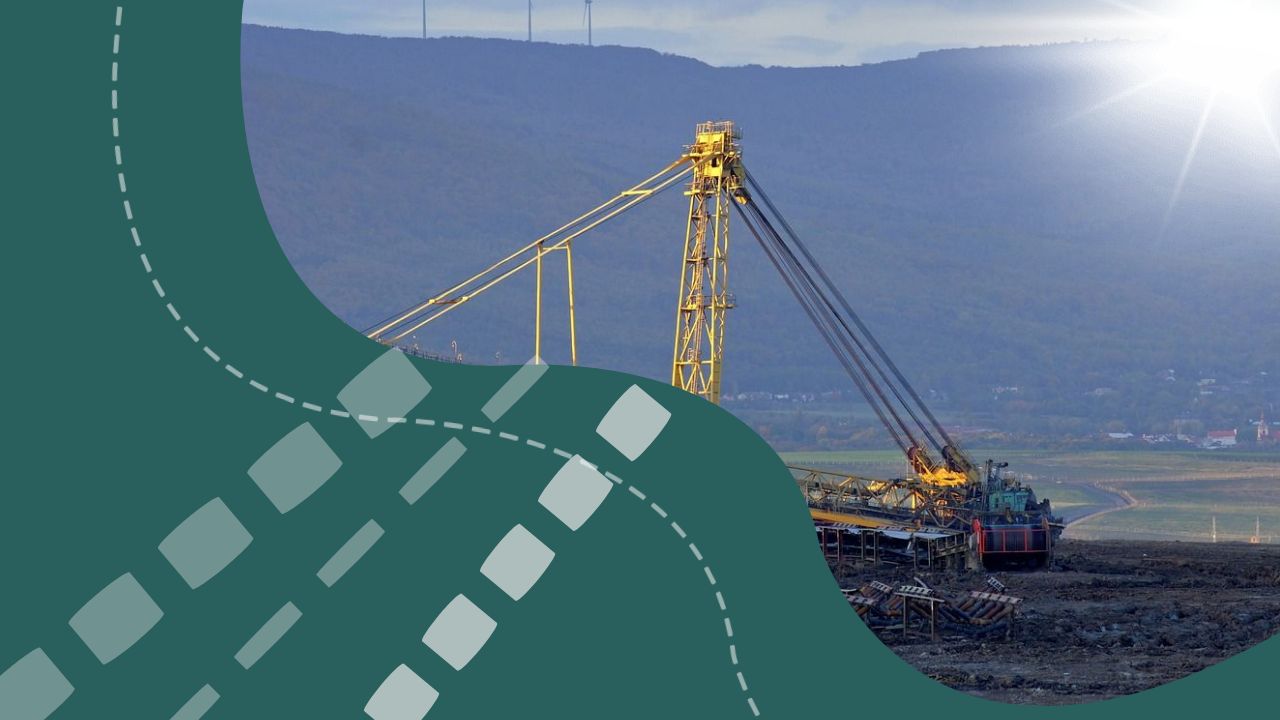
    Kazakhstan is sitting on more than 55 billion tonnes of technogenic mineral formations (TMFs) — the result of decades of intensive mining and mineral processing. But while this massive reserve of industrial waste is growing by 300–700 million tonnes annually, only 11% is currently being recycled, far behind the 70–80% reprocessing rate in developed countries.

    TMFs — tailings, slags, ashes, and waste rock — often contain valuable residual metals such as copper, zinc, and rare earth elements. As traditional ore reserves diminish, these “wastes” present a significant opportunity to recover critical resources and reduce environmental harm.

    President Kassym-Jomart Tokayev has highlighted the importance of moving from accumulation to utilization of TMFs. Reprocessing could not only ease ecological pressure, but also fuel industrialization, support single-industry towns, create jobs, and help diversify the national economy.

    Experts warn, however, that current legislation lacks clarity. TMFs are simultaneously classified as both waste and subsoil resources, meaning they are taxed like raw mineral output but lack a clear legal framework for extraction and reuse. Calls are growing for reforms to reclassify certain TMFs as secondary resources under Kazakhstan’s Environmental Code.

    The Ministry of Industry and Construction has begun an inventory of TMFs and is working on a roadmap to support rare and rare earth metal sectors. Officials are considering simplified licenses for TMF processing and legal changes to allow removal of TMFs from residential areas.

    At the same time, industrial players are already investing in practical solutions. Qarmet is advancing 10 reprocessing projects worth over $137 million, while ERG Recycling processes over 1 million tonnes of TMFs annually, developing new materials for construction and metallurgy.

    Experts emphasize that unlocking the full potential of TMFs requires tax incentives, green investment, and robust science-business-government coordination. Kazakhstan’s new Tax Code includes a reduced mineral extraction tax rate (0.1 coefficient) for materials recovered from TMFs, signaling progress.

    Ultimately, stakeholders agree that TMF reprocessing must become core industrial policy. “It’s not just a technological issue — it’s a matter of national importance,” said Gulnara Bizhanova of Atameken. With soaring global demand for metals and a drive toward green energy, Kazakhstan could evolve from a raw material exporter into a producer of high-tech, value-added goods.

  • Margün Energy Explores Lithium Potential in Geothermal Waters of Western Turkey

    Margün Energy Explores Lithium Potential in Geothermal Waters of Western Turkey

    Margün Energy has announced plans to explore lithium and precious metals in geothermal water at its recently acquired 12 MW geothermal power plant in Seferihisar, western Turkey. The company also revealed intentions to integrate a 5.4 MW photovoltaic unit into the site, creating a hybrid renewable energy facility.

    Turkey, ranked fourth globally in geothermal power capacity, is increasingly looking at the potential for lithium extraction from geothermal fluids—a process that could make clean energy projects more profitable. Margün, listed on the Istanbul Stock Exchange since 2021, will carry out the exploration across 3,125 hectares in İzmir province.

    The $16 million geothermal facility was purchased from RSC Elektrik and is located in Kavakdere, Seferihisar. While the company confirmed exploration plans, it addressed concerns from locals by clarifying that it has not obtained any mining permits and does not intend to mine lithium. Instead, it is evaluating the viability of extracting lithium directly from geothermal brine.

    “Mining lithium and extracting it from geothermal fluid are entirely different processes,” the company stressed, emphasizing its commitment to environmentally conscious development.

    In addition to lithium, Margün Energy is investigating the presence of other valuable metals in the geothermal fluid. It also noted that commercial carbon dioxide capture is on the table, and that geothermal investments would support local job creation and greenhouse farming.

    The proposed 5.4 MW solar plant, currently awaiting regulatory approval, is expected to produce 10 GWh of electricity per year and generate an additional $1.05 million in revenue. Once operational, Margün’s total installed capacity will reach 135.4 MW.

    Margün owns a majority stake in Enda Energy Holding, which operates a diverse portfolio including hydropower, wind, solar, and geothermal projects totaling 200 MW. The company’s share price has surged by 109% since the beginning of the year, reflecting investor confidence in its renewable energy strategy.

  • Europe Eyes Low-Risk Rare Earth Deposits to Strengthen Green Energy Supply Chain

    Europe Eyes Low-Risk Rare Earth Deposits to Strengthen Green Energy Supply Chain

    Europe’s push toward a greener future is facing a critical supply chain dilemma: the continent’s heavy dependence on imported Rare Earth Elements (REEs). These materials are essential for technologies like electric vehicles and wind turbines, yet the global REE market remains largely controlled by China — a geopolitical and economic risk that has sparked alarm across the EU.

    To mitigate this, the EU-funded REEsilience project is charting a new course. Launched in 2022, the initiative has mapped 149 global REE deposits, evaluating them for both geological quality and ESG (Environmental, Social, Governance) risks. Its goal: to help Europe identify secure and sustainable alternatives to Chinese supply.

    “Just a handful of deposits, if chosen wisely, could secure the EU’s rare earth supply,” said Prof. Dr. Carlo Burkhardt, REEsilience coordinator. Norway’s Fen complex and Greenland’s REE resources were flagged as top prospects, offering strong political ties and low ESG risk alongside high-quality ore. Other low-risk candidates include Sweden, Finland, Canada, and Australia.

    By contrast, REE sources in parts of Southeast Asia, Central Africa, and Brazil were found to carry high environmental or social risk — making them less viable options for Europe’s sustainability ambitions.

    Beyond mining, the REEsilience project is also modelling future supply chain scenarios, factoring in price volatility, recycling efforts, and digitalisation. TU Delft’s Dr.ir. Willem Auping explained that simulation modelling is being used to explore “strategic resilience measures” such as recycling and extending product lifecycles.

    The initiative also focuses on localising production — including magnet manufacturing automation and ICT integration — and building a skilled workforce to drive innovation. With final results expected by June 2026, the project aims to pave the way for a robust, circular rare earth supply chain that aligns with Europe’s climate and security goals.

  • Romania’s Salrom Secures License Extension for Strategic Graphite Project

    Romania’s Salrom Secures License Extension for Strategic Graphite Project

    Romania’s state-owned National Salt Company, Salrom, has received an extension for its graphite exploitation license in the Ungurelașu–Polovragi area, reinforcing its role in Europe’s drive to secure domestic sources of strategic raw materials. The development is part of a wider European Commission initiative aimed at reducing reliance on imports for battery-critical materials.

    Salrom’s graphite project is one of 47 strategic initiatives selected by the European Commission under its programme to support the production and processing of key raw materials across 13 EU countries. The company has requested €198.3 million in EU funding to build the extraction and processing infrastructure necessary to produce battery-grade graphite.

    The initiative includes the extraction of graphite shale, the establishment of advanced refining facilities, and the production of high-purity graphite — a crucial component in electric vehicle (EV) batteries and energy storage systems. If approved, the project could position Romania as a key graphite supplier in the EU.

    Salrom highlighted the economic and strategic importance of the investment, calling it a major opportunity to “maximize the potential of this useful mineral substance.” Graphite is currently listed as a critical raw material due to its essential role in the energy transition and Europe’s limited domestic supply.

    The Ungurelașu–Polovragi project is one of three Romanian ventures backed under the EU’s strategic raw materials programme.

  • JSW Launches €25.6M METH2GEN Project to Turn Methane Emissions into Clean Hydrogen with EU Support

    JSW Launches €25.6M METH2GEN Project to Turn Methane Emissions into Clean Hydrogen with EU Support

    Jastrzębska Spółka Węglowa (JSW), the EU’s largest coking coal producer, has launched the METH2GEN project—an innovative €25.6 million initiative aimed at curbing methane emissions from mining operations and converting the captured gas into low-cost hydrogen. Over €20 million of the total funding is provided by JSW itself, with additional support from the European Union.

    The project features two primary components. First, it introduces directional drilling technology to improve methane capture from underground geological formations. This is expected to raise methane recovery efficiency to as much as 70% in mining areas like the Budryk mine. JSW highlights that the new technique will not only reduce emissions but also enhance mine safety and lower operational costs.

    “This is an important step towards modern, safe, and environmentally friendly mining,” said Adam Rosmus, JSW’s VP of Technical and Operational Affairs.

    The second part of the project will see the construction of a hydrogen production facility using Steam Methane Reforming (SMR) technology. Captured methane will be converted into hydrogen, and the resulting CO₂ will be reused in fire prevention systems. According to JSW, this method allows for 100% utilization of methane from degassing stations and offers a cheaper alternative to hydrogen produced via electrolysis.

    “This is a breakthrough solution… particularly important in view of the new European methane standards,” said Artur Badylak, Director of JSW’s Degassing and Methane Policy Office.

    Geological surveys are underway to determine the best location for the hydrogen plant, and drilling equipment is already being procured.

    METH2GEN is one of four major EU-supported environmental initiatives undertaken by JSW, with a combined budget of over €63.8 million. Methane currently accounts for 73% of the company’s total carbon footprint, making its reduction central to JSW’s green transition strategy.

    Despite facing geological and operational challenges, JSW remains committed to its environmental goals. In 2024, it reduced coal production by 9.3% and coke output by 8.6% compared to the previous year. However, the company still reported a net loss of PLN 7.3 billion in 2023.

  • Uzbekistan Boosts Uranium and Rare Material Exports with Greener Mining Push

    Uzbekistan Boosts Uranium and Rare Material Exports with Greener Mining Push

    Uzbekistan is accelerating its efforts to become a key player in the global energy transition supply chain by expanding exports of uranium, copper, and rare earth elements. The Central Asian country is adopting cleaner mining methods and forging international partnerships to position itself as a reliable and responsible supplier of critical raw materials.

    A standout initiative is underway in the Navoi region, where a French-Uzbek-Japanese joint venture — involving France’s Orano and Uzbekistan’s state-owned Navoiyuran — is deploying in-situ leaching. This method offers an environmentally friendlier alternative to traditional open-pit mining and is expected to yield 10,000 tonnes of uranium.

    The move comes as global demand soars for strategic materials essential to renewable energy, electric vehicles, and other green technologies. Uzbek officials are aligning their practices with OECD standards and international environmental benchmarks to boost transparency and win the confidence of Western investors.

    By integrating greener extraction techniques and international oversight, Uzbekistan is not only increasing its export potential but also improving its standing in the global raw materials market. The country is actively seeking to deepen ties with European partners and attract foreign capital to scale up sustainable mining operations.

  • Serbia to Retain Entire Gold Reserve on Home Soil, Snubbing Traditional Hubs

    Serbia to Retain Entire Gold Reserve on Home Soil, Snubbing Traditional Hubs

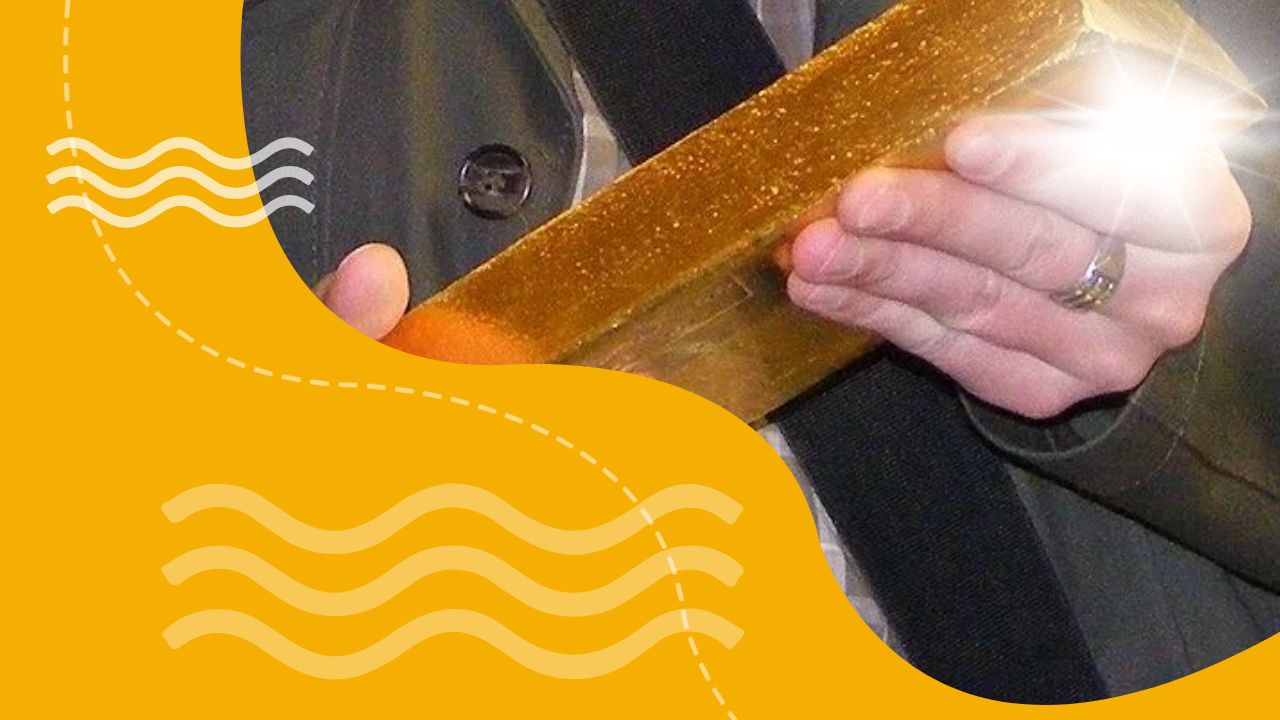
    Serbia’s central bank has revealed plans to relocate all of its gold reserves—valued at roughly £4.7 billion—back to its own territory, in a move aimed at safeguarding the stockpile during times of crisis.

    This would make Serbia the first country in Eastern Europe to entirely eschew established storage locations such as Switzerland, the United Kingdom, and the United States.

    “In bringing the gold back to Serbia, the National Bank sought to enhance both its accessibility and security during periods of instability,” the institution stated, noting that the repatriation effort had commenced in 2021 amid growing global uncertainty.

    Following the freezing of Russia’s foreign currency reserves in 2022, the rate of gold accumulation by central banks worldwide doubled, underscoring the political risk involved in holding reserves in US dollar and euro-denominated assets. Housing gold bars domestically reduces the threat of external interference.

    Between 2019 and the end of last year, Serbia acquired 17 tonnes of gold abroad and a further 19 tonnes from the local arm of Zijin Mining Group. This brought the total reserve to 50.5 tonnes, nearly all stored in Belgrade—except for five tonnes bought in 2024, which remain in Switzerland for now.

    Those final five tonnes will be brought back “as soon as possible,” according to Governor Jorgovanka Tabaković. Serbia’s neighbours hold differing proportions of their reserves domestically, ranging from 86% in Hungary to around 25% in Poland, as per data compiled by Bloomberg.

    The central bank said it had weighed the pros and cons before committing to full repatriation, admitting that while holding gold in global market hubs facilitates easier selling and lending, the risks outweighed those advantages.

    The Bank of England’s vault in London currently houses a significant portion of the world’s gold reserves—around £430 billion in value—cementing the UK’s position as the primary hub for precious metals trading. Similarly, the Federal Reserve in New York holds gold on behalf of nations including Germany and the Netherlands.

    Germany’s decision to bring gold back home over a decade ago sparked national debate and was driven by Cold War fears. Though the Soviet threat has since faded, the metal remained overseas until the repatriation effort was completed.

    Other countries, such as Poland and the Netherlands, have followed suit, while similar calls for domestic storage have echoed through Slovakia and Romania.

    The notion of storing gold within national borders has gained traction among rising populist movements, such as Germany’s Alternative für Deutschland, which regards it as a crucial safeguard against international political pressure.

  • EU Clamps Down on China Trade Imbalance Despite Rare Earth Breakthrough

    EU Clamps Down on China Trade Imbalance Despite Rare Earth Breakthrough

    The EU, after a one-day summit in Beijing, struck a tentative deal with China to ease export restrictions on crucial rare earths. However, the bloc remains resolute in its demand for a significant rebalancing of trade relations, amidst lingering tensions over industrial overcapacity and market access.

    Trade Concerns Remain Despite Rare Earth Deal:

    • The EU welcomed China’s rapid-fire approval of rare earth export licenses and a new oversight system for supply chain issues, addressing concerns triggered by Beijing’s earlier restrictions.
    • However, EU leaders emphasized the need for further progress to tackle the €300 billion trade deficit with China in 2024, exceeding the bloc’s acceptance of “fair competition” and calling for greater market access in China for European businesses.

    Key Points of Contention:

    • Market Access: The EU insists on reciprocal market access for its companies, similar to the access enjoyed by Chinese firms in Europe, highlighting persistent discrepancies in access and treatment.
    • Industrial Overcapacity: Brussels remains critical of China’s use of subsidies to fuel domestic industries, creating artificial competition and cutting into European firms’ market share.
    • Ukraine War: The EU criticized China’s support for Russia, accusing it of enabling the ongoing conflict, despite China’s denial.

    Impact of Recent Trade Disputes:

    • The recent trade dispute over electric vehicle tariffs was exemplified by the EU’s imposition of duties on Chinese-made EV imports, followed by retaliatory moves from Beijing targeting EU agricultural products.

    Looking Forward:

    • While the summit yielded progress on rare earths, fundamental disagreements persist regarding trade imbalance, market access, industrial practices, and China’s role in the Russia-Ukraine war.
    • The EU warned that failure to address these issues could compel it to reconsider its openness to Chinese trade and investment.

    Overall Tone:

    The summit signals a mixed bag for EU-China relations. While the rare earth accord offers a glimmer of hope, deep-rooted trade concerns and political disagreements suggest a more complex and potentially volatile future.

  • Human Rights and Environmental Abuse Cases Triple at Mines Across Eastern Europe and Central Asia

    Human Rights and Environmental Abuse Cases Triple at Mines Across Eastern Europe and Central Asia

    Allegations of human rights and environmental violations linked to mining operations across Eastern Europe and Central Asia nearly tripled in 2024, according to a new report by the Business and Human Rights Resource Centre (BHRRC). The UK-based non-profit recorded 270 incidents tied to mining, smelting, and refining operations across 13 countries in the region, up from just 92 cases the previous year.

    The findings raise serious concerns about the human and environmental cost of securing critical minerals for the green energy transition. Russia led the region in reported abuses, accounting for 105 cases, or 39% of the total, followed by Ukraine (48), Kazakhstan (43), Serbia (31), and Bosnia and Herzegovina and Georgia (10 each). In several countries, including Serbia and Kazakhstan, the 2024 tally surpassed the combined number of cases from the previous five years.

    Of all the minerals tracked, copper was linked to the most abuse cases — 77 in total, representing nearly 30% of the regional total and spread across eight countries. The top human rights concern was occupational health and safety violations, making up 115 of the 270 allegations. Workplace fatalities (47) and long-term personal health issues (30) also featured prominently. Russia and Kazakhstan together accounted for 37 out of 47 reported deaths.

    Environmental harms were also widespread. Violations of environmental safety standards were documented in 43 cases, while air pollution, soil contamination, and water pollution each appeared in about 20–27% of community-level complaints.

    One of the most frequently named companies was United Company RUSAL, owned by sanctioned Russian oligarch Oleg Deripaska, with 31 abuse allegations linked to its operations. Georgia’s Chiatura mines were also cited in 10 cases.

    The BHRRC warns that the rush to secure essential materials for clean energy must not come at the expense of human rights and environmental protection. “We must not choose between climate progress and protection of people and ecosystems,” said BHRRC researcher and co-author Ella Skybenko.