Website: Eurasia.com

  • Kazakhstan’s Mining Industry Grows 8.5% in First Seven Months of 2025

    Kazakhstan’s Mining Industry Grows 8.5% in First Seven Months of 2025

    Kazakhstan’s mining industry recorded an 8.5% increase in output in January–July 2025, according to figures presented at a government press conference on the country’s socio-economic performance.

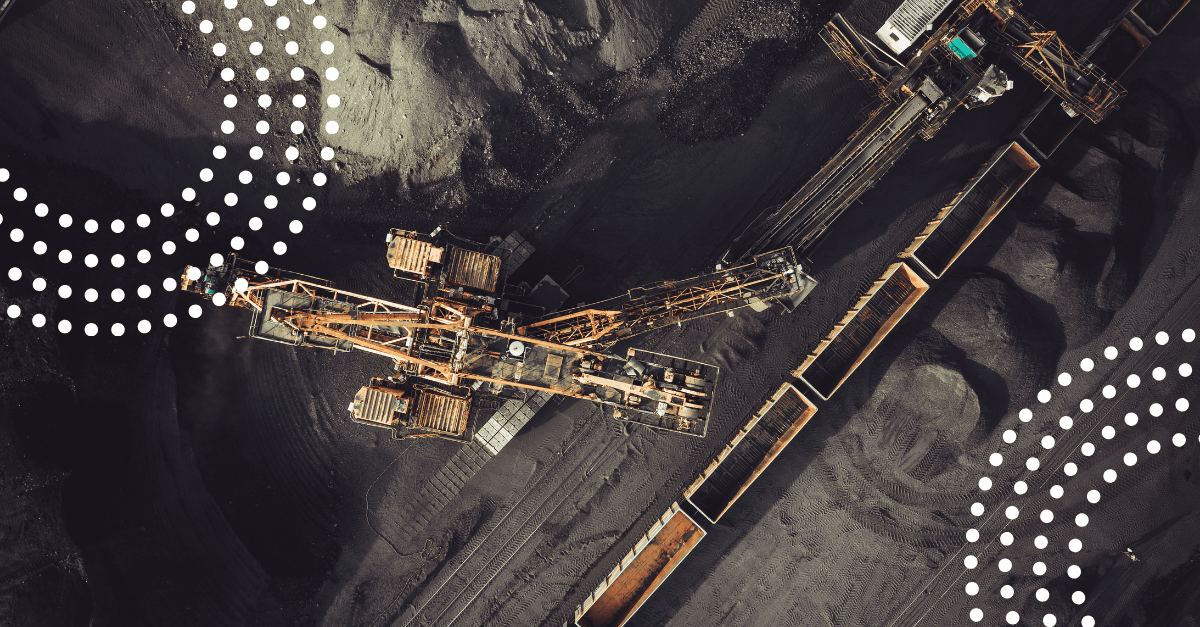
    The official website of the Prime Minister noted strong results from companies extracting hydrocarbon raw materials: oil production rose by 11.9%, while gas output increased by 14.3%. Coal enterprises also posted gains, with fuel production up 10.6% despite ongoing logistical challenges.

    The manufacturing sector also saw positive momentum, expanding by 6.1%. Minister of National Economy Serik Zhumangarin highlighted ongoing efforts to diversify the economy and deepen raw material processing. Over the reporting period, machinery production rose by 14%, oil refining by 8.6%, and chemical manufacturing by 6%.

    Investments in fixed capital increased by 16.1% overall, with particularly strong growth of 38.7% in manufacturing.

  • Military Metals Targets Strategic Antimony-Gold Potential in Slovakia’s Tiennesgrund Project

    Military Metals Targets Strategic Antimony-Gold Potential in Slovakia’s Tiennesgrund Project

    Military Metals (CSE: MILI) says its Tiennesgrund Antimony-Gold Project in eastern Slovakia could play a key role in bolstering Europe’s strategic resource independence. Following a preliminary field inspection and historical data review, CEO Scott Eldridge highlighted the project’s potential to strengthen domestic supply chains for critical minerals under the European Union’s Critical Raw Materials Act.

    “Antimony is listed as a critical raw material under the EU’s CRMA, and our project has potential to support the continent’s ambition to secure domestic supply chains for essential minerals,” Eldridge said. “We’re proud of the possibility that we may contribute to Europe’s resilience in the face of global resource volatility and will seek to help power the technologies that drive the green and defence sectors.”

    The 13 km-long, 0.8–1.4 km-wide property hosts numerous historical adits, where mineralised material remains visible in waste dumps. Historical sampling indicates antimony grades between 2.5% and 39.4%, and gold grades from 0.07 g/t to 9.6 g/t.

    A field campaign is planned for October 2025 to study structural controls of mineralisation and define drill targets. The program will include trenching, sampling, and mapping, with drill testing to follow where results indicate significant concentrations of antimony and gold.

    Military Metals, based in British Columbia, focuses on acquiring and advancing mineral projects with a particular emphasis on antimony, a metal critical to batteries, renewable energy systems, flame retardants, and advanced technologies such as liquid metal batteries and solar panels.

    Antimony prices have remained stable since July, with Shanghai Metals Market data showing No.1 ingot prices between ¥185,000 and ¥188,000 ($39,456–$40,092) per tonne.

  • Poland’s Coal Exit Stalls Amid Political Battles, But Economics Point to Faster Phase-Out

    Poland’s Coal Exit Stalls Amid Political Battles, But Economics Point to Faster Phase-Out

    In August 2023, Poland’s state-owned utility PGE stunned the nation by pledging to become carbon neutral by 2040 and quit coal entirely by 2030 — a decade earlier than planned. The move, in line with EU climate ambitions, was quickly reversed after fierce backlash from mining unions in Silesia, Poland’s coal heartland, and political pressure ahead of national elections.

    Eighteen months into the new pro-EU government of Prime Minister Donald Tusk, progress on the energy transition remains slow. A key reform to loosen restrictions on wind turbine construction passed parliament last week but faces an expected presidential veto from Karol Nawrocki, a coal supporter elected with backing from the previous ruling party.

    Poland’s reliance on coal is deeply rooted in its geology, economic history, and cultural identity. With 27.8 billion tonnes of reserves — the second-largest in the EU — coal still generates 57% of the country’s electricity, the highest share in Europe. Mining employs tens of thousands and carries strong political weight, particularly in Silesia, where miners are held in high public esteem.

    Economically, the sector is struggling. Domestic output has dropped from over 250 million tonnes annually in the 1980s to about 85 million today, with production costs among the highest in the world at over 900 złoty ($243) per tonne. Heavy subsidies keep the industry afloat, costing taxpayers 9 billion złoty in 2025 — about 600 złoty per household.

    Poland’s slow pace on clean energy has left it vulnerable to rising carbon costs under the EU Emissions Trading System, with new ETS2 rules set to extend carbon pricing to households from 2027. Around one-third of Polish homes still burn coal for heating, making them particularly exposed. Analysts warn that political resistance to ETS2 could delay implementation and stall the transition further.

    Despite delays, Poland’s draft National Energy and Climate Plan projects coal’s near-total disappearance by 2035. Energy experts argue this could happen sooner, as economics increasingly favour renewables. In April, coal’s share of monthly electricity generation dipped below 50% for the first time, and renewables now account for 29% of the energy mix, nearly double the share in 2020.

    Yet the political tug-of-war between coal defenders and clean energy advocates continues to shape policy — and Poland’s future competitiveness. Major investors, including Google, Amazon, and Mercedes, have warned that the country’s coal-heavy power mix could deter investment, while its fast-growing battery industry risks losing ground under new EU carbon footprint rules.

    “The energy market and society need this investment pathway to be implemented,” said Tobiasz Adamczewski of think tank Forum Energii, adding that a just transition for coal communities will be key.

  • Ukraine’s Titanium Ore Exports Plunge 93% in First Seven Months of 2025

    Ukraine’s Titanium Ore Exports Plunge 93% in First Seven Months of 2025

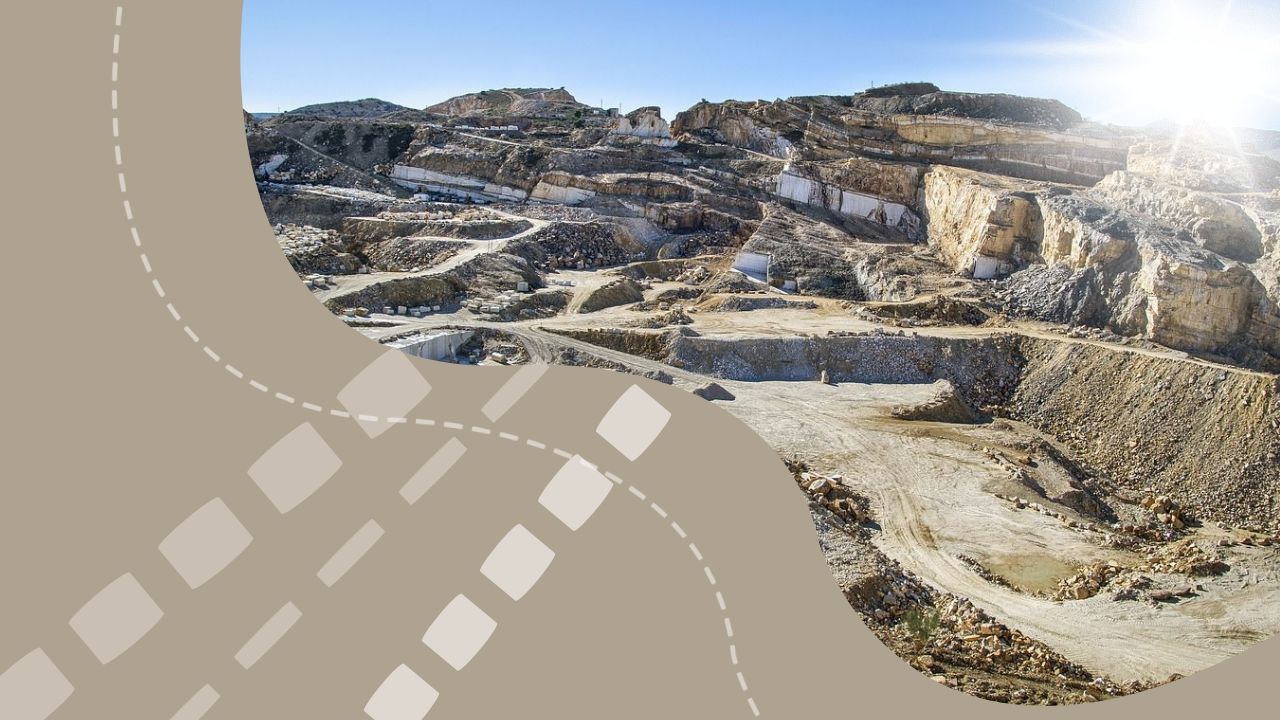
    Ukraine’s exports of titanium-containing ores and concentrates collapsed by 93.6% year-on-year in January–July 2025, falling to just 277 tonnes, according to data from the State Customs Service (SCS). In monetary terms, exports dropped 93.1% to $496,000.

    Uzbekistan, Turkey, and Egypt were the main destinations, accounting for 35.61%, 35.01%, and 29.38% of export revenues respectively. On the import side, Ukraine purchased 24 tonnes of titanium ores worth $39,000 from China (94.87%) and Uzbekistan (5.13%) during the period.

    Exports of other critical ores — niobium, tantalum, vanadium, and zirconium — reached 2,466 tonnes worth $3.95 million, with Spain (48.90%), Germany (24.53%), and Italy (17.19%) as the top buyers. Imports of these ores totalled 294 tonnes worth $774,000, mainly from Spain, China, and the Czech Republic.

    Ukraine’s titanium ore exports had already fallen sharply in 2024, down 37.5% in volume to 7,284 tonnes and 40% in value to $11.65 million. The main buyers last year were Turkey, Egypt, and Poland.

    The SCS noted that discrepancies in official statistics are due to confidentiality rules covering military and dual-use goods, with certain titanium shipments aggregated under “Other goods.” Deliveries from mining companies may therefore differ from published customs data.

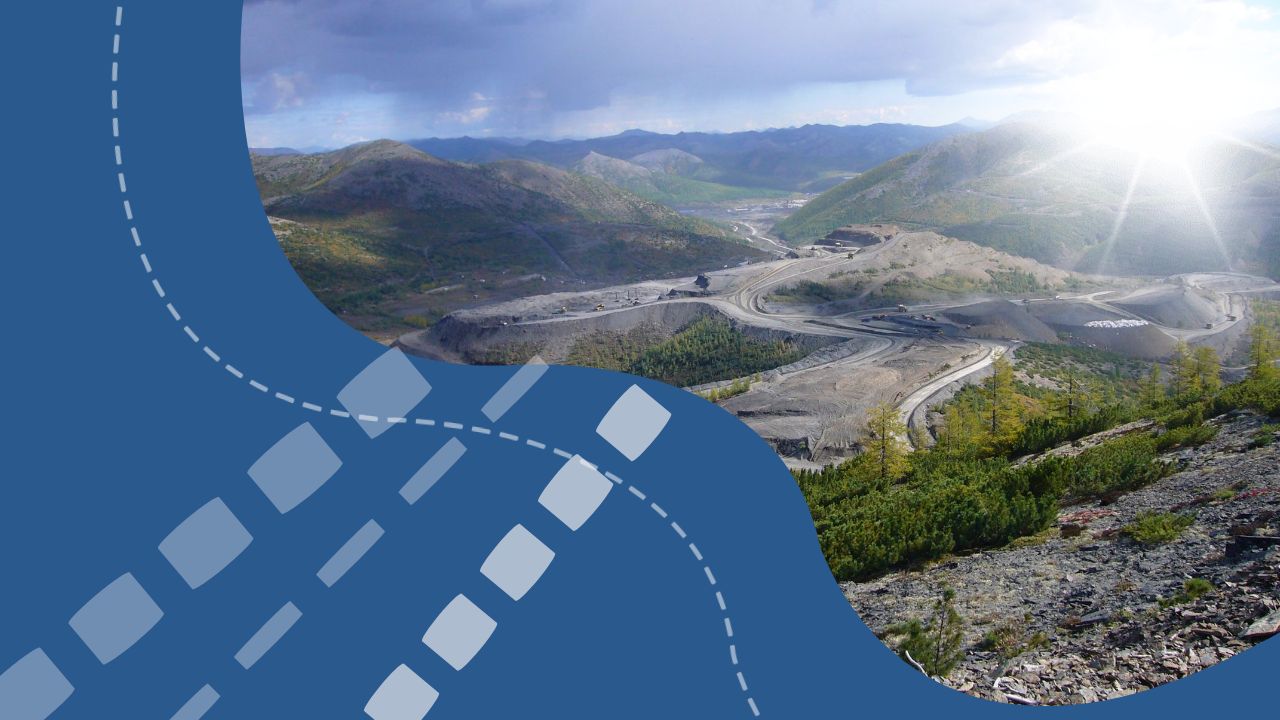
    Ukraine’s titanium ores are mined primarily by PJSC United Mining and Chemical Company (operating the Vilnohirsk and Irshansk plants), LLC Mezhyrichensky GZK, LLC Valky-Ilmenit, and Velta, which operates the Birzulivskoye mine with a 240,000-ton annual capacity for ilmenite concentrate.

  • CATL Mine Closure Sparks Lithium Rally as China Tightens Mining Rules — UK Miners Poised to Gain

    CATL Mine Closure Sparks Lithium Rally as China Tightens Mining Rules — UK Miners Poised to Gain

    Lithium prices and mining stocks surged Monday after Contemporary Amperex Technology Co. Ltd (CATL), the world’s largest EV battery maker, unexpectedly shut down one of its biggest lithium mines in China’s Jiangxi province due to an expired permit.

    The Jianxiawo mine, a major producer churning out roughly 9,000 tonnes of lithium carbonate equivalent per month, lies in China’s Yichun lithium hub. Its temporary closure pushed spot lithium prices up nearly 4% in a day and over 15% in the past month. Shares in global lithium giants Albemarle and Sociedad Química y Minera (SQM) jumped 11% and 9% respectively, while developers Lithium Americas and Sigma Lithium saw even sharper gains.

    The shutdown reflects a broader policy shift under China’s new Mineral Resources Law, in effect since July 1, aimed at halting unregulated expansion and curbing destructive over-competition. Authorities have ordered other Yichun mines to resubmit resource reports by September or risk closure.

    While analysts at Citi and China Futures Co. warn the market remains in structural surplus through 2025, Beijing’s clampdown signals an end to the era of cheap, rapid, and loosely regulated Chinese supply growth. That could benefit miners outside China, especially those in politically stable regions with advanced projects.

    UK-listed lithium companies are among the potential winners. Rio Tinto (LSE: RIO) is investing $2.5 billion in its Rincon brine project in Argentina, aiming for 60,000 tonnes annual output by 2028. Atlantic Lithium’s Ewoyaa project in Ghana is on track for first production in 2025–26. Kodal Minerals (AIM: KOD) is targeting first output from its Bougouni project in Mali later this year, backed by Chinese funding. European Metals Holdings (AIM: EMH) is advancing the Cinovec project in the Czech Republic, while Savannah Resources (AIM: SAV) is progressing the Barroso project in Portugal — both with potential production starts by 2027–28.

    With EV demand expected to triple lithium consumption by 2035, and long-term supply potentially falling short by as much as 40% without major investment, the tightening Chinese regulatory environment could accelerate opportunities for alternative suppliers.

  • Historic Wieczorek Coal Mine in Katowice to Become Sustainable Tech and Innovation Hub

    Historic Wieczorek Coal Mine in Katowice to Become Sustainable Tech and Innovation Hub

    The century-old Wieczorek coal mine in southern Poland is set for a €135 million transformation into a state-of-the-art sustainable technology and innovation centre. Strabag Sp. z o.o., the Polish arm of Austria-based Strabag, secured the first-phase construction contract on August 1, marking the start of a 32-month programme to restore and modernise the landmark industrial complex.

    The redevelopment will create research laboratories, demonstration areas, and facilities for technology-focused businesses in fields such as e-sports, artificial intelligence, and other emerging sectors. Plans also include the integration of renewable energy systems, climate-friendly building technologies, and the addition of a public park.

    “As part of our Strategy 2030, we are specifically focusing on future fields such as reconstruction, conversion, and refurbishment, as well as technological leadership,” said Strabag CEO Stefan Kratochwill.

    The project aligns with Katowice’s wider vision to repurpose former industrial sites into hubs for knowledge transfer, technological growth, and sustainable urban development. Strabag described the initiative as a “lighthouse” project for the city’s shift from coal-based industry to an innovation-led economy.

    Strabag is also advancing similar regeneration work in nearby Dąbrowa Górnicza, where the former Desum machine tool plant is being redeveloped into the “Living Factory” — a mixed-use complex combining offices, cultural spaces, dining areas, and pedestrian-friendly public zones.

  • Rock Tech Lithium Secures German Government Funding to Boost Lithium Recovery Efficiency

    Rock Tech Lithium Secures German Government Funding to Boost Lithium Recovery Efficiency

    Rock Tech Lithium Inc. (TSXV: RCK) has received funding from Germany’s Federal Ministry for Research, Technology and Space (Bundesministerium für Forschung, Technologie und Raumfahrt) to advance its “ELiSePro – Efficient Lithium Recovery Using Selective Processes” project. The initiative aims to enhance lithium yield at the company’s Guben converter facility, strengthening Germany’s raw material independence and supporting the European battery supply chain.

    Developed in partnership with RWTH Aachen University, the €250,000 project will test advanced ion separation technologies — including nanofiltration, capacitive deionization, and lithium-ion sieves — to reduce lithium losses in processing. Results will be assessed using both economic and technological metrics, with direct application to industrial operations at Guben. Findings are expected to be published in scientific journals and considered for patent protection.

    “This funding supports the technological advancement of the German and European battery industry,” said Rock Tech CEO Mirco Wojnarowicz. “Even though it’s a relatively small amount, it’s an important step toward building additional know-how, securing critical raw materials, and creating sustainable value chains in Europe.”

    The award marks the third public funding program Rock Tech has secured in recent months, adding to €800,000 from EIT RawMaterials under the KAVA program and C$388,000 from Ontario’s Critical Minerals Innovation Fund for lithium ore sorting technologies. Rock Tech’s German converter project has been designated a strategic initiative under the EU Critical Raw Materials Act (CRMA).

  • Uzbekistan’s Navoi Mining Targets $20 Billion Valuation in Potential London–Tashkent IPO

    Uzbekistan’s Navoi Mining Targets $20 Billion Valuation in Potential London–Tashkent IPO

    Navoi Mining & Metallurgical Co. (NMMC), one of the world’s largest gold producers, has selected Citigroup, Morgan Stanley, and JPMorgan Chase to lead a possible dual listing in London and Tashkent, according to sources familiar with the matter. The Uzbekistan state-backed miner is eyeing a valuation of around $20 billion, including debt, buoyed by a near-30% surge in gold prices this year.

    The company is considering issuing London-listed global depositary receipts alongside a domestic listing in line with an April presidential decree requiring state-backed firms to go public both locally and internationally. NMMC is also working with Rothschild & Co. as an IPO adviser.

    The planned share sale, which could involve 10% to 15% of the government’s stake, forms part of Uzbekistan’s broader privatization drive. The same decree also calls for an IPO of 25% of the $1.7 billion national investment fund, UzNIF. Officials are still weighing which offering to launch first.

    Gold prices have roughly doubled over the past three years, hitting a record above $3,500 an ounce in April, driven by central bank purchases, investor demand, and heightened geopolitical risk. The rally has lifted mining stocks globally, with Newmont Corp. and Barrick Gold Corp. among those benefiting.

    NMMC, the world’s fourth-largest gold miner, produced 3.1 million ounces of gold last year, generating $7.4 billion in revenue and $4 billion in operating profit, according to its annual report.

    For London, the IPO could provide a much-needed boost after the exchange suffered its weakest first half for new listings in nearly 30 years. The city has long been a preferred destination for mining and emerging market listings.

    No final decision has been made on the offering’s timing or structure, and representatives for NMMC, the banks, and Rothschild declined to comment.

  • Greece Shuts Last Peloponnese Coal Units, Unveils Renewable Energy and Tech Projects in Megalopolis

    Greece Shuts Last Peloponnese Coal Units, Unveils Renewable Energy and Tech Projects in Megalopolis

    For the first time in decades, no coal smoke is rising from the Peloponnese, as Greece has retired its last two coal-fired power units in the region. Public Power Corporation (PPC) confirmed that Megalopolis-3 and Megalopolis-4, with a combined capacity of 500 MW, have been permanently shut down. The closures mark a milestone in the country’s coal phase-out, which is set to be completed next year.

    Under PPC’s plan, all coal plants in Greece have now ceased operations except for Ptolemaida 5, a 660 MW unit in Western Macedonia that began operating in 2024. Two additional units in Western Macedonia remain on reserve to safeguard the national power supply.

    PPC is preparing to transform the former Megalopolis thermal power station into a hub for new industries, while rehabilitation work is already underway at the local lignite mine. The company’s €490 MW renewable cluster in the area includes two photovoltaic farms of 125 MW each, alongside a planned 181 MW pumped storage hydropower facility on the former mine site.

    Megalopolis is also set to host new industrial and technology projects under Greece’s Just Transition Development Program. Planned investments include a battery factory by Enercells and two 5 MW data centers by Eunice and Kiefer. These projects have been approved by the Ministry of Economy and Finance and will seek financing from the EU’s Just Transition Fund.

    PPC CEO George Stassis has stressed the importance of data centers for former coal regions, noting that existing land and grid infrastructure make them ideal sites for such ventures. While PPC is developing a 300 MW data center in Western Macedonia, no equivalent project has yet been announced for Megalopolis.

  • Sizewell B Confirms Use of Russian Uranium Amid Accusations of “Sheer Hypocrisy”

    Sizewell B Confirms Use of Russian Uranium Amid Accusations of “Sheer Hypocrisy”

    EDF Energy has confirmed that Sizewell B nuclear power station has been using uranium sourced from Russia, sparking criticism over the UK’s reliance on Russian nuclear fuel while simultaneously funding Ukraine’s defence against Moscow’s invasion.

    The company said its current supply comes from MSZJSC, a Russian entity not subject to sanctions, under long-term contracts dating back to 2008 when the deal was signed by British Energy, years before the war in Ukraine. Sizewell B, which generates around 3% of the UK’s electricity, replaces a third of its fuel every 18 months with recycled enriched uranium from this source.

    Critics, including nuclear policy consultant Dr David Lowry, argue that the supply chain ultimately begins with Rosatom, the Russian state-owned nuclear corporation sanctioned by the UK in February 2023. He says Rosatom sends the uranium through its subsidiary TVEL to MSZJSC, before it is processed at a Framatome facility in Lingen, Germany, and supplied to Sizewell B.

    “It is sheer hypocrisy for energy ministers to say we need new nuclear to end dependence on Russian energy when our biggest and newest nuclear plant is fully fuelled by Putin’s uranium,” Dr Lowry said. “We’re giving arms to Ukraine and giving Russia money for fuel, undermining our own efforts.”

    EDF maintains it is in full compliance with all EU, UK, and French sanctions and has already removed Russian involvement from the fuel supply chain for all UK nuclear plants except Sizewell B. The company says it aims to fully eliminate Russian input at Sizewell B by 2028 and has committed that Russian fuel will not be used at the planned Sizewell C plant.

    Documents from an October 15, 2024, stakeholder meeting, seen by this paper, confirm that Russian-supplied uranium has been in use at the site, a fact acknowledged by station director Robert Gunn to local councillors.

    EDF said it continues to work with UK companies and the government to build domestic nuclear fuel capabilities central to future UK and European energy security.