Website: Asia.com

  • В Казахстане изменены правила хранения и предоставления геологической информации

    В Казахстане изменены правила хранения и предоставления геологической информации

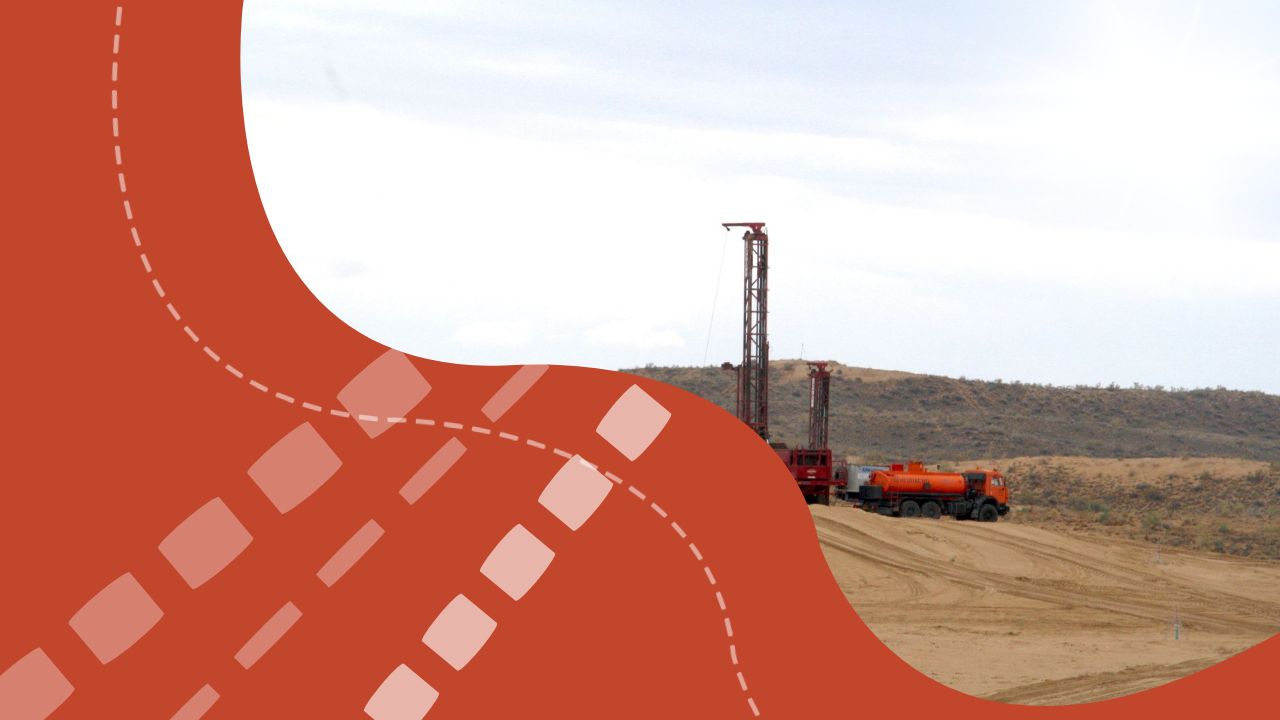
    В Казахстане обновлены правила, касающиеся учета, хранения и систематизации геологической информации, находящейся в государственной собственности. Согласно новым нормам, оператором хранения выступает предприятие с 100% государственным участием.

    На хранение принимаются первичная и вторичная геологическая информация в виде отчетов. Доступ к общей части вторичной информации открыт, за исключением конфиденциальных данных и государственной тайны.

    Пользователи могут получить информацию через Национальный банк данных или заказать копии, которые предоставляются в течение пяти рабочих дней после оплаты.

  • Проверка Казцинк на фоне экологического кризиса в Усть-Каменогорске

    Проверка Казцинк на фоне экологического кризиса в Усть-Каменогорске

    Экологическая ситуация в Усть-Каменогорске вновь оказалась в центре внимания: Генеральная прокуратура инициировала проверку компании Казцинк, которую считают основным источником загрязнений воздуха в регионе. В ноябре прошлого года густой смог накрыл город, что вынудило власти перевести более 50 тысяч школьников на дистанционное обучение. Экологи отмечают, что 44% промышленных выбросов в городе приходится на предприятия Казцинк, включая заводы по производству цинка, меди, свинца и других металлов.

    В последние годы деятельность компании неоднократно сопровождалась экологическими нарушениями. Например, были зафиксированы утечки химикатов в местные реки, превышения содержания тяжелых металлов в сточных водах и выбросы сернистого газа. Несмотря на штрафы на миллионы тенге и инвестиции в модернизацию очистного оборудования, влияние предприятия на окружающую среду остается значительным.

    Экологи утверждают, что существующие технологии очистки недостаточны для обеспечения комфортной экологической обстановки в городе. По мнению экспертов, радикальные реформы или закрытие предприятий подобного масштаба в будущем неизбежны. Казцинк, со своей стороны, заявляет о планах по снижению выбросов, но их эффективность пока не дала ощутимых результатов для жителей города.

  • KazZinc Under Investigation Amid Ust-Kamenogorsk’s Worsening Environmental Crisis

    KazZinc Under Investigation Amid Ust-Kamenogorsk’s Worsening Environmental Crisis

    The worsening environmental conditions in Ust-Kamenogorsk have placed metallurgical giant KazZinc under scrutiny, as the General Prosecutor’s Office launches an investigation into the company’s practices. The city, plagued by dense smog in late November, saw over 50,000 schoolchildren shifted to remote learning due to alarming health risks. Environmental experts have tied much of the pollution to KazZinc, responsible for 44% of the city’s industrial emissions.

    While KazZinc operates several plants, including zinc, lead, copper, and sulfuric acid production facilities, its activities have led to multiple ecological violations in recent years. Reports detail incidents of excessive sulfur dioxide emissions, polluted wastewater, and even chemical spills affecting local rivers like Bukhtarma and Ulba. Despite investing billions of tenge in modernization efforts, including advanced filtration systems, the company’s measures have proven insufficient against the escalating crisis.

    Public discontent continues to grow, as many view the government’s response as inadequate. Ecologists argue that systemic reforms are necessary to hold industrial giants accountable. According to Roman Chesnykh, a member of the Public Council on Ecology, KazZinc’s efforts, though commendable, represent a “drop in the ocean” amidst a complex environmental crisis. The expert further suggests that the city’s overall industrial infrastructure, much of it Soviet-era, requires a complete overhaul to address long-term sustainability.

    KazZinc, one of the country’s largest economic contributors, has faced penalties totaling millions of tenge over the years. However, critics claim these fines are insignificant compared to the damage caused, urging stricter regulations and higher penalties. With calls for transparency and greater accountability, the investigation seeks to uncover whether KazZinc has adequately adhered to environmental laws and whether its current policies align with national sustainability goals.

  • Resolving Black Snow Issue in Satpayev Requires Time

    Resolving Black Snow Issue in Satpayev Requires Time

    Evgeny Kravchuk, CEO of Kazakhmys Distribution, confirmed that the company faces significant challenges in addressing the black snow problem in Satpayev. The heating plant, which serves the city’s population, is the primary source of the issue, exacerbated by the use of low-quality coal. Residents have expressed concerns about health risks, prompting local authorities and environmental agencies to prioritize the problem.

    Kazakhmys Distribution has begun steps to reduce emissions by installing emulgators on boilers to capture 98% of harmful particulates. The first device is already operational, with plans for six more by the end of 2024. However, the company’s investment program, limited to 700-800 million tenge annually, leaves little room for simultaneous modernization and maintenance efforts.

    Kravchuk emphasized a phased approach, beginning with ensuring stable heating services in winter. The long-term strategy will involve more extensive technological upgrades.

    Public concern continues to grow, as black snow has become a recurring issue. Many residents hesitate to let children play outside, while others view the phenomenon as a dangerous norm. Environmental advocates have linked the problem to pollution from Kazakhmys Distribution, and local government representatives have acknowledged the need for sustainable solutions.

    The broader implications of air pollution in Satpayev echo challenges in other regions of Kazakhstan. For instance, cities like Ust-Kamenogorsk have faced similar issues, resulting in school closures and increased health risks. The complexity of addressing these environmental crises underscores the need for systemic changes in industrial and energy practices.

  • Решение проблемы черного снега в Сатпаеве потребует времени

    Решение проблемы черного снега в Сатпаеве потребует времени

    Гендиректор дочерней компании «Казахмыс» — Kazakhmys Distribution, Евгений Кравчук, заявил, что краткосрочного выхода из ситуации с черным снегом в Сатпаеве нет. Компания планирует установить дополнительные эмульгаторы на котлах, что должно значительно снизить выбросы загрязняющих веществ. Однако ограниченные инвестиционные средства не позволяют одновременно решать все проблемы.

    Жители жалуются на ухудшение экологии, связанное с использованием дешевого угля. Местные власти подтвердили, что загрязнение связано с работой котельной компании. Решение проблемы будет происходить поэтапно, начиная с ремонтов в 2024 году.

  • Президент Касым-Жомарт Токаев призвал к решительным действиям для ускорения развития Казахстана

    Президент Касым-Жомарт Токаев призвал к решительным действиям для ускорения развития Казахстана

    Президент Касым-Жомарт Токаев подчеркнул необходимость решительных действий со стороны членов правительства для достижения значительных результатов в социально-экономическом развитии страны. Он отметил важность строгого контроля за выполнением поставленных задач и подчеркнул, что реформы будут координироваться через новый центр под руководством Дархана Сатыбалды.

    Ключевые приоритеты включают крупные инфраструктурные проекты, цифровизацию, искусственный интеллект и развитие атомной энергетики. Президент поручил ускорить строительство двух или трёх атомных станций, что сделает Казахстан лидером в ядерной энергетике и цифровых технологиях.

  • President Calls for Bold Decisions to Accelerate Kazakhstan’s Development

    President Calls for Bold Decisions to Accelerate Kazakhstan’s Development

    President Kassym-Jomart Tokayev urged government members to take decisive actions for impactful socio-economic progress. He emphasized the importance of tracking the implementation of his directives, particularly through a newly established center to enhance reform efficiency, coordinated by First Deputy Chief of Staff Darhan Satybaldy.

    The President highlighted key strategic priorities, including large-scale infrastructure projects, digitization, artificial intelligence, and nuclear energy. He stressed the urgency of building two or three nuclear power plants to establish Kazakhstan as a leader in advanced nuclear energy and digital technology.

  • General Prosecutor to Audit KazZinc for Environmental Compliance

    General Prosecutor to Audit KazZinc for Environmental Compliance

    The General Prosecutor’s Office will audit KazZinc LLP to assess compliance with environmental laws following significant air pollution in Ust-Kamenogorsk from November 23 to December 1, 2024. The audit will involve experts from the Environmental Regulation and Control Committee.

    The regional roadmap for 2024-2026 includes measures to reduce harmful emissions by 10-20%. Key initiatives include upgrading sulfur gas treatment systems at KazZinc’s metallurgical complex, projected to reduce sulfur dioxide emissions by 2,200 tons by 2026. Despite these plans, air quality in the city remains a critical concern.

  • Генеральная прокуратура проверит «Казцинк» на соблюдение экологических норм

    Генеральная прокуратура проверит «Казцинк» на соблюдение экологических норм

    Генеральная прокуратура начнет проверку ТОО «Казцинк» из-за нарушения экологического законодательства. Это связано с неблагоприятной ситуацией в Усть-Каменогорске в ноябре-декабре 2024 года, когда превышение концентрации загрязняющих веществ в воздухе вызвало рекордный смог. Проверка пройдет с участием экологических специалистов.

    Модернизация установок по доочистке сернистого газа на металлургическом комплексе «Казцинк» должна к 2026 году сократить выбросы диоксида серы на 2,2 тыс. тонн. Однако город ежегодно страдает от безветрия и загрязнения воздуха, требующего новых решений.

  • Sarytogan secures 25-year mining licence for Kazakhstan graphite mine

    Sarytogan secures 25-year mining licence for Kazakhstan graphite mine

    Sarytogan Graphite has received a significant boost with the granting of a 25-year mining licence by the Kazakhstan Ministry of Industry and Construction for its graphite mine in the Karaganda region.

    The licence, covering an area of 8.88km², provides the company with the right to mine for graphite for the next quarter century. Importantly, the licence includes an option to extend for an additional 20 years, and thereafter until the mineral resource is fully depleted. This long-term security underscores the government’s confidence in the project’s viability and potential.

    This milestone follows the company’s successful acquisition of an environmental permit last month, demonstrating its commitment to responsible and sustainable mining practices.

    The licence comes with specific obligations designed to benefit both the company and the local community. Sarytogan is required to maintain a minimum annual expenditure of 8,938 monthly calculated indicators (MCIs), indexed yearly, ensuring continuous investment in the mine’s operations.

    The company is committed to supporting the development of the Kazakh industry by utilizing at least 50% of domestic works and services in its production activities. Sarytogan will also invest 1% of its production costs in training local personnel and another 1% in research and development, fostering local skills and innovation.

    Sarytogan Graphite will contribute 1,000 MCIs, approximately $7,500 in 2025, annually to the socioeconomic development of the region, demonstrating its commitment to being a responsible corporate citizen.

    This comprehensive licence agreement sets the stage for Sarytogan Graphite to become a significant player in the global graphite market, while simultaneously contributing to the economic and social development of the Karaganda region.