Tag: ESG

  • Central Asia’s Economic Ascent: The Mining Industry at the Heart of Regional Growth

    Central Asia’s Economic Ascent: The Mining Industry at the Heart of Regional Growth

    Central Asia and Mongolia will remain resilient to geopolitical shocks and record the highest growth rates of the EBRD countries of operation in 2026 and 2027, according to the latest Regional Economic Prospects report published on 3 June 2026, by the European Bank for Reconstruction and Development (EBRD). The combined economies of Kazakhstan, the Kyrgyz Republic, Mongolia, Tajikistan, Turkmenistan, and Uzbekistan are projected to grow by 5.6% in 2026 and 5.3% in 2027.

    These are compelling headline figures. Yet beneath them lies a more consequential story—one that the OECD’s March 2026 report, Advancing Security and Transparency for the Governance of Critical Raw Materials in Central Asia, articulates with rare precision: the region is not merely growing; it is repositioning itself at the very heart of the global critical raw materials race.

    The mining sector is no longer a background variable in Central Asia’s development story. It is the plot itself.


    Article content

    MINEX Asia 2026 is where it gets real. Join EBRD and OECD peers presenting on Kazakhstan’s scale, Tajikistan’s green pivot, Uzbekistan’s processing ambitions—and the governance gaps that determine success.

    🗓️ 24-25 June | Ankara: https://2026.minexasia.com


    The Regional Narrative: Resilience With Structural Depth


    Growth prospects remain robust but are increasingly dependent on the pace of domestic reforms and efforts to strengthen resilience to external shocks. Strong domestic consumption, rising real wages, and robust capital investment are real. But so are the fault lines: downside risks include energy price volatility, supply-chain disruptions, economic sanctions, and slower growth in the region’s largest trading and economic partners, Russia and China.

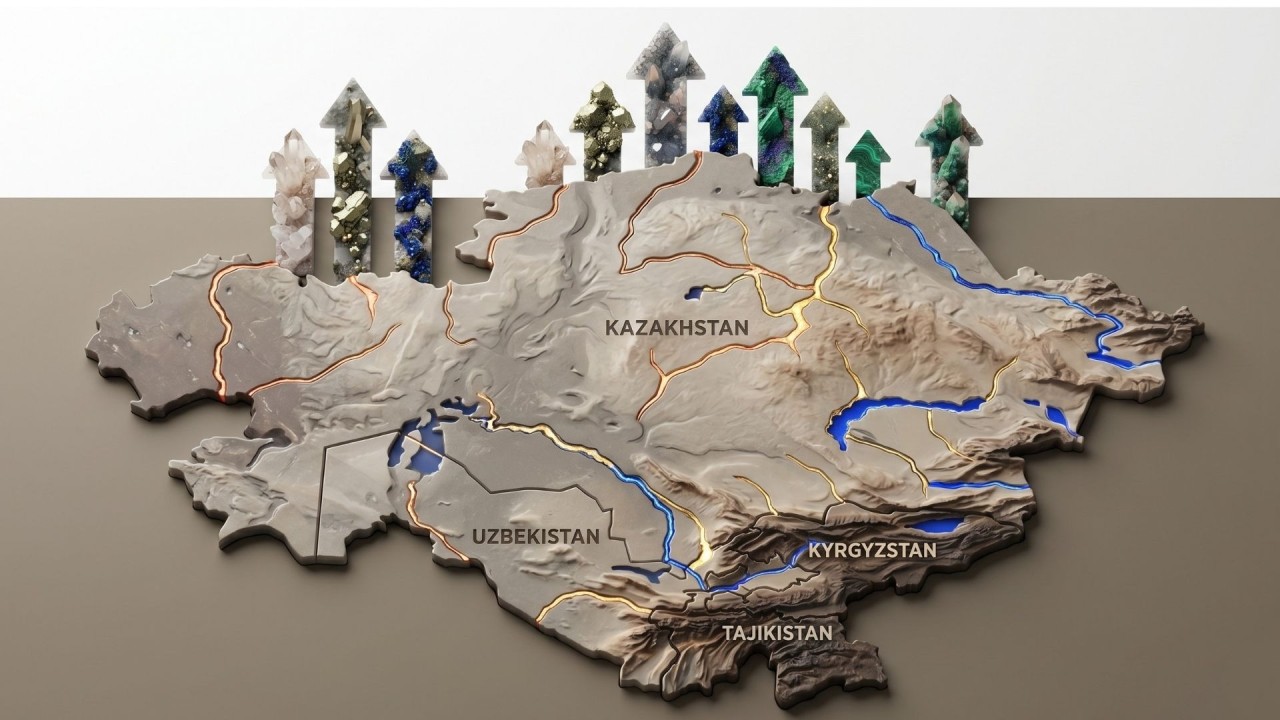
    The OECD note adds a structural dimension that the growth forecasts alone cannot convey. Central Asia’s substantial yet untapped resource base, combined with its location between major markets in Europe and Asia, raises the region’s relevance in CRM geopolitics and efforts to diversify global supply chains. This is a geostrategic statement. The region holds extraordinary assets: Kazakhstan, already the world’s largest producer of uranium, produces and processes around twenty of the 34 CRMs included on the European Union’s official list. The Kyrgyz Republic and Tajikistan both host some of the world’s largest antimony reserves. Uzbekistan possesses some of the largest copper reserves globally and is advancing lithium and molybdenum production.

    Taken together, these endowments amount to a critical minerals portfolio of exceptional strategic depth. Whether the region can translate that portfolio into durable prosperity is the central question of the coming decade.

    Country by Country: Where the Headlines Don’t Tell the Full Story


    Tajikistan: Gold and Strategic Minerals

    Article content


    Tajikistan: Gold and Strategic Minerals

    Tajikistan’s economic performance continues to confound those who underestimate it. In March 2026, Moody’s upgraded Tajikistan’s sovereign credit rating to B2 with a stable outlook, citing the country’s continued economic resilience. The EBRD projects growth easing to 7.9 per cent in 2026 — still remarkable for a landlocked, remittance-dependent economy navigating elevated regional volatility.

    The mining dimension is crucial. Gold remains the cornerstone of export revenue and fiscal stability, and Tajikistan’s antimony sector is poised for a structural step-change. Tajikistan possesses the world’s second largest antimony reserves, and China’s effective ban on antimony exports to the US and EU provides a significant window of opportunity. Together, France and Belgium accounted for 77% of Tajikistan’s antimony exports in 2024. With TALCO nearing completion of a new antimony metallurgical plant, Dushanbe is finally beginning to capture processing value rather than simply shipping raw material.

    Article content


    But what I find most intriguing about Tajikistan’s trajectory is the emerging convergence of green energy and artificial intelligence with its mining ambitions. The Rogun Hydropower Project — set to have an annual capacity of over 3,600 megawatts once fully operational — would cover most of Tajikistan’s domestic consumption and create the conditions for green aluminium production, with approximately 70 per cent of output earmarked for export to Kazakhstan and Uzbekistan. Cheap, clean electricity is not merely an industrial asset — it is the foundation for competitive mining, smelting, and increasingly, data infrastructure.

    Tajikistan has initiated groundbreaking infrastructure projects, including the launch of “Area AI” — the world’s first dedicated AI Zone — a technopark and cluster designed to serve as a hub for research, development, and application of AI technologies. The country has forged partnerships with international tech firms including Perplexity AI, Google DeepMind, Yotta and Presight to accelerate technology transfer and innovation. The government has declared 2025–2030 the “Years of Digital Economy and Innovation Development.” Taken alongside the Rogun-powered industrial ambitions, this is Tajikistan’s bid to become not just a minerals supplier but a genuinely integrated green industrial economy — using AI and clean energy together to escape the extractive trap.

    The key vulnerability remains Tajikistan’s dependence on Russia, where a slowdown would depress the remittance inflows that underpin household incomes. That risk is real and should not be minimised. But the strategic direction of travel is clear — and it is more ambitious than most Western observers appreciate.

    Article content

    Kyrgyzstan: The Kumtor Imperative and Exploration Needs

    Kyrgyzstan remains the region’s most dramatic case study in resource-dependent growth. Kumtor Gold Company — nationalised in 2022 after nearly three decades of Canadian stewardship — generated net profit exceeding USD 706 million in 2025, contributes 10–15 per cent of GDP, and represents nearly two-thirds of the country’s mineral exports. The March 2025 discovery of an additional 147 tonnes of gold reserves extended the mine’s productive life to at least another 17 years.

    Underground mining operations, launched in August 2025, are transformative. At current gold prices hovering above USD 4,500 per ounce, Kumtor’s economics are exceptional — and the government’s plan to process tailings estimated to contain over 100 tonnes of gold adds further upside. Fixed capital investment rose by 25.5 per cent year on year thanks to strong investment in infrastructure, energy and housing.

    Article content

    Yet the near-term outlook has darkened. The European Union’s 20th sanctions package, announced in late April, restricts exports of dual-use goods to Kyrgyzstan and tightens controls on its financial and logistics sectors. The EBRD has revised its 2026 growth forecast down to 8.7 per cent as a result. This is a significant geopolitical constraint on what would otherwise be an exceptionally strong growth story — and it underscores the OECD’s broader finding that regulatory unpredictability and governance gaps impose real costs on the region’s investment attractiveness.

    The OECD note also flags a structural vulnerability that sits beneath the Kumtor euphoria: limited exploration since independence means that the Kumtor mine, accounting for 90% of the Kyrgyz gold exports, is set to close in 2031 due to reserves depletion — and the lack of exploration since independence will make it harder to offset this decline quickly. The reserve discovery of 2025 has bought time but not resolved the underlying fragility.

    Kazakhstan: Scale, Strategy, and Industrial Output

    Kazakhstan’s mining profile is defined by scale and global strategic significance. The country holds the world’s largest chromium reserves, accounts for roughly 40 per cent of global uranium output, and produces massive quantities of refined copper, largely exported to major industrial buyers like China and Türkiye.

    Graphite is a high-potential sector for Kazakhstan. With the exploitation of its Sarytogan deposit — added to the EU’s list of strategic raw material projects and reported to contain 30% of the world’s graphite reserves — Kazakhstan is expecting to become a crucial player on the world graphite market.

    The tungsten story is equally striking. Kazakhstan holds roughly 2 million tonnes of tungsten resources out of approximately 3.6 million tonnes of global reserves. A joint venture between Kazakhstan’s Tau-Ken Samruk and US-based Cove Kaz Capital Group has been formed to develop the Severniy Katpar tungsten project, with the US International Development Finance Corporation issuing Letters of Interest for up to USD 700 million in potential financing — marking Washington’s most significant entry yet into the region’s critical minerals sector.

    Yet the near-term picture carries a real cautionary note. In Kazakhstan, the extractive industry contracted by 11.4 per cent year on year in Q1 2026 following disruptions to the Caspian Pipeline Consortium pipeline and an incident at the Tengiz oil field. The EBRD projects Kazakhstan’s GDP growth moderating to 4.7 per cent in 2026 and 4.5 per cent in 2027 — the lowest in the region, reflecting the inherent vulnerability of commodity-led economies to infrastructure and logistics shocks.

    Article content

    Uzbekistan: The Ambitious Reformer

    Uzbekistan’s ambitions deserve particular attention. The country is the world’s fifth-largest uranium supplier, a top-ten gold producer, and is rapidly positioning itself as a critical minerals investment destination. Uzbekistan has actively signed Memorandums of Understanding with Western partners, including the United States, for securing supply chains in the mining and processing of Critical Minerals and Rare Earths. The government has also launched massive industrial initiatives to bolster its critical minerals sector.

    The Almalyk Mining and Metallurgical Complex (AMMC) and its specialised subsidiaries targeting tungsten, molybdenum, rhenium, lithium, and graphite signal a genuine strategic shift from raw extraction towards value-added processing. Whether governance and transparency standards keep pace with ambition will be the decisive variable.

    Article content

    The Structural Challenge: From Resource Extraction to Value Creation

    Both the EBRD and the OECD converge on a single, uncomfortable truth: Central Asia’s growth is impressive, but its mining sectors remain structurally exposed. The OECD note identifies several systemic vulnerabilities that macro-growth figures obscure.


    • On reserves reporting: Most countries still operate on Soviet-era GKZ classification systems that differ fundamentally from international CRIRSCO standards — creating information asymmetries that deter sophisticated investors and complicate due diligence. Kazakhstan has made progress through its KAZRC system; other regional peers have barely started.
    • On foreign investment dynamics: Foreign actors, predominantly Chinese, actively invest in Central Asia’s mining industry. China has been a primary investor in the mining sectors of the Kyrgyz Republic and Tajikistan, and is increasing its presence in Kazakhstan and Uzbekistan, not only by investing in extraction facilities but also by supporting the development of initial processing capabilities. This creates a strong strategic dependency that the region’s governments are increasingly aware of — and that Western partners, including the EU, UK, and US, are now actively looking to balance through alternative commercial partnerships.
    • On the Trans-Caspian International Transport Route (TITR): Traffic along the corridor (the Middle Corridor) has increased dramatically as exporters seek reliable East–West trade alternatives. Kazakhstan in particular has long relied on the corridor for its mineral, chemical, and agricultural exports, with a substantial portion of its uranium exports to Western markets utilising this bypass route. This corridor is central to the region’s ability to diversify export markets.
    • On ESG and governance: The OECD is frank: mining in the region is still heavily influenced by large state-owned enterprises with overlapping regulatory and commercial roles, needing stronger occupational health and safety oversight and remediation of legacy environmental risks. These are not peripheral concerns — they are the conditions on which Western investment and international supply chain partnerships will ultimately be conditioned.


    Article content

    The Strategic Opportunity

    The OECD projects global demand for many critical raw materials to increase multifold over the coming decades to meet the needs of the green and digital transitions. Central Asia sits atop a significant share of the reserves that will need to come online to meet that demand. The region holds massive global shares of manganese ore, chromium, lead, zinc, titanium, aluminium, copper, cobalt, and molybdenum.

    That is an extraordinary endowment. Translating it into durable prosperity requires three things that remain in genuinely short supply across the region: transparent governance, world-class ESG practice, and the institutional capacity to negotiate from strength with both regional and global partners.

    This is precisely why platforms like the MINEX Forum matter. The conversation between producers, investors, policymakers, and development finance institutions that happens at these gatherings is not peripheral to the critical minerals agenda. It is where the terms of engagement are shaped.


    Conclusion: Cautious Optimism, Clear Conditions

    The EBRD’s projection of robust regional growth is credible. The OECD’s assessment of the region’s critical minerals potential is genuinely exciting. But both institutions are equally clear-eyed about the conditions that must be met for that potential to be realised responsibly.

    Central Asia’s mining sectors are not simply economic contributors. They are strategic assets in the most consequential industrial transformation of our era. Their management — balancing extraction with environmental stewardship, concentrating revenue into productive capital formation, building institutional capacity, and securing diversified partnerships — will determine whether current growth translates into sustainable prosperity or rehearses the resource curse that has constrained other commodity-rich regions.

    The next chapter will be written in mining offices, government ministries, and international forums across Dushanbe, Bishkek, Astana, Tashkent, and Ulaanbaatar. We should be not merely watching — we should be in the room.

    Article content

    References:


    Central Asia and Mongolia to see highest economic growth in the EBRD regions

    https://www.ebrd.com/home/news-and-events/news/2026/central-asia-and-mongolia-to-see-highest-economic-growth-in-the-ebrd-regions.html

    The OECD report “Advancing Security and Transparency for the Governance of Critical Raw Materials in Central Asia”

    https://www.oecd.org/en/publications/2026/03/advancing-security-and-transparency-for-the-governance-of-critical-raw-materials-in-central-asia_09ced3e9.html

    Big dams, big dreams: Rogun and Central Asia’s geo-economics of green energy

    https://lossi36.com/2025/02/20/big-dams-big-dreams-central-asias-geo-economics-of-green-energy/

    Tajikistan’s: Pioneering AI Leadership in Central Asia and Beyond

    https://www.newscentralasia.net/2025/10/28/tajikistans-pioneering-ai-leadership-in-central-asia-and-beyond/

    EBRD Forecasts 6.5% GDP Growth for Uzbekistan in 2026

    https://www.uzdaily.uz/en/ebrd-forecasts-65-gdp-growth-for-uzbekistan-in-2026/

    About the Author:


    Arthur Poliakov is the Managing Director of the United Kingdom-based company Advantix Ltd and the Executive Chairman and founder of the MINEX Forum. He has over 30 years of experience in international business communications, event management, and natural resource markets.

    He is currently organising the upcoming 12th MINEX Asia Forum (24–25 June 2026, Ankara, Turkey), the 10th MINEX Europe Forum (28–30 October 2026, Trim, Ireland), and the 14th MINEX Eurasia Conference (30 November 2026, London, United Kingdom).

  • IMC Montan at Minex Kazakhstan 2026: An Expert Perspective on Industry Challenges

    IMC Montan at Minex Kazakhstan 2026: An Expert Perspective on Industry Challenges

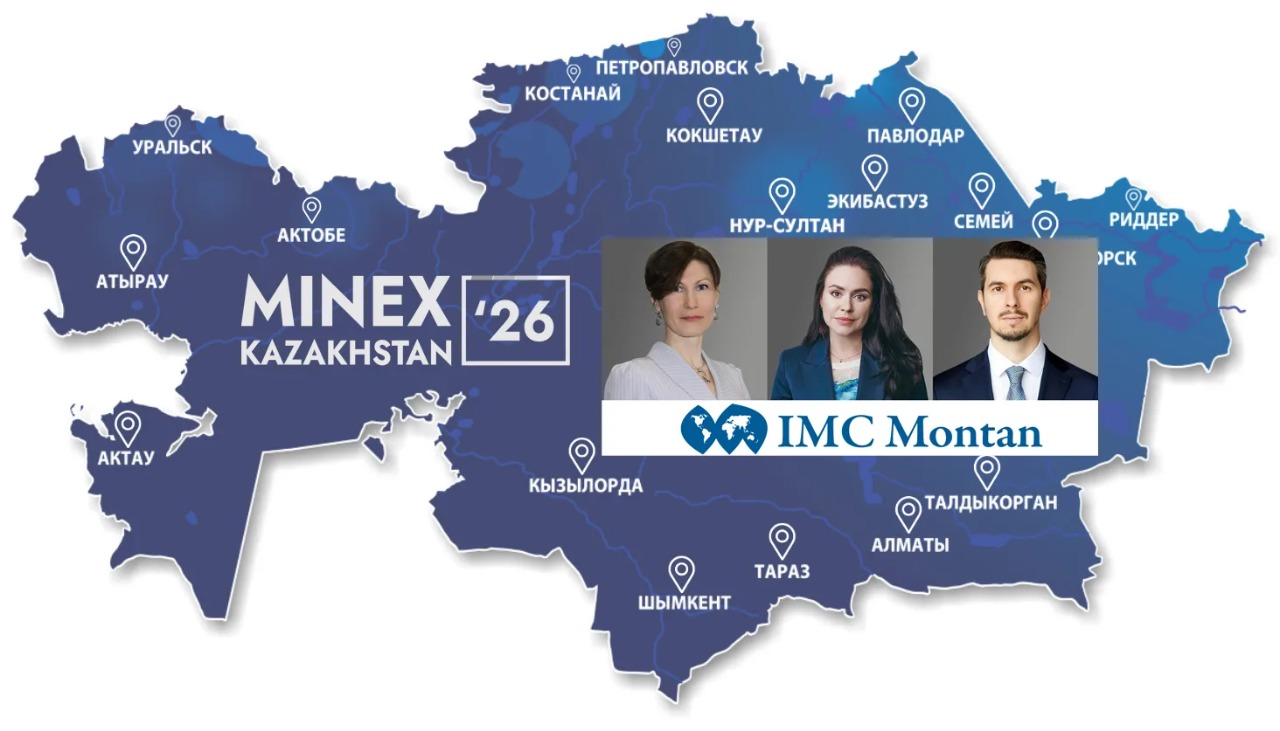
    This year, IMC Montan is co-organizing the session “ESG Transformation and the ‘Social License’ in Kazakhstan’s Mining Sector” at the Minex Kazakhstan forum. The company’s experts explain why the ESG agenda is becoming not just a trend, but an economic necessity.

    IMC Montan’s decision to co-organize a session dedicated to sustainable development is driven by the times. Kazakhstan has reached the point of regulatory implementation of ESG principles for business. Previously, this agenda was the prerogative of companies traditionally following international trends and seeking to meet investor or partner requirements. Now, ESG in Kazakhstan is actively developing not only due to external conditions. The mining sector is one of the most sensitive to ESG factors, so sharing experience on this topic will be valuable for all forum participants.

    What issues in this area do you consider most relevant for subsoil users today?

    When it comes to broad issues that go beyond national legislation and form part of sustainable development principles and the application of best available technologies, key topics include mining waste management, energy efficiency, rational water use, and biodiversity conservation. Closure and reclamation aspects deserve special mention. We are confident that forum participants will be interested in unconventional case studies addressing these issues. For example, relatively few experts have real hands-on experience with closure and reclamation works — yet these activities have a significant impact on the overall project economics, and underestimating these costs can become a critical factor. Environmental responsibility is playing an increasingly important role for business, and companies want to see financial benefits or preferences from implementing their environmental policies. The current agenda for subsoil users is therefore focused on asset lifecycle management: from waste handling during operations to post-investment assessment of closure and reclamation obligations.

    You mentioned the topic of mining and processing waste management. Could you share some interesting case studies?

    Mining companies must think carefully about where and how their large-tonnage mineral waste (overburden, processing tailings) will be handled. The main challenge is the sheer volume generated — conventional surface disposal requires significant land areas. The situation is further complicated by the conditions at mine sites: difficult terrain, proximity to populated areas, or the presence of environmentally or socially significant features. Naturally, subsoil users are interested in finding alternative approaches. There is also growing interest in recovering valuable components from mining waste and using waste as construction material or as a component thereof.

    However, waste disposal remains one of the most painful issues, as it is not only an environmental concern but equally an economic and land-property one. The most interesting case studies sit at the intersection of technological and legal solutions. Successful examples show that waste can be not just a financial burden, but a resource — if the rationale and documentation can be structured in line with circular economy principles.

    In our practice, we have encountered a number of innovative solutions. For example, placing tailings in exhausted open-pit voids (with or without prior waterproofing), or producing a specialized material from tailings (a recultivant) for backfilling mined-out areas — treating it not as waste disposal but as product manufacturing. Such unconventional approaches naturally require robust environmental safety justifications, but they open new opportunities. Both tailings management approaches yielded a tangible economic effect (in the range of $27–50 million USD), while requiring careful review of the legal framework and regulatory outlook to eliminate critical administrative risks — not just fines, but potential production shutdowns.

    An important regulatory stimulus emerged in Kazakhstan at the beginning of 2026 with the adoption of the “Concept for Managing All Types of Waste in the Republic of Kazakhstan for 2026–2030.” Waste management in the mining and metallurgical industries is identified as one of its strategic priorities. The planned development of the country’s regulatory framework regarding the utilization of mining waste (including as technogenic mineral formations) provides an additional incentive for subsoil users to seek optimal solutions.

    You separately mentioned closure and reclamation. In your view, what practical challenges do subsoil users face when fulfilling their closure and reclamation obligations?

    In our view, the main problem is a lack of understanding of the goals and principles of successful reclamation, which ultimately leads to ineffective solutions. In our practice, we frequently encounter “template” approaches to reclamation planning, and consequently, an underestimation of the associated costs. International practice has long established the core criteria for successful reclamation — environmental (such as site safety in terms of physical, geochemical and ecological parameters, protection of public health and safety, absence of water pollution post-closure, and ecological system integrity) and social (minimizing socioeconomic impacts of closure and generating socioeconomic benefits). Closure and reclamation plans should be developed as early as possible in the project design phase. Each of the mentioned criteria requires consideration during planning. Issues such as the adequacy of mine water management measures, forecasting the geochemical stability of waste dumps post-closure, and stakeholder engagement must be studied and solutions justified.

    In Kazakhstan, subsoil users are required to prepare reclamation plans at the design stage — however, in our observation, such plans tend to be formal documents rather than strategic ones. This can ultimately lead to insufficient financial provision for the required scope of reclamation and closure works when the time comes. That said, effective measures do not always mean costly ones. Some decisions made during overall production planning can reduce closure costs — such as the previously mentioned option of placing tailings in open pits, or accounting for the potential formation of acid drainage and managing it during waste rock stockpiling.

    Turning to the topic of international standards — in your personal view, can their implementation bring real benefits to business?

    Absolutely. Drawing on our practical experience working with industry enterprises across the CIS, we can confidently speak not just of benefits, but of the strategic necessity of implementing international standards. Integrating ESG principles enables a meaningful restructuring of risk management systems. We observe how chaotic responses to environmental and social incidents at many enterprises are being replaced by a systematic approach to predictive analysis and prevention. Standards also act as a catalyst for corporate culture: there is a marked increase in business accountability at all levels, which directly affects companies’ reputational assets.

    It is telling that the initiative most often comes from environmental protection departments — as those most attuned to regulatory changes. However, we have recently noted growing engagement from senior management as well. It is no secret that the cost of using natural resources is steadily rising — and the cost of environmental mistakes is rising even faster.

    Kazakhstan is now at a unique juncture: accumulated experience and current demand from both the state and the market are creating the conditions for a qualitative leap in eco-social responsibility.

    We have discussed challenges, unconventional solutions, economic effects and regulatory changes in the ESG space. What other areas of work — in this or other fields important to subsoil users — can IMC Montan’s experts shed light on?

    IMC Montan has been supporting mining projects for many years, including in the areas of environmental management, sustainable development and risk management. Our accumulated experience — spanning more than 1,000 completed projects worldwide — has allowed us to develop a comprehensive understanding of existing challenges and an expert approach to risk mitigation and overall project management. At the session, we will share illustrative case studies, present quantitative and qualitative characteristics of the approaches being implemented in natural resource management, and do our best to make the meeting both engaging and useful. Information about session participants and discussion topics is available at: https://2026.minexkazakhstan.com/ru/forum-agenda/tehnicheskaya-sessiya-2/

  • Vatican Launches Global Initiative Urging Disinvestment from Mining Sector

    Vatican Launches Global Initiative Urging Disinvestment from Mining Sector

    The Vatican has launched a new international initiative encouraging investors to withdraw funding from the mining sector, marking an unprecedented move by the Catholic Church to target a specific industry on ethical grounds.

    Announced on Friday and supported by senior Church officials and around 40 faith-based organisations, the initiative aims to promote stronger environmental protection and fair labour practices within mining operations. Companies that fail to meet these expectations could face pressure through divestment.

    Cardinal Fabio Baggio said the expansion of mining activities in many parts of the world has led to significant social tensions and environmental damage. He described the initiative as a reflection of the Church’s commitment to human dignity and ethical responsibility.

    The move builds on previous Vatican guidance urging Catholics to divest from sectors such as fossil fuels and armaments, but represents the first time the Church has directly called for disinvestment from mining.

    Rev. Dario Bossi, one of the project’s coordinators, said the initiative invites Catholic institutions and broader faith communities to reconsider their investment strategies in response to the social and environmental impacts of mining. The Vatican has not disclosed which organisations are participating or identified specific companies that could be affected.

    The announcement comes at a time of rapidly increasing global demand for critical minerals such as lithium, cobalt and copper, driven by the transition to clean energy and digital technologies. According to the International Energy Agency, demand for these materials could triple by 2030 and quadruple by 2040.

    While parts of the mining industry have acknowledged the need for improved sustainability practices—through initiatives such as the International Council on Mining and Metals—the Vatican’s intervention highlights growing scrutiny from non-governmental actors.

    Cardinal Alvaro Ramazzini of Guatemala, who participated in the launch, emphasised that legal compliance alone is not sufficient, calling on governments and corporations to align their actions with broader principles of justice.

    The initiative adds a new ethical dimension to the global debate over responsible sourcing of minerals at a time when demand for these resources is accelerating.

  • Kazakhstan’s mining majors step up decarbonization with renewables and waste recycling projects

    Kazakhstan’s mining majors step up decarbonization with renewables and waste recycling projects

    In 2025, Kazakhstan’s leading mining and metals companies continued to expand environmental programmes focused on emissions reduction, waste processing and biodiversity protection, while also completing several major renewable energy projects.

    In December, Solidcore Resources announced the completion of a solar power plant at its Varvarinskoye gold mine. The facility has an installed capacity of 22.6 MW and is expected to generate around 28.5 million kWh of electricity annually. The project, which includes more than 36,000 solar panels and a supplementary gas piston power plant to cover periods of low solar output, required investments of about 29 billion tenge. Solidcore estimates that switching Varvarinskoye to renewable energy will cut indirect greenhouse gas emissions by approximately 50%.

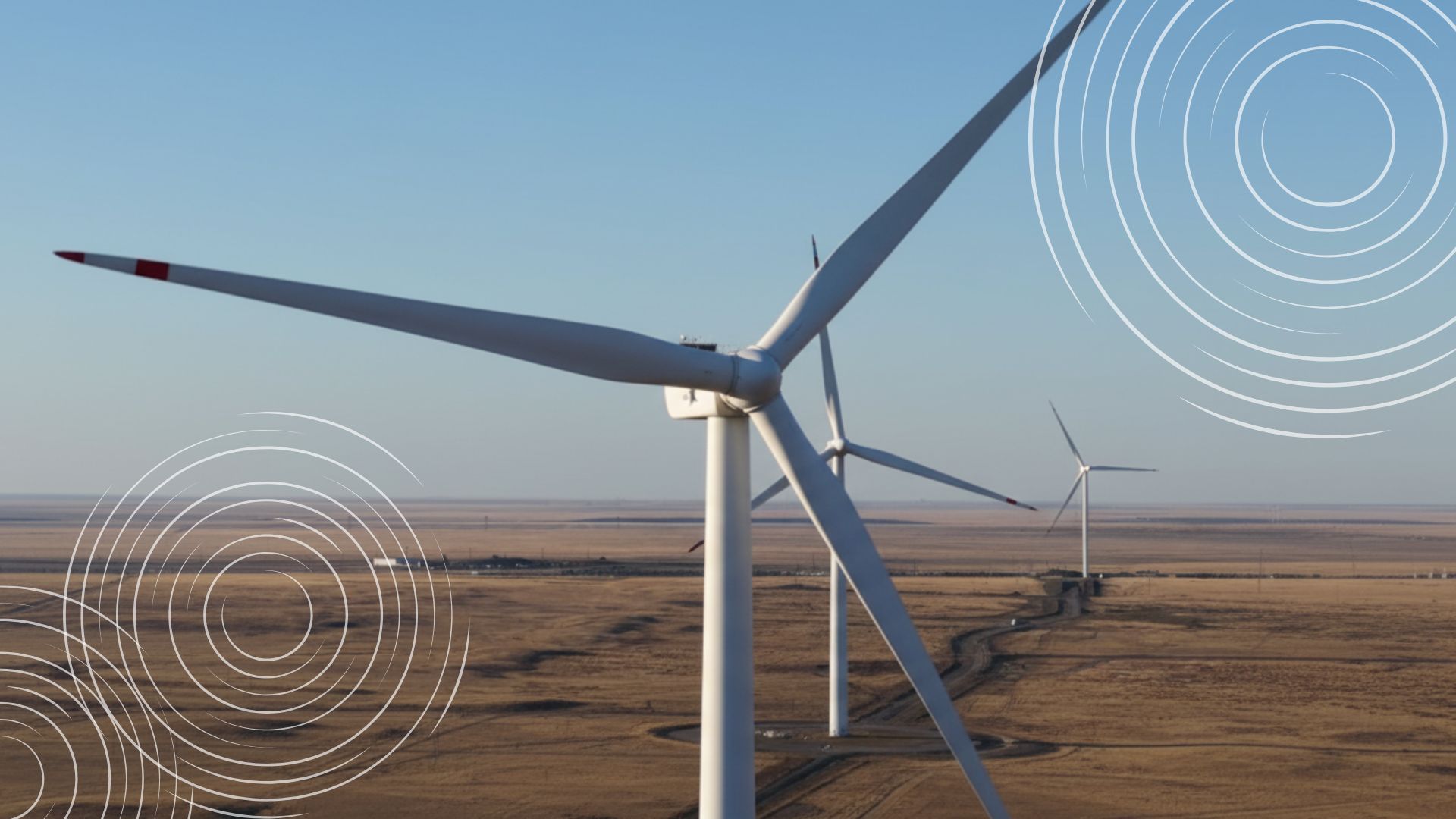
    Another major producer, Eurasian Resources Group (ERG), reported in September that all 24 wind turbines had been installed near its Donskoy Mining and Processing Plant. Once operating at full capacity, the wind farm is expected to generate more than 500 million kWh of electricity per year. The project will allow ERG to save over 300,000 tonnes of coal annually and reduce emissions by up to 440,000 tonnes.

    Alongside renewable energy investments, ERG also launched processing of accumulated tailings at the Donskoy plant. Chromium is now being recovered from technogenic mineral raw materials using flotation technology, supporting both waste reduction and resource efficiency.

    Another notable initiative is the gasification of the Qarmet metallurgical plant. In July, the company began pressure testing and commissioning a new gas pipeline. Partial replacement of fuel oil and coke with natural gas is expected to significantly reduce atmospheric emissions from steel production.

    Together, these projects highlight a broader shift by Kazakhstan’s mining and metals sector toward cleaner energy, circular resource use and lower environmental impact.

  • Kazakhstan’s Critical Minerals in Focus at the BKS webinar

    Kazakhstan’s Critical Minerals in Focus at the BKS webinar

    Kazakhstan’s ambition to transform itself into a linchpin of the global critical minerals supply was in sharp focus at the British-Kazakh Society’s (BKS) latest webinar, “Critical Minerals – A Closer Look at Kazakhstan and the Resource Base.”

    Hosted online on 16 September, the event brought together government representatives, leading analysts, and industry insiders to scrutinise the nation’s mineral endowment, discuss its strategy for long-term sustainability, and evaluate opportunities for international partnership and investment.

    Geological Promise and Policy Drive
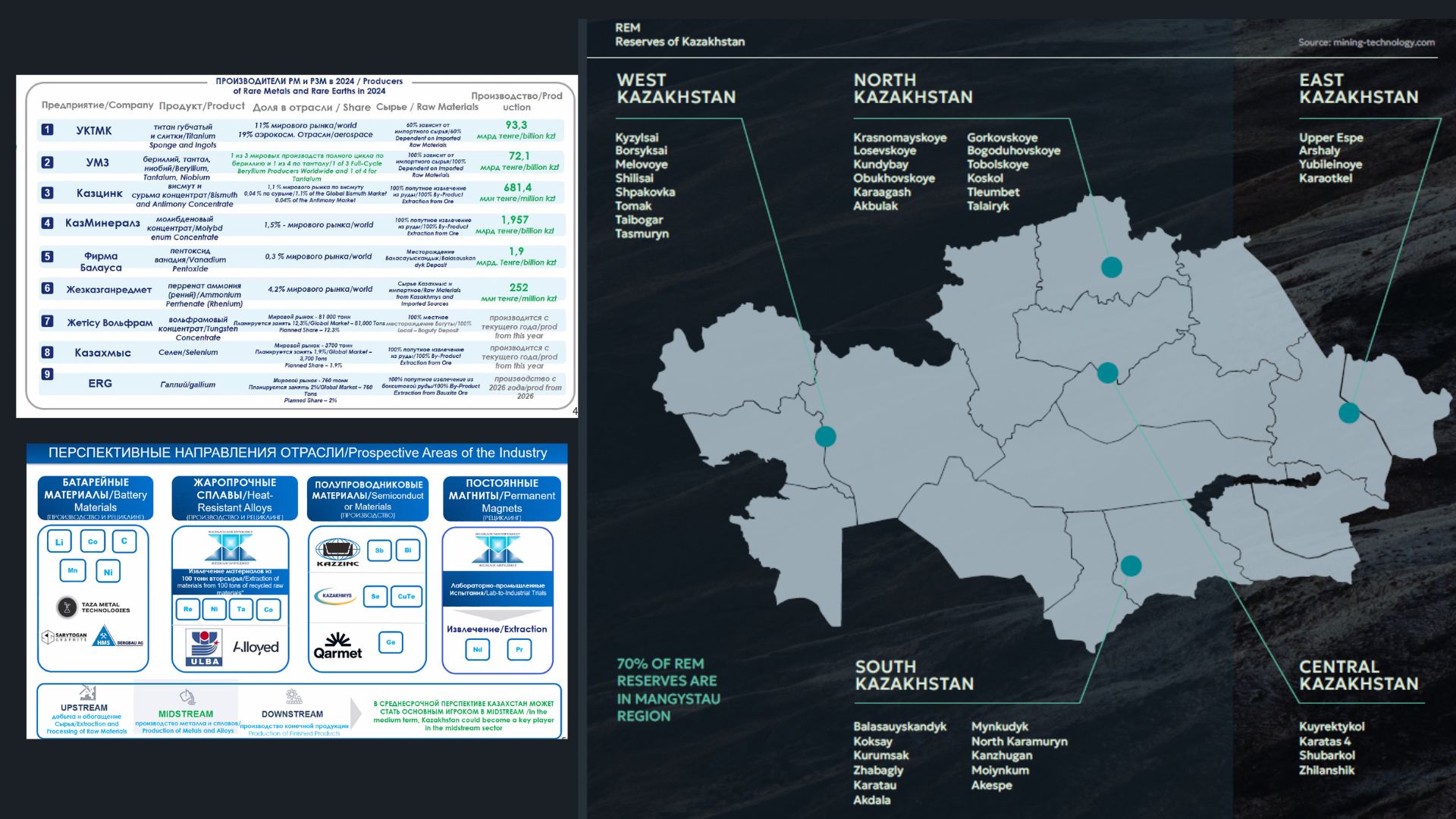
    In his welcome address, Yerlan Zeineshev, Economic Counsellor at the Kazakhstan Embassy in the UK, underscored the nation’s geological riches—including rare earths, lithium, copper, uranium, titanium, and vanadium—and signalled Kazakhstan’s determination to become “a key supplier for global critical mineral needs.” The country already produces 17 of the 34 critical minerals on the UK’s essential list, with potential to expand further given the right investment and technology.

    Mr Zeineshev highlighted March 2024’s UK-Kazakhstan critical minerals roadmap, emphasising mutual aims for research, private investment, and technology transfer. He pledged continued reform to ensure an open, investor-friendly environment—citing adoption of international best practice in mining codes, long-term investment agreements, and digitalisation of geological data.

    Supply Chain Resilience and Global Partnerships
    Speakers and panellists closely examined how Kazakhstan’s neutral geopolitical stance and its position on the Trans-Caspian International Transport Route position the country as a reliable partner for nations seeking to diversify supply chains. As Enzo Grazella, Senior Analyst at the Critical Minerals Association, noted, this offers both Europe and the UK an alternative source to mitigate risk and reduce overreliance on a handful of global producers.

    The UK government’s updated critical minerals strategy and increased focus on supply chain security were cited as drivers for stepped-up bilateral engagement, particularly in mining, refining, recycling, and advanced manufacturing. Initiatives backed by UK export finance, the European Bank for Reconstruction and Development (EBRD), and local reforms are fostering a more attractive investment climate.

    Resource Development and Value Addition
    Arkhat Kurmanbekov, Deputy Director General of Kazakhstan’s National Center for Technology Foresight, outlined the scale of Kazakhstan’s geological survey initiatives, with record levels of exploration funding and ambitious targets to increase the area surveyed to over 2.2 million km² by 2026. The nation aims not only to expand extraction but also to move up the value chain through domestic processing, production of battery materials, heat-resistant alloys, semiconductor materials, and recycling technologies. Industry success stories—such as providing titanium to Boeing and Airbus, or pioneering full-cycle beryllium plants—underline local expertise.

    Market Dynamics, Price Volatility, and Sustainability Challenges
    Caroline Messecar, Strategic Markets Editor at Fastmarkets Metals and Mining, discussed acute market vulnerability arising from concentrated global production—particularly for rare earth magnets vital to electric vehicles and wind turbines. China commands up to 89% of global magnet supply, and recent export controls have forced international markets to scramble for alternative sources, underscoring the strategic importance of new suppliers like Kazakhstan.

    The panel noted that establishing downstream industries (such as magnet manufacturing) requires more than raw materials: it needs multidisciplinary technical skills, transparent and sustainable production, and robust ESG standards. Both Kazakh and UK speakers reaffirmed their commitments to high environmental and social standards, clarifying that responsible development can coexist with commercial viability.

    Whatch the webinar recoding
    Video provided for the MINEX Forum readers by the British-Kazakh Society

  • Eurasian Resources Group Launches Major Wind Farm in Kazakhstan

    Eurasian Resources Group Launches Major Wind Farm in Kazakhstan

    Eurasian Resources Group (ERG), a global metals and mining company headquartered in Luxembourg, has opened the Khromtau wind farm in Kazakhstan with a capacity of 150 megawatts of green energy. The project is one of the largest renewable energy facilities in Kazakhstan and Central Asia and required an investment of more than US$142 million. The wind farm is located in the Aktobe Region and includes 24 turbines. The facility will generate more than 500 million kilowatt hours of green energy annually. All in all, the facility will help reduce up to 440,000 tonnes of carbon dioxide emissions and save more than 300,000 tonnes of coal each year. The project has been implemented by ERG Capital Projects, a Group subsidiary, with financial support from the Development Bank of Kazakhstan.

    During the opening ceremony of this critical green energy project, Shukhrat Ibragimov, CEO and Chairman of the Board of Directors of ERG, said: “With its Khromtau wind power project, the Group makes a major contribution towards achieving Kazakhstan’s national goal of increasing the share of renewable energy sources. ERG is committed to ESG principles, and the new Khromtau wind power farm is a logical and very ambitious next step while implementing this. ERG’s first wind power project has already become a symbol of our transition to green energy.”

    The ESG Agenda is part of the company’s Strategy. The Group’s medium-term goal is to reduce the carbon footprint of its core products (aluminium, ferroalloys and iron ore pellets) by 30%. To achieve this, ERG is implementing projects with cumulative investments totalling US$300 million. In addition to wind power, these projects include switching the Kacharsky heating centre to gas in the Iron Ore Division, reducing steam consumption and improving the alumina production process in the Aluminium Division, and building a ferroalloy gas recycling power facility at the Aktobe Ferroalloys Plant to convert secondary energy resources into electricity.

  • EU Urged to Prioritise ESG in Central Asia’s Raw Materials Push

    EU Urged to Prioritise ESG in Central Asia’s Raw Materials Push

    The EU must prioritize Environmental, Social, and Governance (ESG) principles in its dealings with Central Asia to secure its access to crucial raw materials, commentators warn.

    The bloc arrived in Samarkand this April with a hefty €13.2 billion Global Gateway package, signaling a desire to move beyond merely buying raw materials from the region. A significant portion, €2.5 billion, is earmarked for new mining and processing projects in Kazakhstan, Uzbekistan, and beyond. This drive is born out of necessity: the EU still relies entirely on China for its heavy rare-earth imports and faces the growing risk of vulnerability.

    While geographically late to the game, Europe has a unique advantage: a reputation for robust ESG practices. Local executives cite European partners as “a sign of quality” due to their unwavering adherence to these standards, something often lacking in Chinese or Russian counterparts. However, this edge relies on Brussels consistently embedding ESG into every euro invested. This means robust monitoring and auditing of remediation plans, transparent royalty structures, and genuine upfront consultation with local communities.

    The EU’s Critical Raw Materials Act (CRMA) sets ambitious goals: attaining 10 percent mining, 40 percent processing, and 25 percent recycling of Europe’s annual CRM demand domestically or in trusted partner states by 2030.

    Realising these goals in Central Asia necessitates investment in sustainable technologies. This includes financing water-efficient processing plants, closed-loop waste systems, and solar-powered smelters, rather than simply opening more exploitative mines.

    The EU’s efforts are beginning to take shape, with the spotlight falling on graphite. Kazakhstan’s Sarytogan deposit has been placed on the EU Commission’s list of “strategic projects” eligible for expedited permits and loan guarantees under the CRMA. Meanwhile, the European Bank for Reconstruction and Development has taken a significant stake in the mine operator, marking a direct investment in the region’s CRM sector. The EU is now actively seeking downstream investors to refine indigenous graphite into anode-grade product, capturing added value that historically flowed to Chinese refiners.

    Lithium development is following a similar trajectory. A partnership between HMS Bergbau and Kazakhstan’s Creada Corporation aims to unlock the potential of Kazakh spodumene through extraction, processing, and refining into battery-ready lithium hydroxide. This would be a direct response to the EU’s new battery-passport regulations, which require materials of a certain purity.

    However, Europe faces a formidable competitor: China. The PRC Mineral Resources Law mandates environmental remediation planning before mining commences, setting a new baseline for responsible resource extraction. While welcomed, the application details remain vague, lacking guarantees on local community engagement and enforcement mechanisms, potentially creating loopholes for exploitation.

    Adding to the pressure, Chinese capital is expanding downstream. East Hope Group’s landmark $12 billion investment in Kazakh non-ferrous metals signifies a vertical integration approach—from mining and smelting to fabrication and renewable power generation. This $12 billion vertical integration project in Kazakhstan showcases China’s willingness to build a fully controllable supply chain.

    Europe must act strategically to counter these challenges.

    Firstly, financial aid should be contingent on stringent ESG benchmarks. EU financing must go hand-in-hand with clear, enforceable standards – ISO-compliant tailings dams, methane monitoring, gender-balanced workforce plans, and robust penalties for non-compliance.

    Secondly, the EU should focus on fostering value-adding industries beyond mining. This means investing in processing plants and recycling facilities, not just mines. By creating domestic processing hubs for cathode powders or rare-earth magnets, the CRMA’s 40 percent processing target can be achieved, generating jobs, technology transfer, and increased tax revenue for beneficiary countries.

    Finally, the EU must simplify visa requirements for Central Asian technical personnel. A targeted visa-facilitation agreement could allow them to train in Europe and return, strengthening the region’s skilled workforce.

    Securing a stable and sustainable supply of raw materials is a critical challenge for the EU. While China’s economic clout is undeniable, Europe has the opportunity to win this race by leveraging its commitment to ESG principles and building a truly sustainable, transparent, and trust-based partnership with Central Asia.

    Time is of the essence. The next 18 months, before China’s revised mining law takes full effect and East Hope’s megaproject begins construction, provide a crucial window for the EU to demonstrate its commitment to ESG beyond rhetoric. The stakes are high, as the fate of Europe’s essential raw materials supply hangs in the balance.

  • Minespider and TETHYS Unite to Digitalize Mining Supply Chains in Türkiye and Central Asia

    Minespider and TETHYS Unite to Digitalize Mining Supply Chains in Türkiye and Central Asia

    Berlin/Istanbul, May 12, 2025 – Minespider, a leading traceability and Digital Product Passport (DPP) platform, has signed a Memorandum of Understanding (MoU) with TETHYS Teknoloji, İnovasyon, Danışmanlık ve Ticaret A.Ş., a subsidiary of Luxembourg-based TETHYS Gateway Investment GP specializing in critical raw materials. The collaboration will develop next-generation digital traceability solutions—focusing on Battery Passports, Digital Product Passports, critical raw materials traceability, and comprehensive ESG data systems—across mining operations in Türkiye and Central Asia.

    This partnership combines TETHYS’s extensive engagement in over a dozen mining projects throughout Türkiye, Central Asia, and the Caucasus region with Minespider’s proven expertise in supply chain digitalization. Together, they will pilot end-to-end systems that embed transparent, verifiable data directly into the mineral supply chain, aiming to:

    • Prevent artisanal mining abuses and curb illicit mining activities

    • Reduce the risk of child labour and human rights violations

    • Ensure compliance with evolving European and global regulations

    • Facilitate market access, particularly into the EU’s regulated markets

    Under the MoU, both partners will jointly pursue technology integration, proof-of-concept developments, and coordinated customer outreach. Their deliverables will include web, mobile, and backend applications that enable traceability, automated regulatory reporting, and real-time ESG data collection throughout exploration, extraction, and production phases.

    “We’re thrilled to partner with TETHYS to bring greater transparency and traceability to mineral supply chains in Türkiye and the Central Asian region,” said Nathan Williams, Founder & CEO of Minespider. “As global demand for responsibly sourced minerals continues to grow, ensuring digital proof of origin and ethical practices is no longer optional—it’s a must. Together with TETHYS, we’re building the digital infrastructure that empowers stakeholders with the data they need to make informed, sustainable decisions.”

    “Our partnership with Minespider is focused on a clear objective: ensuring digital product compatibility for the entire mining lifecycle in Türkiye and Central Asia,” added Leyla Keser Berber, Chairperson of TETHYS. “Through advanced traceability and data systems, we aim to eliminate risks such as illegal mining, artisanal mining abuses, and human rights violations—while supporting industrial players in meeting global regulatory standards.”

    Pilot projects and client engagements are slated to begin shortly, positioning the Minespider–TETHYS alliance as a pioneer in the digital transformation of mining ecosystems across the region.


    Key Facts

    • Türkiye’s mineral diversity: Home to 70 types of natural resources, 60 of which are actively traded internationally.

    • Central Asia’s critical minerals:

      • 38.6 % of global manganese ore

      • 30.07 % of chromium

      • 20 % of lead

      • 12.6 % of zinc

      • 8.7 % of titanium

    • EU regulatory framework: Minerals exported to Europe must comply with the Critical Raw Materials Act (CRMA), Corporate Sustainability Due Diligence Directive (CSDDD), Conflict Minerals Regulation, Battery Regulation, and more.


    About the Companies

    Minespider
    A global traceability platform, Minespider offers Digital Product Passports—digital IDs that carry key data across supply chains. Its clients include Tata Elxsi, Ford Otosan, Renault, Minsur, Luna Smelter, and TEMSA.

    TETHYS Teknoloji, İnovasyon, Danışmanlık ve Ticaret A.Ş.
    Headquartered in Istanbul, TETHYS specializes in critical raw materials, mining innovation, and supply chain digitalization. Its portfolio spans exploration to investment structuring for clients like CVK Mining, Tamer Mining, and Marmotek. TETHYS also facilitates European funding partnerships in sustainability and responsible sourcing.

  • UK Launches New ESG Paper to Drive Responsible Lithium Supply Chain Development

    UK Launches New ESG Paper to Drive Responsible Lithium Supply Chain Development

    The UK’s ESG Working Group, under the Competition and Markets Authority (CMA), has launched a comprehensive new paper focused on advancing a responsible and sustainable lithium supply chain within the country. This initiative comes as lithium, a mineral deemed “critical” by the UK and many international partners, becomes increasingly vital for clean energy generation and storage technologies.

    The paper, developed in collaboration with Minviro and other prominent ESG experts, academics, and industry representatives, outlines a strategic roadmap for the UK to lead by example in responsible lithium sourcing and lithium-ion battery manufacturing.

    The report features a foreword from Noah Law MP, Chair of the UK All-Party Parliamentary Group (APPG) for Critical Minerals, highlighting governmental support for sustainable mineral sourcing. It also examines recent policy developments, such as the UK Critical Minerals Strategy, Invest 2035, the EU Battery Regulation, and the Critical Raw Materials Act, emphasizing the UK’s commitment to sustainable growth in critical mineral supply.

    A core focus of the report is on life cycle assessments (LCAs) and other validation tools designed to mitigate environmental and social risks throughout the lithium supply chain. From extraction and processing to cathode material production and battery recycling, the report provides a detailed examination of ESG risks and opportunities at every stage.

    The paper concludes with multi-stakeholder recommendations aimed at bolstering the UK’s capacity to secure a sustainable and responsible domestic lithium supply, ensuring alignment with international ESG standards and long-term environmental goals.

  • 15th MINEX Kazakhstan Forum Highlights Second Phase of Mining Law Reform

    15th MINEX Kazakhstan Forum Highlights Second Phase of Mining Law Reform

    The 15th anniversary MINEX Kazakhstan Forum has officially opened in Astana, bringing together over 450 delegates and more than 100 speakers from 30 countries, including Central Asia, Europe, the Americas, the Middle East, Southeast Asia, Africa, and Australia. The forum emphasizes Kazakhstan’s growing importance in the global mineral resource market.

    The central theme of the event is “A New Era in Kazakhstan’s Mineral Development: From Exploration to Processing.” Key discussions focused on sustainable development, ESG principles, technological innovation, digitization, investment, exploration, and cross-border cooperation.

    During the plenary session, Nikolai Radostovets, Executive Director of the Republican Association of Mining and Metallurgical Enterprises (AGMP), highlighted the need to continue reforms in subsoil use and taxation.

    He praised the government’s proactive efforts in attracting both domestic and foreign investment in geological exploration. Over 3,000 licenses have been issued, demonstrating momentum in the sector. However, Radostovets emphasized that a second phase of subsoil use reform is necessary to address remaining legislative gaps.

    Notably, he proposed splitting the current Subsoil Code into two separate laws — one for hydrocarbons and another for solid minerals — to better address the specific needs of each sector.

    Radostovets also outlined key priorities for transforming the sector:

    • Classifying exploration expenses as tax-deductible,

    • Introducing agreements for processing low-grade deposits,

    • Stimulating the processing of technogenic mineral formations,

    • Developing a new Tax Code with provisions tailored to the mining sector.

    One of the central issues is the introduction of royalties for new and existing deposits. While initial industry reactions were hesitant, similar to past transitions from contracts to licensing, Radostovets expressed optimism that fair and competitive royalty rates will encourage investment and higher value-added processing.

    The executive also called for greater alignment between the Subsoil Code and other legislation, such as the Water and Land Codes, to address legal inconsistencies.

    Legislative amendments — more than 60 proposals — are currently under review by the Ministry of Industry and Construction. A working group will begin public discussions in the coming weeks, and the finalized amendments are expected to be submitted to Parliament in September 2025.

    Radostovets stressed the importance of coal as a strategic resource, advocating for investment in coal chemistry despite global calls to move away from coal combustion. He also promoted the development of industrial clusters, including copper and aluminum clusters, to support local value-added production.

    “We are optimistic. The MINEX Kazakhstan Forum not only facilitates dialogue and debate but helps us move forward with meaningful reforms in Kazakhstan’s mining sector,” Radostovets concluded.