Türkiye is navigating successive global energy crises through a coordinated mix of policy planning, infrastructure investment, and strategic resource development, according to Energy and Natural Resources Minister Alparslan Bayraktar.
In an article published in Turkish daily Sabah ahead of the second Istanbul Natural Resources Summit (INRES 2026), Bayraktar said the country has managed to transform recent geopolitical and market disruptions into opportunities under what he described as a long-term “new energy architecture.”
He pointed to the last six years as a period defined by overlapping global energy shocks, including conflict-driven disruptions in key regions, arguing that Türkiye has been able to maintain stability through strong leadership, established infrastructure, and coordinated policy execution.
Bayraktar highlighted milestones in Türkiye’s National Energy and Mining Policy, including the major 2020 natural gas discovery in the Black Sea region and subsequent development efforts that now supply domestic gas to millions of households. He also referenced oil production expansion in Şırnak’s Gabar region, where output has reached tens of thousands of barrels per day.
The minister said Türkiye’s broader strategy is built on a “crisis-opportunity” framework, combining domestic resource development with international exploration efforts. These include ongoing drilling activities in Somalia and planned operations in Pakistan and Libya, alongside unconventional oil exploration projects within Türkiye.
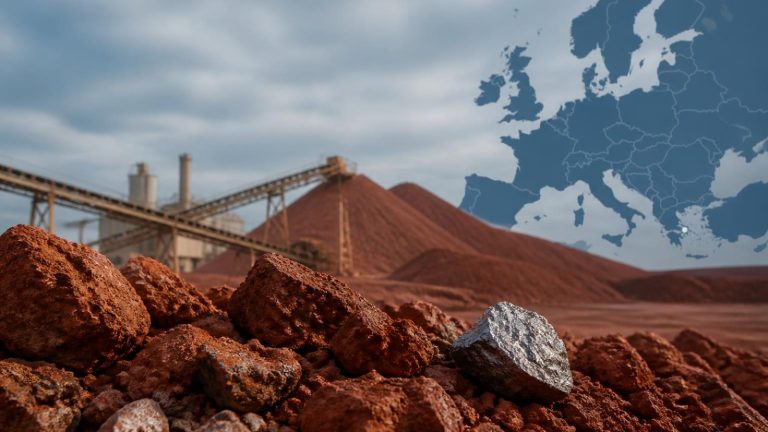
A key pillar of the strategy is the expansion of critical mineral production, particularly boron and rare earth elements. Bayraktar said Türkiye aims to strengthen its position as a global leader in boron exports while advancing refining capabilities in rare earths, with the goal of increasing value-added production and reducing reliance on raw material exports.
He also outlined plans to diversify energy supply routes, strengthen infrastructure resilience, and expand international partnerships across natural gas, oil, and mining sectors. Electrification was described as a central element of Türkiye’s evolving energy system, intended to create a more flexible and integrated market structure.
Bayraktar emphasized that the INRES 2026 summit will serve as a platform for international cooperation in energy diplomacy, bringing together officials and stakeholders from Europe, Asia, and Africa. The event is expected to focus on energy security, investment, and financing strategies amid ongoing geopolitical tensions.
Türkiye continues to position itself as a regional energy hub through expanded infrastructure, cross-border cooperation, and increased domestic production across hydrocarbons and strategic minerals.