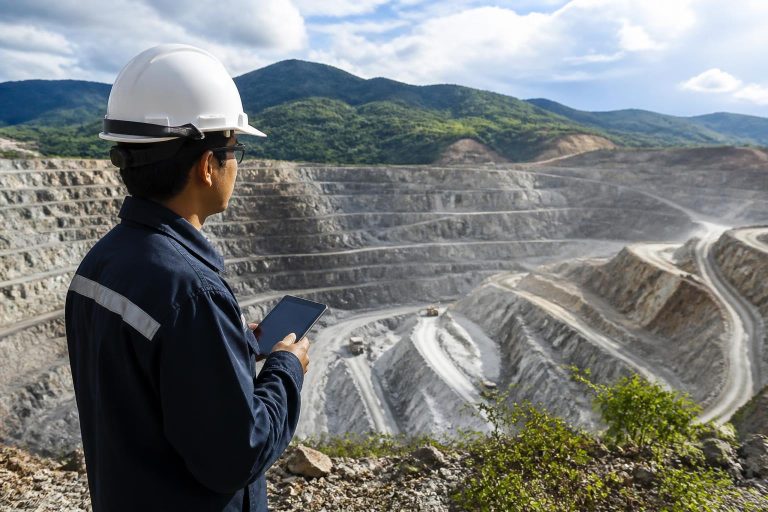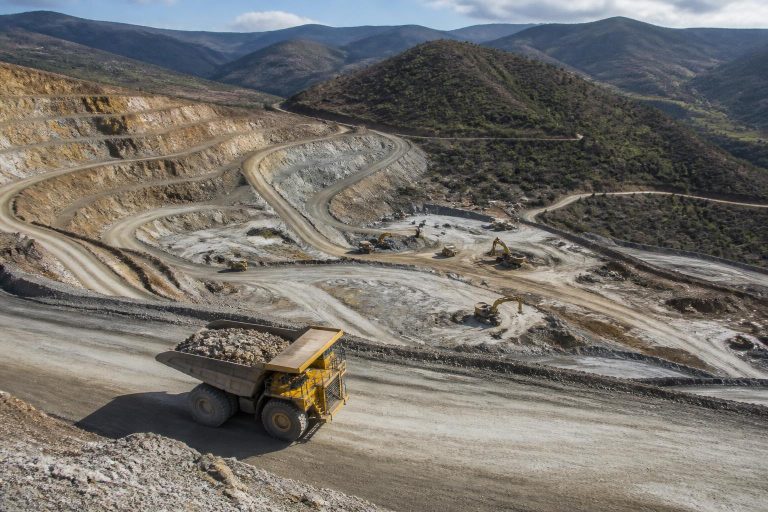
Four Bosnian environmental organisations have filed criminal charges against Canadian mining company Dundee Precious Metals following the discovery of elevated lead levels in the blood of more than 300 residents living near the Vares silver, lead and barite mine in central Bosnia — a development that has thrown the future of a community that had only recently begun to recover from decades of economic decline into serious doubt.
The charges were filed on Wednesday with the Zenica-Doboj cantonal prosecutors’ office. Environmental group Opstanak (Survival) Vares was among those bringing the case. “We think that the situation is ripe to declare an emergency situation,” the group’s president Miroslav Pejcinovic told Reuters. “Somebody needs to take responsibility.” Charges were also filed against cantonal and regional government ministers accused of failing to act adequately to protect residents.
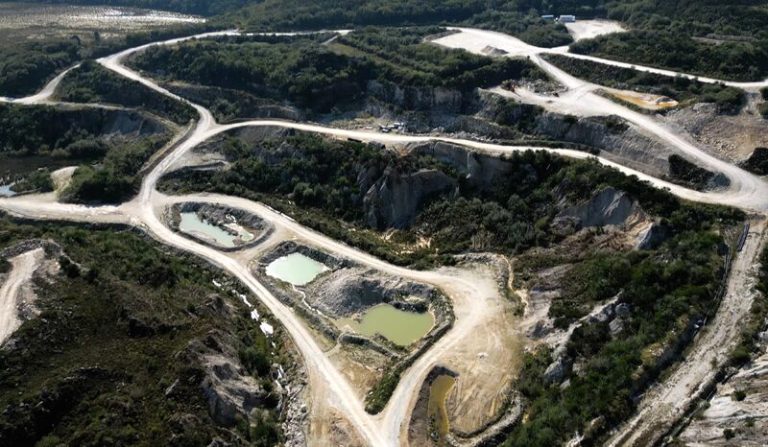
The Vares mine opened in 2024 under the ownership of UK-based Adriatic Metals, which was subsequently acquired by Toronto-listed Dundee Precious Metals in September. The mine’s opening had initially brought genuine revival to the small mountain town — new roads, new houses, filled cafes and a growing population of workers and new residents. Blood testing, which DPM agreed to finance in December following an offer by the previous owner, initially covered 44 people living near the processing plant and waste depot, finding elevated lead levels in 17 of them. Subsequent testing by health institutes in Zenica and Sarajevo extended the picture substantially: more than 300 people, including some living further from the mine, were found to have lead in their blood.
Of 238 blood tests conducted by the Zenica-based Institute for Health and Food Safety, 23% exceeded a danger threshold of 2.8 micrograms per decilitre and 13% surpassed 5 micrograms per decilitre. The Vares health centre said in March that results did not indicate acute lead poisoning but suggested long-term low-intensity exposure to environmental factors. Elevated lead levels can damage the nervous system and brain and cause learning difficulties in children, and doctors note that any level carries risk.
A complicating factor acknowledged by local officials is that the area has a long history of mining activity, making it difficult to determine whether lead exposure stems from the current operation or from legacy contamination. DPM has joined a working group of town officials and physicians and initiated environmental testing of land, water, agricultural produce and dust around the processing plant and waste depot. The company said it took health and environmental matters seriously and believed issues should be “assessed on the basis of expert analysis, verified data and through the appropriate institutional procedures, without prejudging responsibility.”
Among those affected is the Ahmedovic family, who live near the processing plant and have invested in cattle and crops through the town’s economic difficulties. After the family — including two children — tested positive for lead and the metal was detected in their cropland, they halted the planting of wheat, vegetables and fruit and are now considering leaving. “Life with lead is not easy,” the mother, Enisa Ahmedovic, said.
Bosnia’s Federation Prime Minister Nermin Niksic said a government expert group was being formed. “The peoples’ health cannot be endangered because of someone’s negligence, or someone’s investment or someone’s interest,” he said.