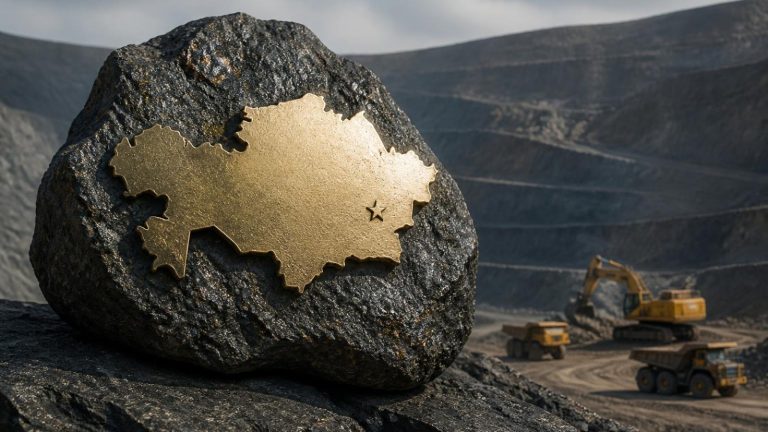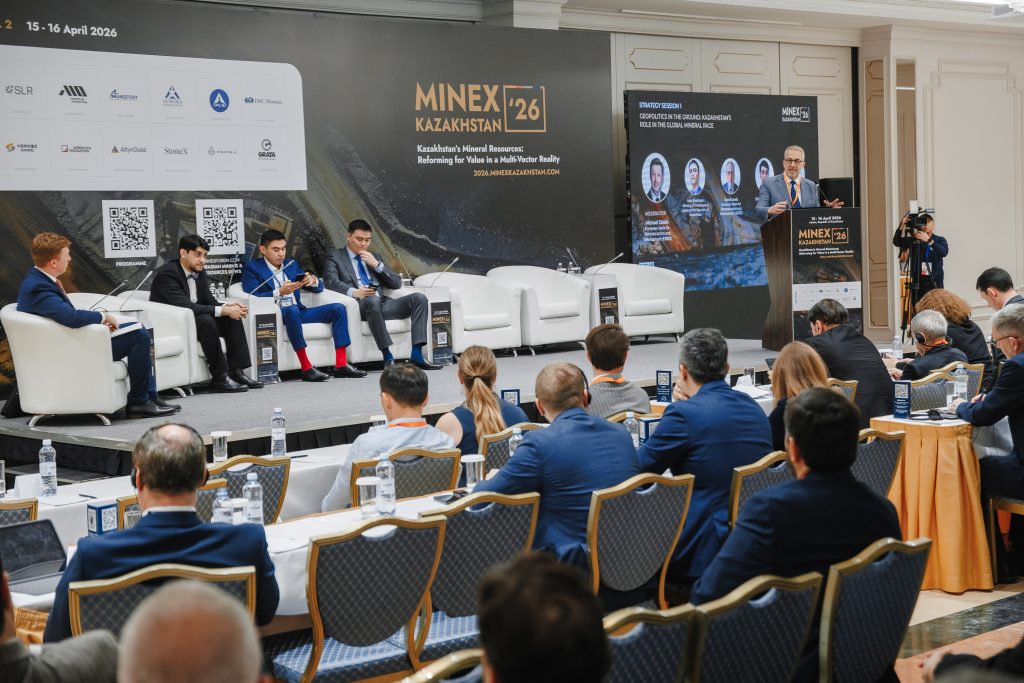
Kazakhstan’s mining sector has reached a turning point, with the era of easy extraction behind it and a new strategic imperative to build domestic value chains, attract long-term investors and align national legislation with international best practice — that was the overarching message from the XVI MINEX Kazakhstan 2026 forum in Astana, held under the motto “Mineral Resources of Kazakhstan: Reforming for Value in a Multi-Vector Reality.”
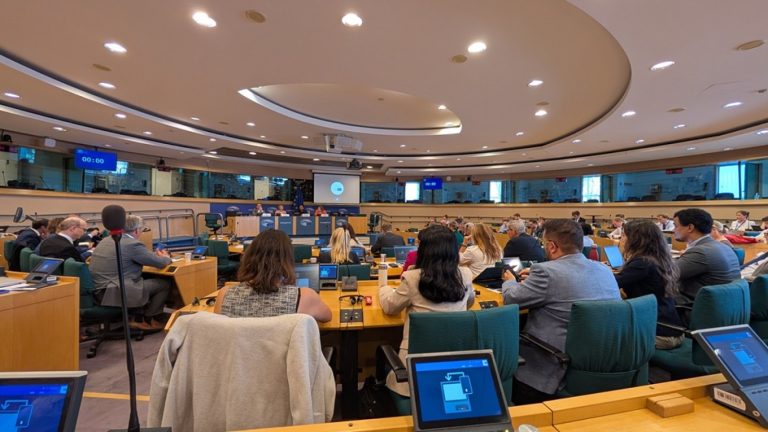
The forum brought together more than 500 representatives of government bodies, mining company executives, financiers, scientists and technology suppliers from over 30 countries. Opening the event, MINEX executive chairman Artur Polyakov declared that the global mining industry had entered a new era in which the focus is shifting from rapid extraction to the strategic use of key minerals as instruments of economic competitiveness, energy security and international influence.
Vice minister of industry and construction Iran Sharkhan reaffirmed the scale of Kazakhstan’s geological endowment — approximately 10,000 registered deposits, with 17 new objects including Kok-Zhon, Altyn-Shoko and Samombet placed on the state register in 2025 alone — and highlighted the 2025 amendments to the Subsoil and Subsoil Use Code as a significant step toward simplified administrative procedures, investment attraction and process digitalisation.
However, the forum also surfaced persistent structural problems. Nikolai Radostovets, executive director of the Association of Mining and Metallurgical Enterprises, acknowledged the importance of the 2018 Subsoil Code while noting that its adoption failed to fully synchronise provisions with the Land, Water, Environmental and Tax codes — a gap that continues to generate administrative barriers for exploration and production projects. “Kazakhstan must not only maintain investment attractiveness but also bring national legislation in line with the best international practices,” he said, citing growing global interest in critical and rare earth metals as a further reason for urgency.
Geopolitical forecasting analyst Eldaniz Huseynov, founder of Nightingale Ind., argued that Kazakhstan should move beyond passive openness to investment toward actively offering turnkey projects to international partners. He identified molybdenum, zinc, cobalt, uranium and tungsten as priority resources for domestic processing, and said competition between investors from China and Europe could itself serve as a lever to improve cooperation terms. “Kazakhstan must build strategic partnerships and confidently offer its own projects to the international community,” he said, adding that investor engagement should encompass technology development, domestic supply chain integration, job creation and infrastructure commitments — not merely raw material exports.
The forum concluded that Kazakhstan must simultaneously advance extraction infrastructure, refine its legislative framework, improve the investment climate and consolidate its position as a reliable partner in global critical mineral supply chains.