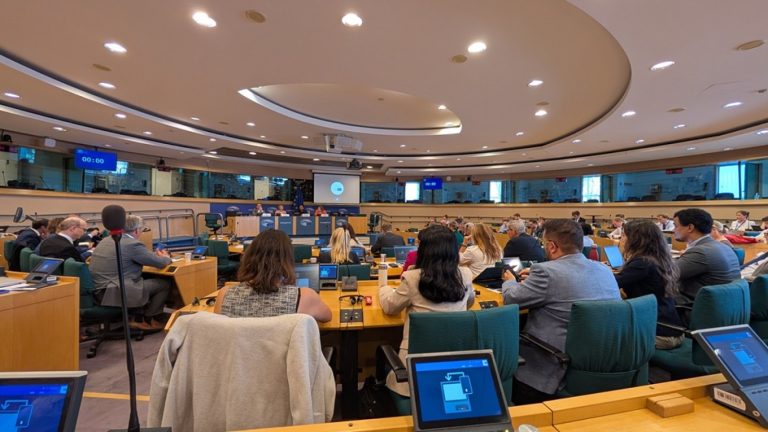
Kazakhstan’s mining sector stands on the threshold of transformation, but turning ambition into reality will require overcoming significant technological, financial and competitive hurdles — a frank assessment that emerged from discussions at the mining and geology forum in Astana, where the path from raw material extraction to high-value processing was the central theme.
The forum’s focus on critical and rare earth metals reflects a global reality: demand for these materials is rising rapidly, driven by the energy transition, defence needs and advanced manufacturing. For Kazakhstan, the logic is clear — selling unprocessed ore generates far less revenue than supplying refined or intermediate products. The country possesses the resource base; what it still lacks, participants agreed, is the technology and investment required to move up the value chain.
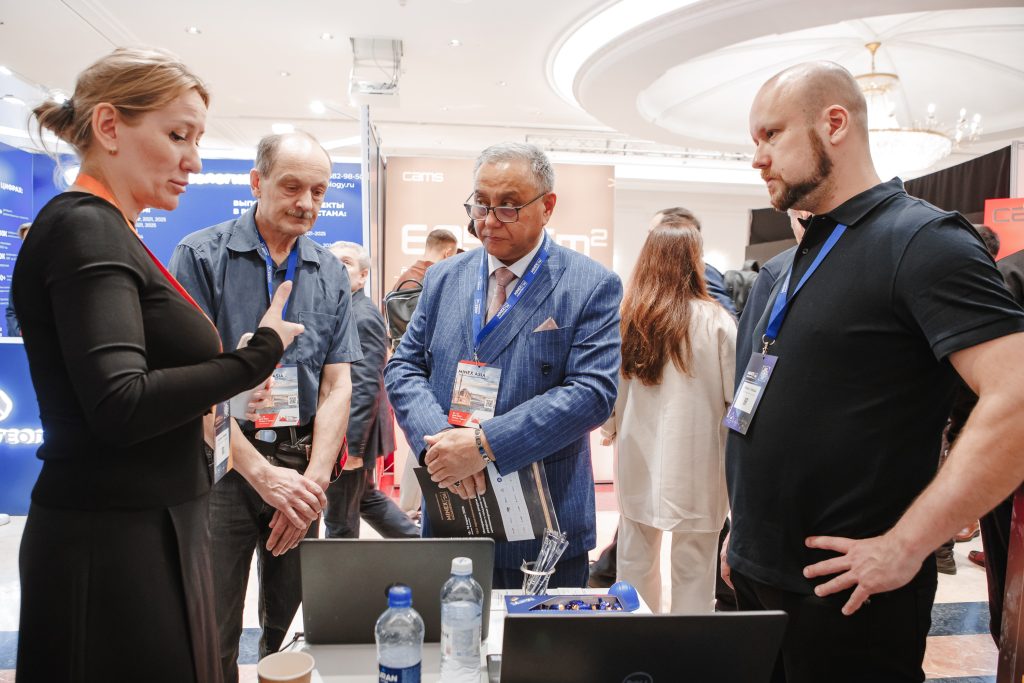
New portable analytical equipment on display at the forum illustrated how technology is already beginning to change fieldwork. Vasily Makeyev, a representative of a equipment distribution company, demonstrated devices capable of performing on-site chemical analysis of ore and rock samples without the need to wait for laboratory results. “A geologist, right in the field or underground in a mine, can immediately assess the chemical composition of material on the spot,” he said, “rather than waiting for laboratory data that can take several hours or even several days to process.”
On the broader challenge of building a domestic deep processing industry, participants were candid about the obstacles. Ros Lund, chief executive of the Eurasian Critical Minerals Organisation, acknowledged that while Kazakhstan has the intent and policy mechanisms, competing in processing is far from straightforward. “Next door is China with enormous capacity,” he said. “The key question is how to motivate companies to build processing facilities in Kazakhstan. Tax incentives are already in place and the process is moving. New plants should appear within the next five years.”
The forum comes as Kazakhstan intensifies efforts to position itself as a critical minerals hub, backed by subsoil use reforms, increased state geological funding and new frameworks for attracting strategic investors committed to domestic value-added production.