Kazakhstan is intensifying its geological exploration efforts as it adapts to shifting global demand and prepares for a gradual decline in oil production. While the country has long relied on its vast natural resources, current priorities are increasingly focused on rare and critical minerals, which are emerging as key drivers of future economic growth.
Over the past year alone, 17 new deposits have been discovered, underscoring the continued potential of the country’s subsoil. Exploration activity has expanded significantly, with geological survey coverage reaching more than 2 million square kilometres. Authorities plan to extend mapping across an additional 100 thousand square kilometres this year, supported by 20 approved project initiatives involving national and industry stakeholders.
Kazakhstan’s mineral base remains substantial, with approximately 10 thousand deposits identified across the country. Proven reserves include gold, silver, copper, and phosphorites, while total reserves across major resources exceed 2369 tonnes of gold, 4.3 billion tonnes of oil, 3.8 trillion cubic metres of gas, 33.5 billion tonnes of coal, and 26.7 billion tonnes of iron ore.
A key development is the creation of a certified laboratory complex under the National Geological Service, scheduled for completion by 2028. The facility, valued at 14 billion tenge, will enhance analytical capabilities and support more precise geological data processing.
According to officials, rising global demand for copper, gold, and rare earth elements is driving a strategic shift in the sector. Greater emphasis is now being placed on improving data accuracy, increasing transparency, and strengthening the investment climate. Over the next three years, the government plans to allocate approximately 240 billion tenge to geological exploration, while also preparing to auction new перспективные участки starting in 2027.
This renewed focus is partly driven by declining oil output in certain regions, where production has dropped significantly due to resource depletion. In response, exploration is expanding into underexplored sedimentary basins such as the Aral and Syrdarya regions.
Kazakhstan is also attracting growing private investment, with around 280 billion tenge injected into exploration over the past three years. Rare earth and rare metals are becoming central to this strategy, including deposits such as Kuyryktikol, discovered in 2025, which contains significant reserves of cerium, neodymium, and yttrium.
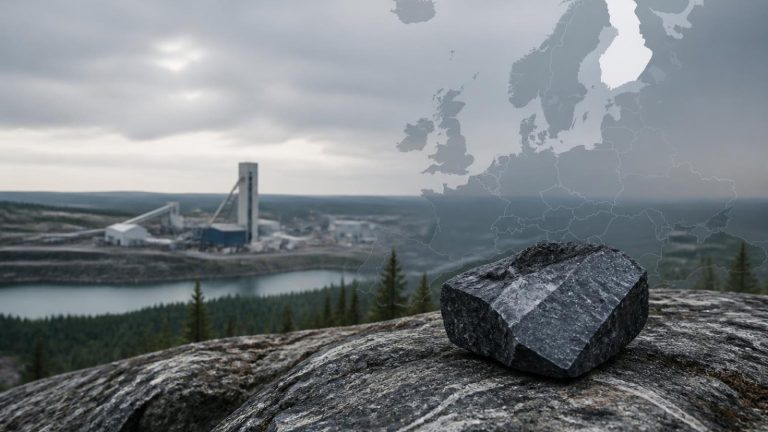
More than 100 known deposits across the country contain critical minerals such as tungsten, molybdenum, lithium, beryllium, niobium, tantalum, germanium, and gallium. These materials are essential for high-tech industries, including electric vehicles, electronics, and energy systems, further boosting Kazakhstan’s export potential.
The evolving structure of the mining sector reflects a broader transformation. Unlike in the past, when extraction often focused on individual elements, modern development requires integrated approaches and advanced technologies. This shift is increasing the sector’s reliance on innovation and international collaboration, as Kazakhstan positions itself as a key supplier in the global critical minerals market.