European Metals Holdings is approaching a defining moment for the Cinovec lithium project in the Czech Republic, with a pivotal environmental ruling expected by the end of June that will determine whether the development — increasingly regarded as central to Europe’s battery supply chain ambitions — can unlock its EU funding and advance toward construction.
The Czech Ministry of Environment is anticipated to deliver its verdict on the project’s Environmental Impact Assessment by 30 June 2026, a decision that carries significant financial consequences. A positive outcome is a mandatory prerequisite for European Metals Holdings to access grants allocated from the EU Just Transition Fund, making the ruling one of the most consequential regulatory moments in the project’s history. The formal review procedure is currently underway and will be followed by a public consultation phase before a final decision is issued.
Ahead of that deadline, the company’s Annual General Meeting on 19 May 2026 will provide shareholders with an opportunity to hear updates on project progress, vote on the reappointment of board directors and receive further detail on planned lithium carbonate production targets. The project’s feasibility study envisages output of battery-grade lithium material sufficient to meet a substantial share of Europe’s projected demand by 2030, positioning Cinovec as a key node in the regional electric vehicle supply chain.
The project has already secured meaningful regulatory momentum in recent months. In February 2026, official approval was granted for the regional rezoning of the project area, legally designating zones for mining operations, processing facilities and utility infrastructure corridors — a significant permitting milestone that builds on the formal submission of the comprehensive EIA documentation in December 2025.
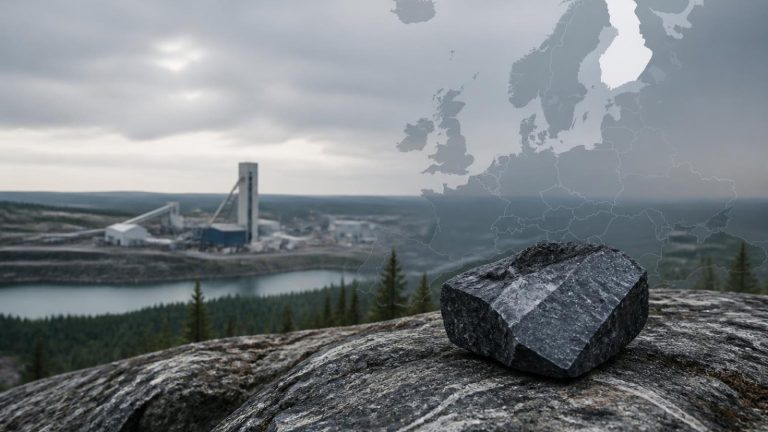
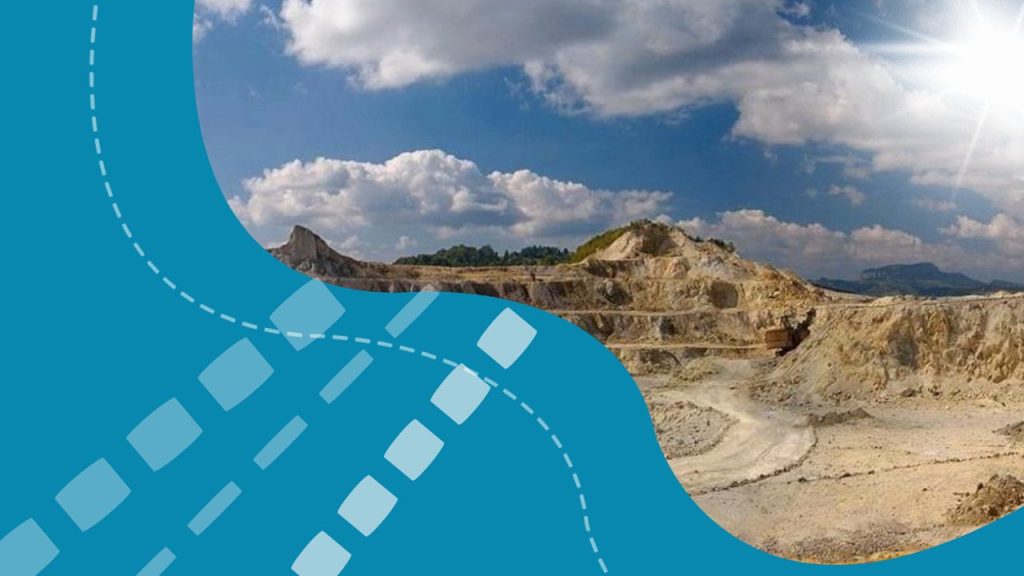
Cinovec’s strategic significance has been formally acknowledged by both the European Union and the Czech government, with the project classified as a priority resource in the context of the continent’s energy transition. Located in the Erzgebirge mountain region on the Czech-German border, it is considered one of the largest hard-rock lithium deposits in Europe and has drawn growing attention as the bloc seeks to reduce dependence on imported battery raw materials, particularly from China.