Kazakhstan failed to meet its planned growth target for metallic ore production in 2025, according to the Ministry of Industry and Construction, although the sector’s value increased significantly due to higher global metal prices.
Under the ministry’s development plan, metallic ore production was expected to grow by 3.1% in 2025. Instead, output declined by 0.2%, meaning the target was achieved at only 96.8%.
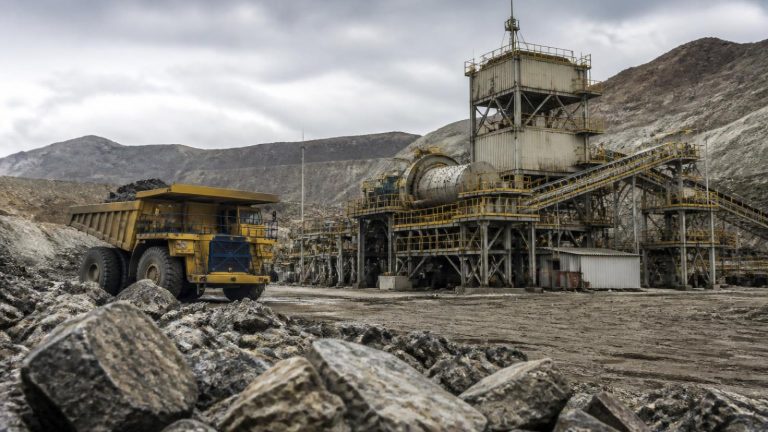
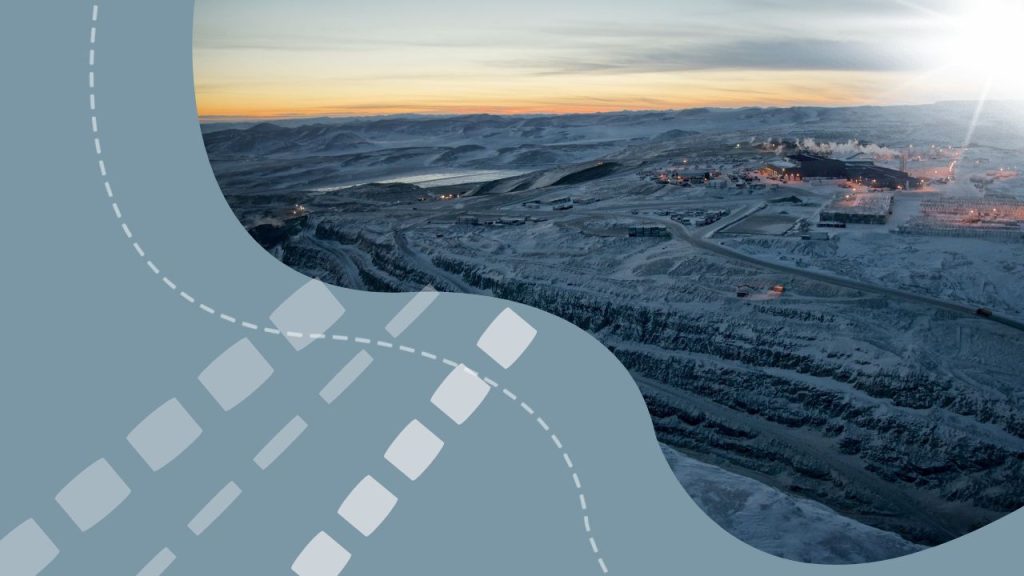
Officials attributed the shortfall primarily to operational changes at the country’s largest gold deposit, Vasilkovskoye, which supplies roughly 20% of Kazakhstan’s gold-bearing ore. The mine is currently transitioning from open-pit to underground mining, a process that reduced production volumes and lowered the sector’s physical output index by about 2.5%.
Additional pressure came from declining ore grades at several zinc and lead mines in East Kazakhstan Region, including the Maleevsky, Tishinsky and Dolinny deposits.
Despite the drop in physical production, the total value of metallic ore extraction reached 5.8 trillion tenge in 2025, representing a 28.3% increase compared with 2024 due to stronger metal prices.
The ministry also missed its target for metallurgical production. Output in the sector was expected to grow by 5%, but actual growth reached only 1.2%.
This underperformance was linked to a slight decline in non-ferrous metallurgy production, which fell by 0.5%. Several key metals saw reduced output during the year.
Production of refined zinc dropped by 6.6%, refined gold by 1.1%, refined silver by 10.4%, and refined lead fell sharply by 29.6%. Authorities cited declining metal content in mined ore as one of the main contributing factors.
Operational disruptions also affected several major companies. At Kazakhmys Corporation, which accounts for about 22% of the industry, an accident involving an explosion and collapse at the Zhomart mine disrupted operations. The mine supplies about 40% of the feedstock for the Zhezkazgan copper smelter.
In addition, shipments of approximately 40,000 tonnes of raw material from Russia’s Russian Copper Company were halted due to sanctions affecting Russian businesses.
Another producer, Tau-Ken Altyn, saw a sharp reduction in recycled feedstock — falling from 2.5 tonnes to just 60 kilograms — because of repair work at Russia’s Amur Mining and Metallurgical Plant.
Kazzinc, which represents about 30% of Kazakhstan’s non-ferrous metallurgy sector, also faced supply disruptions. Due to customs restrictions under the “red corridor” import regime introduced by the State Revenue Committee, the company lost a contract to import around 40,000 tonnes of raw materials from Tajikistan. Kazzinc depends on imports for roughly 40% of its feedstock.
Overall, the ministry met 19 out of 29 performance indicators for the year. Five targets were not achieved, while final statistical data for another five indicators has yet to be confirmed.
Despite the short-term challenges, longer-term mining output trends remain positive. Between 2021 and 2025, copper ore production in Kazakhstan increased by 31.8% to 162.9 million tonnes. Gold-bearing ore production rose by 20.4% to 39.2 million tonnes, while lead-zinc ore extraction grew by 19% to 9.9 million tonnes.
The Bureau of National Statistics is expected to publish final industry data for these indicators on July 3, 2026.