Uzbekistan’s critical mineral resources have become part of a broader US geoeconomic strategy aimed at reducing dependence on China, according to analysis by the Bloomsbury Intelligence & Security Institute (BISI).
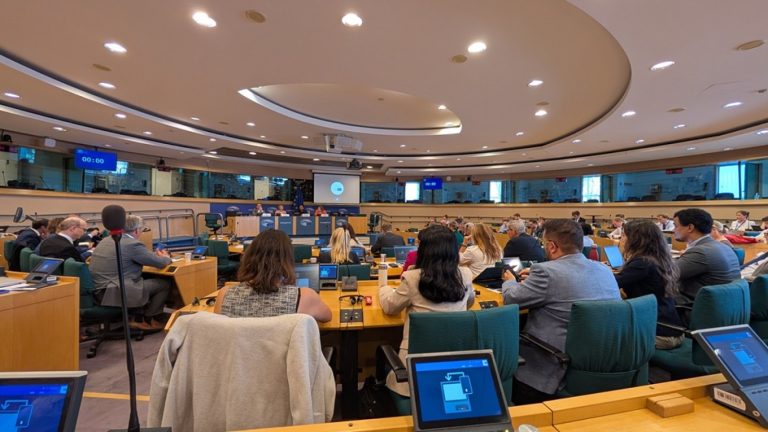
The recently signed memorandum between Tashkent and Washington coincided with a US-hosted ministerial meeting on critical minerals attended by more than 40 countries. At the same time, Washington announced the launch of two new mechanisms: FORGE (Forum on Resource Geostrategic Engagement) and Project Vault, a $12 billion strategic reserve fund for purchasing and stockpiling critical minerals.
BISI assesses that the agreement with Uzbekistan fits into a wider network of bilateral partnerships designed to diversify supply chains away from China.
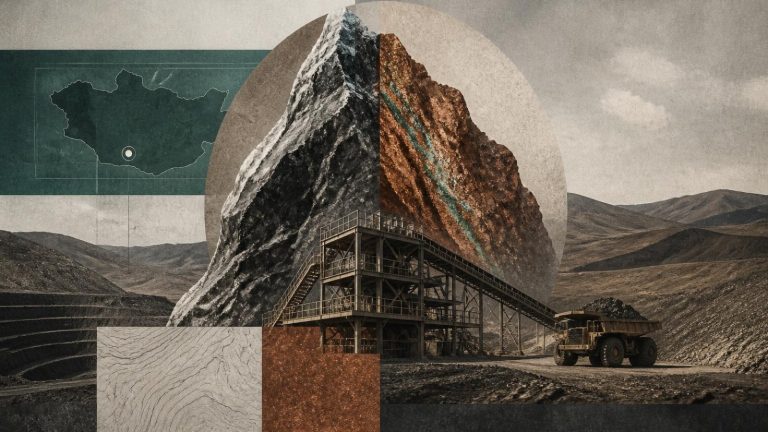
Uzbekistan holds reserves of tungsten, lithium, vanadium, titanium, germanium and graphite — materials considered essential for defense industries, battery technologies and advanced manufacturing. According to BISI, the country could become a “preferred partner” for the United States within the emerging global raw materials architecture.
However, analysts caution that diplomatic engagement must translate into tangible investment. Without financing mechanisms through institutions such as EXIM, the US International Development Finance Corporation (DFC), and private capital channels, the memorandum risks remaining largely symbolic.
China’s role remains a critical variable. While experts consider it unlikely that Beijing will escalate tensions directly, increased commercial competition and diplomatic pressure cannot be ruled out. For Tashkent, this creates the need to position cooperation with Washington as commercial and non-exclusive, preserving existing economic ties with China.
BISI also highlights potential sensitivities in relations with Russia, which could view deeper US-Uzbek cooperation through a geopolitical lens. Possible pressure points may include migration policy or information campaigns.
In the short term, attention will focus on defining concrete projects and operational rules under the FORGE platform. Over the longer term, the success of the initiative will depend on Uzbekistan’s regulatory environment — including licensing stability, tax predictability and investor protection.
Ultimately, these factors will determine whether Uzbekistan becomes an integrated player in a new global minerals system or remains primarily a raw material supplier outside major capital flows.