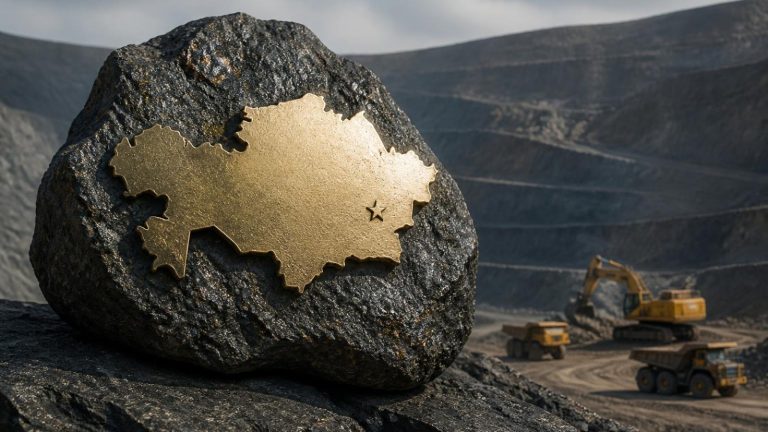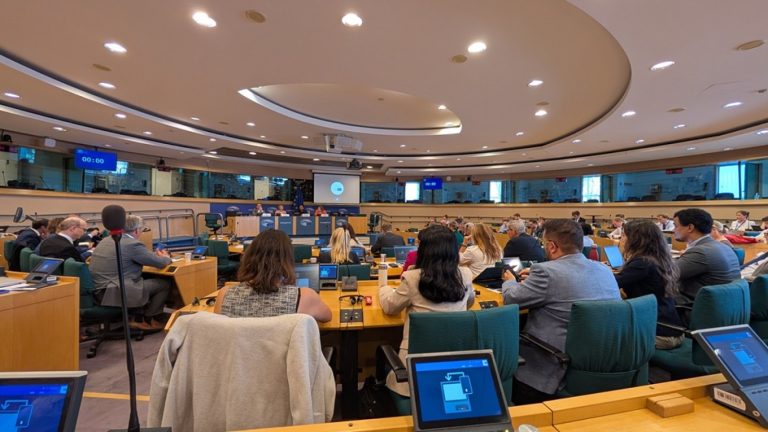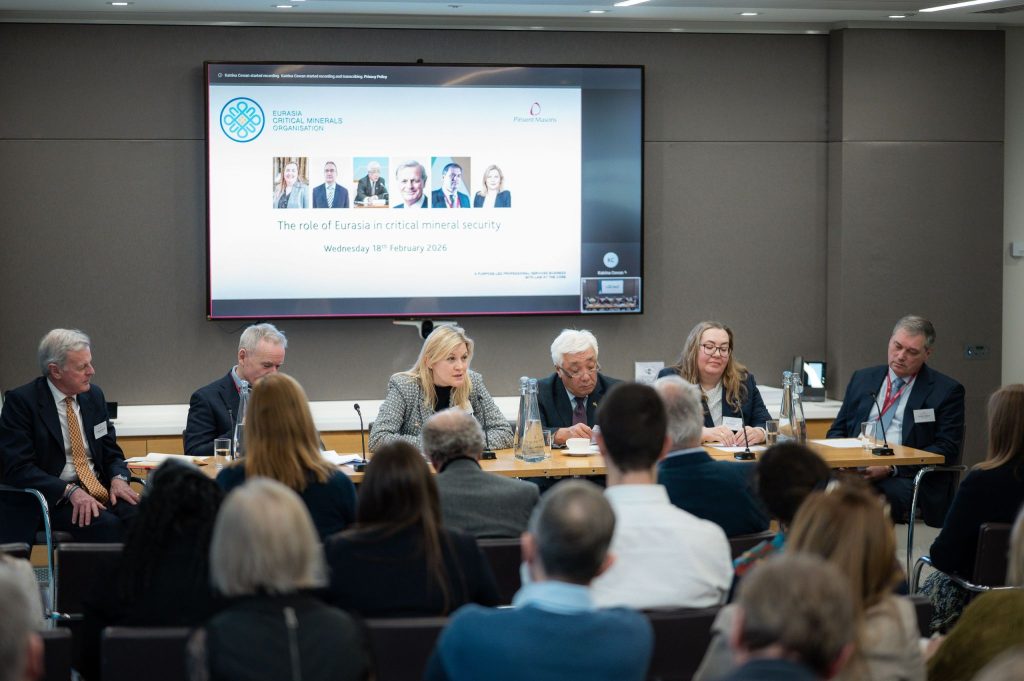
The panel discussion marked the first public engagement of the Eurasian Critical Minerals Organisation and focused on the growing strategic importance of Eurasia in global critical mineral supply chains. Particular attention was given to Kazakhstan, Uzbekistan, Mongolia, Kyrgyzstan and Tajikistan, set against a backdrop of geopolitical change, supply-chain vulnerability and rising global demand for responsibly sourced critical raw materials.
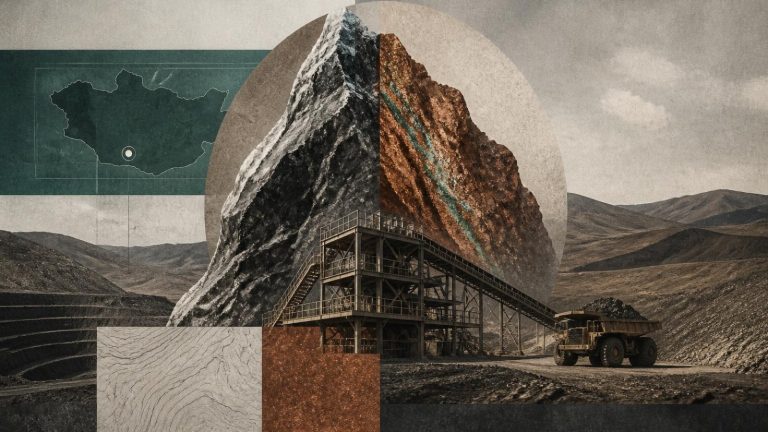
Speakers highlighted the diversity of investment environments across the region. Mongolia was cited as a leading example of transparency, due to its publicly accessible national geological database, which provides information on licences, ownership, geological data and environmental conditions. This level of openness was seen as a strong advantage for investors. Other countries in the region were described as having extensive geological data inherited from the Soviet period, much of which has yet to be fully digitised or made widely accessible.
The panel agreed that improving geological data transparency across the region would significantly strengthen investor confidence and support new exploration.
Kazakhstan was recognised as the most established mining jurisdiction in the region, with a long history of production and a diverse mineral base. Uzbekistan was described as an increasingly important emerging player, combining significant mineral potential with ongoing economic and regulatory reforms aimed at attracting international investment.
Kyrgyzstan and Tajikistan were discussed as highly prospective but more constrained environments, where progress on governance, infrastructure and regulatory consistency will be important to unlocking long-term, sustainable investment.
Mongolia was noted for its openness to mining investment, alongside the need to balance development with environmental and social considerations.
The discussion also addressed the region’s strategic geography. Positioned between Russia and China, Eurasian countries are increasingly integrated into regional transport and infrastructure corridors, including those associated with China’s Belt and Road Initiative. While such investment was recognised as important, speakers stressed the shared objective among regional governments of diversifying their international partnerships.
A broad and balanced investor base was described as being firmly in the national interest, strengthening resilience and reducing over-reliance on any single partner.
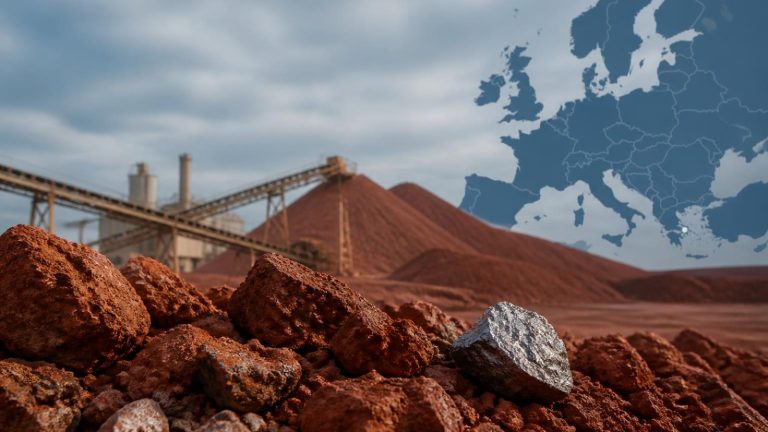
Panellists also highlighted the growing link between critical minerals, industrial strategy and security. Recent geopolitical developments, including the war in Ukraine, have sharpened European focus on supply-chain resilience and strategic autonomy. Minerals found across Central Asia and Mongolia were described as essential inputs for clean energy technologies, advanced manufacturing and defence-related applications.
From a geological perspective, the panel emphasised that large parts of the region remain underexplored, despite extensive historic discoveries. Many critical minerals occur as by-products of major commodities or within historic mine tailings. Advances in extraction and processing technologies, alongside the digitisation of legacy data and the use of modern analytical tools, were identified as key opportunities to unlock this potential.
The political context was discussed through the lens of expanding C5+1 engagement formats between Central Asia and major global partners, including the EU, the UK, the US and others. These frameworks reflect growing recognition of Central Asia as a coherent region and a constructive partner in global economic and resource security discussions. However, speakers agreed that the priority now is to translate dialogue into practical outcomes and investable projects.
The role of ECMO
The panel concluded that ECMO has an important role to play as a practical, delivery-focused platform. Rather than duplicating existing diplomatic initiatives, ECMO aims to support implementation by bringing together governments, state-owned enterprises, investors, technology providers and financial institutions. By promoting transparency, best practice and ESG-aligned development, ECMO can help reduce investment risk, support responsible project development and unlock international capital. In doing so, ECMO seeks to help Kazakhstan, Uzbekistan, Mongolia, Kyrgyzstan and Tajikistan turn their significant mineral endowments into resilient, diversified and sustainable supply chains .