Workers in the coal mining and thermal power sectors across Southeast Europe are facing mounting pressure from austerity measures and supply disruptions, raising concerns about electricity generation and energy security in the region.
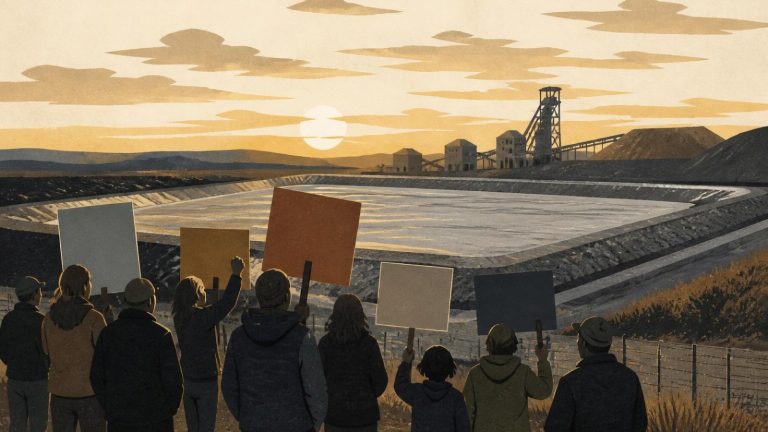
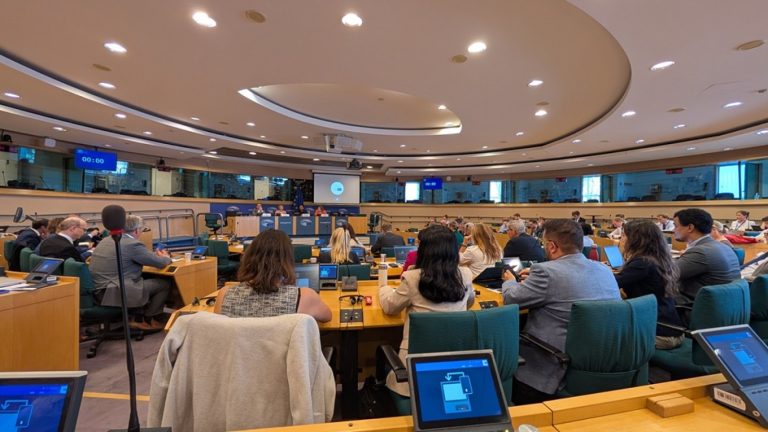
In Romania, employees of state-owned Complexul Energetic Oltenia (CE Oltenia) have staged protests, including hunger strikes, in response to proposed wage cuts and the possible cancellation of meal vouchers. Thirteen workers have reportedly gone on hunger strike, while demonstrations have taken place at several coal mines and one thermal power plant.
During a meeting with union representatives, Prime Minister Ilie Bolojan stated that CE Oltenia could only be exempted from austerity measures if it improves efficiency and reduces reliance on state aid. A government memorandum clarifying the situation is expected to be discussed next week. Energy Minister Bogdan Ivan noted that Romania had previously renegotiated with the European Commission the closure deadline for certain coal-fired power plants, extending it beyond December 31, 2025.
Union representatives warned that if their demands are not addressed, protests could escalate and further reduce already strained coal supplies feeding the Rovinari and Turceni thermal power plants, which are central to Romania’s power system.
Similar challenges are emerging in Bosnia and Herzegovina. The Ugljevik thermal power plant is currently offline due to coal shortages and has recently reduced salaries for all employees. In late January, the Government of the Republic of Srpska agreed to transfer part of the Ugljevik coal concession from Comsar Energy RS, majority owned by Russian businessman Rashid Sardarov, to RiTE Ugljevik, the plant’s operator.
The transferred deposit reportedly contains around 50 million tonnes of coal, enough to supply the plant for approximately 25 years. The reserves had originally been earmarked for the planned Ugljevik 3 project, which was never completed.
Labor tensions have also surfaced at the Zenica coal mine, which is scheduled for closure. In September, miners staged a five-day hunger strike over unpaid wages.
The combined impact of labor unrest and coal shortages has contributed to a sharp rise in electricity imports. In 2025, Bosnia and Herzegovina’s electricity imports reached a record €321.6 million, roughly double the previous year, partly due to production halts at coal-fired facilities.