Germany considers Kazakhstan one of its key partners in Central Asia and a reliable supplier of energy resources, according to statements cited by the Kazakh Ministry of Foreign Affairs. German Foreign Minister Johann Wadephul described Kazakhstan as “an economically, politically, and strategically pivotal country in Central Asia.”
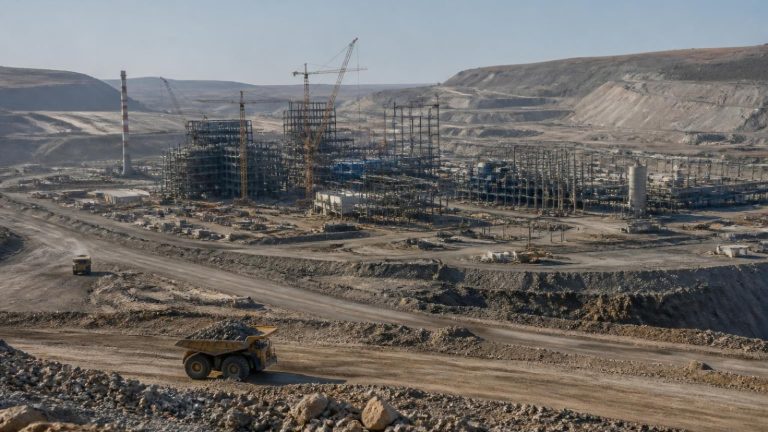
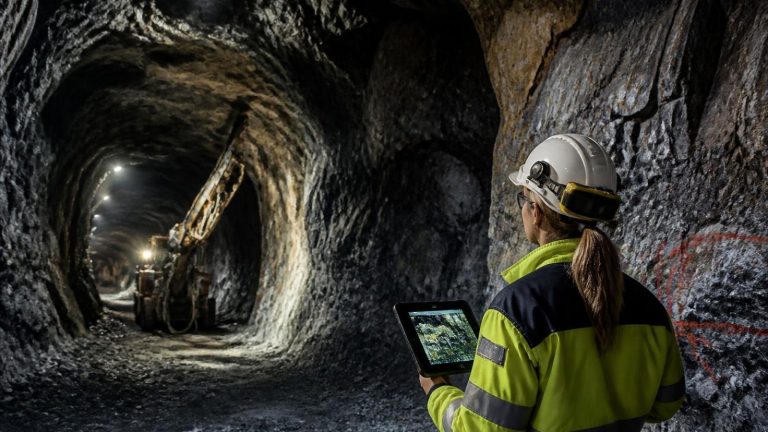
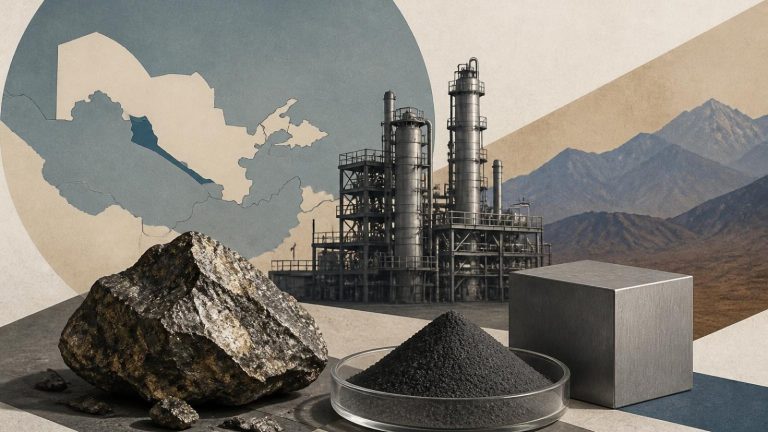
For Astana, cooperation with Western partners is primarily aimed at attracting investment and implementing modern technologies, while for Berlin, the partnership ensures stable resource supplies and access to Central Asian markets. Kazakhstan’s mineral resource base includes more than 5,000 deposits, with an estimated value in the tens of trillions of dollars. The country ranks first globally in proven reserves of zinc, tungsten, and barite; second in silver, lead, and chromite; third in copper and fluorite; fourth in molybdenum; and sixth in gold. It also ranks ninth in proven oil reserves, eighth in coal, and second in uranium.
Energy cooperation remains central to bilateral ties. Kazakh oil supplies to the Schwedt refinery in Germany reached approximately 1.5 million tons in the first nine months of 2025. In 2026, monthly shipments are expected to increase from 100,000 to 130,000 tons.
Discussions are also under way on exporting green hydrogen from Kazakhstan to Germany and other EU countries. For Germany, this supports energy security and decarbonisation goals, while for Kazakhstan it represents an opportunity to build a new high value-added export sector and attract long-term investment.
Trade turnover between the two countries reached $3.9 billion from January to November 2025, with Kazakh exports rising by 7.9 percent and imports of German goods increasing by 6.1 percent. By January 2026, 36 investment projects involving German capital had been implemented in Kazakhstan, with total investments amounting to approximately €49.7 billion. Many of these projects are already operational. Cooperation is expanding in mechanical engineering, chemicals, and the mining and metallurgical sector, alongside the introduction of German technologies and management practices.
In February 2026, Kazakh Foreign Minister Yermek Kosherbayev took part in the “Central Asia – Germany” foreign ministers’ meeting in Berlin. During talks with Katherina Reiche, he emphasised Kazakhstan’s intention to expand economic cooperation both bilaterally and within broader EU–Central Asia frameworks.
The development of the Trans-Caspian International Transport Route is further strengthening Kazakhstan’s role as a transit hub between Europe and Asia. Germany views the corridor as a reliable alternative supply route, while Kazakhstan benefits from infrastructure development and increased industrial cooperation.
Overall, the partnership reflects mutual strategic interests: Germany seeks stable access to energy and raw materials, and Kazakhstan aims to diversify its economy through investment, technology transfer, green energy development, and expanded transport connectivity.