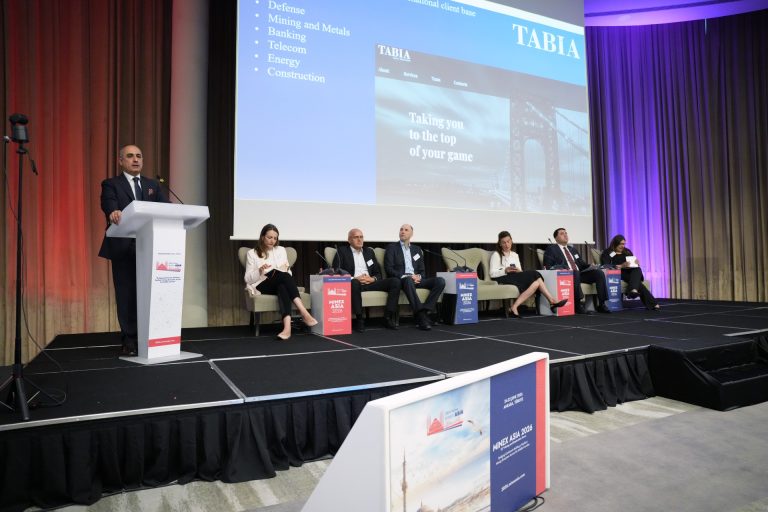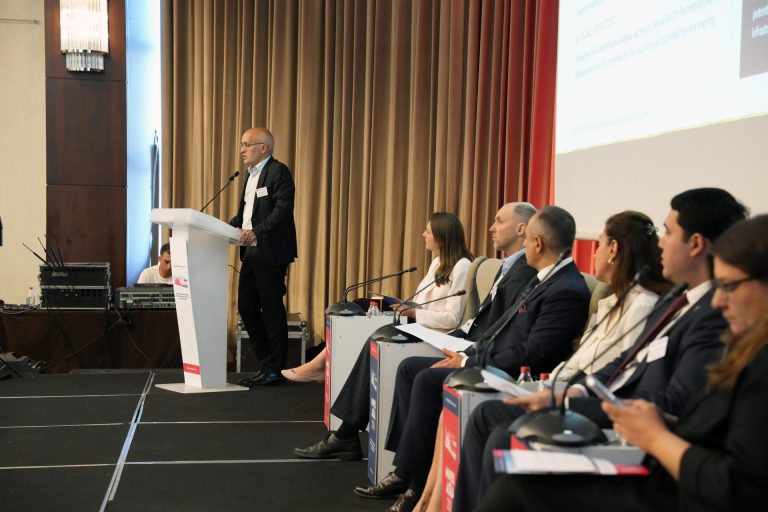
Kazakhstan’s Committee for Geology, Mining, Coal and Metallurgical Industry under the Presidium of the National Chamber of Entrepreneurs “Atameken” convened to review key policy issues, including constitutional reform, implementation of the Mining and Metallurgical Complex (MMC) Roadmap, and risks linked to a proposed new rail tariff model. The meeting was chaired by Committee Head Nikolai Radostovets and attended by Atameken Presidium Chairman Kanat Sharlapayev and Deputy Chair of the Management Board Gulnara Bizhanova.
Outlining priorities for 2026, Sharlapayev said the Committee’s agenda was shaped through consultations with industry associations and businesses and would be refined as sector challenges evolve. Among the top priorities is resolving legal inconsistencies between subsoil use and land use rights, an issue affecting companies of all sizes. He also stressed the need to consolidate the MMC’s position in discussions around the new Tax Code, including royalty mechanisms, and to preserve export potential through predictable customs regulation.
Sharlapayev emphasized that Atameken remains the principal platform for dialogue between business and government and called for greater industry unity. He urged companies to avoid fragmentation into parallel negotiation platforms, highlighting the importance of presenting a consolidated position during a period of political transformation.
Radostovets described the constitutional reform as part of broader state modernization aimed at strengthening institutions and building a competitive economy. He noted that Kazakhstan’s economy has grown at around 6% annually and underlined the importance of reinforcing rule of law, property rights and predictable conditions for long-term investment.
The Committee also examined progress on the MMC Development Roadmap prepared by the Ministry of Industry and Construction. According to Rustam Shuntukov, Managing Director of Atameken’s MMC Department, the roadmap includes 15 measures, though only about five of 42 business proposals were reflected in the final document. Positive elements include support for processing technogenic mineral formations, SME development, improved subsoil liquidation procedures, and preparation of a Critical Minerals Strategy to 2030.
Participants further discussed concerns regarding a new rail tariff methodology being developed for Kazakhstan Temir Zholy. Business representatives warned that key proposals from Atameken had not been incorporated and supported commissioning an independent expert review.
The Committee concluded the meeting by approving its 2026 work plan.