Greenland’s mineral resources are increasingly attracting international interest as competition over critical raw materials expands into the Arctic, according to Prof. Krzysztof Szamałek, director of the Polish Geological Institute in Warsaw. He noted that the island’s geological potential has gained prominence amid growing geopolitical rivalry and renewed debate over Arctic security.
Greenland, an autonomous territory within the Kingdom of Denmark, has recently returned to the global spotlight following statements by US President Donald Trump emphasizing the island’s importance to American security. According to estimates cited by Poland’s state news agency PAP, the theoretical value of Greenland’s resource base could reach USD 4.4 trillion, including around USD 1.4 trillion in oil and approximately USD 1.5 trillion in rare earth elements.
Szamałek explained that Greenland’s resources are strategically significant because they include critical raw materials essential for modern industry, where supply disruptions could severely constrain production. The European Union identified 34 critical raw materials two years ago, many of which are vital for advanced technologies and energy systems.
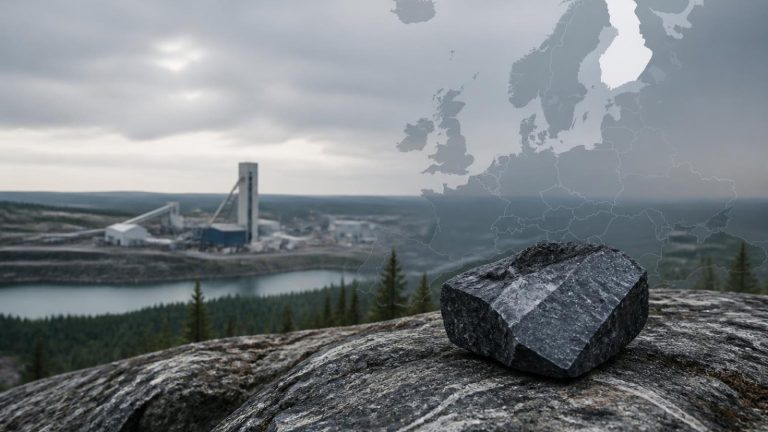
However, he cautioned that current knowledge of Greenland’s mineral wealth remains preliminary. Most assessments confirm the presence of mineral-bearing formations rather than verified reserves. Detailed exploration, drilling, and resource calculations would still be required, and the island’s ice-covered interior could hold additional geological insights in the future.
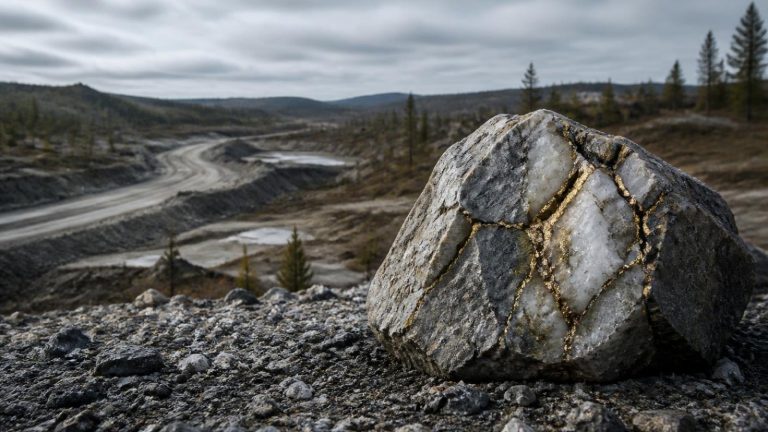
Potential deposits identified so far include graphite, molybdenum, niobium, tantalum, platinum group elements, and precious metals used in electronics and electrical engineering, as well as strontium, titanium, hafnium, and zirconium. Szamałek stressed that these resources are “estimated, not fully documented,” and that development would be a long and complex process.
Most known deposits are located in offshore areas and along Greenland’s coastline, reflecting the fact that roughly 80 percent of the island is covered by an ice sheet. Of the EU’s 34 critical raw materials, Szamałek said 25 are believed to occur in Greenland, compared with only four or five in Poland, depending on classification.
He also pointed out that China currently dominates the production of many rare earth elements, and that interest in Greenland is driven largely by efforts to diversify supply chains rather than by an immediate global shortage. Extracting minerals from beneath Greenland’s ice sheet, he added, remains technologically untested and unnecessary at this stage.