Kazakhstan’s Subsoil and Subsoil Use Code, introduced in 2018, significantly liberalised access to geological exploration and opened the market to junior mining companies. Since then, exploration investment has tripled to more than $1 billion, attracting international players such as Barrick Gold, Fortescue, Teck, Ivanhoe and First Quantum. However, despite this progress, junior explorers continue to face severe financing constraints that threaten the long-term sustainability of the country’s resource base.
Junior companies typically operate at the highest-risk stage of the mining cycle, conducting early-stage exploration years before reserves can be confirmed under international standards such as JORC or KAZRC. This risk profile makes them unattractive to banks and cautious investors, while major mining companies usually only engage once resources are already proven. As a result, juniors struggle to raise capital despite being responsible for up to 80–90% of primary mineral discoveries globally.
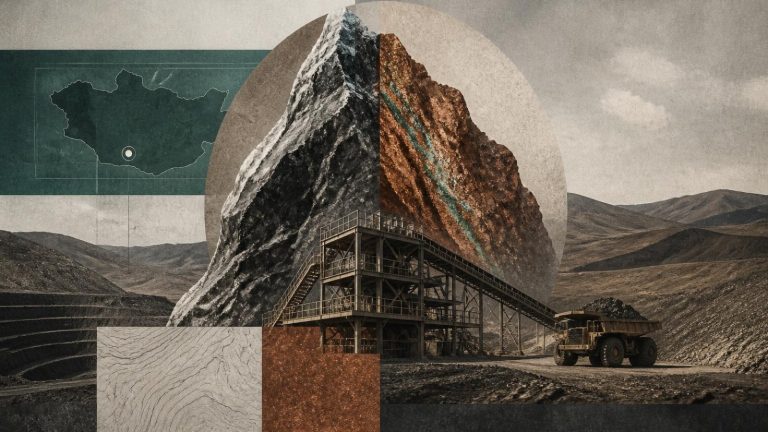
Industry experts note that Kazakhstan has the geological potential for world-class discoveries, similar to Mongolia’s Oyu Tolgoi deposit, which was initially discovered by a junior company before attracting a major multinational partner. In Kazakhstan, some successful partnerships have emerged, including foreign majors entering joint ventures with juniors, but these remain the exception rather than the norm.
Analysts also warn that the rapid increase in exploration licences does not necessarily reflect genuine growth of the junior sector. A portion of licence holders conduct minimal fieldwork and focus on speculative resale of licences, undermining confidence in the junior market and creating unfair competition for companies carrying out real exploration.
Another major challenge is regulatory uncertainty. Frequent changes in subsoil, environmental and tax legislation increase project risk, particularly at the transition from exploration to mining. Juniors preparing assets for sale or partnership with major companies can see project value eroded if regulatory conditions change materially at later stages.
Experts argue that state involvement is essential to unlock junior financing. International practice shows that governments often share early-stage exploration risk through grants, co-investment funds, tax incentives or specialised venture exchanges. Canada, Australia, Saudi Arabia and Chile all provide structured public support for early exploration, recognising it as critical infrastructure for future mining development.
Without targeted financial instruments such as exploration funds, risk-sharing mechanisms or state-backed venture vehicles, Kazakhstan risks underinvesting in early-stage geology. Industry specialists warn that without sustained junior exploration, the country’s mining sector could face a shrinking resource base in the decades ahead, undermining future production, processing and export potential.