Kazakhstan’s government is launching a new phase of subsoil exploration aimed at significantly expanding geological coverage using modern prospecting methods, in line with instructions from President Kassym-Jomart Tokayev.
As part of this effort, 20 projects were developed last year to carry out geological mapping at a scale of 1:50,000 across a total area of 100,000 square kilometres, with plans to cover an additional 30,000 square kilometres of the most prospective areas each year. This represents a major increase in detail compared with the Soviet-era standard of 1:200,000 mapping.
Over the next three years, the government plans to allocate 240 billion tenge, or around $500 million, to implement these projects, conduct seismic surveys in poorly studied sedimentary basins, and build modern geological infrastructure. By comparison, total investment in the sector over the past 15 years amounted to $469 million.
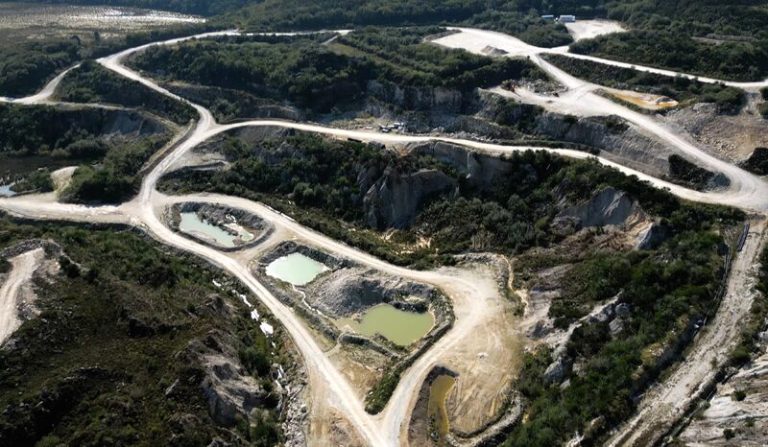
The programme includes analysis of remote sensing data, aerogeophysical and geochemical surveys, and extensive fieldwork. Areas were selected based on factors such as reserve depletion, the absence or minimal presence of subsoil users, and potential for priority minerals. The identified zones show high prospects for discoveries of copper, gold, lead, zinc, rare earth elements, barite and bauxite.
Seismic exploration is also planned in underexplored oil and gas basins, including the North Torgai, Shu-Sarysu and Syrdarya regions. In parallel, Kazakhstan intends to modernise its laboratory and analytical base and continue the digitalisation of geological data.
According to the government, the shift to detailed geological mapping at this scale will significantly improve the accuracy of geological forecasts and align Kazakhstan with international best practice seen in the European Union, Canada, Australia and China. Detailed regional mapping is viewed as a foundation for identifying promising areas, reducing geological and investment risks, and attracting private investment into exploration and mining.