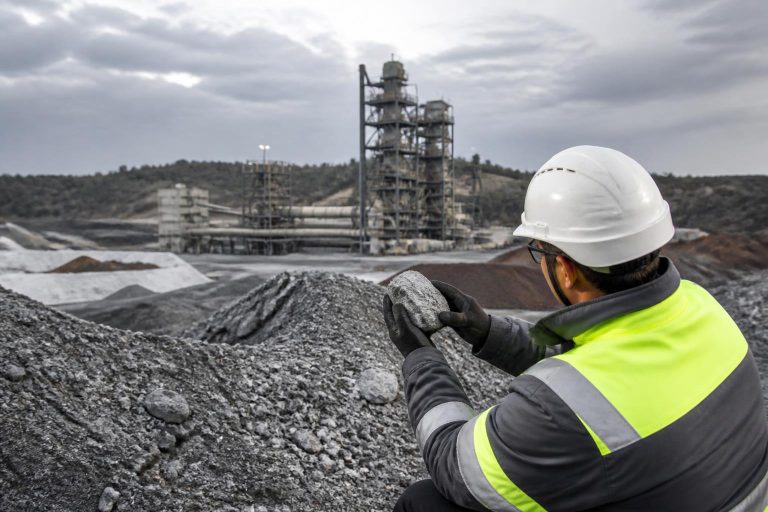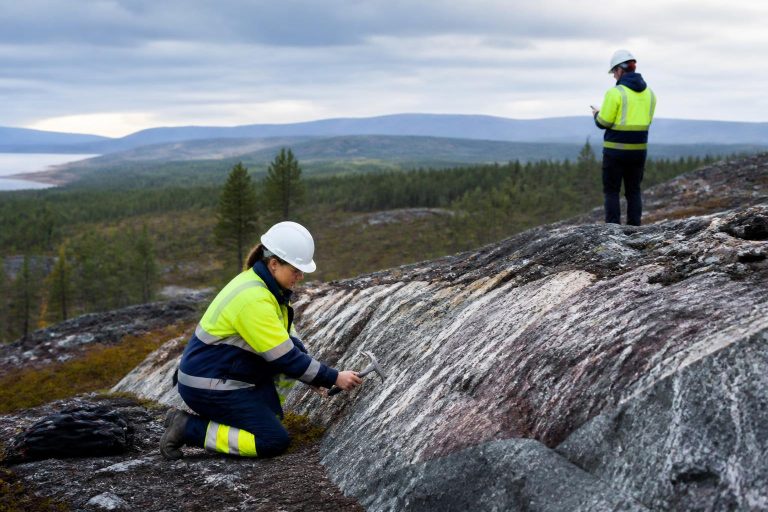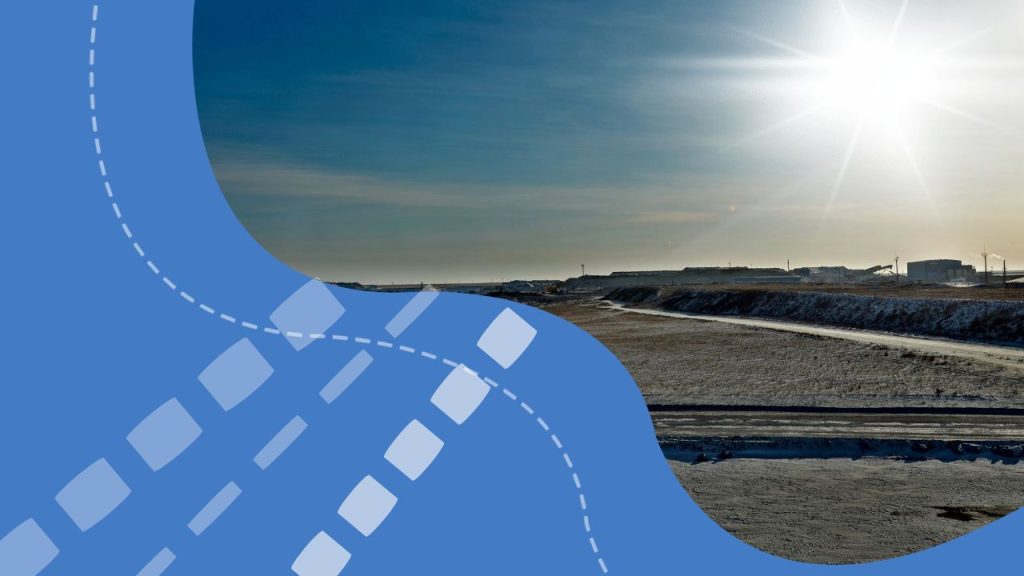
On Greenland’s southern tip, the Kvanefjeld mining project has become a symbol of both vast opportunity and prolonged paralysis. Beneath its icy terrain lies one of the world’s most significant deposits of neodymium and praseodymium, rare earth elements essential for wind turbines, electric vehicles and advanced military technologies. If developed, Greenland, a semi-autonomous territory within the Kingdom of Denmark, would become the first European source of these critical materials.
The project is led by Energy Transition Minerals, which has long signaled readiness to move into production. However, progress stalled after the Greenlandic government imposed a ban on uranium mining in 2021, citing environmental and public health concerns. Because rare earths at Kvanefjeld are geologically associated with uranium, the ban effectively froze the project, triggering legal disputes that continue to delay development.
Former Danish foreign minister Jeppe Kofod, now a strategic adviser to Energy Transition Minerals, said the case illustrates how regulatory uncertainty, geopolitics and high capital requirements can obstruct even strategically vital projects. Despite Greenland holding rare earth resources estimated to cover up to a quarter of global demand, alongside substantial oil, gas and other mineral potential, only two small mines are currently operating on the island.
European interest has increased only recently. In 2023, the European Union signed a memorandum of understanding with Greenland to cooperate on mining projects, followed by the adoption of the EU Critical Raw Materials Act, which explicitly recognizes Greenland’s strategic importance. The European Commission has since committed funding to Greenland’s Malmbjerg molybdenum project to support defense-related supply chains.
Analysts warn, however, that Europe may have moved too slowly. With the United States and China intensifying their focus on Greenland’s resources and U.S. President Donald Trump openly signaling aggressive ambitions toward the island, European policymakers risk being sidelined. Greenland’s harsh climate, limited infrastructure, small population and strict environmental rules further complicate development, even as climate change gradually improves access to previously icebound regions.
While Brussels maintains that the future of Greenland’s resources rests solely with its people and elected authorities, growing geopolitical pressure suggests that external powers may play an increasingly decisive role in shaping the island’s mining future.