Rare earth elements, once rarely discussed outside technical circles, have become central to geopolitical tensions as China continues to dominate both extraction and refining, as well as the manufacturing of rare earth magnets. Beijing’s decision on 8 October to intensify export controls—issued in response to tightened U.S. restrictions on AI chips—sent shockwaves across global industries that rely on these materials for electric vehicles, turbines, aircraft, semiconductors and advanced weaponry.
Although the United States has some leverage in the rare earth space, given China’s dependence on imports of high-value American compounds, Washington ultimately agreed to Beijing’s terms during the first Trump–Xi bilateral meeting in Busan on 30 October. The deal secured a one-year truce under which China will continue supplying rare earths. In return, the U.S. will reduce tariffs on Chinese imports and lift export controls on AI chips.
Europe, by contrast, finds itself with almost no bargaining power. As a heavy net importer with minimal domestic supply of valuable rare-earth compounds, the EU remains acutely vulnerable. Major employers such as Airbus, Vestas, Volkswagen and Europe’s EV manufacturers could face severe disruptions. The same applies to the continent’s re-emerging defence industry. Although Brussels secured the same one-year truce as Washington, European officials acknowledge that the underlying vulnerability remains unchanged.
Meanwhile, the U.S. has aggressively accelerated efforts to diversify supply. The Trump administration is finalizing agreements with Australia, Malaysia, Vietnam, Brazil and Ukraine, while signing long-term contracts with Solvay’s La Rochelle plant in France — the world’s only refinery capable of producing all 17 rare earths at industrial scale.
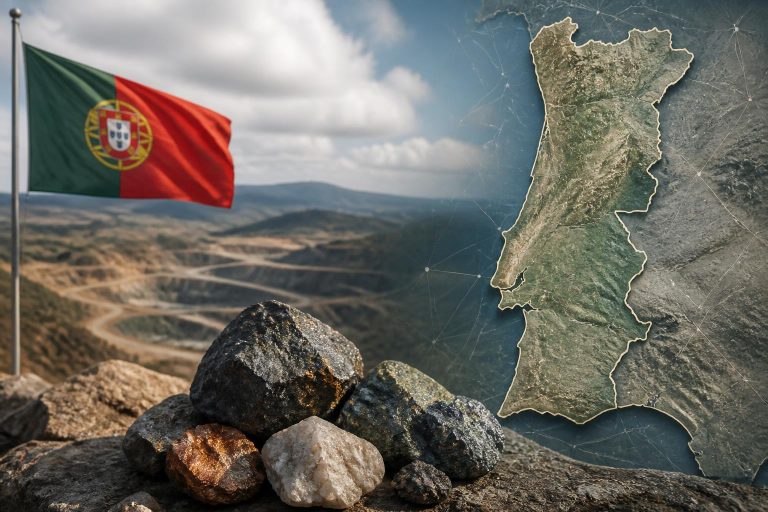
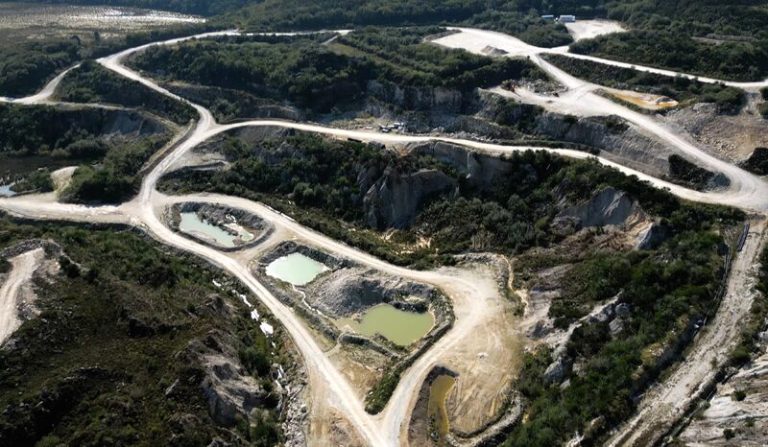
The EU’s progress has been far slower. The 2024 Critical Raw Materials Act set clear targets for 2030 — 10% domestic extraction, 40% domestic processing and 15% recycling — but these goals are widely considered unrealistic without significant investment. Funding remains scarce, and fast-track permitting systems for mining projects have yet to be established. Partnership agreements with Canada, Namibia and Chile exist only on paper, while domestic initiatives such as Sweden’s Norra Kärr, Portugal’s Mina do Barroso and German recycling efforts face regulatory delays and environmental hurdles.
Japan’s experience offers a cautionary precedent. After China abruptly halted supplies in 2010, Tokyo invested heavily in diversification, striking deals with Australia, Vietnam and Kazakhstan, enhancing recycling and building strategic reserves. Despite this, Japan still imports 62% of its rare earths from China.
Analysts warn that the EU cannot afford to let the one-year truce lapse without making rapid progress in reducing dependence on Beijing. One promising path lies in deeper cooperation with Japan, which is actively seeking partners to expand the scale of its emerging rare earth production and magnet manufacturing ecosystem. The EU could help by providing stable demand, even at prices higher than Chinese supply, in exchange for access to Japanese technologies and industrial know-how.
Experts argue that only through joint development of production chains, shared R&D, and coordinated demand can Europe hope to build a viable rare earth ecosystem. Leveraging corporate capabilities on both sides may be essential for Europe to achieve supply resilience in one of the world’s most strategically important material sectors.