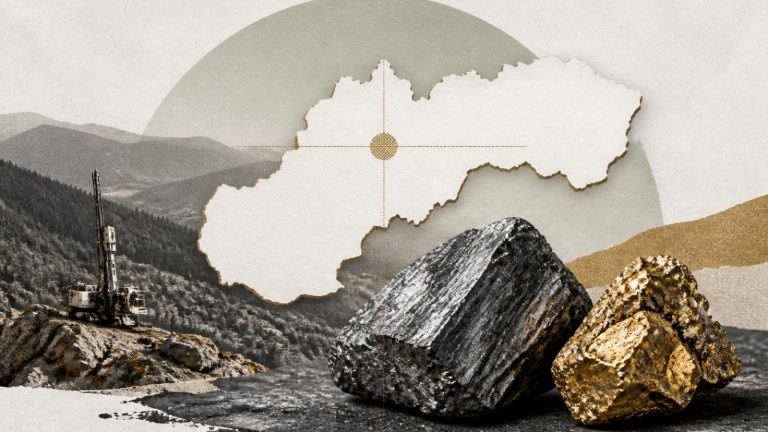
Vulcan Energy Resources has reported a 76% increase in lithium resources at its flagship Mannheim project in Germany, cementing its role in Europe’s quest for sustainable and domestic battery materials. The resource estimate now stands at 3.2 million tonnes of lithium carbonate equivalent (LCE), up from 1.83 million tonnes, following successful 3D seismic survey results.
Located in the Upper Rhine Valley Brine Field (URVBF), the Mannheim project uniquely combines geothermal energy generation with direct lithium extraction (DLE) from underground brine. This world-first dual-resource approach aims to deliver carbon-neutral lithium, a key ingredient for electric vehicle batteries and Europe’s green transition.
Vulcan also revealed its first-ever geothermal resource estimate, with recoverable energy of 548 petajoules, creating operational synergies such as shared drilling, reduced fossil fuel use, and district heating partnerships — notably with Germany’s MVV Energie AG.
CEO Cris Moreno framed the project as a “strategic decarbonisation engine”, noting its role in boosting Europe’s lithium autonomy while slashing the carbon footprint of battery production. He called it a “significant asset for Europe’s energy and critical raw materials security.”
The company is now preparing a scoping study that will guide commercial development timelines. The phased buildout strategy allows Vulcan to generate early cash flow, scale production, and supply up to half a million EV batteries annually — without relying on imports from geopolitically sensitive regions.
In contrast to traditional hard rock or evaporative lithium mining, Vulcan’s DLE method minimizes water use, emissions, and land disturbance, offering a compelling ESG case and potential pricing premium in the market.
The expansion also aligns with EU Critical Raw Materials Act priorities and opens the door for long-term partnerships with carmakers, battery producers, and clean energy utilities across Europe.