
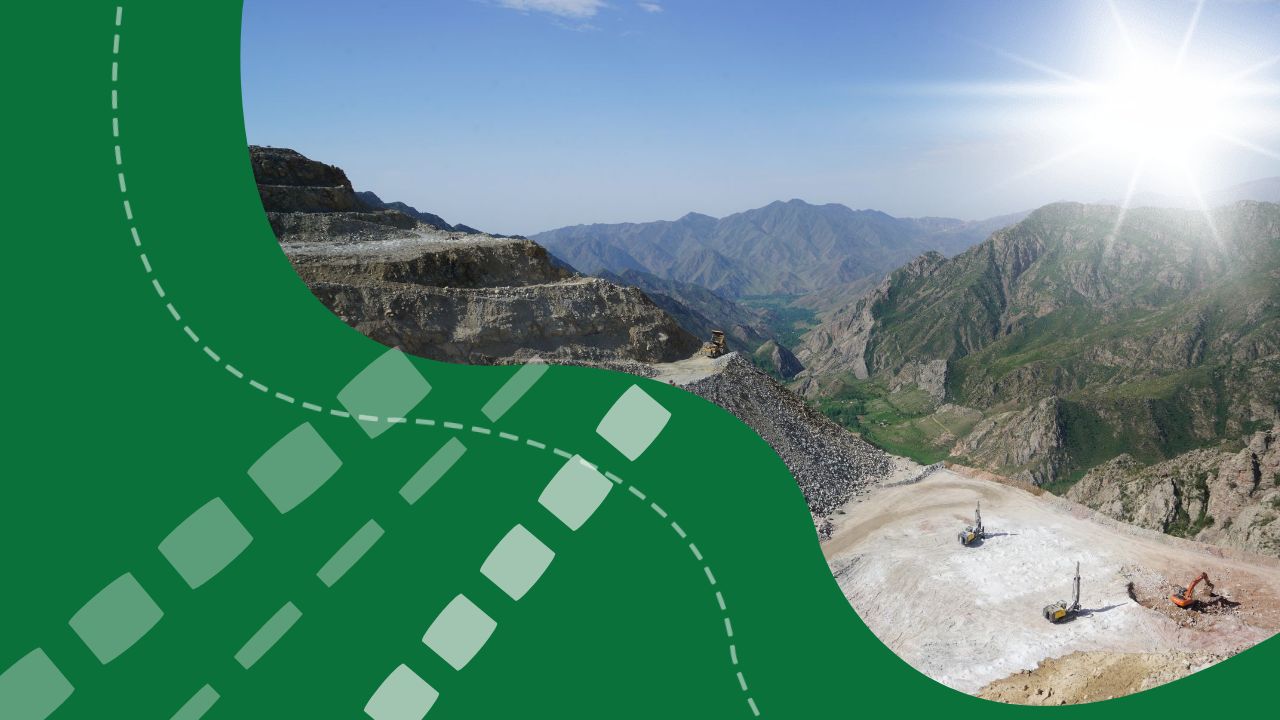
Thousands of metres below the flat plains of western Poland, in tunnels stretching for hundreds of kilometres under suffocating heat, workers at KGHM’s Polkowice-Sieroszowice mine are extracting what geologists increasingly describe as the metals of the future — copper and silver whose strategic importance to the global economy has never been greater.
Poland supplies between 40% and 50% of Europe’s copper, making it the continent’s dominant producer. KGHM, the state-backed metals giant that operates three underground mines alongside local smelters and operations in the Americas, ranked eighth globally in copper extraction volume last year, behind BHP, Glencore and Rio Tinto. It is also the world’s second-largest silver producer. In 2025, the group generated more than 36 billion zlotys ($9.7 billion) in revenue, producing 710,000 tonnes of copper and 1,347 tonnes of silver.
The timing of that output matters enormously. Global copper demand is forecast to rise by more than 40% by 2040, according to a 2025 UN report, driven by the accelerating electrification of transport, the buildout of renewable energy infrastructure and surging demand from artificial intelligence data centres and defence industries. An electric vehicle contains around 80 kilograms of copper compared with 20 kilograms in a conventional car, while a single wind turbine requires between four and ten tonnes per megawatt of installed capacity. The International Energy Agency projects that supply will lag 30% behind demand as early as 2035, a gap that could require 80 new mines and $250 billion in investment by 2030.
At KGHM’s Glogow smelter, ore is melted in furnaces at 1,200 degrees Celsius before emerging as 99.99% pure copper plates, each weighing more than 100 kilograms, which are then shipped to buyers around the world. The process underscores the vertically integrated nature of Poland’s copper industry — from extraction through refining to export — a model that gives KGHM and Poland unusual strategic weight within the European supply chain.
That weight is being felt at the geopolitical level. Copper now appears on the strategic critical metals lists of the European Union, the United States and China simultaneously. In July, US President Donald Trump announced a 50% tariff on copper, citing national security grounds and the metal’s centrality to Pentagon procurement. Prices surged 41.7% in 2025, hitting a record $14,527.50 per tonne in January of this year, and remain elevated at around $12,000 per tonne despite the Middle East conflict and global economic headwinds.
KGHM vice president for finance Piotr Krzyzewski framed Poland’s position in explicitly continental terms: “It’s no longer about the security of our country alone, but the security of all of Europe.” The group’s known resources are estimated to sustain operations for at least 40 years, independent of new exploration and concession activity. Water consumption at the scale required for deep mining remains a vulnerability as climate change intensifies drought risk across Central Europe.
