
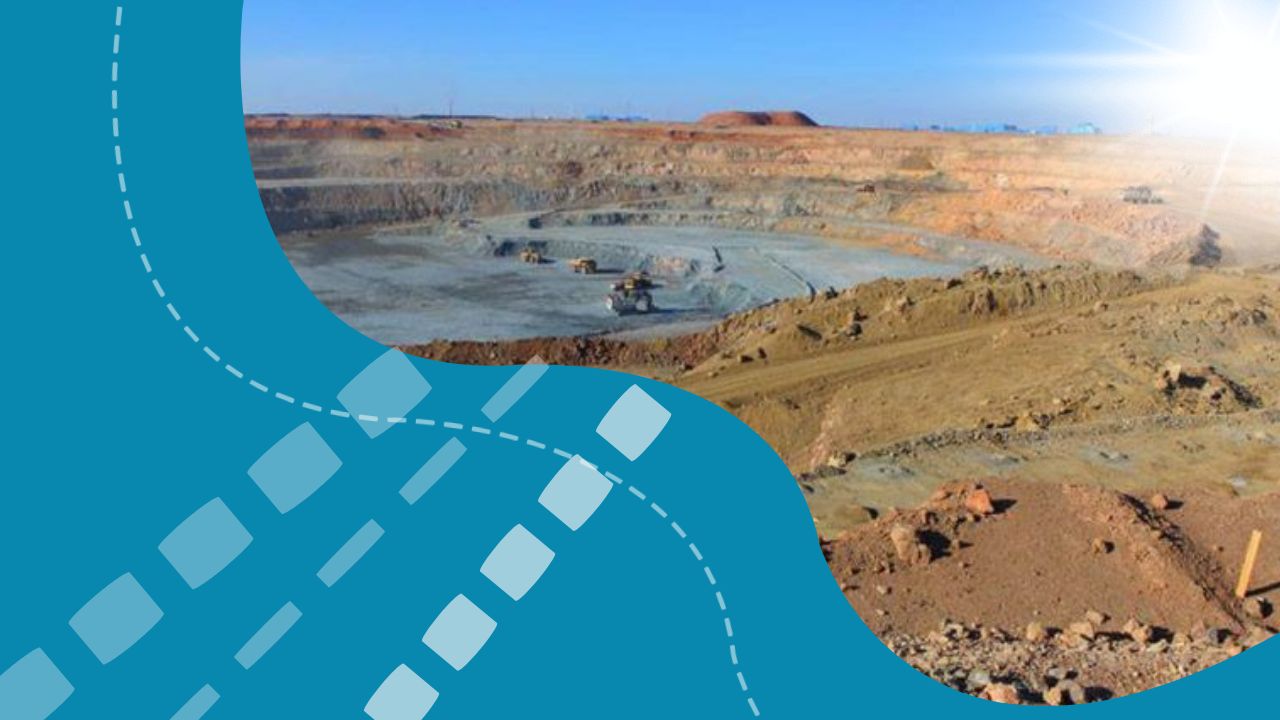
Ukraine’s Verkhovna Rada Committee on Economic Development has established a working group to address key operational challenges facing mining companies, with the situation at the Poltava Mining and Processing Plant — part of the Ferrexpo group — becoming the first issue under review.
According to Member of Parliament Oleksiy Movchan, the group held its initial meeting online with participation from representatives of the Ministry of Economy, the National Bank of Ukraine, the Ministry of Justice, the State Tax Service, industry associations, and management of the Poltava and Yeristovo mining and processing plants.
Several major issues affecting the Poltava operation were discussed, including electricity shortages and high power costs, blocked VAT refunds, and outstanding foreign currency payments owed by the parent company.
One of the most pressing challenges is the non-refund of value-added tax due to sanctions imposed on the company’s ultimate beneficiary, businessman Kostyantyn Zhevago.
Dmytro Mospan, manager of legal support for financial activities at Poltava Mining and Processing Plant, said more than UAH 3 billion in VAT refunds remains blocked for the company.
According to Mospan, the lack of access to these funds has forced the company to reduce the working week, cut social programmes, lower maintenance spending and scale back mining operations.
The State Tax Service said the situation is governed strictly by the Tax Code of Ukraine. Under Article 200.4, VAT refunds cannot be issued to taxpayers whose ownership structure includes individuals under sanctions.
Even in cases where courts have ruled in favour of the company, payments remain blocked. Funds are currently held by the State Treasury pending enforcement of court decisions but cannot be transferred due to provisions under Article 200.12 of the tax code.
One court ruling alone has frozen approximately UAH 230 million related to the plant.
The working group plans to further examine the company’s ownership structure at future meetings following additional reports from tax authorities.
Energy supply is another major challenge for the enterprise. Company representatives said limited availability of electricity and high power prices are making operations increasingly unprofitable. However, officials noted that electricity costs are a broader issue affecting Ukraine’s entire mining and metallurgical sector.
The matter is expected to be discussed further with the Ministry of Energy during upcoming sessions of the working group.
Movchan also said Ferrexpo AG owes the Poltava operation more than $500 million in unpaid foreign currency proceeds.
“This debt has been confirmed by international arbitration decisions and the figures have been verified by representatives of the National Bank,” he said.
The issue will also be examined in subsequent meetings.
Earlier this month, Ferrexpo announced it had restarted pellet production at the Poltava Mining and Processing Plant after suspending operations in January 2026. The restart was made possible by improvements in electricity supply and lower energy costs.
According to GMK Center, Ukraine’s iron ore exports fell by 8% in 2025 compared with the previous year, totaling 30.99 million tonnes. In January–February 2026 exports declined even further, dropping 40.9% year-on-year to 3.31 million tonnes, the lowest level recorded since 2023.
