A major rare earth discovery linked to Sweden’s long-established Kiruna iron mining district is positioning northern Europe as a potential future supplier of critical minerals essential for electric vehicles, renewable energy and advanced technologies.
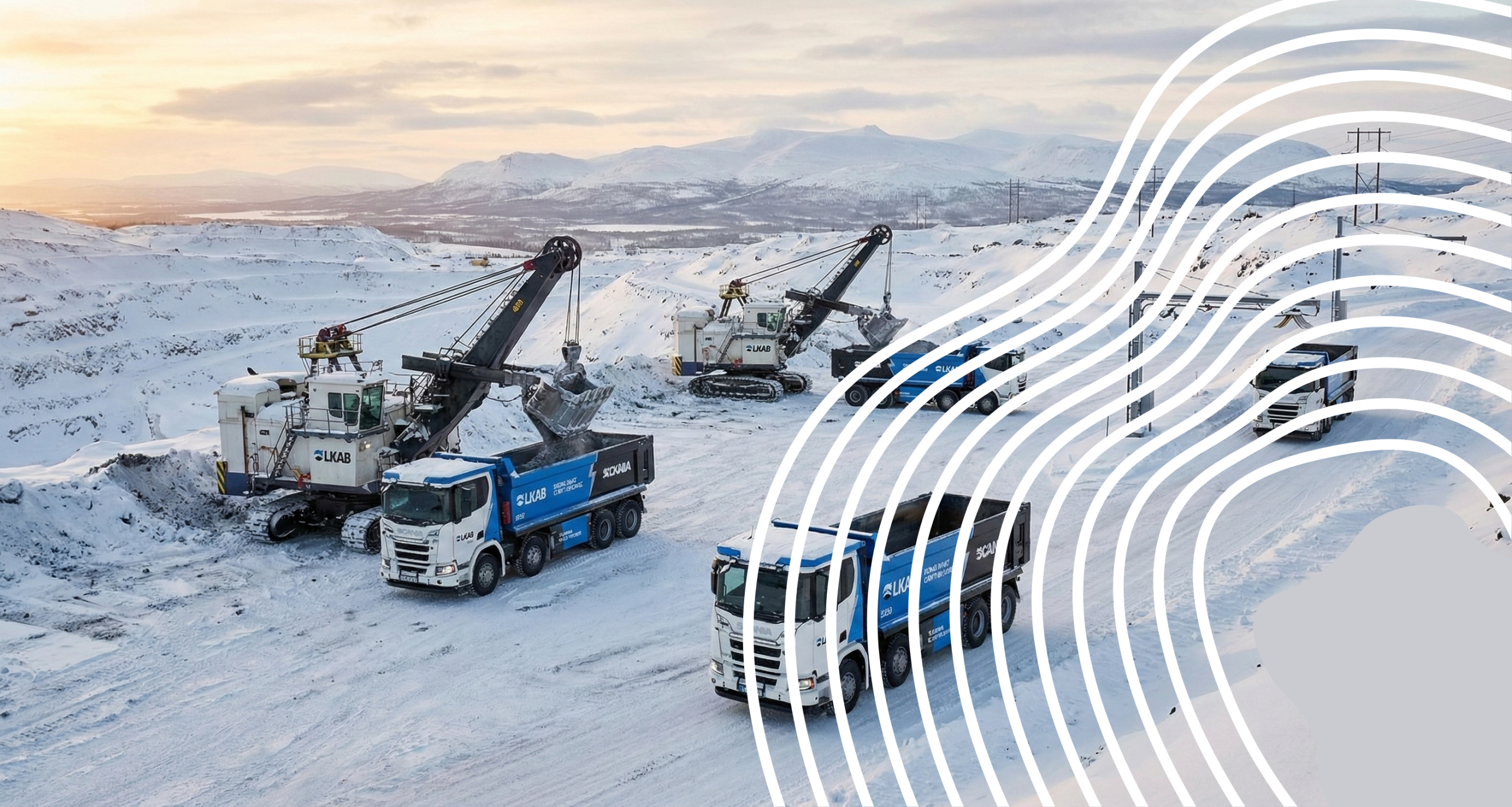
State-owned miner LKAB has confirmed that the Per Geijer deposit, located near Kiruna above the Arctic Circle, contains an estimated 2.2 million tonnes of rare earth oxides alongside substantial volumes of iron ore and phosphorus. The updated resource estimate places the site among the largest known rare earth deposits in Europe.
Rare earth elements are vital components in permanent magnets used in electric vehicle motors, wind turbines and consumer electronics. Europe currently relies heavily on imports, with China responsible for processing nearly 90 percent of global rare earth supply, creating strategic vulnerabilities across industrial and energy transition supply chains.
LKAB estimates that once fully developed, Per Geijer could eventually meet up to 18 percent of Europe’s rare earth demand. The deposit also contains approximately 1.2 billion tonnes of iron ore and phosphorus, with rare earth minerals primarily hosted in apatite, allowing recovery alongside existing iron mining operations.
The project forms part of a broader European effort to strengthen domestic raw material production under the EU Critical Raw Materials Act, which aims to reduce reliance on single external suppliers and expand regional mining and processing capacity by 2030. Per Geijer, together with LKAB’s related developments in Malmberget and Luleå, has received strategic project status, enabling accelerated permitting procedures and improved access to financing.
Rather than developing a standalone rare earth mine, LKAB plans an integrated industrial chain linking iron ore extraction in Kiruna with downstream processing facilities. Concentrates produced at Malmberget would be transported to a new industrial hub in Luleå, where hydrometallurgical processing will separate rare earth oxides, phosphoric acid for fertiliser production and gypsum by-products.
To support final separation of individual rare earth elements, LKAB has also invested in Norwegian technology company REEtec, which is developing alternative refining methods aimed at reducing dependence on Chinese processing technologies.
Despite its strategic importance, the project faces social and environmental challenges. Mining activity has already forced the gradual relocation of Kiruna due to ground subsidence, while Indigenous Sámi communities have raised concerns that expanded mining could disrupt traditional reindeer herding routes and fragile Arctic ecosystems.
LKAB emphasises that Per Geijer remains a mineral resource rather than an approved mining reserve, with further exploration, technical studies and permitting required. Industry analysts expect large-scale rare earth production to take between 10 and 15 years before material from the project reaches European manufacturing supply chains.
Even at full capacity, experts note that the deposit will complement rather than replace global supply networks. However, the presence of a major domestic rare earth source marks a significant shift in Europe’s long-term strategy to secure materials underpinning the green and digital transition.
