
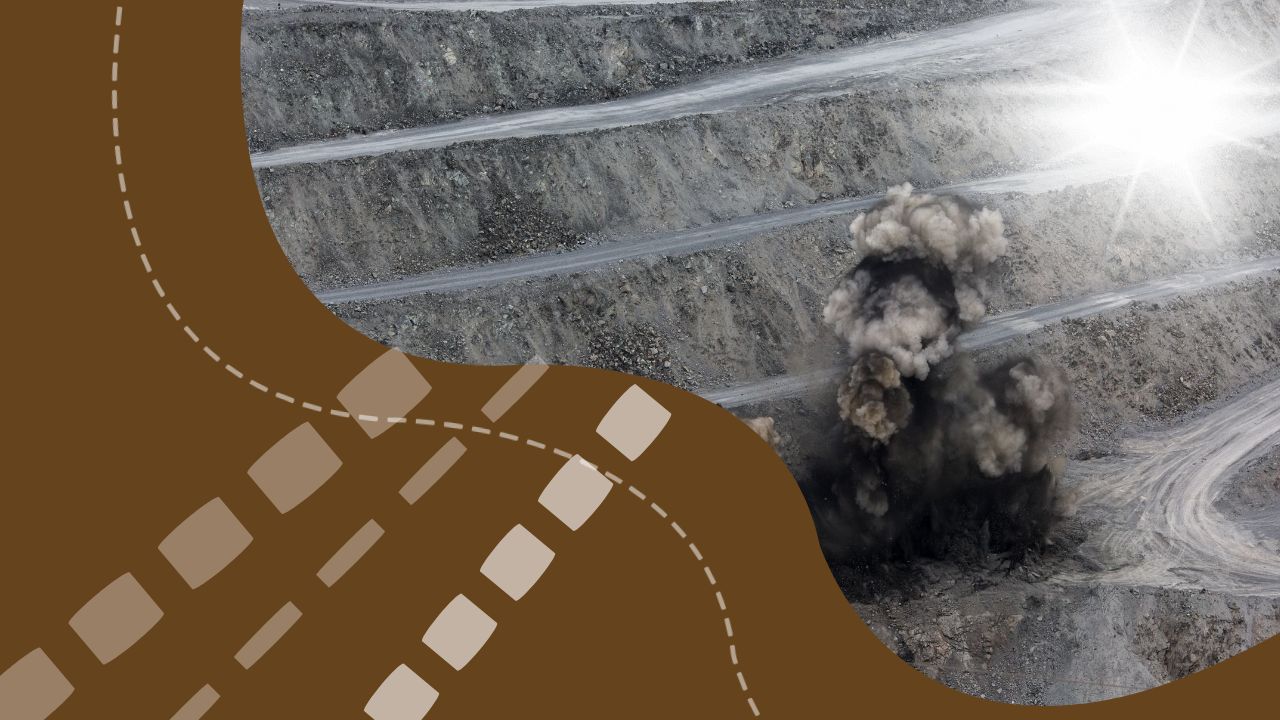
Poland’s coal heartland of Silesia is confronting the end of an industry that has shaped its economy and identity for centuries, as regional authorities, economists and labor unions work to manage a gradual transition away from coal. The region remains the European Union’s largest coal-mining area, but mine closures are accelerating as climate targets tighten and alternative energy sources expand.
At the center of the transition effort is a long-term plan designed to phase out coal while cushioning the social and economic impact on workers and communities. Developed over the past five years by economists, trade unions and government officials, the strategy sets 2049 as the final deadline for coal operations in Poland, significantly later than in many other EU states. The plan includes retraining programs, severance payments and early retirement options aimed at preventing mass unemployment and social collapse in mining towns.
The stakes are particularly high in cities such as Bytom, where coal remains deeply embedded in the local economy and poverty and depopulation have intensified as mines close. By contrast, Katowice, the regional capital, has attracted new industries in manufacturing, technology and services, highlighting a widening economic divide within Silesia. Since 2005, the region has lost about 55,000 mining jobs, but gained roughly 160,000 positions in other sectors, underscoring the uneven nature of the transformation.
Poland’s cautious approach reflects both historical experience and energy security concerns. Reliance on coal has long been seen as a buffer against dependence on foreign fuel supplies, particularly from Russia. However, rising electricity demand, EU emissions rules and the rapid growth of renewables, nuclear and alternative heating technologies are making the coal phaseout unavoidable.
Regional planners argue that slowing the transition allows the broader economy to absorb displaced workers and generate new employment. Proposals under discussion include deeper integration of Silesia’s cities into a single metropolitan area to reduce inequality and attract investment, rather than allowing struggling towns to hollow out.
While resistance remains among miners and local communities, many acknowledge that the debate has shifted from whether coal will end to how the region can exit the industry with the least social damage. Silesia’s transition is now being closely watched as a potential model for other coal-dependent regions in Central and Eastern Europe.
