Month: February 2024

  • Increased Extraction of Non-Ferrous and Precious Metals in Kazakhstan in January 2024

    Increased Extraction of Non-Ferrous and Precious Metals in Kazakhstan in January 2024

    According to the National Statistics Bureau report, the extraction of gold-bearing ore increased by 8.8% compared to the previous year, reaching 2.981 million tons. Gold production also grew, with companies producing just under 10 tons of unprocessed and semi-processed gold, as well as 5 tons of refined metal.

    The extraction of copper ores increased by 14.7%, reaching 12.88 million tons, and copper-zinc ores by 6.2%, reaching 55.6 thousand tons.

    Other metals, such as aluminum, lead, zinc, and silver, also showed increased production. These data indicate a significant growth in the extraction of non-ferrous and noble metals in the country.

  • В Казахстане имеется 15 месторождений редкоземельных металлов, стратегически важных компонентов электроники и экологически чистых энергетических технологий

    В Казахстане имеется 15 месторождений редкоземельных металлов, стратегически важных компонентов электроники и экологически чистых энергетических технологий

    В Казахстане имеется 15 месторождений редкоземельных металлов, стратегически важных компонентов электроники и экологически чистых энергетических технологий. В стране открываются перспективы на более тесное сотрудничество с международными партнерами в развитии этих месторождений, сообщил газете «Астана Таймс» председатель Национальной геологической службы Ерлан Галиев.

    Национальная геологическая служба была создана в 2022 году с целью оказания комплексной сервисной поддержки недропользователям.

    Поскольку мир находится в процессе перехода к чистым технологиям, спрос на редкоземельные металлы растет. По оценкам Международного энергетического агентства (МЭА), спрос на редкоземельные элементы в 2040 году может вырасти в три-семь раз, чем сегодня, в зависимости от выбора ветряных турбин и силы политической поддержки.

    Редкоземельные металлы относятся к группе из 17 элементов таблицы Менделеева, в которую входят 15 лантаноидов, а также скандий и иттрий. Они используются в качестве компонентов в высокотехнологичных устройствах, включая смартфоны, цифровые камеры, жесткие диски компьютеров, люминесцентные и светодиодные (LED) лампы и компьютерные мониторы. Они также используются в экологически чистой энергетике и даже в оборонных технологиях.

    «В промышленности редкоземельные металлы применяются как в смешанном виде, так и по отдельности, преимущественно с оксидами металлов. В основном они используются в качестве легирующих добавок в различные стали и сплавы, геттеров [газопоглотителей] в электронных устройствах, производстве магнитных материалов и воспламенительных смесей, служат катализаторами и материалами для хранения водорода в производстве специальных видов стекла, керамики и в ядерные технологии», — сказал Галиев.

    Сектор возобновляемых источников энергии также заинтересован в обеспечении стабильных цепочек поставок редкоземельных минералов и диверсификации источников запасов.


    Казахстан имеет огромный потенциал в добыче редкоземельных металлов.

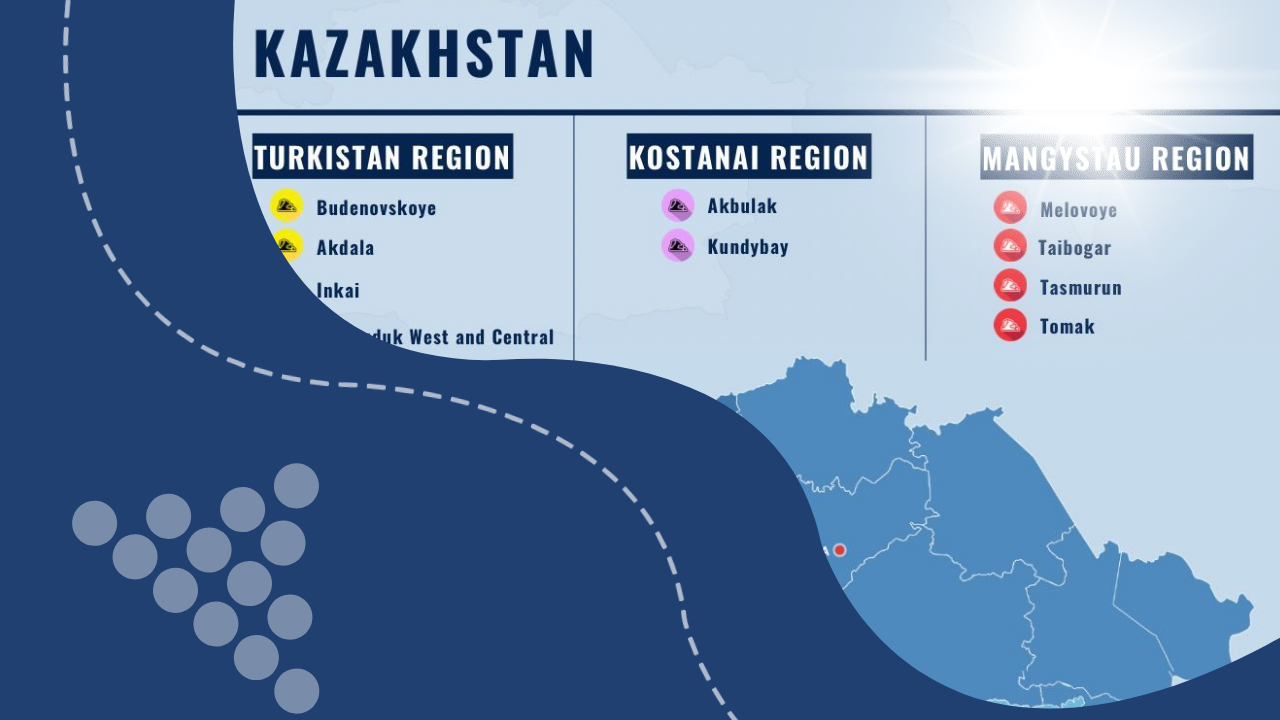
    Пятнадцать зарегистрированных в республике редкоземельных месторождений расположены в трех регионах Казахстана: Туркестанской, Костанайской и Мангистауской.

    Месторождения в Туркестанской области – Буденовское, Акдала, Инкай, Канжуган, Мойынкум Центральный, Мынкудук Западно-Центральный и Джамчи. В Костанайской области расположены Акбулак и Кундыбай, а в Мангистауской области — Меловое, Тайбогар, Тасмурун, Томак и хранилища техногенных минеральных образований.

    Данные Национальной геологической службы также указывают на то, что Казахстан обладает сырьевой базой редких металлов, в том числе вольфрама с запасами 2,2 миллиона тонн, молибдена с 1 миллионом тонн, лития с 75 600 тоннами, тантала с 4 600 тоннами, ниобия с 28 100 тоннами, бериллия с 58 000 тонн и другие.

    Редкие металлы — это более широкая категория, включающая элементы, которые редко встречаются в земной коре или имеют ограниченное коммерческое использование. Он включает в себя множество элементов, некоторые из которых не могут быть отнесены к редкоземельным металлам.

    Несмотря на свое название, редкоземельные элементы не являются особенно редкими. Что делает их редкими, так это то, что их едва ли можно найти в концентрациях и количествах, достаточно значительных, чтобы оправдать их коммерческую добычу.

    Что касается редких металлов, то в Казахстане имеется шесть месторождений оксида лития. Однако Галиев отметил, что перспективы разработки этих месторождений невелики из-за отсутствия эффективных технологий переработки и низкой рентабельности разработки.

    Имеются также два месторождения медистых песчаников, содержащих оксид осмия, в Жезказгане и Итаузе в Карагандинской области.

    «На этих месторождениях попутную добычу медьсодержащих руд с осмием ведет «Казахмыс». Производством осмия-187 управляет государственное предприятие “Жезказганредмет”, – сказал он.

    Кроме того, в стране имеется 17 месторождений танталсодержащих руд, в том числе 13 месторождений попутного ниобия. Около 80% запасов составляют месторождения редкометальных пегматитов в Восточном Казахстане и месторождение Сарымбет в Северном Казахстане.

    Стратегическое значение

    В своем обращении к нации в сентябре 2023 года президент Касым-Жомарт Токаев заявил, что разработка месторождений редких и редкоземельных металлов должна стать приоритетной задачей. Он назвал эти металлы «новой нефтью».

    «Страны, добившиеся успеха в этой области, зададут курс технологического прогресса во всем мире», — сказал он тогда.

    Казахстанский эксперт в области геологии и недропользования Бакыт Муратов назвал редкие и редкоземельные металлы «витаминами металлургического производства».

    Муратов также видит резкий рост мирового спроса на редкие и редкоземельные металлы в последние годы. Высококачественные низколегированные ниобиевые и редкоземельные стали важны для транспортного машиностроения, нефтегазодобывающей промышленности и связанных с ними трубопроводных систем во всем мире.

    «Например, среди специалистов и ученых не секрет, что каждая тонна ниобия, введенная в низкоуглеродистые стали для транспортных и строительных изделий, позволяет сэкономить 200-300 тонн стали и снизить вес конструкции на 30-40% . При этом срок службы соответствующей продукции увеличивается в 1,5-2 раза», — рассказал он The Asia Times.

    Однако Муратов признает, что производство редких металлов, редкоземельных металлов и их соединений в Казахстане можно охарактеризовать как не реализующее свой потенциал. По его словам, наблюдается «трехдесятилетняя стагнация».

    По его словам, Казахстану необходимо сосредоточиться на развитии геологии, разведке рудных месторождений и перспективных площадей, новых технологиях добычи и обогащения редких и редкоземельных металлов, научных исследованиях и разработках, а также подготовке специалистов.

    Геополитический фактор редкоземельных металлов

    По данным вашингтонской компании Benchmark Minerals Intelligence, Китай является крупнейшим в мире производителем и переработчиком редкоземельных металлов. Согласно данным Benchmark, в 2023 году на Китай будет приходиться около 71% добычи празеодима-неодима (PrND) и 86% оксидов PrNd.

    Роль Китая в формировании мировых цен на редкоземельные элементы и цепочек поставок неоспорима. Например, в декабре он объявил о запрете, который распространяется на критически важные технологии добычи и разделения редкоземельных элементов, а также на производство определенных типов магнитов, что еще больше укрепляет позицию Китая как фактической монополии.

    Страны во всем мире, особенно те, которые сильно зависят от этих полезных ископаемых, включая Европейский Союз, заинтересованы в обеспечении дополнительных источников редкоземельных элементов, чтобы уменьшить зависимость от Китая.

    В аналитической записке, опубликованной в июне 2022 года, Центр Каспийской политики объясняет, что этот шаг вызван не только геополитическими причинами, но и стремлением избежать перебоев в поставках, которые возникли с началом пандемии COVID-19.

    «Поиск партнерства в богатой ресурсами Центральной Азии может стать уникальной возможностью для США и других стран получить новые источники редкоземельных минералов и тем самым улучшить свою экономическую и национальную безопасность. Для стран региона добыча редкоземельных элементов представляет собой важную коммерческую возможность», — пишут аналитики центра.

    Но чтобы эта коммерческая возможность стала реальностью, потребуются «важные изменения в политике, мышлении и способах ведения бизнеса».

    «Одной хорошей геологии недостаточно», — говорится в докладе.

    Сотрудничество с международными партнерами

    Тема редкоземельных металлов стала более актуальной в дискуссиях между казахстанскими чиновниками и их зарубежными партнерами. Поскольку в ближайшие годы ожидается рост спроса на редкие металлы, официальные лица утверждают, что Казахстан может удовлетворить этот спрос.

    На казахстанско-германском бизнес-форуме в июне казахстанская корпорация Creada и немецкая HMS Bergbau договорились об инвестициях и разработке проекта по разведке, добыче и переработке комплексных редкометальных руд в восточном Казахстане. Запланированный проект обойдется в 200 миллионов долларов.

    Редкоземельные элементы и, в более широком смысле, критически важные минералы также находятся на повестке дня сотрудничества между Казахстаном и ЕС. ЕС полагается на Китай для удовлетворения 98% своих потребностей в поставках и переработке редкоземельных металлов, а также в производстве постоянных магнитов.

    Этим обсуждениям способствовало соглашение о стратегическом партнерстве в области сырья, аккумуляторов и возобновляемых источников энергии, подписанное Казахстаном и ЕС в ноябре 2022 года.

    «Для диверсификации источников критически важного сырья страны, нуждающиеся в редких и редкоземельных металлах, наладили сотрудничество со странами-производителями, в том числе с Казахстаном. Казахстан получил широкое признание, сформировав партнерские отношения с ЕС, Великобританией, США, Францией и Кореей», — сказал Галиев.

    Данное сотрудничество, отметил он, направлено на привлечение инвестиций в разведку месторождений и техногенных минеральных образований, передачу технологий комплексной переработки трудноизвлекаемых руд и развитие производства продукции редкоземельных и редких металлов.

    Расширение геологоразведочных работ

    Эти усилия являются частью более широких усилий страны по расширению геологоразведочных работ. Это также связано с поручением президента Касым-Жомарта Токаева увеличить площадь геолого-геофизических исследований к 2026 году как минимум до 2,2 миллиона квадратных километров.

    Галиев подчеркнул, что проводятся первые этапы геологоразведочных работ с целью привлечения частных инвестиций в недропользование. К ним относятся углубленное изучение площадей, геологические и гидрогеологические изыскания, геолого-минералогическое и глубинное геологическое картирование масштаба 1:200 000, а также поисковые и тематические работы.

    Ожидается, что общий охват геолого-геофизических исследований страны достигнет 2,01 миллиона квадратных километров в 2024 году, 2,038 миллиона квадратных километров в 2025 году и 2,21 миллиона квадратных километров в 2026 году.

    По словам Галиева, переход на цифровой формат, создание национальной геологической базы данных — «вопрос времени, финансовых и кадровых ресурсов».

    «Известные крупные корпорации в стране сейчас оцифровывают исторические материалы. Вопрос о передаче этих материалов государству на сегодняшний день остается открытым», — добавил он.


    Текст переведен автоматически с помощью Google Translate.
  • Kazakhstan Boasts 15 Rare Earth Deposits, Eyes for Deeper Exploration

    Kazakhstan Boasts 15 Rare Earth Deposits, Eyes for Deeper Exploration

    Kazakhstan has 15 rare earth deposits, strategically important components of electronics and clean energy technology, and eyes for closer cooperation with international partners in uncovering the ample opportunities these deposits present, Chairman of the National Geological Service Yerlan Galiyev told The Astana Times.

    The National Geological Service was created in 2022 with a goal to provide comprehensive service support to subsoil users.

    As the world is in the midst of a transition to clean technology, demand for rare earth metals is growing. The International Energy Agency (IEA) estimates rare earth elements may see three to seven times higher demand in 2040 than today, depending on the choice of wind turbines and the strength of policy support.

    Rare earth metals refer to a group of 17 elements in the periodic table, which include 15 lanthanides, as well as scandium and yttrium. They are used as components in high-technology devices, including smartphones, digital cameras, computer hard disks, fluorescent and light-emitting-diode (LED) lights and computer monitors. They are also used in clean energy and even defense technologies.

    “In industry, rare earth metals are used both in mixed form and individually, with metal oxides predominantly employed. They are primarily used as alloying additives in various steels and alloys, getters [gas absorbers] in electronic devices, manufacturing magnetic materials and igniter mixtures, serving as catalysts, and hydrogen storage materials in the production of special types of glass, ceramics, and in nuclear technology,” said Galiyev.

    The renewable energy sector also has a keen interest in ensuring stable supply chains for rare earth minerals and diversifying sources of reserves.

    Fifteen rare earth deposits registered in the state are spread across three regions of Kazakhstan: Turkistan, Kostanai, and Mangystau.

    Kazakhstan has a huge potential when it comes to mining rare earth metals.

    Deposits in the Turkistan Region are Budenovskoye, Akdala, Inkai, Kanzhugan, Moiynkum Central, Mynkuduk West and Central and Jamchi. In the Kostanai Region, there are Akbulak and Kundybay, and in the Mangystau Region, there are Melovoye, Taibogar, Tasmurun, Tomak and storage of technogenic mineral formations.

    Data from the National Geological Service also indicates Kazakhstan possesses a raw material base of rare metals, including tungsten with 2.2 million tons of reserves, molybdenum with one million tons, lithium with 75,600 tons, tantalum with 4,600 tons, niobium with 28,100 tons, beryllium with 58,000 tons, among others.

    Rare metals is a broader category that includes elements that are rare in the Earth’s crust or have limited commercial uses. It encompasses a variety of elements, some of which may not be classified as rare earth metals.

    Despite their name, rare earths are not particularly scarce. What makes them rare is that they are hardly found in concentrations and quantities significant enough to justify their commercial extraction.

    In terms of rare metals, Kazakhstan boasts six lithium oxide deposits. However, Galiyev noted that the prospects for the development of these deposits are not high due to the absence of efficient processing technologies and the low profitability of development.

    There are also two deposits of cupriferous sandstones containing osmium oxide in Zhezkazgan and Itauz in the Karagandy Region.

    “At these deposits, the by-product extraction of copper-containing ores with osmium is conducted by Kazakhmys. The production of osmium-187 is managed by the Zhezkazganredmet state enterprise,” he said.

    Besides this, the nation also has 17 deposits of tantalum-containing ores, including 13 deposits with associated niobium. Nearly 80% of the reserves are deposits of rare-metal pegmatites in eastern Kazakhstan and the Sarymbet deposit in northern Kazakhstan.

    Strategic importance

    In his address to the nation in September 2023, President Kassym-Jomart Tokayev said developing deposits of rare and rare-earth metals should be a priority task. He described these metals as a “new oil.”

    “Countries that succeed in this area will set the course for technological progress worldwide,” he said back then.

    Kazakh expert in geology and subsoil use Bakyt Muratov said rare and rare-earth metals are the “vitamins of metallurgical production.”

    Muratov also sees a sharp increase in global demand for rare and rare-earth metals in recent years. High-quality low-alloy niobium and rare-earth steels are important for the transport engineering sector, oil and gas extraction industries, and the associated pipeline systems worldwide.

    “For instance, it is not a secret among specialists and scientists that each ton of niobium introduced into low-carbon steels for transportation and construction products allows for saving 200-300 tons of steel and reducing the weight of the structure by 30-40%. Moreover, the service life of the corresponding products increases by 1.5-2 times,” he told The Astana Times.

    However, Muratov acknowledges that the production of rare metals, rare earths, and their compounds in Kazakhstan can be characterized as not living up to their potential. He said there has been a “three-decade stagnation.”

    He said Kazakhstan needs to focus on the development of geology, exploration of ore deposits and prospective areas, new technologies for the extraction and enrichment of rare and rare-earth metals, research and development, as well as the training of professionals.

    Geopolitical factor in rare earth metals

    According to Washington-based Benchmark Minerals Intelligence, China is the world’s top miner and processor of rare earths. China is projected to be around 71% in mined praseodymium-neodymium (PrND) and 86% in PrNd oxides in 2023, according to Benchmark data.

    China’s role in shaping global prices for rare earths and supply chains is undeniable. As an example, it announced a ban in December that covers critical technologies for extracting and separating rare earths, as well as for producing specific types of magnets, further consolidating China’s position as a virtual monopoly.

    Countries worldwide, especially those highly dependent on these minerals, including the European Union, have a vested interest in securing additional sources of rare earths to reduce reliance on China.

    In a policy brief released in June 2022, the Caspian Policy Center explains this move doesn’t stem from geopolitical reasons only, but also to avoid supply disruptions that came with the onset of the COVID-19 pandemic.

    “Seeking partnerships in resource-rich Central Asia could be a unique opportunity for the United States and others to attain new sources for rare earth minerals and thereby improve their economic and national security. For countries in the region, rare earth elements extraction represents an important commercial opportunity,” write the center’s analysts.

    But for that commercial opportunity to become a reality, it will require “important changes in policies, thinking, and ways of doing business.”

    “Good geology alone is not enough,” reads the report.

    Cooperation with international partners

    The topic of rare earth metals has become more prominent in discussions between Kazakh officials and their foreign partners. As the demand for rare metals is expected to grow in the coming years, officials assert Kazakhstan can meet this demand.

    At the Kazakh-German Business Forum in June, Kazakhstan’s Creada Corporation and Germany’s HMS Bergbau agreed on investments and the development of a project for the exploration, extraction, and processing of complex rare metal ores in eastern Kazakhstan. The planned project will cost $200 million.

    Rare earths, and more broadly critical raw minerals, are also on the agenda in the cooperation between Kazakhstan and the EU. The EU relies on China to meet 98% of its needs of supply and refining of rare earths, as well as manufacturing of permanent magnets.

    Facilitating these discussions was a strategic partnership agreement in raw materials, batteries and renewable energy signed by Kazakhstan and the EU in November 2022.

    “To diversify sources of critical raw materials, countries in need of rare metals and rare earth metals established cooperation with producer countries, including Kazakhstan. Kazakhstan has gained widespread recognition by forming partnerships with the EU, the United Kingdom, the United States, France, and Korea,” said Galiyev.

    This collaboration, he noted, aims to attract investments in the exploration of deposits and technogenic mineral formations, transfer technologies for comprehensive processing of hard-to-extract ores and develop the production of products of rare earths and rare metals.

    Expanding geological exploration

    These efforts are part of the nation’s broader efforts to expand geological exploration. It also stems from President Kassym-Jomart Tokayev’s directive to increase the area of geological and geophysical exploration to at least 2.2 million square kilometers by 2026.

    Galiyev stressed that the early stages of geological exploration activities are underway to attract private investments in subsoil use. These include in-depth studies of areas, geological and hydrogeological surveys, geological-mineralogical and deep geological mapping at 1:200,000 scale, as well as prospecting and thematic work.

    The total coverage of the country’s geological and geophysical exploration is expected to reach 2.01 million square kilometers in 2024, 2.038 million square kilometers in 2025, and 2.21 million square kilometers in 2026.

    According to Muratov, the transition to a digital format, the creation of a national geological database, is a “matter of time, financial, and staff resources.”

    “Well-known large corporations in the country are currently digitizing historical materials. The question of transferring these materials to the state remains open as of today,” he added.

    He went on to assert that Kazakhstan needs a separate ministry of geology and subsoil protection, a comprehensive reform to get rid of unscrupulous investors and develop a long-term state funding program for scientific research on rare and rare-earth metals.

  • Казахстан производит более половины сырья, необходимого для экономики ЕС

    Казахстан производит более половины сырья, необходимого для экономики ЕС

    Казахстан производит и перерабатывает 19 видов жизненно важного сырья, включенных в список критически важного сырья для Евросоюза (ЕС), сообщили 6 февраля в Минпромстроя. В список, обновленный ЕС в 2023 году, вошли 34 важнейших сырья. материалы.

    Сырье из Казахстана также экспортируется в Китай, ЕС, Южную Корею, Великобританию, США и Россию.

    “Казахстанские производители поставляют на европейский рынок металлическую и химическую продукцию, такую ​​как бериллий, тантал, титан, метаванадат аммония и фосфор”, – говорится в сообщении министерства.

    Казахстан также входит в десятку крупнейших стран мира по производству меди. Казахстан может похвастаться возможностями создания кластера по производству аккумуляторных материалов, таких как никель, кобальт, марганец и литий.

    Редкие и редкоземельные металлы считаются важнейшими видами сырья, востребованными ведущими отраслями мировой экономики, необходимыми для перехода к зеленой энергетике, развития цифровых технологий, оборонной, аэрокосмической, медицинской и других высокотехнологичных сфер.

    «Одной из основных проблем в отрасли добычи редких металлов является зависимость от импортного сырья. Кроме того, развитию производства необходимого сырья препятствует износ технологий и оборудования на предприятиях”, – отметили в министерстве.

    Эти вопросы обозначены в комплексном плане развития отрасли редкоземельных металлов на 2024-2028 годы, который был одобрен правительством 28 декабря.

    Согласно документу, основными проблемами отечественной редкометальной и редкоземельной промышленности являются низкий уровень геологоразведки, низкий уровень оценки и промышленной эксплуатации техногенных минеральных образований, износ основных фондов предприятий, неразвитость нормативно-правовая база отрасли.

    В министерстве отметили, что прорабатывают задачи на ближайшие пять лет. Всего в республике зарегистрировано 15 редкоземельных месторождений, расположенных в трех регионах Казахстана: Туркестанской, Костанайской и Мангистауской. Данные Национальной геологической службы также указывают на то, что Казахстан обладает сырьевой базой редких металлов, в том числе вольфрама с запасами 2,2 миллиона тонн, молибдена с 1 миллионом тонн, лития с 75 600 тоннами, тантала с 4 600 тоннами, ниобия с 28 100 тоннами, бериллия с 58 000 тонн и другие.

    Министр промышленности и строительства Казахстана Канат Шарлапаев возглавил казахстанскую делегацию на Неделе сырья в Брюсселе в ноябре. Выступая на панельной сессии в Брюсселе, Шарлапаев заявил, что критические материалы представляют собой план новой главы в сотрудничестве Казахстана и ЕС.

    «Наша страна богата не только минеральной базой. Он был надежным партнером ЕС, внося особый вклад в его энергетическую безопасность посредством поставок нефти и в сектор ядерной энергетики посредством поставок урана. Теперь Казахстан готов и намерен интегрироваться в цепочку создания стоимости критически важных материалов, которые были правильно названы критически важными для нашего перехода к «зеленой» энергетике», — сказал он тогда.

    __________________

    Фото предоставлено: Strategy2050.kz.

    Текст переведен автоматически с помощью Google Translate.
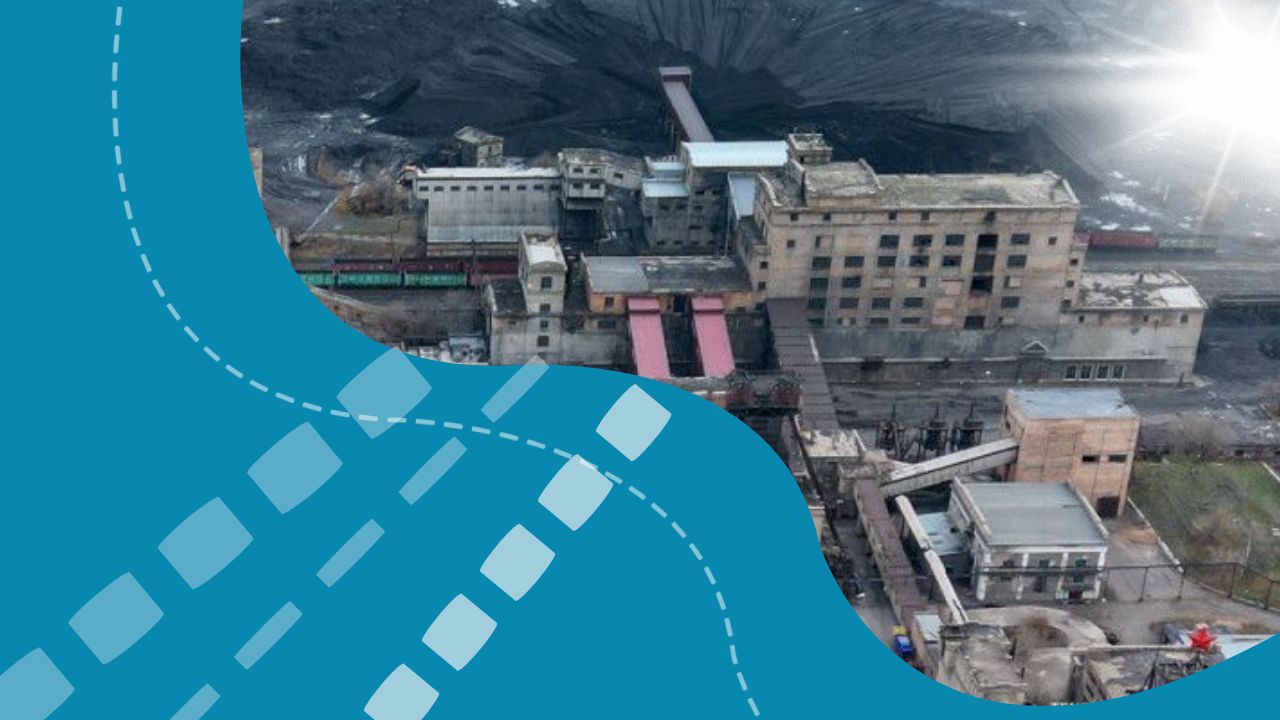
  • Kazakhstan Produces Over Half of Raw Materials Critical for EU Economy

    Kazakhstan Produces Over Half of Raw Materials Critical for EU Economy

    Kazakhstan produces and processes 19 types of essential raw materials included in the list of critical raw materials for the European Union (EU), reported the Ministry of Industry and Construction on Feb. 6. The list updated by the EU in 2023 includes 34 critical raw materials.

    The raw materials from Kazakhstan are also exported to China, the EU, South Korea, the United Kingdom, the United States and Russia.

    “Kazakhstan’s producers supply the European market with metal and chemical products such as beryllium, tantalum, titanium, ammonium metavanadate, and phosphorus,” said the ministry in a statement.

    Kazakhstan is also among the world’s top 10 copper-producing countries. Kazakhstan boasts opportunities to establish a cluster for battery material production, such as nickel, cobalt, manganese, and lithium.

    Rare metals and rare earth metals are considered critical types of raw materials in demand by leading sectors of the global economy, necessary for the transition to green energy, the development of digital technologies, defense, aerospace, medical, and other high-tech areas.

    “One of the main problems in the rare metals mining industry is the dependence on imported raw materials. Additionally, the development of the production of essential raw materials is hindered by the wear and tear of technologies and equipment at enterprises,” said the ministry.

    These issues are outlined in the comprehensive plan for the development of the rare earth metals industry for 2024-2028, which was approved by the government on Dec. 28.

    According to the document, the main problems of the domestic rare metals and rare earth metals industry are low level of geological exploration, low level of assessment and commercial exploitation of technogenic mineral formations, wear and tear of the main assets of enterprises, and underdevelopment of the regulatory framework for the industry.

    The ministry noted it is working on the tasks for the next five years. Overall, 15 rare earth deposits registered in the state are spread across three regions of Kazakhstan: Turkistan, Kostanai, and Mangystau. Data from the National Geological Service also indicates Kazakhstan possesses a raw material base of rare metals, including tungsten with 2.2 million tons of reserves, molybdenum with one million tons, lithium with 75,600 tons, tantalum with 4,600 tons, niobium with 28,100 tons, beryllium with 58,000 tons, among others.

    Kazakhstan’s Minister of Industry and Construction Kanat Sharlapaev headed the Kazakh delegation at the Raw Materials Week in Brussels in November. Speaking at a panel session in Brussels, Sharlapaev said critical materials represent a blueprint for a new chapter in the Kazakhstan-EU cooperation.

    “Our country is not just rich in terms of the mineral base. It has been a reliable partner for the EU, particularly contributing to its energy security through oil supplies and to the nuclear energy sector through uranium supplies. Now, Kazakhstan is ready and committed to integrate itself with the value chain of critical materials, which was aptly named critical for our green energy transition,” he said back then.

    __________________

    Photo credit: strategy2050.kz.

  • EU Postpones Implementation of Corporate Transparency Rules for Mining, Oil, and Gas Companies

    EU Postpones Implementation of Corporate Transparency Rules for Mining, Oil, and Gas Companies

    The European Parliament and the Council of EU member states agreed on Wednesday evening (7 February) to grant a two-year delay for sector-specific standards under the Corporate Sustainability Reporting Directive (CSRD), offering a break to mining and fossil fuel firms targeted by the upcoming transparency rules.

    The deal reached on Wednesday will give companies more time to prepare for the sectorial reporting rules, the Council said in a statement.

    Those will be adopted in June 2026, two years later than originally planned, it added.

    Belgium, the current holder of the rotating EU Council presidency, welcomed the agreement, saying it fits with its agenda of “boosting European competitiveness” and “reducing the administrative burden on companies”.

    “Today’s agreement limits reporting requirements to the minimum and gives companies time to implement the European Sustainability Reporting Standards (ESRS) and prepare for the sectorial European Sustainability Reporting Standards,” said Vincent Van Peteghem, Belgian deputy prime minister and minister of finance.

    The EU’s Corporate Sustainability Reporting Directive (CSRD), in force since January last year, requires listed companies to disclose information about the social and environmental risks associated with their activities.

    Since January this year, the first set of general reporting standards – the European Sustainability Reporting Standards (ESRS) – became applicable to large companies across all economic sectors.

    Those were expected to be followed by specific reporting standards for sectors like oil and gas, mining, road transport, textiles, as well as agriculture and fishing.

    The sector-specific standards had already been drafted by a technical body advising the European Commission, the European Financial Reporting Advisory Group (EFRAG), and were almost ready for publication, Euractiv understands.

    But in October last year, the Commission proposed to postpone them for two years, based on a recommendation from EFRAG.

    The move caused concern among a group of 21 academics, who wrote a letter to the European Commission before Wednesday’s meeting to express their concerns.

    “As the academic community, we are worried by the current proposal to postpone the sector standards by two years,” reads the letter, penned by Prof. Dr. Frank Schiemann and Dr. Blerita Korca from the University of Bamberg in Germany, as well as Assoc. Prof. Dr. Florian Habermann from Radboud University Nijmegen in the Netherlands.

    “This suggestion jeopardises not only the immediate benefits of sector standards for sustainable development and the financial sector but also deprives companies of guidance for their reporting obligation under the CSRD,” they warned.

    The letter was signed by 21 academics from across Europe, including professors from the University of Groningen, the University of Trento, the Krakow University of Economics, and the EM Strasbourg Business School.

    In the letter, the academics underlined the immediate benefits brought by greater transparency in corporate reporting, pointing out that “mine accidents have decreased after a disclosure mandate” that was issued by the US Securities and Exchange Commission.

    “Companies have to start reporting now and sector standards can be crucial to support their materiality assessment,” they argued, urging the Commission to adopt the standards that had already been largely drafted by EFRAG.

    “The prompt release of standards for sectors with significant impact is crucial. By 2026, all high-impact sectors identified by EFRAG should be comprehensively addressed,” the academics wrote, suggesting to use the two-year delay as an opportunity to implement pilot projects and “address sector-specific issues such as materiality analyses or transition pathways and plans”.

    In the European Parliament, meanwhile, some rejoiced at the two-year postponement of rules.

    “Everyone has finally understood that companies cannot be overloaded with new standards every year,” said Axel Voss, a German lawmaker from the centre-right European People’s Party (EPP).

    “They have been putting up with too much bureaucracy in years of crisis, from COVID to inflation. There is also a lack of quality if you don’t take the time to develop such standards in a practical way,” he said.

    Others, however, pointed to wording added to Wednesday’s agreement, which says the two-year delay “does not prevent the Commission from publishing the sector specific sustainability reporting standards” before 2026.

    “The Commission shall endeavour to adopt eight of the sustainability reporting standards … as soon as each is ready,” says the revised Article 29b(1) of the directive, according to the compromise text adopted on Wednesday.

    “We had to fight hard against EPP to make sure that we don’t lose time on sectors for which the standards are almost ready,” said Pierre Karleskind, a centrist MEP from the Renew Europe political group in Parliament.

    “Oil, gas and mining are high-risk sectors, and with this deal, they will have to start reporting earlier than other sectors,” he told Euractiv in emailed comments.

    Under the Corporate Sustainability Reporting Directive (CSRD), companies with over 250 staff and a turnover of €40 million have to disclose environmental, social, and governance (ESG) risks, as well as the impact of their activities on the environment and people.

    Smaller listed companies are subject to a lighter set of reporting standards, from which they can opt out until 2028.


  • EU’s Initiative to Curtail Dependency: Critical Raw Materials Act Aims for Reduction

    EU’s Initiative to Curtail Dependency: Critical Raw Materials Act Aims for Reduction

    Rare earths, lithium and other raw materials are of enormous importance for future technologies. The demand for such “critical raw materials” will continue to increase in the future. However, the European Union has so far almost only been able to import them and is dependent on individual countries such as China. A regulation, the Critical Raw Materials Act (“CRMA”), is intended to increase and diversify the supply of critical and strategic raw materials, strengthen recycling and reduce dependence on individual supplier countries.

    The main requirements of the CRMA are aimed at the member states, but companies are also subject to certain requirements. The European Parliament formally adopted the proposed regulation on December 12 last year and the European Council is expected to approve it in March this year, meaning that the regulation could come into force as early as April.

    Critical raw materials are very important for the manufacture of various products, such as electric vehicles or solar panels. Demand will increase significantly in the coming years due to the global transition to renewable energies and digitalization. The European Union is exclusively dependent on imports for many critical raw materials. The COVID-19 crisis and the energy crisis triggered by the Russian war of aggression against Ukraine illustrate the European Union’s structural dependence on imports. The suppliers of these imports are generally a small number of third countries, both for the extraction and processing of raw materials.

    To improve this situation, on March 16, 2023, the European Commission presented a proposal for a Regulation establishing a framework for ensuring a secure and sustainable supply of critical raw materials. The aim is to use the CRMA to free themselves from this dependency for the future or to significantly reduce it so that these countries cannot exploit their strong position as suppliers, for example through export restrictions. The European Parliament and the Council of the European Union were able to agree on a final text for the proposed regulation on November 13, 2023. The proposal was formally adopted by the European Parliament on December 12, 2023.

    Central to the Proposal is the aspiration that by 2030, EU capacity in respect of each strategic raw material should approach or reach the following benchmarks:

    At least 10% of the European Union’s annual consumption should come from EU extraction

    At least 40% of the European Union’s annual consumption should come from EU processing

    At least 25% of the European Union’s annual consumption should come from domestic recycling

    No more than 65% of the European Union’s annual consumption of each strategically important raw material at each relevant stage of processing may originate from a single third country

    These are not enforceable target percentages vis-à-vis individual Member States or companies. The targets are to be addressed by the European Union by strengthening strategic projects to increase EU capacities.

    Fast permit granting process for strategic projects

    To ensure that the development of these strategic projects can be driven forward, the CRMA includes fast and simplified permit granting process for them. The member states should ensure that the specified deadlines are not exceeded. To this end, a single national contact point should be created, which does not necessarily have to be an authority but should be adequately staffed and resourced. The duration of the permit for strategic projects should not exceed 27 months for strategic projects in the extraction sector and 15 months for strategic projects relating exclusively to processing or recycling.

    Significance for companies

    The main requirements of the CRMA are directed at the member states. Nevertheless, companies also have to comply with certain requirements. To name just a few important examples:

    Large companies that use strategic raw materials to manufacture batteries for energy storage and electromobility, equipment related to hydrogen production and utilisation, equipment related to renewable energy generation, aircrafts, traction motors, heat pumps, data transmission and storage, mobile electronic devices, equipment related to additive manufacturing, robotics, rocket launchers, satellites or advanced chips must carry out a risk assessment of the supply chain for strategic raw materials every three years. The risk assessment must include a mapping of where the strategic raw materials used by the company are extracted, processed or recycled, an analysis of the factors that may impact their supply of strategic raw materials and an assessment of their vulnerabilities to supply disruptions.

    If a company is considered as a “key market operator” along the supply chain for critical raw materials, which is particularly the case if their reliable functioning is essential for the supply of critical raw materials, the company may have to participate in regular and appropriate surveys of Member States. However, key market participants may refuse to provide the data requested in these surveys if the disclosure of such data would lead to the disclosure of business and trade secrets.

    Next steps

    The approval of the European Council is still pending and is expected in March of this year.

  • Sprott Unveils Europe’s Pioneer ETF for Junior Uranium Miners

    Sprott Unveils Europe’s Pioneer ETF for Junior Uranium Miners

    The Sprott Junior Uranium Miners UCITS ETF is due to be listed in the coming weeks on London Stock Exchange, Deutsche Börse Xetra, and Borsa Italiana. The fund will come with an expense ratio of 0.85%.

    The introduction of URNJ expands Sprott’s European ETF lineup to four, with its existing suite also dedicated to niche segments or thematic investment strategies within the global mining sector. Each of these ETFs has been launched in collaboration with HANetf, a leading European white-label ETF platform.

    Among Sprott’s current European offerings is the $340 million Sprott Uranium Miners UCITS ETF (URNM LN), targeting exposure to larger-cap uranium mining companies.

    According to Sprott, uranium mining stocks stand to gain as the world turns to nuclear power for dependable and low-carbon energy. This shift was highlighted at COP28 in December 2023, when 22 nations, including major powers such as the United States, Canada, France, Japan, and the United Kingdom, committed to the Declaration to Triple Nuclear Energy by 2050.

    This ambitious target underscores the expected surge in nuclear energy capacity, which in turn suggests an increasing uranium demand to outpace the current supply. This scenario is expected as countries plan for nuclear reactor restarts, new construction projects, and reconsiderations of decommissioning existing reactors.

    Hector McNeil, Co-Founder and Co-CEO of HANetf, commented: “Uranium prices have surged over the past year, entering a new bull market as the indispensable role of nuclear power in the energy transition becomes apparent. Investor interest has steadily risen, as shown by the extraordinary growth of URNM. But missing from Europe until now has been a small and mid-cap uranium miners-focused ETF. We have seen a flood of inquiries from investors asking if we are bringing a Junior Uranium Mining ETF to the European market. We are very proud to be launching Europe’s first Junior Uranium Mining UCITS ETF and even more proud to be doing so in partnership with Sprott Asset Management, who are real leaders in the uranium investment space.”


  • Экологи ВКО предъявили штраф свыше 50 млн тенге подразделению ТОО “Казцинк”

    Экологи ВКО предъявили штраф свыше 50 млн тенге подразделению ТОО “Казцинк”

    Департамент экологии по ВКО на основании письма от государственных органов о высоком загрязнении марганцем концентрацией 0,234 миллиграммов на литр в реке Ульбе, на участке в 7 километрах ниже рудника Тишинский, 8,9 километра ниже слияния рек Громатухи и Тихой, провел внеплановую проверку в отношении РГОК ТОО “Казцинк” в период с 18 по 31 января по вопросу соблюдения норм экологического законодательства РК, передает корреспондент Устинка LIVE.

    Экологи отобрали пробы на сбросе №10 сточных вод РГОКа для проведения химического анализа, по результатам которого установлено превышение по марганцу в 4,5 раз.

    Также при осмотре территории было установлено, что в отстойнике на станции нейтрализации происходят многочисленные изливы, переливы, которые стекают в реку Ульбу, таким образом, выявлена ненадлежащая эксплуатация очистных сооружений, – сообщила пресс-служба Департамента экологии по ВКО. – По итогам внеплановой проверки на предприятие составлены 4 протокола по статьям 328, 358, 331, 326 Кодекса об административных правонарушениях Республики Казахстан. Согласно законодательства у предприятия есть право сокращенного производства, по которому были оплачены штрафы на общую сумму 3 950 440 тенге.

    Однако, по статье 328 КоАП РК предусмотрен штраф в размере одной тысячи процентов ставки платы за эмиссии в окружающую среду за превышенный объем эмиссий, выполняемый расчетным методом, по которому нет сокращенного производства. По итогам сумма штрафа по этому нарушению составила 46 131 443 тенге. Общая сумма штрафа – 50 081 883 тенге. Предприятию выдано предписание на устранение выявленных нарушений с предоставлением в Департамент разработанного плана мероприятий по их устранению.

  • Ecologists of East Kazakhstan region imposed a fine of over 50 million tenge on the division of Kazzinc

    Ecologists of East Kazakhstan region imposed a fine of over 50 million tenge on the division of Kazzinc

    The Department of Ecology for East Kazakhstan region, based on a letter from government agencies about high manganese pollution with a concentration of 0.234 milligrams per liter in the Ulbe River, at a site 7 kilometers below the Tishinsky mine, 8.9 kilometers below the confluence of the Gromatukha and Tikhaya rivers, conducted an unscheduled inspection in relation to RGOC LLP “Kazzinc” in the period from January 18 to 31 on the issue of compliance with environmental legislation of the Republic of Kazakhstan, Ustinka LIVE correspondent reports .

    Ecologists took samples from the wastewater discharge No. 10 of the Russian GOK for chemical analysis, the results of which revealed a 4.5-fold excess of manganese.

    Also, during an inspection of the territory, it was found that numerous outflows and overflows occur in the settling tank at the neutralization station, which flow into the Ulba River, thus, improper operation of the treatment facilities was revealed, the press service of the Department of Ecology for East Kazakhstan region reported. – Based on the results of an unscheduled inspection of the enterprise, 4 protocols were drawn up under articles 328, 358, 331, 326 of the Code of Administrative Offenses of the Republic of Kazakhstan. According to the law, the enterprise has the right to curtail production, for which fines were paid in the total amount of 3,950,440 tenge.

    However, according to Article 328 of the Code of Administrative Offenses of the Republic of Kazakhstan, a fine is provided in the amount of one thousand percent of the rate of payment for emissions into the environment for the exceeded volume of emissions, carried out by the calculation method, according to which there is no reduced production. As a result, the amount of the fine for this violation amounted to 46,131,443 tenge. The total amount of the fine is 50,081,883 tenge. The enterprise was issued an order to eliminate the identified violations and submit to the Department a developed action plan to eliminate them.