Полиметаллическое месторождение Шалкия, расположенное в Кызылординской области, планируется к запуску к концу 2026 года. Здесь будет построена обогатительная фабрика, способная перерабатывать 4 миллиона тонн руды в год. По данным LS, инвестор вложит в проект 323 миллиарда тенге. План горных работ уже готов, а добыча начнется в 2025 году. Уже подписаны контракты на поставку оборудования для обогатительной фабрики, и ведутся торги по выбору подрядчика для строительства. Месторождение принадлежит компании «ШалкияЦинк», входящей в состав «Тау-Кен Самрук». Первоначально планировалось запустить месторождение в 2023 году, однако сроки были перенесены. Месторождение Шалкия богато цинком и свинцом, содержание которых в руде составляет 4,27% и 1,28% соответственно. Запасы, классифицированные по категориям В+С1+С2, оцениваются в 127,5 миллиона тонн. Для извлечения металлов из руды будет использоваться метод селективной флотации, а цинк также пройдет этап тонкого измельчения концентрата флотации.
Website: Kazakhstan.com
-

Shalkiya Polymetallic Deposit to Launch by Late 2026
The Shalkiya polymetallic deposit, located in the Kyzylorda region, is set to commence operations by the end of 2026. The site will feature a beneficiation plant capable of processing 4 million tons of ore annually. According to LS, the investor will inject 323 billion tenge into the project. The mining plan is already in place, with extraction scheduled to begin in 2025. Contracts for equipment supply for the beneficiation plant have been signed, and tenders are underway to select a contractor for the construction phase. The deposit is owned by ShalkiyaZinc, a subsidiary of Tau-Ken Samruk. The initial timeline for launching the deposit was set for 2023, but the plans have since been postponed. The Shalkiya deposit is rich in zinc and lead, with the ore containing 4.27% zinc and 1.28% lead. The reserves, categorized as B+C1+C2, are estimated at 127.5 million tons. The extraction of metals from the ore will utilize selective flotation, with zinc undergoing a fine grinding process for flotation concentrate.
-
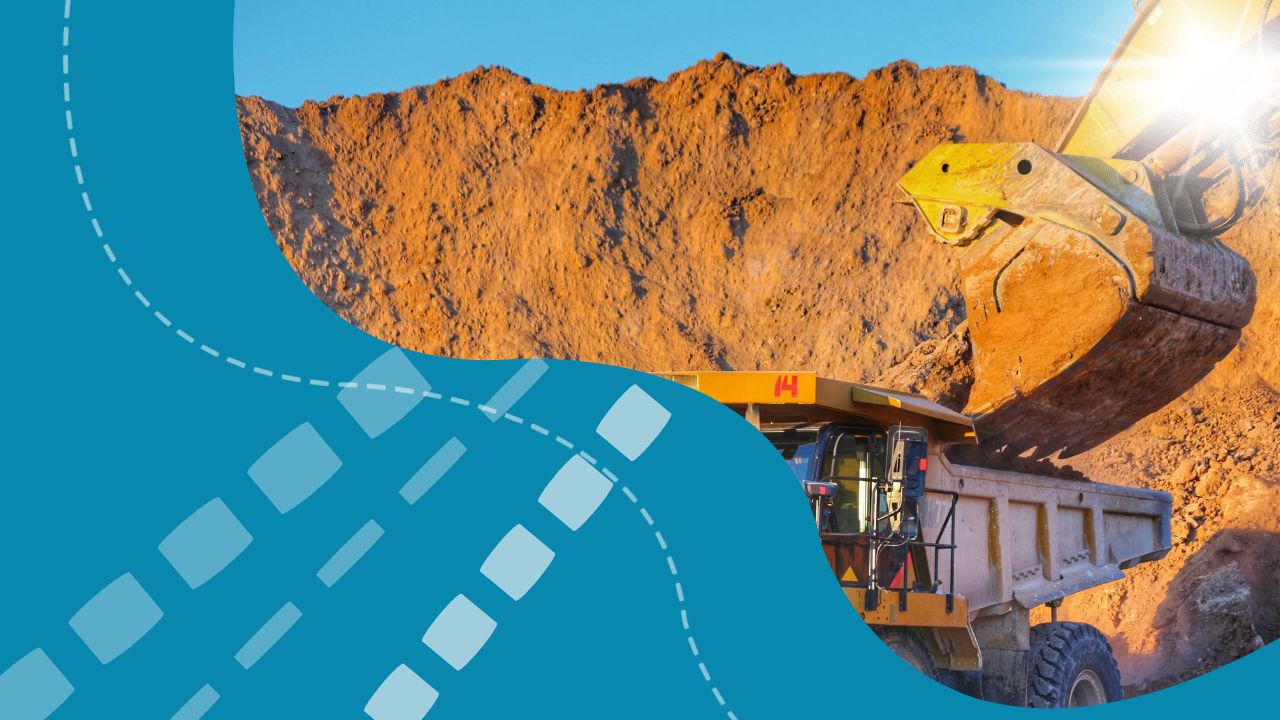
Cove Capital исследует месторождения редкоземельных металлов в Костанайской области Казахстана
Американская инвестиционная компания Cove Capital активно исследует потенциальные месторождения редкоземельных металлов в Костанайской области Казахстана. Партнёром проекта выступает казахстанская компания Казгеология, входящая в структуру «Тау-Кен Самрук». Геологоразведка осуществляется за счёт Cove Capital, как сообщил в интервью казахстанскому изданию «Курсив» управляющий партнёр и учредитель компании Пини Альтхаус.
«Месторождение содержит множество различных редкоземельных металлов, но основное внимание уделяется четырём элементам, используемым для производства постоянных магнитов: неодиму, празеодиму, диспрозию и тербию», — отметил г-н Альтхаус. В месторождении также имеются значительные запасы иттрия, спрос и предложение на который ещё предстоит оценить.
Проект разработки месторождения находится на ранней стадии реализации, и предварительное технико-экономическое обоснование указывает на наличие 380 тысяч тонн редкоземельных металлов. По словам г-на Альтхауса, «проект выглядит многообещающим, поэтому мы в него вложились и надеемся, что это станет крупным редкоземельным проектом».
Тем не менее, рентабельность разработки месторождения пока остаётся под вопросом, так как партнёры должны убедиться в возможности добычи этих высокоценных материалов. «Потребуется несколько лет, чтобы развить ресурс, убедиться, что металлы можно обработать, и что у нас есть запасы. Только тогда мы начнём рассматривать сценарии добычи и её прибыльность», — пояснил управляющий партнёр Cove Capital.
У Cove Capital есть 11 концессий на разработку критически важных материалов, таких как литий, бериллий, тантал, родий, цезий, рубидий и олово в Восточном Казахстане. Cove Capital, представленная здесь дочерней компанией KAZ Critical Minerals, опирается на данные советских геологических изысканий, которые уточняются с использованием новых технологий и методов исследований.
Кроме того, Cove Capital обсуждает с правительством Казахстана возможность постройки завода по обработке редкоземельных металлов, причём объём капитальных вложений в этот проект может достигать 500 млн долларов. Такой завод мог бы стать промышленным хабом и альтернативой экспорту в Китай.
Основанная в 2016 году, Cove Capital занимается инвестициями в горнодобывающую промышленность. Компания реализует проекты по разработке месторождений критически важных минералов, драгоценных и основных металлов в Северной Америке, Австралии, Аргентине и других странах.
-
Cove Capital Explores Rare Earth Metals in Kazakhstan’s Kostanay Region
The American investment firm Cove Capital is actively exploring potential rare earth metal deposits in Kazakhstan’s Kostanay region. The project is partnered with the Kazakh company Kazgeology, which is part of the “Tau-Ken Samruk” structure. The geological exploration is being funded by Cove Capital, according to an interview with Pini Althaus, managing partner and founder of the company, published in the Kazakh outlet “Kursiv.”
“The site contains a variety of rare earth metals, with a primary focus on four elements used in the production of permanent magnets: neodymium, praseodymium, dysprosium, and terbium,” said Mr. Althaus. The deposit also has significant reserves of yttrium, for which supply and demand are yet to be fully assessed.
The project is currently in the early stages of implementation, with preliminary feasibility studies indicating the presence of 380,000 tons of rare earth metals. Mr. Althaus noted, “The project looks promising, which is why we invested in it, and we hope it becomes a major rare earth project.”
However, the profitability of the mining operation remains uncertain, as partners need to confirm the feasibility of extracting these high-value materials. “It will take several years to develop the resource, ensure the metals can be processed, and verify our reserves before we start considering mining scenarios and profitability,” explained the managing partner of Cove Capital.
Cove Capital holds 11 concessions for the development of critical materials such as lithium, beryllium, tantalum, rhodium, cesium, rubidium, and tin in Eastern Kazakhstan. Represented by its subsidiary, KAZ Critical Minerals, Cove Capital relies on data from Soviet-era geological surveys, refined with modern technologies and research methods.
Additionally, Cove Capital is in discussions with the Kazakh government regarding the construction of a rare earth metals processing plant, with capital investment potentially reaching $500 million. This facility could serve as an industrial hub and an alternative to exporting these metals to China.
Founded in 2016, Cove Capital invests in the mining industry, with projects focused on critical minerals, precious metals, and base metals in North America, Australia, Argentina, and other countries.
-
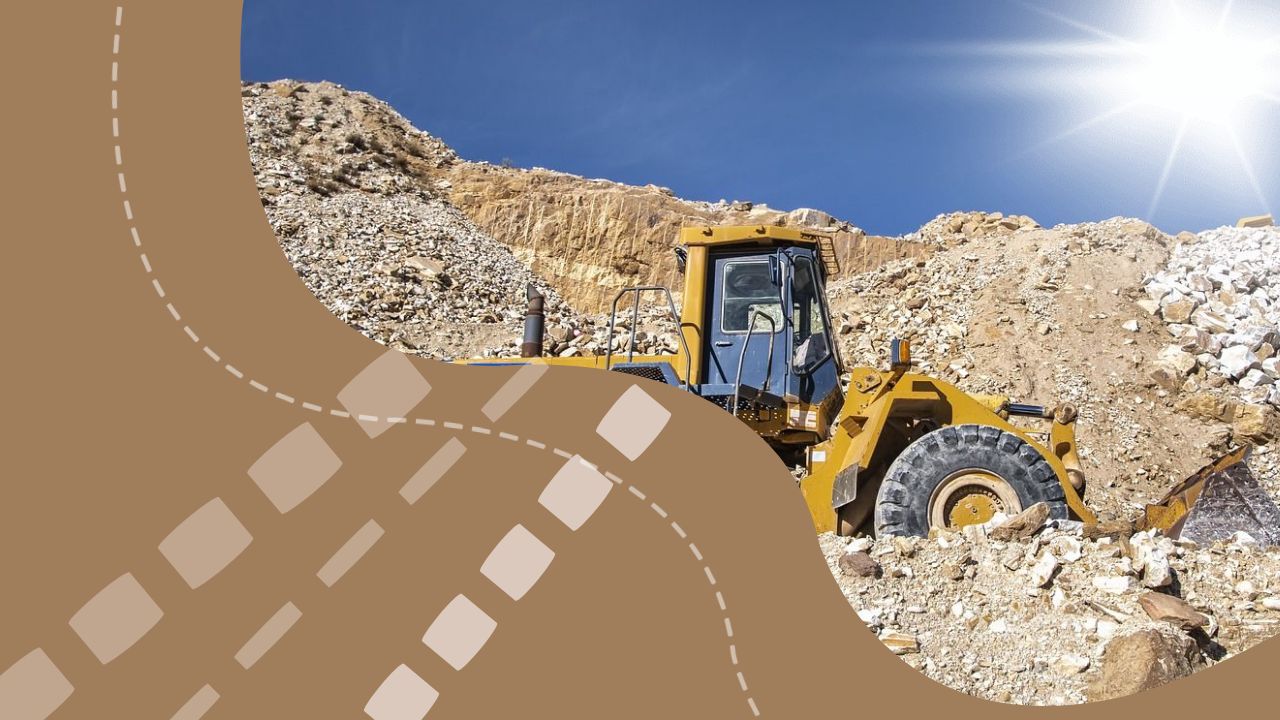
Казатомпром Начинает Геологоразведку на Восточном Участке Месторождения Жалпак
Казатомпром, ведущая урановая компания Казахстана, получила разрешение на проведение геологоразведочных работ на участке «Восточный», относящемся к месторождению Жалпак. Это разрешение позволит компании исследовать и уточнить запасы урана на данной территории. Ранее проведенные поисковые работы, финансируемые Казатомпромом, выявили наличие урановых залежей категорий Р1 и Р2. Оценочные запасы месторождения Жалпак составляют около 30 тысяч тонн урана. Новая геологоразведка направлена на переведение ресурсов в запасы категорий С2 и С1, а также на уточнение объема урановых запасов. Проект рассчитан на шесть лет, по завершении которых запасы будут поставлены на государственный баланс. В настоящее время Казатомпром ведет добычу урана на 26 месторождениях и обеспечивает около 20% мировой добычи урана в 2023 году.
-
Kazatomprom Begins Geological Exploration at the Eastern Section of Zhalpak Deposit
Kazatomprom, the leading uranium company in Kazakhstan, has received permission to conduct geological exploration at the Eastern section of the Zhalpak deposit. This authorization will enable the company to investigate and refine the uranium reserves in this area. Previously, exploration funded by Kazatomprom discovered uranium deposits of categories P1 and P2. The potential reserves at the Zhalpak deposit are preliminarily estimated at 30 thousand tons of uranium. The new geological exploration aims to convert these resources into reserves of categories C2 and C1 and to determine more accurate uranium reserves. The exploration project is planned for six years, after which the calculated reserves will be recorded on the state balance sheet. Currently, Kazatomprom is extracting uranium from 26 deposits and accounted for about 20% of the world’s primary uranium production in 2023.
-
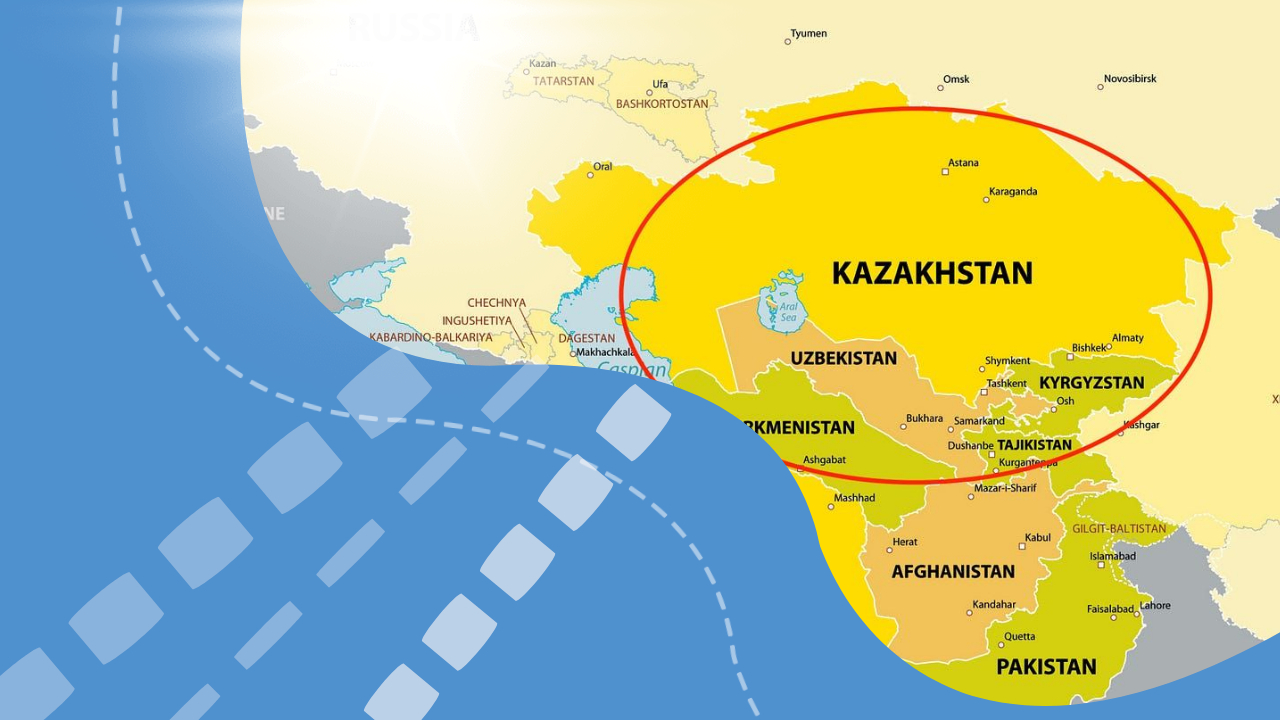
Kaz Critical Minerals Expands Exploration in East Kazakhstan with New Licenses and Partnerships
Kaz Critical Minerals LLP, a wholly-owned subsidiary of Kaz Resources LLC and a portfolio company of Cove Capital LLC, has achieved a major milestone in its exploration activities in East Kazakhstan. The company recently completed drilling the first 1,000 meters on its critical minerals licenses, uncovering several previously unreported positive anomalies. This discovery has prompted the company to extend its drilling program to better define these anomalies.
In addition to these findings, Kaz Critical Minerals has been granted two new exploration licenses, further expanding its operational footprint. This expansion will enhance the company’s ability to explore key areas with high potential for valuable mineral deposits, with an immediate focus on continued drilling operations.
Kaz Resources is also collaborating with Hatch, a globally recognized mining and engineering consulting firm. Hatch will provide professional services in key areas, leveraging its extensive experience in mining and infrastructure projects, including those in Kazakhstan. This partnership aims to enhance the efficiency and effectiveness of Kaz Critical Minerals’ exploration programs.
Pini Althaus, CEO of Kaz Resources, expressed enthusiasm about the progress, stating, “The encouraging drilling results, coupled with the new licenses and our partnership with Hatch, position us strategically to unlock Kazakhstan’s rich mineral resources. We are committed to driving progress and creating value for our stakeholders and Kazakhstan through meticulous exploration and innovative partnerships.”
Yuri Savguira, Senior Engagement Manager at Hatch, added, “We are excited to collaborate with Kaz Resources on this promising venture. Our combined expertise will support the development and execution of these projects, bringing our experience and excellence to the forefront.”
Kaz Resources remains focused on exploring and developing critical minerals essential for the energy transition, advanced technology, and defense applications. The company’s efforts align with Kazakhstan’s broader economic and sustainable resource management goals.
In 2023, Kaz Resources, through Kaz Critical Minerals LLP, became the first U.S. company to receive critical minerals and rare earths land concessions in Kazakhstan. These concessions include valuable minerals such as rare earth elements, lithium, tantalum, beryllium, niobium, cesium, and tin. A significant partnership with Kazakhstan’s national mining company, Tau-Ken Samruk, and Cove Capital was formed to explore and develop rare earth and critical metals, particularly at the Akbulak rare earth project in the Kostanay region.
-
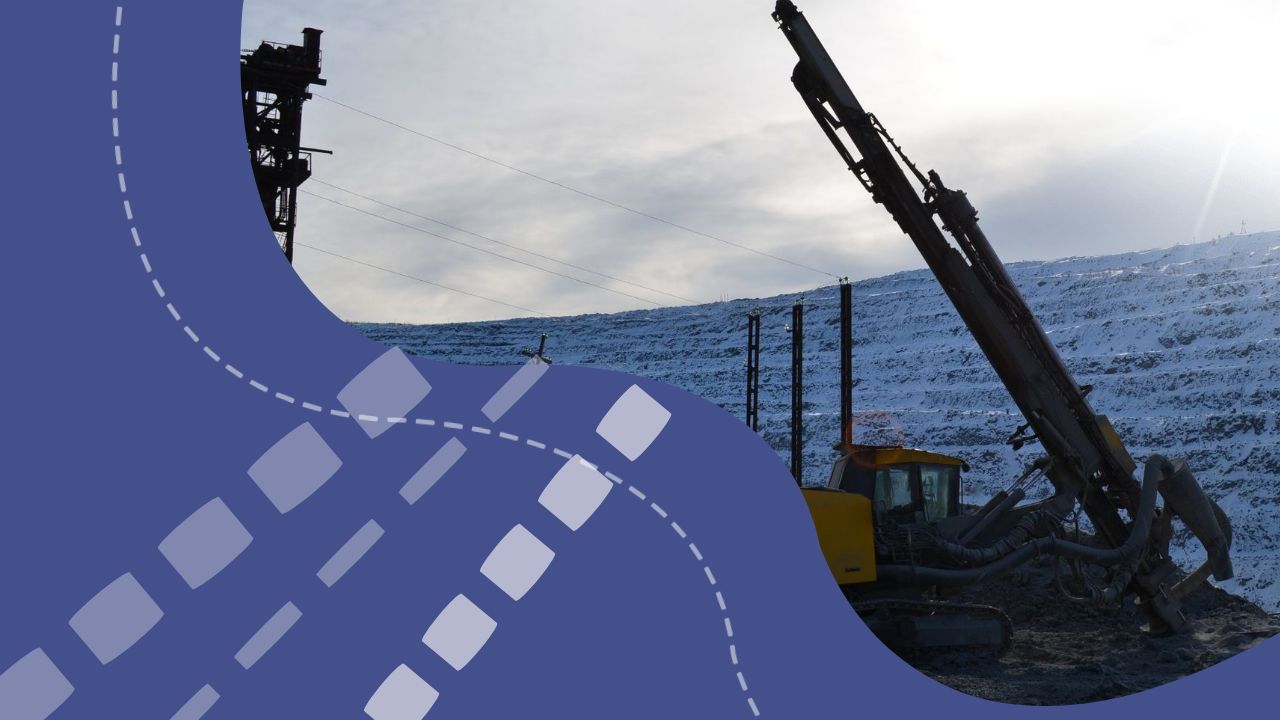
Kazakhstan’s Ambitious Industrial Expansion: 180 New Projects Set for 2024
Kazakhstan is set to launch 180 new projects by the end of 2024, with an estimated investment of 1.4 trillion tenge (US$2.9 billion), creating approximately 17,400 new jobs, according to the Prime Minister’s press service on July 24. These projects are expected to produce goods valued at nearly 1.8 trillion tenge (US$3.7 billion), including 400 billion tenge (US$843 million) for export and 1.4 trillion tenge (US$2.9 billion) for import substitution.
Key projects include the EkibastuzFerroAlloys plant in the Pavlodar Region, which will create 800 jobs with a 92.4 billion tenge (US$194 million) investment, producing 240,000 tons of ferrosilicon annually. In the Kostanay Region, a factory will produce cast iron components for trucks, providing 360 jobs with a 78.2 billion tenge (US$164 million)investment and an annual capacity of 45,000 tons.
The Zhetysu Wolfram company will develop the Boguty tungsten ore deposit in the Almaty Region, investing 135 billion tenge (US$284 million) to create 350 jobs and achieve an annual production of 3.3 million tons of ore and 10,000 tons of concentrate.
In the Almaty Region, a factory will produce thermal insulation materials, offering 220 jobs with a 43.9 billion tenge (US$92.6 million) investment, producing 1.4 million cubic meters of rock wool and 400,000 cubic meters of polymer insulation annually. Another facility will manufacture springs for rolling stock, creating 51 jobs with a 1.1 billion tenge (US$2.3 million) investment and an annual capacity of 298,500 springs.
Kazakhstan’s metallurgical production grew by 54.2% in the first five months of 2024, driven by increased output of ferroalloys, raw aluminum, raw lead, and refined copper. The country remains a major exporter of ferrous and non-ferrous metals, with exports rising by 8.3% to $4.7 billion in the first four months of 2024. The government has introduced new regulations for scrap metal collection and processing, including a ban on exporting ferrous scrap and non-ferrous metal waste.
The chemical industry saw investments reach 68.4 billion tenge (US$144 million) from January to May 2024, with new projects in technical silicon, hydrogen peroxide, and liquid nitrogen production. Nine new small enterprises opened, focusing on regions like Pavlodar and Zhambyl.
In the coal industry, a new government decree has granted exclusive licenses to coal mining and processing enterprises, aiming to meet domestic coal needs, particularly for the heating season.
Kazakhstan’s non-ferrous metallurgy sector has strengthened international cooperation, with agreements signed with China and South Korea. The machinery industry saw significant investment and modernization, with industrial production reaching 814.4 billion tenge (US$1.7 billion) in the first half of 2024.
The building materials and furniture industries also experienced growth, with regulations supporting local producers. The light industry saw a significant rise in production and exports, with investments in clothing and leather production increasing notably.
-

“Samruk-Kazyna” Reports Record Revenue Amid Shifts in Investment Strategy
The National Welfare Fund “Samruk-Kazyna” achieved a record revenue of 15.4 trillion tenge in 2023, despite moving further from its ideal model as an investment holding. This shift is driven by the government’s efforts to maximize returns from the Fund as both a policy tool and a profitable asset. According to the latest audited financial report, Samruk-Kazyna continued to grow its assets, reaching 36.9 trillion tenge, a 10% increase year-on-year. This growth was fueled by significant investments in fixed assets, with a capital expenditure level of 17% of revenue, up from 9% the previous year. The Fund’s long-term assets expanded by 6% to 26.6 trillion tenge, while current assets increased by 18%, bolstered by a 17% rise in inventories and a 19% increase in receivables.
The asset structure saw a notable rebalancing of cash and deposits: cash holdings decreased by 7% to 2.7 trillion tenge, and bank deposits fell by 23%, with tenge deposits down by 27% and dollar deposits up by 18%. The overall asset growth of Samruk-Kazyna was driven by an increase in equity by 10%, a rise in retained earnings and non-controlling interests, and a 10% growth in liabilities. The liabilities included a reduction in fixed-rate loans by 9% and an increase in floating-rate loans by 19%, mainly short-term. The Fund’s short-term liabilities are now covered by cash at a rate of 61%, down from 71% the previous year. The currency composition of loans has remained consistent since 2022, with 58% in US dollars, 34% in tenge, and 4% each in Swiss francs and euros.
In 2023, the Fund’s revenue increased by 4%, driven by a modest rise in crude oil sales, which account for 30% of revenue, alongside declines in refined petroleum products and refined gold sales. These decreases were offset by significant growth in other sectors, including rail freight transport (up 30%), uranium sales (up 44%), and gas processing products (up 10%). The revenue growth was accompanied by a comparable increase in production costs, mainly due to a 23% rise in labor costs and a 15% increase in depreciation and amortization expenses. The Fund reported total write-downs of 262 billion tenge, five times higher than in 2022. Net profit decreased by 10% to 2.1 trillion tenge, largely due to a significant reduction in earnings from joint ventures and associates.
The relationship between Samruk-Kazyna and its sole shareholder, the government of Kazakhstan, remains complex. In 2023, total net cash distributions to the shareholder amounted to 1.3 trillion tenge, up from 306 billion in 2022. This included dividends of 1.27 trillion tenge, as well as other distributions for projects such as the construction of healthcare facilities and a sports complex. Meanwhile, the government recapitalized the Fund with 49 billion tenge, earmarked for infrastructure development in the National Industrial Petrochemical Park in Atyrau.
-

Kazakhstan and Bulgaria Strengthen Educational Ties in Mining and Geology
Viktor Temirbayev, the Ambassador of Kazakhstan to Bulgaria, recently met with Ivaylo Koprev, the Rector of the University of Mining and Geology “St. Ivan Rilski,” to discuss expanding collaborations between higher education institutions in the two countries, particularly in the mining and geological fields. The discussions centered on the exchange of experience, best practices, and the implementation of joint projects in academic mobility.
Ambassador Temirbayev highlighted the Kazakh government’s efforts to develop the scientific system and incorporate advanced technologies in natural resource extraction, emphasizing the importance of geological science given Kazakhstan’s rich mineral resources. He also noted the celebration of the 125th anniversary of academician Kanysh Satpayev, a key figure in Kazakhstan’s industrial development.
Ivaylo Koprev shared the University of Mining and Geology’s best practices and teaching methods, expressing a desire to deepen cooperation with Kazakh universities to exchange advanced solutions and facilitate student exchanges under academic mobility programs. The University “St. Ivan Rilski” is recognized as Bulgaria’s sole state educational and scientific institution specializing in the mineral resources industry.
Both parties agreed to maintain ongoing communication to explore the potential collaboration areas discussed during the meeting. Notably, since the Cooperation Agreement between the Rudny Industrial Institute and the University of Mining and Geology in 2020, two academic mobility programs have been successfully implemented, with a third group of Kazakh students expected in September 2024.