Website: Kazakhstan.com

  • Kazakhstan to Develop AI-Powered Geological Data Platform

    Kazakhstan to Develop AI-Powered Geological Data Platform

    The Ministry of Industry and Construction of Kazakhstan has convened a scientific and technical council meeting to discuss promising research in the mining sector. One of the key initiatives approved was the creation of a digital platform for geological data, which will utilize artificial intelligence to analyze information.

    This innovative system aims to reduce exploration costs, improve the accuracy of deposit forecasting, and accelerate exploration timelines. The implementation of this platform is driven by the industry’s ongoing need for digitized geological data to support efficient resource planning.

    In addition to digitalization efforts, the council reviewed research projects from major industry players, including Sokolov-Sarbai Mining and Processing Production Association (SSGPO) and Kachary Ruda, both subsidiaries of ERG. Key research areas include developing methods for pre-reducing ore from the Sarbai deposit, improving carbon-based reductants and exploring alternatives, enhancing the quality of pelletizing ore from the Sokolov deposit, and optimizing the processing of refractory ores from the Kachary deposit.

    The discussion also focused on the introduction of “green” technologies in the mining and metallurgical industry, particularly at the Korzhankul deposit. Experts believe that adopting environmentally friendly solutions will reduce the industry’s environmental footprint and enhance its long-term sustainability.

    Additionally, the council approved a new scientific program by Kazakhmys, which aims to implement high-efficiency reagents to improve the processing of copper ores at the Balkhash Processing Plant.

    The outcomes of the meeting highlight Kazakhstan’s commitment to modernizing its mining sector through digital technologies, scientific advancements, and environmentally sustainable practices.

  • Казахстан создаст платформу для геологической отрасли

    Казахстан создаст платформу для геологической отрасли

    Министерство промышленности и строительства Казахстана провело заседание научно-технического совета, на котором обсудили перспективные исследования в горнодобывающей отрасли. Одним из ключевых решений стало утверждение проекта по созданию цифровой платформы для геологических данных.

    Эта инновационная система будет использовать искусственный интеллект для анализа информации, что позволит значительно сократить затраты на геологоразведку, повысить точность прогнозирования месторождений и ускорить сроки разведочных работ. Введение цифровой платформы обусловлено нехваткой актуальных оцифрованных геологических данных, которые необходимы недропользователям для эффективного планирования добычи.

    Помимо цифровизации геологоразведки, на заседании рассматривались научные исследования, касающиеся крупных предприятий сектора. В частности, обсуждались проекты «Соколовско-Сарбайского горно-обогатительного производственного объединения» (ССГПО) и «Качары руда» — подразделений ERG. Среди ключевых направлений НИОКР: разработка методов предварительного восстановления руды Сарбайского месторождения, усовершенствование свойств углеродистых восстановителей и поиск их альтернатив, повышение качества окускования руды Соколовского месторождения, а также эффективная переработка упорных руд Качарского месторождения.

    Также были затронуты вопросы внедрения «зелёных» технологий в горно-металлургической промышленности, особенно на Коржанкульском месторождении. Эксперты считают, что развитие экологически чистых решений поможет снизить вредное воздействие отрасли на окружающую среду и повысит её устойчивость.

    Дополнительно совет утвердил новую научную программу компании «Казахмыс». В рамках этой инициативы предприятие планирует использовать современные реагенты для повышения эффективности переработки медных руд на Балхашской обогатительной фабрике.

    Результаты заседания подчеркивают стремление Казахстана модернизировать горнодобывающую отрасль за счёт цифровых технологий, научных разработок и экологически ориентированных решений.

  • Arras Minerals Reports Significant Gold Intersections at Elemes Project

    Arras Minerals Reports Significant Gold Intersections at Elemes Project

    Arras Minerals Corp. has announced further positive drill results from its ongoing exploration at the Elemes project in Northeast Kazakhstan. The latest findings reveal substantial gold and copper mineralization, reinforcing the project’s potential for large-scale development.

    A highlight of the program is drill hole EL24004 at the Berezski East target, which intersected a significant 304.8-meter zone grading 0.54 g/t gold-equivalent (AuEq), starting from just 1.2 meters below surface. Within this, a higher-grade section of 37.8 meters returned 1.50 g/t AuEq, suggesting the possibility of a sizeable open-pit gold deposit. A deeper zone within the same hole also yielded 50 meters at 0.45 g/t AuEq from a depth of 210 meters.

    At the K-Ozek target, drill hole EL24009 intersected several gold-bearing quartz veins, with a notable interval of 2 meters grading 1.55 g/t AuEq. This supports the presence of a high-grade low-sulphidation epithermal vein system. Meanwhile, drill hole EL24008 at a separate target returned 128 meters of mineralization grading 0.10 g/t AuEq, indicating broader but lower-grade mineralized zones.

    The Elemes project, located in the Bozshakol-Chingiz Magmatic Arc, is positioned near the Bozshakol Copper Mine, one of the largest copper-gold operations in the region. The Phase 1 drill program, which began in September 2024 and concluded in December, has focused on high-priority targets identified through extensive exploration, including geophysical surveys and soil sampling.

    Commenting on the results, Arras Minerals CEO Tim Barry expressed optimism about the project’s potential, particularly at Berezski East. “The continuous near-surface gold mineralization in EL24004 is a major step forward. The results indicate the presence of a large mineralized system that could support an open-pit operation,” Barry stated. President Darren Klinck added that the findings reinforce the Elemes project’s potential to host significant copper and gold mineralization.

    With these encouraging results, Arras Minerals plans to continue its exploration efforts, refining its understanding of the mineralized zones and identifying further opportunities for resource expansion.

  • Kazatomprom Plans Up to 14% Increase in Uranium Production for 2025

    Kazatomprom Plans Up to 14% Increase in Uranium Production for 2025

    Kazatomprom, Kazakhstan’s national atomic company, announced plans to produce between 25,000 and 26,500 tons of uranium in 2025, according to a statement issued on Monday. This represents an increase of 7 to 14 percent over its 2024 output of 23,270 tons.

    The company anticipates that uranium production from most mining operations will see varying percentage declines compared to targets set under existing subsoil use contracts, with these reductions expected to stay within an acceptable deviation of up to 20 percent.

    Additionally, Kazatomprom reported a 10 percent rise in uranium production for 2024, reaching 23,270 tons, compared to the previous year.

    Further details on the company’s financial performance for 2024 will be provided on March 19.

    Kazatomprom serves as the national operator for the export of uranium, rare metals, nuclear fuel, and related technologies.

  • President Focuses on Revitalising Investment Climate Amidst Declining FDI

    President Focuses on Revitalising Investment Climate Amidst Declining FDI

    [vc_row type=”in_container” full_screen_row_position=”middle” column_margin=”default” column_direction=”default” column_direction_tablet=”default” column_direction_phone=”default” scene_position=”center” text_color=”dark” text_align=”left” row_border_radius=”none” row_border_radius_applies=”bg” overflow=”visible” overlay_strength=”0.3″ gradient_direction=”left_to_right” shape_divider_position=”bottom” bg_image_animation=”none”][vc_column column_padding=”no-extra-padding” column_padding_tablet=”inherit” column_padding_phone=”inherit” column_padding_position=”all” column_element_direction_desktop=”default” column_element_spacing=”default” desktop_text_alignment=”default” tablet_text_alignment=”default” phone_text_alignment=”default” background_color_opacity=”1″ background_hover_color_opacity=”1″ column_backdrop_filter=”none” column_shadow=”none” column_border_radius=”none” column_link_target=”_self” column_position=”default” gradient_direction=”left_to_right” overlay_strength=”0.3″ width=”1/1″ tablet_width_inherit=”default” animation_type=”default” bg_image_animation=”none” border_type=”simple” column_border_width=”none” column_border_style=”solid”][vc_column_text text_direction=”default”]President Kassym-Jomart Tokayev has sounded the alarm over slowing foreign direct investment (FDI) flows into Kazakhstan, urging the government to redouble its efforts to attract high-quality investments to keep pace with global trends.

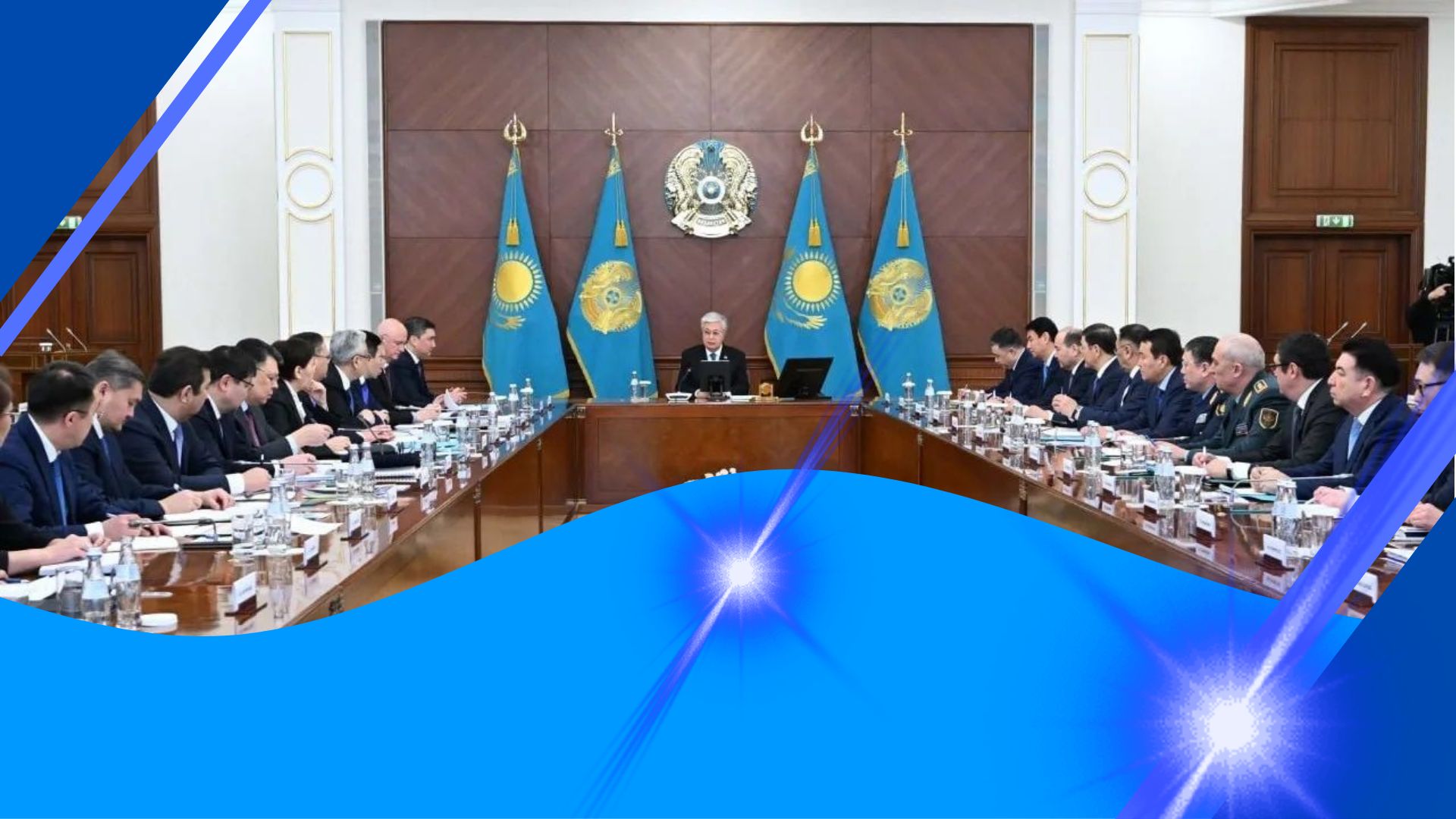
    Speaking on 28 January 2025 at the general meeting of his Government in Astana against the backdrop of a challenging economic environment and heightened international competition, President Tokayev emphasised the critical need for qualified investment in the country: “We must intensify the government’s work in the field of investment, otherwise, we risk falling behind in the face of these rapidly changing conditions.”

    Data reveals a concerning decline in FDI. During the first nine months of 2024, Foreign Direct Investment reached $12.7 billion, a 36% decrease compared to the same period in 2023. This decline has been observed in a number of regions, including Aktobe, Almaty, Atyrau, East Kazakhstan, Jambyl, Pavlodar, North Kazakhstan regions, and the city of Almaty.

    Locking in Leaner Investments:

    Recognising the pressures on government budgets, President Tokayev proposed a proactive approach: “In light of the limited availability of budget funds, we must consider introducing an array of additional financial incentives for investors who are willing to commit to high-quality projects.” This policy aligns with President Tokayev’s broader vision of economic liberalisation. He called for the creation of a comprehensive ecosystem that fosters, supports, and safeguards investors at all levels – both domestically and internationally.

    Mutual Benefits and Responsibilities:

    Government support for business ventures should come with clear expectations. President Tokayev outlined: “Investors who receive government assistance must accept reasonable countermeasures, such as job retention, investment in modernization, and adherence to environmental regulations.”

    President Tokayev’s impactful message signifies Kazakhstan’s commitment to creating a more attractive investment climate while simultaneously promoting responsible and sustainable development. The focus on attracting high-quality FDI is crucial for the country’s economic future.

    Photo: Acorda[/vc_column_text][/vc_column][/vc_row]

  • Kazakhstan Commits to Expanding Mining Industry and Attracting Investment

    Kazakhstan Commits to Expanding Mining Industry and Attracting Investment

    At the annual meeting with his Government on 28 January 2025 Kazakhstan’s President Kasym-Jomart Tokayev has outlined the country’s commitment to strengthening its mining sector, with a particular focus on rare and rare-earth metals, including lithium. The global demand for these resources is on the rise, and Tokayev emphasised that Kazakhstan must seize this opportunity by attracting both foreign investment and advanced technologies.

    “Our country has great potential for the extraction and processing of rare and rare-earth metals,” said Tokayev. “The growing global demand for lithium presents a significant opportunity, and we must position ourselves to capitalise on this trend.”

    Kazakhstan has already seen the arrival of major foreign companies engaged in geological exploration. Additionally, a unified platform has been launched to facilitate the transparent and efficient distribution of subsoil use rights, which will further streamline and modernise the mining industry. President Tokayev stressed that the legal framework for this platform should be fully established by the end of the current parliamentary session.

    “Reforms in the area of subsoil use must continue, no matter the circumstances,” he continued. “This is a fundamental position that the government must steadfastly adhere to.”

    With its vast mineral resources, Kazakhstan is positioning itself as a key player in the global mining market, and these efforts to modernize and open up the industry aim to attract both international and domestic investors. The government’s commitment to these reforms underscores its focus on creating a more efficient, transparent, and competitive mining sector in the years to come.

  • Kazakhstan Turns to Nuclear Energy to Power Future Growth

    Kazakhstan Turns to Nuclear Energy to Power Future Growth

    In a meeting with his Government on 28 January 2025, Kazakhstan’s President Kasym-Jomart Tokayev emphasised the critical need for the country to achieve full self-sufficiency in electricity and establish reserves of 15-20%. To meet this goal, the government plans to introduce at least 3 gigawatts of new power capacity over the next two years, a target nearly 2.5 times higher than previous years.

    President Tokayev reaffirmed the country’s commitment to achieving carbon neutrality, stressing the importance of a rational approach that leverages Kazakhstan’s natural resources and inherent advantages. Innovative coal-fired power stations are set to replace outdated thermal power plants (TPPs), following the successful examples of next-generation coal-fired power stations with minimal emissions in China and South Korea. The President noted the missed opportunity of the unbuilt coal-fired power plant in Balkhash, which would have been a valuable energy source today.

    Amid growing energy shortages, President Tokayev called for the acceleration of the construction of Kazakhstan’s first nuclear power plant and the establishment of a nuclear cluster. He tasked the government and “Samruk-Kazyna” with developing long-term plans for the nuclear industry, including identifying suitable locations for future nuclear power plants and adopting modern, safe technologies.

    President Tokayev expects proposals from the government and Parliament regarding the site for the second nuclear power plant, reiterating the necessity of nuclear energy for Kazakhstan’s continued development. He emphasized that energy is the driving force of the entire economy, and only by ensuring energy supply to all regions can the country achieve prosperity and improve the quality of life for its citizens.

  • Zangezur Copper and Molybdenum Plant Remains Armenia’s Top Taxpayer

    Zangezur Copper and Molybdenum Plant Remains Armenia’s Top Taxpayer

    Yerevan, Armenia – Zangezur Copper and Molybdenum Plant (ZCMC) has solidified its position as Armenia’s largest taxpayer for the third year in a row, according to the latest data released by the State Revenue Committee. The company’s contributions to the state treasury reached an impressive 102 billion AMD in 2024, a significant 44% increase compared to the previous year.

    ZCMC’s tax payments included 2.2 billion AMD in customs duties, 30.2 billion AMD in direct taxes (including profit tax and income tax), and 2.7 billion AMD in indirect taxes (including VAT and excise tax).

    Mobile Center Art climbed to second place in the ranking, with a total tax contribution of 66.7 billion AMD, a 21% year-on-year increase. Grand Tobacco secured the third position with 63.3 billion AMD in tax payments, up 31% from the previous year.

    Gazprom Armenia and Pretty Way LLC (Vesta) rounded out the top five, contributing 46.5 billion AMD and 36.3 billion AMD respectively.

    The top five taxpayers collectively contributed 315.4 billion AMD ($795.3 million) to the state budget in 2024, demonstrating a 24.1% increase compared to 2023.

    Other notable companies in the top ten include CPS Energy Group, Ameriabank, Wildberries, International Masis Tabak, and JTI Armenia.

    Overall, the 1,000 largest taxpayers in Armenia paid a total of 1.772 trillion AMD ($4.4 billion) to the state treasury in 2024, representing a 3.6% rise from the previous year.

    This continued strong performance from major taxpayers, particularly ZCMC, highlights their crucial role in supporting Armenia’s economy and public finances.

  • Kazatomprom Increased Uranium Production in 2024

    Kazatomprom Increased Uranium Production in 2024

    January 27, 2025, 14:51 / Astana, Kazakhstan 

    Kazatomprom, the world’s largest producer of uranium, announced a 10% increase in its production of uranium oxide (U3O8) in 2024, reaching 23,270 tonnes.

    The company attributed this growth to an expansion of its mining plans in accordance with its agreements for exploration and resource use rights. However, despite the rise in production, Kazatomprom’s sales declined by 8% to 16,670 tonnes in 2024, as the company prioritized supplying its subsidiary Uranium Mining & Fuel Company (“Ulbas-TVS”) with uranium for the production of nuclear fuel assemblies (NFAs).

    The average selling price of uranium increased significantly by 27% to $69.72 per pound in 2024 compared to $55.09 per pound in 2023, fueled by higher spot uranium prices. Spot prices averaged $85.24 per pound in 2024, a 36% increase from $62.51 per pound in 2023.

    Ulbas-TVS Expansion:

    Ulbas-TVS, a joint venture between Kazatomprom and Chinese company CGNPC-URC, reached its projected production capacity of 200 tonnes of NFAs per year in early January. The company aims to potentially increase production to 400 tonnes per year with a two-shift operation. All NFAs produced by Ulbas-TVS are destined for use in nuclear power plants in China.

    Mining Stoppage Resumes:

    Kazatomprom also announced the resumption of uranium mining at the Inkai joint venture (60% Kazatomprom, 40% Cameco) after a temporary suspension in January. The suspension was due to a delay in receiving the necessary documentation from relevant authorities to continue mining operations at the Inkai, Block 1.

    2025 Production Expectations:

    For 2025, Kazatomprom expects to produce 25,000 to 26,500 tonnes of uranium, with sales estimated between 17,500 and 18,500 tonnes. The company acknowledges that the production levels of some mining sites may be influenced by revisions to their resource use agreements.

    The company intends to release its financial outlook for 2025 as part of its 2024 financial performance analysis. Kazatomprom produces about 20% of global uranium demand.

    The market has yet to react to Kazatomprom’s production data release. As of the article’s publication, shares of the uranium producer on the Kazakhstan Stock Exchange (KASE) were trading at 19,842.88 tenge, down 0.54%. As of October 1, 62.99% of Kazatomprom’s shares were owned by Samruk-Kazyna, 24.32% by CITINAK, NA.-NY (F/B/O DR HOLDERS, nominee holder), and 12.01% by the Ministry of Finance of the Republic of Kazakhstan.

  • Cameco Resumes Uranium Production at Inkai JV in Kazakhstan

    Cameco Resumes Uranium Production at Inkai JV in Kazakhstan

    Cameco (TSX: CCO; NYSE: CCJ) has resumed uranium production at its Inkai joint venture project in Kazakhstan, following a temporary suspension due to regulatory delays. Kazatomprom, Kazakhstan’s state-owned uranium producer, made the announcement on Monday, confirming that the Inkai LLP operation has successfully resolved the issue that caused the disruption.

    On January 1, production activities at Block No. 1 of the Inkai deposit were halted after the required approvals from state authorities were not received on time. This delay was attributed to the late submission of necessary documentation.

    The Inkai joint venture is a significant player in Kazakhstan’s uranium industry, with Cameco holding a 40% stake and Kazatomprom controlling the remaining 60%. It is the largest uranium operation in the country.

    Kazatomprom has stated that operations at Inkai LLP have now resumed, and the company is currently assessing the impact of the suspension on the joint venture’s 2025 production goals. However, Kazatomprom reassured stakeholders that the company remains committed to meeting its contractual obligations and has sufficient inventory to manage deliveries throughout 2025 without significant disruption.

    The company’s production forecast of 65–68.9 million tonnes of uranium oxide (U3O8) remains intact, according to earlier projections from BMO Research. Inkai’s contribution to Kazakhstan’s total production is expected to reach 9.3 million pounds of uranium this year, accounting for 14% of the country’s total output and 16% of Cameco’s global production.

    Following the news, Cameco’s stock price dropped by 12% to $49.25 per share on Monday morning, bringing its market capitalization to $21.4 billion. Meanwhile, Kazatomprom’s shares declined by 1.7%, closing at $37.20, with a market cap of $10.2 billion.

    Both companies continue to navigate the challenges posed by regulatory delays but remain focused on maintaining steady uranium production moving forward.