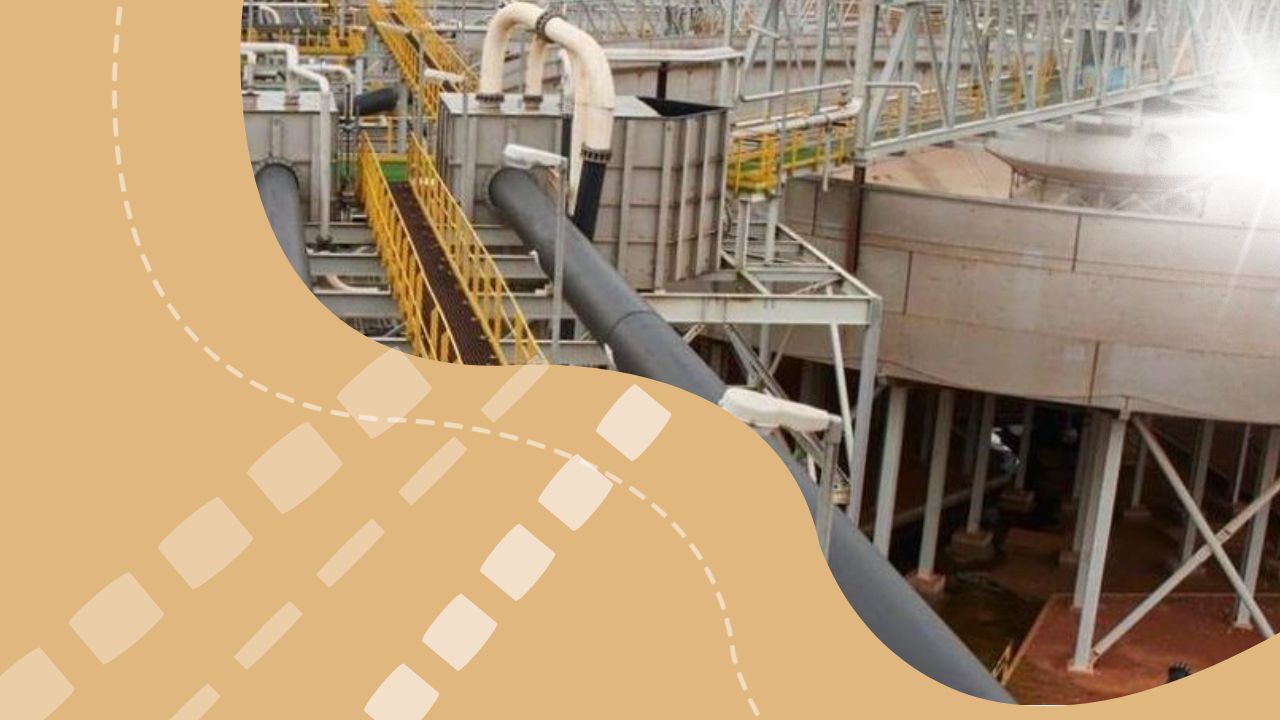
The Kyrgyz government, under the leadership of Prime Minister Akylbek Japarov, has signed a resolution (No. 117, dated March 15, 2024) approving a revised contract for the sale of gold and silver between Kumtor Gold Company, Kyrgyzaltyn, and the government. The decision aims to ensure the uninterrupted and efficient operation of the Kumtor mine following Centerra Gold Inc.’s exit from the Kumtor project. The approved resolution includes provisions for the revised contract, rendering previous agreements obsolete. Additionally, the resolution advises relevant entities such as Kumtor Gold Company, Kumtor Operating Company, Kyrgyzaltyn, and the National Bank of the Kyrgyz Republic to take necessary actions as per the resolution. Ministries and administrative bodies are instructed to organize and execute tasks in line with the resolution. The administration of the Kyrgyz President will oversee the implementation of the resolution, which comes into effect immediately upon signing and will be officially published.
Website: Eurasia.com
-
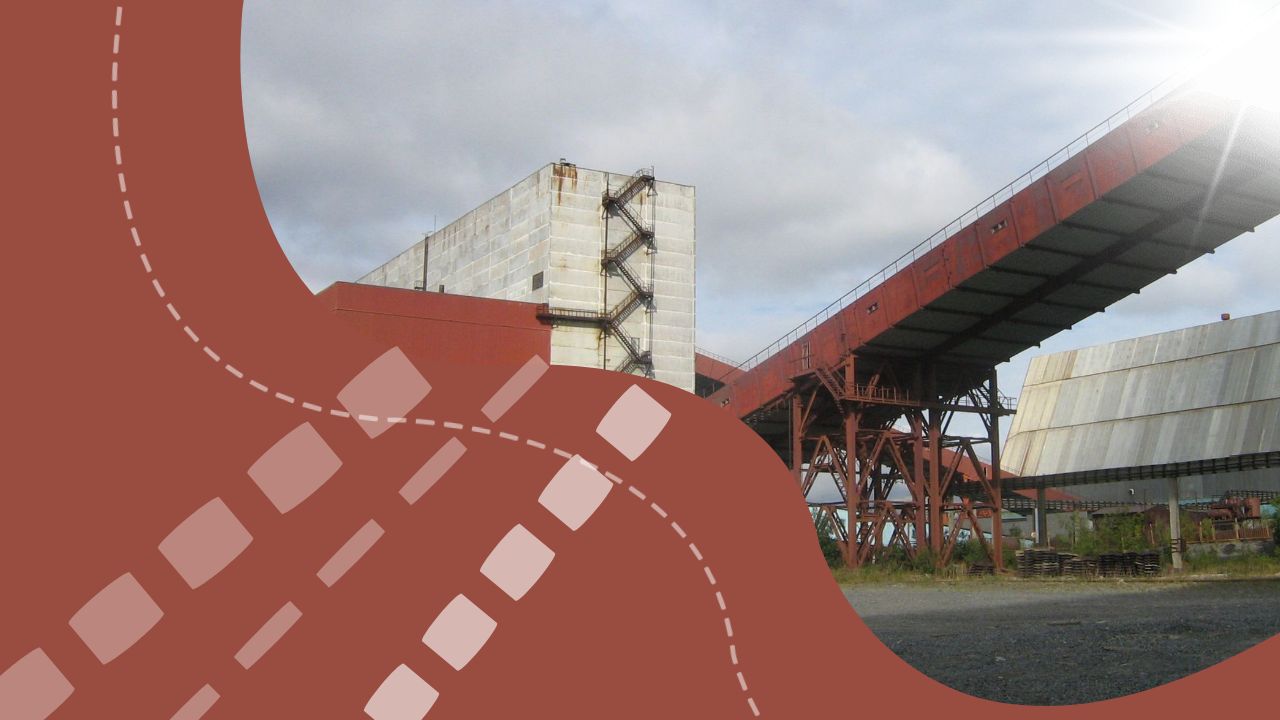
Kyrgyzaltyn Announces First Gold Delivery to International Market in April
In a closed briefing attended by journalists, a high-ranking official from the Kyrgyz presidential administration revealed that the first delivery of gold to the international market by Kyrgyzaltyn is slated for April. The official emphasized transparency, stating that the precious metal would be sold at the price prevailing on the London Stock Exchange at the time of delivery. Despite receiving several purchase offers, many of which requested discounts, the authorities are committed to transparency in the process. Additionally, the official expressed a desire to retain as much gold as possible within the country to encourage domestic investment. To facilitate this, Kyrgyzaltyn is finalizing the construction of a plant for the production of weighted ingots, which will be available for purchase by the public. However, approximately 10-12 tons of gold will be allocated for sale to the foreign market. Furthermore, the authorities are actively working towards the development of a thriving jewelry industry within the country.
-

Conference Explores Business Opportunities in Armenia’s Mining Sector
In a recent conference titled “Exploring Business Opportunities,” stakeholders gathered to discuss the pivotal role of “Environment, Social Sphere, and Management” in Armenia’s business sector. The event served as a significant platform for deliberating issues, proposed solutions, and the exploration of international practices. Armen Stepanyan, the Director of Sustainable Development at the Zangezur Copper-Molybdenum Combine, highlighted the importance of such gatherings, emphasizing their role in addressing existing challenges through active engagement and knowledge sharing. Stepanyan reiterated the company’s commitment to tackling various challenges in the mining industry, stressing their incremental progress towards sustainable solutions. Despite the perception of mining as an environmental burden, Stepanyan assured that both the Zangezur Combine and other mining enterprises in Armenia are capable of managing environmental impacts effectively. He acknowledged the multitude of challenges but affirmed the company’s proactive approach in identifying and resolving them systematically. Stepanyan concluded by expressing the Zangezur Combine’s dedication to meeting international standards in the coming years.
-
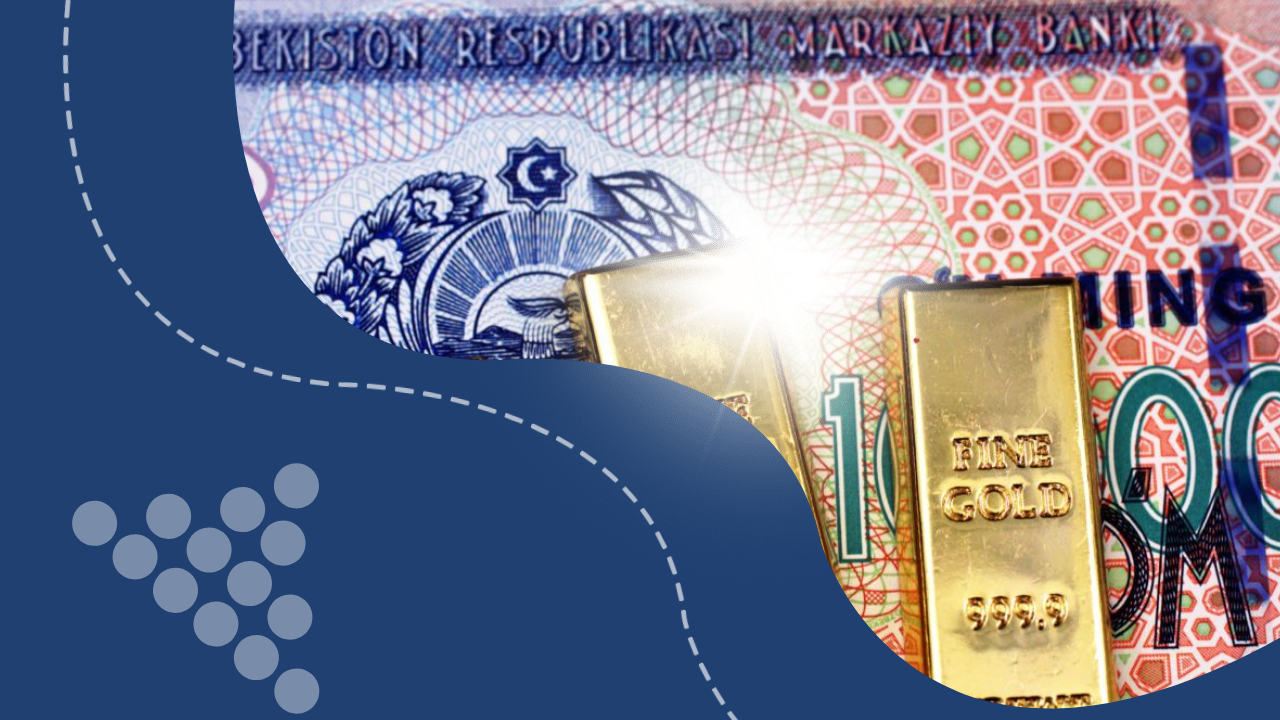
Uzbekistan Mulls Collaboration with China Nuclear Uranium for Black Shale Uranium Mining
In a bid to bolster its uranium mining capabilities, Uzbekistan is considering a partnership with China Nuclear Uranium Co. Ltd for the development of black shale uranium mines, according to reports from Trend. Discussions between representatives of China Nuclear Uranium and Jamal Fayzullaev, the director general of Navoiyuran State Enterprise, have centered around the potential production of black shale uranium at the Jantuar and Ma’danli deposits situated in the Navoi region.
Geological surveys have been conducted at key sites, including the Ma’danli and Koscheka fields within the Auminzatau Mountains. Sampling and analysis activities at the Ma’danli field have provided insights into the feasibility of extracting uranium and other rare elements from the ore composition, laying the groundwork for potential development in the area.
This prospective collaboration follows a memorandum of understanding signed in November 2023 between Navoiyuran and China National Nuclear Corporation, outlining mutual cooperation in uranium mining and processing endeavors in Uzbekistan. As part of this agreement, discussions have revolved around various investment initiatives within the uranium sector, signaling a growing partnership between the two entities.
Jamal Fayzullaev, highlighting future plans, disclosed Navoiyuran’s ambitions to ramp up uranium production by 1.5 times while simultaneously reducing production costs by 20.1 percent. The enterprise aims to intensify geological prospecting activities, covering over 1 million meters of exploration area, alongside extensive drilling operations spanning 3.8 million meters for uranium production purposes in 2024.
-

Kazatomprom, the National Atomic Company of Kazakhstan, disclosed its consolidated financial outcomes for the year 2023
Kazatomprom’s 2023 financial results reflect the significant improvement in the uranium market and the company’s strong position as the largest seller and lowest-cost producer globally.
Kazatomprom demonstrated exceptional financial resilience, reflecting its strategic market positioning and robust operational efficiency. Despite significant volatility in the global uranium market due to geopolitical tensions and clean energy transition, the demand for nuclear power increased significantly. With Kazakhstan accounting for 40% of annual world uranium production, at least every third of nuclear reactors worldwide relies on Kazakh uranium. Meirzhan Yussupov, CEO of Kazatomprom, emphasized the Company’s role in energy security and readiness to secure utilities’ needs amidst market bifurcation discussions.
Kazatomprom achieved impressive financial results in 2023, despite a modest increase in average annual uranium prices. Group consolidated revenue grew by 43%, reaching 1.4 trillion tenge, while gross and operating profits demonstrated almost 50% year-on-year increases. These achievements were made possible by the considerable improvement in the uranium market over the past year and Kazatomprom’s position as the largest seller and lowest-cost producer globally. The efforts of the Company’s 20,000 dedicated professionals contributed significantly to these positive outcomes.
In 2023, Kazatomprom launched exploration programs and strengthened assessments of territories to ensure reserve replenishment for future generations and meet growing market needs. The Company continues to focus on cost optimization to maintain operational efficiency and sustainability. Despite plans to restart idled capacity and launch new production in the mid-2020s, Kazatomprom acknowledges that another supply source similar in size will be needed post-2030 to cover future market needs, especially considering geopolitical uncertainties, inflationary pressures, and supply chain challenges worldwide.
Key financial metrics for 2023 include:
- Consolidated revenue: KZT 1,435 billion (USD 3.1 billion), a 43% increase compared to 2022
- Operating profit: KZT 681 billion (USD 1.5 billion), a 49% increase compared to 2022
- Net profit: KZT 580 billion (USD 1.3 billion), a 23% increase compared to 2022
- Adjusted EBITDA: KZT 829 billion (USD 1.8 billion), a 31% increase compared to 2022
- Attributable EBITDA: KZT 639 billion (USD 1.4 billion), a 29% increase compared to 2022
- Cash flow from operating activities: KZT 432 billion (USD 960 million), a 52% increase compared to 2022
The Operating and Financial Review and Audited Consolidated Financial Statements provide detailed explanations of Kazatomprom’s results for the year ended 31 December 2023, as compared to the same period in 2022, and the Company’s guidance for 2024. These documents are available at www.kazatomprom.kz.
-

Two mineral deposits will be developed in the Karaganda region in Kazakhstan
In Kazakhstan, two mineral deposits will be developed. In the Karaganda region, two projects are being implemented where 300 jobs will be created.
The first project is the development of a coal mining quarry at the Saryozen deposit, with an estimated cost of 889 million tenge and a capacity of 83 million tons. It is expected to provide 180 jobs.
The second project involves the extraction of manganese ores at the Oypat deposit, with a launch cost of 1.5 billion tenge. The plant’s capacity will reach 450,000 tons of ore per year, which is expected to be achieved next year. The project is expected to create 120 jobs.
-

Gold accounts for more than a third of Uzbekistan’s export revenues
In the first two months of 2024, Uzbekistan sold products abroad totalling over 3.631 billion USD. This is 0.436 billion or 13.6% more than the previous year.
The republic received the highest revenues from export shipments of gold (1.318 billion, up by 11.5%) and non-ferrous metals (0.164 billion, down by 7.3%).
Additionally, significant revenues were generated from exports of vegetables and fruits (0.154 billion, up by 25.9%), clothing items (0.152 billion, down by 5.4%), and inorganic chemical substances (0.147 billion, up by 110%).
Source: Uzbekistan Statistical Agency.
-

Investments totaling $169 million USD flowed into Kyrgyzstan’s mining sector during the year 2023
In 2023, the inflow of foreign direct investment in Kyrgyzstan decreased to 798 million, which is 393 million or 33% less than the previous year.
The top 5 countries by the volume of investments in Kyrgyzstan are:
- China with 221 million
- Russia with approximately 148 million
- Kazakhstan with 67 million
- The Netherlands with 63 million
- Turkey with 43 million.
During this period, foreign investments were most actively made in processing enterprises at 227 million, mining enterprises at 169 million, the financial sector at 157 million, and car trading at $120 million.
Source: National Statistical Committee of Kyrgyzstan.
-

The Republic of Kazakhstan intends to exclude machinery and metallurgy industry goods from the national procurement
The Republic of Kazakhstan intends to exclude machinery industry goods from the national procurement regime. Prime Minister Olzhas Bektenov signed a Government resolution to this effect on March 16. According to the document, foreign companies will be barred from participating in Kazakhstan’s procurement of machinery, metallurgical products, and several other sectors for a period of two years. The Ministry of Industry and Construction of the Republic of Kazakhstan, in coordination with the National Chamber of Entrepreneurs of the Republic of Kazakhstan “Atameken,” is expected to approve a list of goods, works, and services outlined in paragraph 1 of this resolution within 10 working days. This list will include codes corresponding to the unified classification of goods, works, and services, and will be submitted to the authorized body for state procurement.
The impact of implementing these measures in Kazakhstan includes:
- Promotion of Domestic Industry: By restricting foreign participation in state procurement of machinery goods, Kazakhstan aims to bolster its domestic manufacturing sector.
- Support for Local Businesses: These measures provide opportunities for local businesses to thrive by ensuring their involvement in government procurement processes.
- Increased Self-Reliance: Kazakhstan’s move toward self-sufficiency in key industries like machinery and metallurgy may enhance its economic independence and reduce reliance on imports.
The exclusion of machinery industry goods from Kazakhstan’s national procurement regime could have several implications for the investment climate in the country.
Let’s explore these impacts:
The new measure taken by the Kazakhstan government to exclude machinery industry goods from the national procurement regime can have mixed impacts on the investment climate in the country.
On one hand, this move might encourage domestic production and boost the growth of local industries, which could potentially attract more local and foreign investments in the manufacturing sector. However, on the other hand, this decision might discourage foreign companies from entering or expanding their presence in the Kazakhstani market due to restrictions on participating in public procurement processes for machinery and related sectors.
This exclusionary policy could lead to reduced competition and innovation, as well as potential supply chain disruptions for existing investors who rely on imported machinery components or technology.
Additionally, the ongoing geopolitical tensions between Russia and Western countries might indirectly influence the investment climate in Kazakhstan due to its proximity and economic ties with Russia. Depending on the severity of sanctions and countermeasures, some investors might perceive increased risks associated with doing business in Kazakhstan, leading them to either delay or avoid making new investments altogether.
Nevertheless, there are opportunities for Kazakhstan to position itself as an attractive alternative for investors looking to circumvent the negative effects of the Ukrainian conflict on the Russian market. Despite the recent political instability and social unrest witnessed in early 2022, the Kazakhstani government has been working to address the underlying issues and promote a stable investment climate. Efforts to streamline trade procedures, improve transparency, and enhance the overall ease of doing business in the country can contribute positively to the investment climate.
Furthermore, the government’s commitment to comply with international sanctions against Russia, coupled with promised economic and political reforms, could help restore investor confidence over time.
However, several persistent challenges remain, such as corruption, excessive bureaucracy, arbitrary law enforcement, and limited access to a skilled workforce in certain regions. Additionally, the government’s increasing regulatory role, preference for import substitution policies, limitations on foreign labour usage, and intervention in company operations continue to raise concerns among foreign investors.
Improving the rule of law, enhancing human capital development, upgrading transportation and logistics infrastructure, adopting a more open and flexible trade policy, easing work permit regulations, and refining tax administration practices are key areas where improvements would significantly benefit the investment climate in Kazakhstan.
-
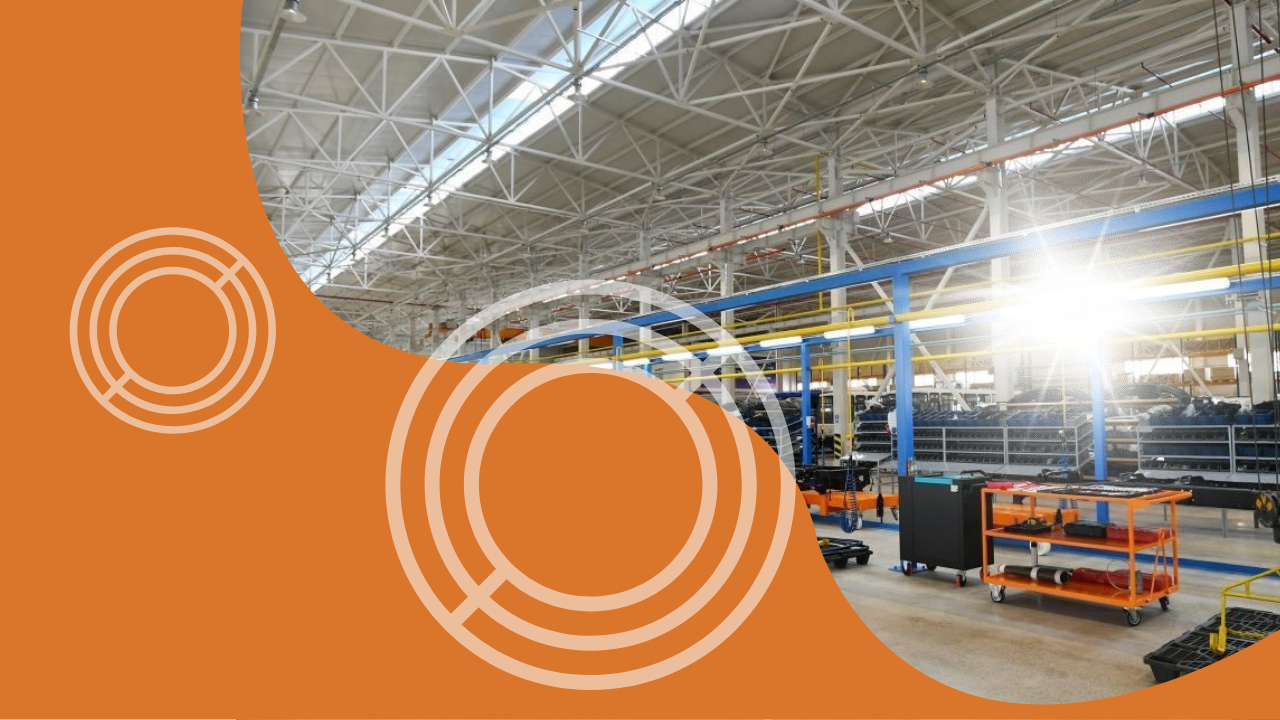
Kazakhstan discloses volume of manufacturing production
In 2023, Kazakhstan’s manufacturing production surged to 21.6 trillion tenge (approximately $48 billion). These figures were unveiled during a session of the Ministry of Industry and Construction’s board in Kazakhstan. This marked a notable uptick of 4.1 percent compared to the preceding year, which saw manufacturing output at 20.7 trillion tenge, or around $46 billion. The boost was primarily fueled by significant growth in sectors such as mechanical engineering (up by 25.4 percent), woodworking (up by 38 percent), light industry (up by 12.2 percent), and construction (up by 6.1 percent).
Concurrently, investments surged by 11.2 percent, reaching 1.7 trillion tenge (approximately $3.77 billion). This growth stemmed from robust investments across various sectors, including a sevenfold increase in other vehicle production, a 5.6-fold increase in clothing manufacturing, a quadruple increase in furniture production, and a 3.5-fold surge in the automotive industry. Furthermore, by the close of 2023, the launch of 170 investment projects, valued at 928 billion tenge (about $2 billion), led to the creation of over 12,000 jobs.
Exports of manufactured goods totaled $25.3 billion, underlining the sector’s significant contribution to the economy. Looking ahead, approximately 180 projects, valued at around 1.3 trillion tenge (roughly $2.9 billion), are slated for implementation in the manufacturing industry this year, with an anticipated creation of about 17,800 new job opportunities.