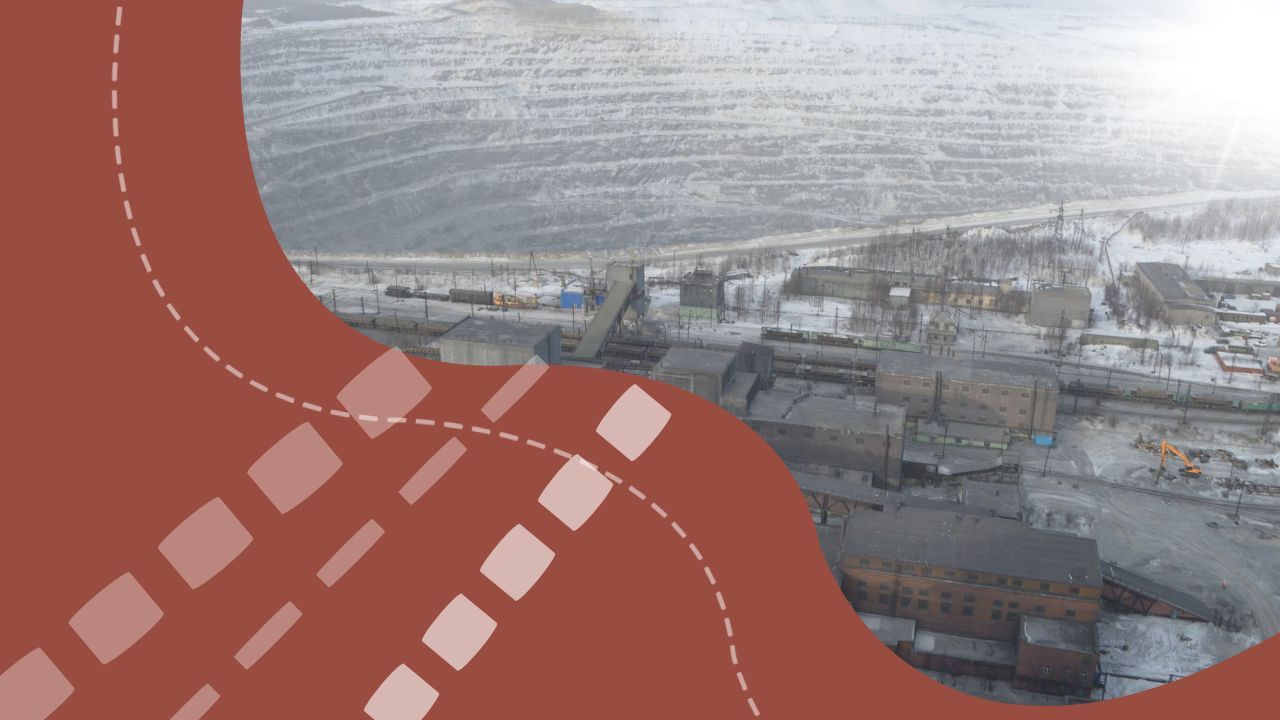
The Ministry of Natural Resources underscores the significance of adhering to the legislative requirements of the Kyrgyz Republic concerning the regulation of relationships in the sphere of subsoil use. With the objective of preventing the transfer of licenses for subsoil use through means not provided for by the legislation, the Ministry notifies that, in accordance with the “On Subsoil” Law, the transfer of a license is not possible until two years have elapsed from the date of concluding the licensing agreement for conducting operations. It is emphasized that the transfer of a license to another party as a result of transferring rights under the license is equated to obtaining a license and entails the payment of a bonus stipulated by the tax legislation of the Kyrgyz Republic. Moreover, the transfer of the license is only possible in the absence of any arrears from the subsoil user in paying bonus amounts, royalties, and fees for subsoil use. According to Article 351 of the Tax Code, the transfer of the right to use subsoil to another party, except in cases of inheritance or the reorganization of a legal entity that does not result in changes to the composition of participants (shareholders) or shares (stocks) of the authorized capital, is subject to taxation. Failure to pay the bonus or license fees within the specified period leads to the suspension, and subsequently, the termination of the right to use subsoil.
Website: Eurasia.com
-

Central Asia’s Critical Raw Materials: The Next Frontier in Global Power Rivalry?
“China views Washington’s competitive measures against Beijing as part of a broader U.S. diplomatic, economic, military, and technological effort to contain its rise, undermine CCP rule, and prevent the PRC from achieving its regional and global power ambitions.“ (p. 7)
What constraints could impede China’s technological and economic march, particularly in high-tech realms? On March 5, 2024, Premier Li Qiang, addressing the National People’s Congress, outlined China’s pivot towards a new development paradigm, earmarking significant investment for technological innovation and advanced manufacturing. This shift, echoing President Xi Jinping’s vision for fostering “new productive forces,” encompasses pivotal sectors like microchip production and defense technology, both heavily reliant on critical resources. In this context, the U.S. strategy appears to pivot towards diminishing reliance on China for these essential materials, concurrently aiming to curb Chinese firms’ ability to broaden their resource bases. As the Caspian Policy Center points out, the escalating Sino-American competition casts the U.S.’s dependency on China for critical minerals as a strategic Achilles’ heel. Dominating nearly 60% of global rare earth mining and over 85% of processing capabilities, China’s potential to leverage its quasi-monopolistic stance in critical minerals poses a significant threat to the U.S.’s high-tech and defense sectors. This was underscored by Beijing’s December 2023 move to restrict exports of certain minerals and related technologies. Yet, some analysts see Central Asian nations as viable contenders in challenging China’s rare-earth metal supremacy.
For China, safeguarding its strategic dominance and thwarting U.S. and allied efforts to tap new critical resource reserves are paramount, especially within the context of global power dynamics. This strategy was underscored following French President Emmanuel Macron’s tour of Kazakhstan and Uzbekistan on November 1-2. Post-visit, Uzbekistan’s Minister of Mines and Geology, Bobir Islamov, revealed a strategic partnership between Uzbekistan and the French firm Orano, with Orano committing to a $500 million investment in uranium extraction and processing in the country. Concurrently, on November 7, Uzbekistan’s Navoiuran and the China National Nuclear Corporation cemented a strategic memorandum for cooperation in the uranium sector, highlighting the intense international competition for critical resources.
In the competition for Central Asia’s critical resources, China and the United States bring distinct strategic advantages to the table:
China:
- Geographic Proximity: Sharing borders with several Central Asian countries, China benefits from easier access and lower transportation costs for extracting resources.
- Financial Resources: China’s substantial financial reserves are directed towards significant mining and infrastructure projects in the region, often as part of its broader foreign policy to foster economic cooperation. This commitment is evident in the considerable funds China and the U.S. have allocated for regional development projects.
- Long-standing Relationships: Through continuous diplomatic and economic engagement, China has cultivated enduring relationships with Central Asian nations, providing a favorable operational climate for its companies.
United States:
- Positioning as an Alternative: The U.S. emphasizes its strengths in innovation, adherence to democratic values, and ethical standards in technology and resource extraction, positioning itself as a counterbalance to China’s influence and offering Central Asian countries an alternative partnership model.
- Global Alliances: The U.S. leverages its extensive network of global alliances and partnerships for resource agreements and investment initiatives in Central Asia. A prime example is the Mineral Security Partnership, aimed at countering Chinese dominance, which includes members like Australia, Canada, Estonia, Finland, France, Germany, India, Italy, Japan, Norway, the Republic of Korea, Sweden, the United Kingdom, the United States, and the European Union. This initiative also reaches out to mineral-rich African nations like South Africa, Botswana, Angola, Mozambique, Namibia, Tanzania, Zambia, Uganda, and the Democratic Republic of Congo, to mitigate Chinese influence.
- Diplomatic Soft Power: The U.S. employs soft power, including educational, cultural, and development assistance, to cultivate relationships that facilitate its strategic objectives in Central Asia, promoting democratic values and responsible corporate practices.
Competition among the great powers for access to critical resources in Central Asia presents a mix of risks and opportunities for the countries of the region. Central Asian countries, with their vast reserves of critical minerals and rare earth metals, can play a key role in the global pursuit of technological progress and energy transition. This scenario unfolds in a broader geopolitical context where these countries are positioned between the interests of major powers such as China, the United States and, to a lesser extent, Russia and the European Union.
Opportunities for Central Asian countries:
- Economic Development and Diversification: The demand for critical resources offers Central Asian countries significant opportunities for economic development and diversification beyond traditional sectors such as agriculture and energy. Investments in mining and processing enterprises can stimulate job creation, infrastructure development and technology transfer, increasing overall economic resilience.
- Strategic Partnerships and Foreign Investment: Growing interest from the U.S., China, and the EU could lead to increased foreign direct investment (FDI) in the region. This influx of capital and expertise can be used to develop other sectors of the economy, improve infrastructure, and build human capital through education and training programs sponsored by foreign partners.
- Improved global standing: By playing a more prominent role in the global supply chain for critical minerals, Central Asian countries can increase their strategic importance on the world stage, giving them greater leverage in international diplomacy and trade negotiations.
Risks for Central Asian countries:
- Dependence on external actors: In their quest to exploit their mineral wealth, Central Asian countries may become overly dependent on one or more external powers for economic stability. Such dependence may limit their foreign policy autonomy and make them vulnerable to economic or political pressure.
- Environmental degradation: The mining and processing of rare earth metals and essential minerals can have significant environmental impacts, including water pollution, soil degradation and habitat destruction. Without strong environmental regulation and oversight, the pursuit of economic gains can lead to long-term environmental damage.
- Socio-economic disparities: The influx of foreign investment and the focus on mining can exacerbate socio-economic inequalities in Central Asian countries. Mineral-rich regions may gain significant development while others lag behind, which may lead to internal tensions and social unrest.
- Geopolitical rivalry: Fierce competition between major powers for access to critical resources can cause geopolitical manipulation in Central Asian countries. For example, some of the resources located on the territory of the countries of the region may be used for military industry, which may not be to the liking of the competing parties.
- Price movements in the markets: Rare earth metal prices, as Metal Miner (figure below) notes, have gone down sharply since the beginning of 2024. While weak demand for REM processing (primarily in China, which is a proxy for the country’s stagnant microelectronics industry) may be one reason for the price decline, another potential factor is increased global production and the search for rare earth element reserves outside of China. As Central Asian countries enter the rare earth market, prices for these resources may fall, causing countries in the region to lose some of their potential profits as well.
The place of Central Asian countries in the geopolitics of rare earth metals
Central Asian countries are gradually coming to the forefront of the geopolitical arena related to the extraction and distribution of rare earth metals and are trying to respond accordingly. Thus, the President of Kazakhstan Kassym-Jomart Tokayev in his annual Address to the People of Kazakhstan called for ensuring priority rights to subsoil use to investors who carry out geological exploration at their own expense, adding:
“One of the priority tasks should be the development of deposits of rare and rare-earth metals, which have essentially turned into “new oil”. The countries that will be able to realize their potential in this area will determine the vector of technological progress of the entire world”.
In 2012, the U.S. Geological Survey began assessing the mineral potential of rare earth elements in Central Asia, concluding in 2016 with a list of 384 deposits. This included locations in Kazakhstan (160), Kyrgyzstan (75), Tajikistan (60), Turkmenistan (2) and Uzbekistan (87). The Tien Shan and Pamir regions have also attracted exploration attention given their significant undeveloped resources.
It is currently known that monazite, zircon, apatite, xenotime, pyrochlore, allanite and columbite are among the most common rare metals and minerals in Central Asia. These metals occur in significant quantities, particularly in areas such as the Kazakh steppe, the Tien Shan and Pamir mountains. The potential for mining rare earth elements in Central Asia is significant, which indicates that the development of these resources is promising. Even at this stage, according to a report by the International Energy Agency, the share of minerals and metals in Kyrgyzstan’s total exports is over 50%, while Uzbekistan and Tajikistan have over 30%.
Each of the minerals listed plays a critical role in modern technology and industry, from electronics and energy to aerospace and agriculture, emphasizing the critical importance of rare earth elements and related minerals in advancing technology and supporting global economic development. It was not possible to find exact data on the share of rare earth metals in the world located in Central Asia, but it was not possible to obtain a rough understanding by analyzing data on exports of ores, metals, precious and non-monetary stones. Such data on Central Asian countries is provided by the UN Conference on Trade and Development (UNCTAD).
As Figure 2 shows at this stage, in a generalized form, exports of ores, metals and gemstones are not concentrated on only one of the possible actors, such as China, but are unbalanced between the two major consumers, although Asia’s share is gradually increasing. Unfortunately, it is not possible to find more detailed data. As noted by Wesley Hill, head of the international program on energy, growth and security at the International Tax and Investment Center, China does not yet control rare earth mining in Central Asia, despite Chinese activity in the region and China’s dominance in mining and processing these resources.
Conclusions
The intensifying competition for critical resources in Central Asia, primarily involving the United States and China, underscores the region’s growing strategic importance in the global supply chain for rare earth metals and key minerals. Central Asia’s vast reserves of these resources make it a potential counterweight to China’s current dominance in the production and processing of rare earth elements needed for high-tech, renewable energy, defense, and automotive industries.
The United States has placed increased emphasis on diversifying sources of critical minerals to reduce dependence on China, as evidenced by initiatives such as the Economic Resilience Initiative for Central Asia (ERICEN) and the C5+1 Critical Minerals Dialogue. These efforts aim to create sustainable and reliable supply chains, promote regional industrial cooperation, and encourage exploration, mining and processing of critical minerals in Central Asia.
On the other hand, China seeks to maintain its strategic position and prevent the U.S. and its allies from accessing new sources of critical resources, as seen in its economic clout in the region and strategic partnerships, such as with Uzbekistan in uranium mining.
Central Asian countries stand at a crossroads, facing both risks and opportunities. They have a chance to utilize their mineral wealth for economic development, attract foreign investment and improve their standing in the world. But they may have to overcome the challenges of geopolitical rivalry, environmental degradation, economic inequality and market instability. The competition between the great powers in the region emphasizes that Central Asian countries need to strategize carefully in order to maximize benefits while mitigating risks, ensuring sustainable development and preserving autonomy over their natural resources.
-

Kazakhstan’s Colorful Metallurgical Industry Set for Expansion
Kazakhstan’s metallurgical sector anticipates the implementation of eight projects worth 169 billion tenge this year, involving the production of aluminum radiators, cathode copper, Dore alloys, and other products. These initiatives, upon full realization, are projected to create around 2000 job opportunities, as reported by the Project Implementation Monitoring and Analysis Directorate, QazIndustry.
“When all eight projects reach their designed capacity, production volumes will amount to about 136 billion tenge, including plans to export products worth 71 billion tenge,” the statement reads.
Currently, the metallurgical industry hosts 49 projects at various stages of implementation, including eight slated for 2024, with a total investment of 1.8 trillion tenge. The commencement of these productions is expected to provide employment to over 11,000 citizens, with approximately 7400 residing in rural areas and 377 in monotowns.
Upon reaching full capacity, the projected production volume of all 49 projects will reach around 2.3 trillion tenge. Notably, over half of this amount, approximately 1.4 trillion tenge, is earmarked for export.
In the previous year, the metallurgical sector saw the realization of five projects worth 26.8 billion tenge, resulting in the creation of 835 job opportunities. These projects encompassed the production of alloys of non-ferrous metals, Dore alloys, zinc products, among others.
Kazakhstan’s metallurgical industry stands as one of the largest and leading sectors of the domestic economy, buoyed by a sufficient reserve of raw materials, including copper, zinc, nickel, lead, aluminum, gold, and silver ores.
The majority of ongoing projects are concentrated in the Karaganda region and the city of Shymkent.
-
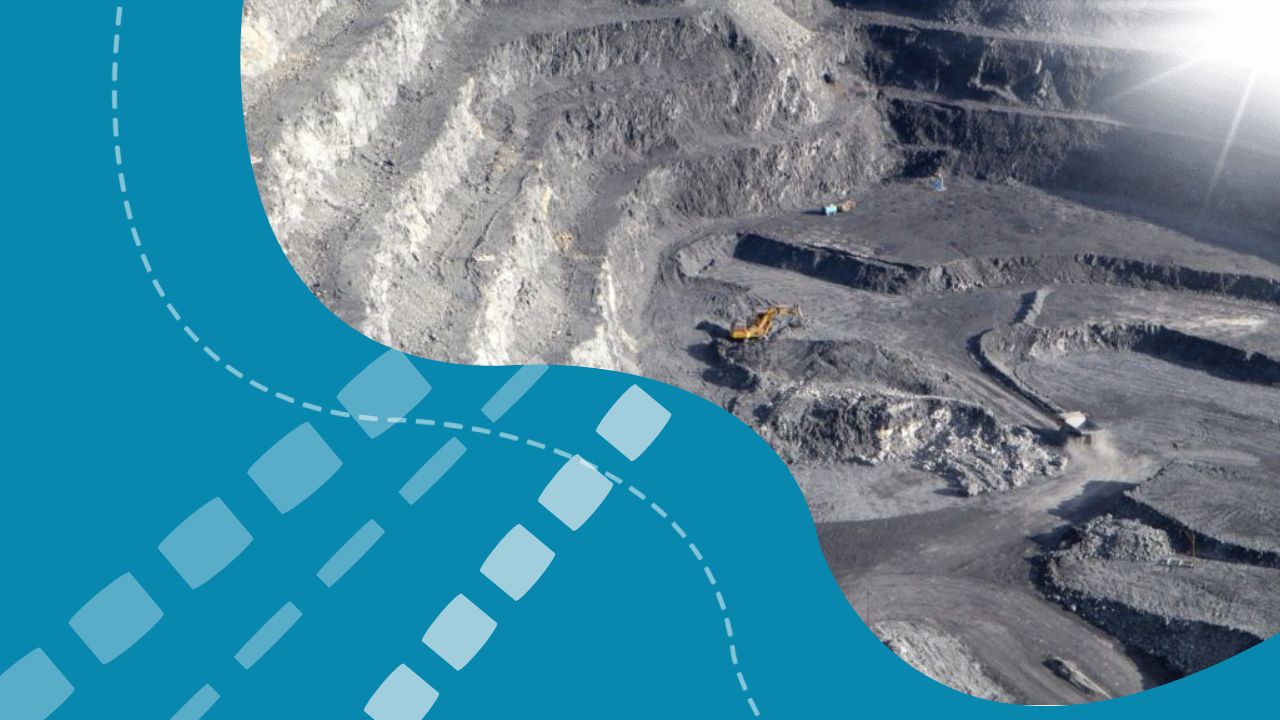
Kazatomprom’s Resilience Amid Geopolitical Tensions: A Look at Uranium Supply Dynamics
Despite the geopolitical turbulence of 2023, the global demand for nuclear power, regarded as a stable and low-carbon energy source, has surged, according to Meirzhan Yussupov, CEO of Kazatomprom, Kazakhstan’s national atomic company. Yussupov highlighted Kazakhstan’s pivotal role, with the country contributing approximately 40% of the world’s uranium production annually, powering a significant portion of the world’s nuclear reactors.
In light of ongoing global uncertainties and discussions about market bifurcation, Kazatomprom emphasizes its commitment to energy security. Positioned in an ESG-compliant and low-risk jurisdiction, the company asserts its capability to maintain its leadership as a reliable supplier of natural uranium, catering to utilities’ needs in diversifying their supply sources.
Navigating through the constantly evolving sanctions landscape, Kazatomprom remains vigilant, continually assessing and monitoring sanctions risks. The company has devised an action plan to mitigate potential negative impacts, adjusting it as new risks emerge.
Despite the geopolitical turmoil, Kazatomprom’s financial position remains robust. With the majority of revenues in US dollars and financing raised likewise, the company benefits from a natural hedging effect against currency risks.
Regarding sanctions against Russian banks, Kazatomprom has refrained from engaging with sanctioned entities and redirected funds to unsanctioned banks. While maintaining services with Uranium Enrichment Center JSC in Russia, the company scrutinizes compliance with sanctions regimes, aiming to mitigate associated risks.
Amid concerns about transportation disruptions due to sanctions, Kazatomprom ensures continuous monitoring of potential impacts. Leveraging the Trans-Caspian International Transport Route, the company mitigates risks associated with its primary uranium transportation route.
Addressing proposed US legislation targeting Russian enriched uranium imports, Kazatomprom asserts its resilience, noting that its primary business focuses on natural uranium production, unaffected by the proposed ban.
Despite market uncertainties stemming from geopolitical tensions, Kazatomprom reports strong financial performance in 2023. Consolidated revenue surged by 43% compared to 2022, reaching KZT1435 billion (USD3.19 billion), driven by factors such as increased spot market prices for U3O8 and additional sales volumes.
Looking ahead to 2024, Kazatomprom maintains its production guidance, aiming for 21,000-22,500 tU (100% basis). While the company has secured necessary volumes of sulfuric acid, delays in construction works at new sites pose potential operating uncertainties for the year.
-

Kyrgyz Ministry of Ecology Stresses Compliance with Mining Legislation
The Ministry of Ecology in Kyrgyzstan has issued a reminder regarding the imperative need to adhere to the country’s mining laws concerning subsoil use.
In order to prevent the unauthorized transfer of licenses for subsoil exploitation, the Ministry underscores that, as per the Subsoil Law, such transfers are prohibited until a period of two years has elapsed since the conclusion of the license agreement for conducting mining activities.
Furthermore, it is clarified that the transfer of a license to another party, resulting from the transfer of rights under the license, is treated akin to obtaining a new license. This action necessitates the payment of a bonus as mandated by Kyrgyz tax laws. However, any such transfer can only occur if the current subsoil user is devoid of outstanding payments related to bonuses, royalties, and fees for subsoil use.
According to Article 351 of the Tax Code, except in specific instances like inheritance or the reorganization of a legal entity without altering its ownership structure, the transfer of subsoil usage rights to another entity is subject to taxation.
Failure to meet the stipulated deadlines for bonus or license fee payments can lead to the suspension and eventual termination of subsoil usage rights.
-

China’s Strategic Dance: Unveiling the Depths of Sino-Kazakh Economic Cooperation
In a narrative often oversimplified by the Belt and Road Initiative, China’s economic entwinement with Kazakhstan goes beyond a mere node in a transregional strategy. While Kazakhstan undeniably serves as a linchpin in China’s westward connectivity ambitions, reducing its role solely to that obscures the nuanced interplay between Chinese adaptability and Kazakhstani agency.
A prime example is the symbiotic relationship forged in uranium extraction and nuclear fuel supply. Contrary to assumptions, Chinese entities find themselves navigating Kazakhstan’s terms, illustrating a power dynamic that challenges clichéd perceptions.
Kazakhstan reigns as the globe’s leading natural uranium producer, commanding 43% of the market in 2022. Its prowess stems from abundant resources and cost-efficient extraction methods, notably in-situ leaching (ISL). Kazatomprom, the national nuclear company, wields formidable influence, leveraging its dominance to modernize the sector and attract foreign investment.
Over two decades, Kazakhstan’s uranium output skyrocketed, facilitated by strategic alliances with China. Despite producing no nuclear energy domestically, Kazakhstan’s ambitions align with China’s voracious demand for uranium, driven by an ambitious nuclear energy expansion unmatched by the West.
China, with its burgeoning civilian reactor fleet, employs a multifaceted strategy to secure uranium supply, encompassing domestic mining, overseas ventures, and strategic reserves. Recent investments in domestic exploration signal China’s intent to reduce reliance on foreign suppliers, with Kazakhstan playing a pivotal role in historical uranium imports.
This intricate dance between China and Kazakhstan underscores a narrative far richer than the Belt and Road rhetoric suggests, revealing a strategic partnership shaped by mutual interests and strategic maneuvering.
-

Kazzinc Declines to Classify Buhtarminskaya Hydropower Plant’s Generation as Renewable
The Kazakhstan-based mining company “Kazzinc,” which is controlled by the Swiss-British trader Glencore, has reviewed its emissions data related to electricity consumption. According to a report from inbusiness.kz, the company is revising its Scope 2 emission metrics following an analysis of Glencore’s annual report for 2023. This review aims to align with the Greenhouse Gas Protocol’s definition of direct and indirect energy sources and renewable energy targets under the Emissions and Energy Reporting Procedure (EERP). The revision includes recalculating direct and indirect energy use and associated emissions for “Kazzinc,” including power generation at the Buchtarma Hydroelectric Power Station. Previously, this station was considered a fully integrated direct source of energy, but due to changes in reporting procedures, it will now be classified as an indirect source, potentially increasing the company’s reported emissions.
The rationale behind this decision is based on the fact that the hydroelectric station utilizes water resources, which are subject to regulation and cannot be classified as renewable energy sources. Consequently, this move has sparked discussions within the energy sector, particularly regarding the classification of hydroelectric power and its eligibility for renewable energy incentives.
-

СП «Казатомпрома» и канадской Cameco начнет строительство аффинажного цеха
Совместное предприятие «Инкай» (60% — «Казатомпром», 40% — канадская компания Cameco) объявило о планах начать строительство в этом году аффинажного цеха по производству урана мощностью 4 тыс. тонн в год.
«Планируемая деятельность направлена на увеличение мощности производства на 4 тыс. тонн урана в виде ЗОУ (закиси-окиси урана – Курсив) на руднике «Инкай». Проектом предусматривается строительство аффинажного цеха с реконструкцией существующего ЦППР на участке ОПЗ (основной перерабатывающий завод — Курсив) месторождения Инкай… Начало строительства – 2024 год. Завершение работ – 2025 год», — говорится в материалах СП к общественным слушаниям по проекту, которые пройдут 2 апреля.
Объемы работ, предусмотренные рабочим проектом, включают в себя строительство аффинажного цеха, трансформаторной подстанции с дизель-генератором и реконструкцию существующего цеха переработки продуктивных растворов. Согласно планам СП, строительство будет вестись без остановки технологического процесса добычи и первичной переработки урана. Все новые объекты будут интегрированы в существующие инженерные сети, а также подключены к электроснабжению. Стоимость работ не раскрывается, однако компания планирует завершить строительно-монтажные работы за 18 месяцев (540 календарных дней).
В связи с тем, что проектируемый объект разместится в пределах существующего предприятия размер санитарно-защитной зоны останется прежним – 500 метров. Рудник Инкай находится в 10 км от села Тайконыр Сузакского района. Аффинажный цех будет работать до 2045 года – завершения срока отработки месторождения Инкай. За СП закреплена территория площадью 240,79 квадратных километров. Аффинажный цех получит новое оборудование (прокалочную печь и сопутствующее оборудование) от Cameco. Он будет производить 4 тыс. тонн урана при работе 311 дней в году или 7450 часов. Вода будет браться из собственных артезианских скважин, а питьевая вода – привозиться в бутылях.
СП добывает уран методом подземного скважинного выщелачивания на месторождении Инкай в Сузакском районе Туркестанской области. Метод подземного скважинного выщелачивания предусматривает собой циркуляцию сернокислых растворов через рудоносные пласты для растворения урана и откачки его на поверхность для последующего извлечения. Такой подход приводит к минимальному нарушению поверхности, не оставляя пустой породы и хвостов обогащения. После добавления химических реагентов уран выводится в осадок в особых емкостях. Полученная масса высушивается, и готовая продукция поставляется потребителям в виде желтого порошка (желтый кек или концентрат природного урана, содержащий в среднем 67% урана).
Согласно отчету СП, совокупный объем рудных запасов месторождения составлял на 1 января 2023 года 127 тыс. тонн урана, общий объем минеральных ресурсов, включая запасы, — 148 тыс. тонн урана.
В состав «Инкая» входят пять площадок. Площадка №1 – основной перерабатывающий завод (ОПЗ). Площадка №2 и №3 – это промышленные площадки по добыче урана. Площадка №4 – вахтовый лагерь. В компании работает 745 человек.
Ранее Cameco сообщила о том, что общий объем добычи на Инкае в 2023 году составил 8,3 млн фунтов или около 3192 тонн урана. Также в компании отметили ряд операционных проблем в прошлом году с поставкой реагентов и бурением скважин.
«Казатомпром», занимающий лидирующие позиции на мировом рынке урана, сообщил в январе, что может снизить производственные планы на 2024 год из-за сложностей с закупками серной кислоты — ключевого компонента при добыче урана. В то же время компания заверяла покупателей, что полностью исполнит обязательства по поставкам в рамках действующих контрактов. Выручка «Казатомпрома» по итогам 2023 года составила 1,4 трлн тенге, при этом ее рост (43%) опередил подорожание урана за год (чуть более 20%).
-

Qarmet оцифрует работу всех шахт в 2024 году
На угольных шахтах Qarmet установят цифровую платформу DMMS, которая позволит в режиме реального времени контролировать производственные процессы, сообщает корреспондент центра деловой информации Kapital.kz со ссылкой на пресс-службу компании. «Исполняя взятые на себя инвестиционные обязательства по организации промышленной безопасности, Qarmet разработал комплекс мер модернизации, где одним из приоритетов стала масштабная цифровизация Угольного департамента компании. На встрече с казахстанским поставщиком инновационного программного и технического обеспечения AG TECH была представлена платформа DMMS, как современное решение контроля всех процессов производства: мониторинг перемещения персонала и техники в шахтах, нахождения шахтеров в опасных зонах, выявление случаев падения или отсутствия движения людей, возможность связи с диспетчером, датчики газового контроля, сейсмомониторинг и центральная диспетчерская для всех шахт», – указывается в сообщении.
Система уже представлена в 800 шахтах по всему миру, в Казахстане используется на 30 рудниках. Отмечается, что DMMS включена в Концепцию промышленной безопасности Казахстана и одобрена МЧС РК.
В Qarmet напомнили, что на сегодня система установлена только на двух из восьми шахт Угольного департамента, что усложняет работу по обеспечению промышленной безопасности.
«По итогам изучения предложения принято решение о внедрении системы на всех шахтах компании и не имеющей аналогов центральной диспетчерской в Угольном департаменте. Данная работа начнется 15 апреля и планируется к завершению уже в текущем году», – сообщили в компании.
Напомним, ранее сообщалось, что государственный Банк развития Казахстана (БРК) открыл две кредитные линии для АО «Qarmet», до того известное как ArcelorMittal Temirtau. В декабре прошлого года Лакшми Миттал продал предприятие государственному фонду Qazaqstan Investment Corporation (QIC). Через несколько дней QIC реализовал металлургическое предприятие Андрею Лаврентьеву, акционеру автосборочной компании «Аллюр».
-
Qarmet Unveils Digital Mine Management System (DMMS) for Enhanced Safety and Efficiency in Coal Mines
In a major advancement for the coal mining industry, Qarmet has announced the launch of its Digital Mine Management System (DMMS), a groundbreaking digital platform designed to enhance safety and efficiency through real-time monitoring. This technological marvel offers unprecedented control over production processes, promising to revolutionize coal mining operations. At the heart of DMMS lies advanced software and hardware components that enable seamless monitoring of various aspects of mining activities. Key features include real-time process control, enhanced safety measures, gas monitoring, seismic detection, and a centralized dispatch centre. Developed in partnership with AG TECH, DMMS has undergone rigorous testing across 800 mines globally, including 30 in Kazakhstan, demonstrating its effectiveness in improving industrial safety. Following successful trials, Qarmet plans to implement DMMS across all its coal mines starting April 15, reflecting its dedication to fostering a culture of innovation and safety. By adopting DMMS, Qarmet aims to establish new benchmarks in industrial safety and productivity, setting the stage for a transformed coal mining landscape. Stakeholders can look forward to improved operational efficiency and risk mitigation as DMMS becomes an integral part of the industry.