Website: Eurasia.com

  • Tascara Resumes Precious Metal Mining in East Kazakhstan

    Tascara Resumes Precious Metal Mining in East Kazakhstan

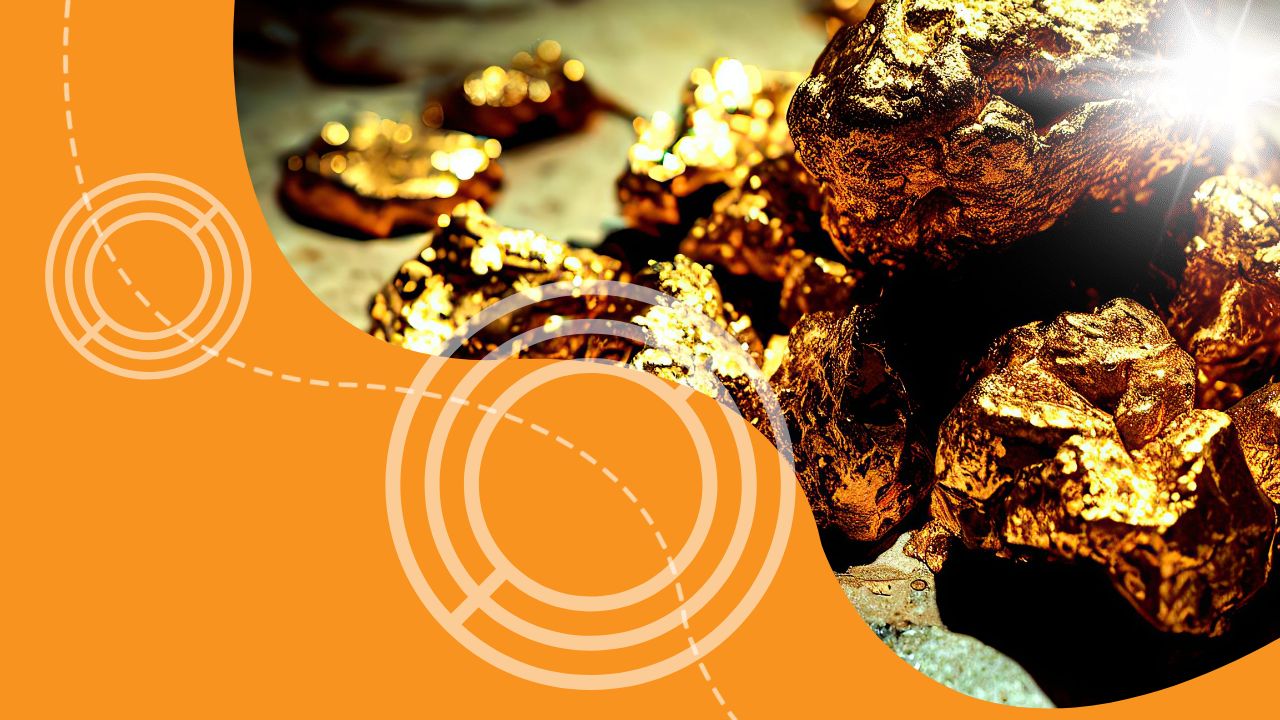
    The mining company Tascara LLP has announced plans to resume precious metal extraction at the Tascara deposit in East Kazakhstan, a site that has remained dormant for several years. Initially developed during the Soviet era, the deposit is now the focus of a new project submitted to Kazakhstan’s Unified Environmental Portal for regulatory review.

    The original development plan, crafted by the GINalmazzoloto Institute in 1990, involved mining through sublevel drifts and ore extraction via upward drilling fans. The current plan continues with underground mining methods, reflecting the limited remaining reserves at the site. Mining operations are projected to run from 2027 to 2029, preceded by two years of preparatory works.

    To date, Zone I of the deposit has been mined to a depth of 190 meters, while Zone III reaches 84 meters. Remaining reserves include 93,863 tons of ore, with an average gold content of 6.2 g/t and silver content of 3.9 g/t. The company plans to extract over 31,000 tons of ore annually.

    Additionally, Tascara intends to submit a separate proposal for constructing a gold extraction plant to process the mined material, marking a significant step toward expanding its operations in the region.
  • Erdene Resource Development Corp. Reports Q3 2024 Results

    Erdene Resource Development Corp. Reports Q3 2024 Results

    Erdene Resource Development Corp. (TSX: ERD | MSE: ERDN) has provided an update on the Bayan Khundii Gold Project, marking continued progress in its development with Mongolian Mining Corporation (MMC). The company’s third-quarter results for 2024 show substantial advancement on the project and improved drilling results.

    Key Project Updates:

    Construction Progress: As of September 30, 2024, the Bayan Khundii Gold Mine reached 45% completion, with the process plant (critical to the project) approximately 55% complete. Major mechanical equipment, including SAG and ball mills, has been installed, and construction of key infrastructure, such as the 400-person accommodation complex and 110 kV transmission line, is proceeding well.

    Timeline: Erdene anticipates commissioning of the plant in Q2 2025, with first gold production expected by mid-2025 and commercial production by Q3 2025.

    Drilling Success: Expansion drilling adjacent to the planned open-pit area at Bayan Khundii returned the highest-grade results to date. Significant intersections include 7.3 g/t gold over 42 metres at Striker West, indicating strong growth potential and resource expansion near the open pit.

    Financial Results:

    Net Loss: Erdene reported a net loss of $1.69 million for Q3 2024, compared to a loss of $1.20 million in the same period in 2023. Exploration and evaluation expenses remained stable at $215,903.

    Capital Expenditures: Approximately $70 million had been spent on the project by the end of Q3 2024. The company anticipates potential cost increases due to delays from weather and logistics but expects these to be manageable within available funding.

    Other Highlights:

    Community Development: Erdene has supported local community initiatives, including the improvement of water wells and ongoing recruitment and training for the Bayan Khundii mine workforce, with 140 local trainees selected for equipment operator training.

    Health and Safety: The project achieved over 2 million construction hours without any lost-time or environmental incidents.

    Erdene remains confident in the development of Bayan Khundii, with the strong drill results reinforcing the potential for extending the mine life and expanding its resource base.

    For more information,

    please visit www.erdene.com.


  • Orano Mining and Kazatomprom to Launch Uranium Processing Complex in Kazakhstan

    Orano Mining and Kazatomprom to Launch Uranium Processing Complex in Kazakhstan

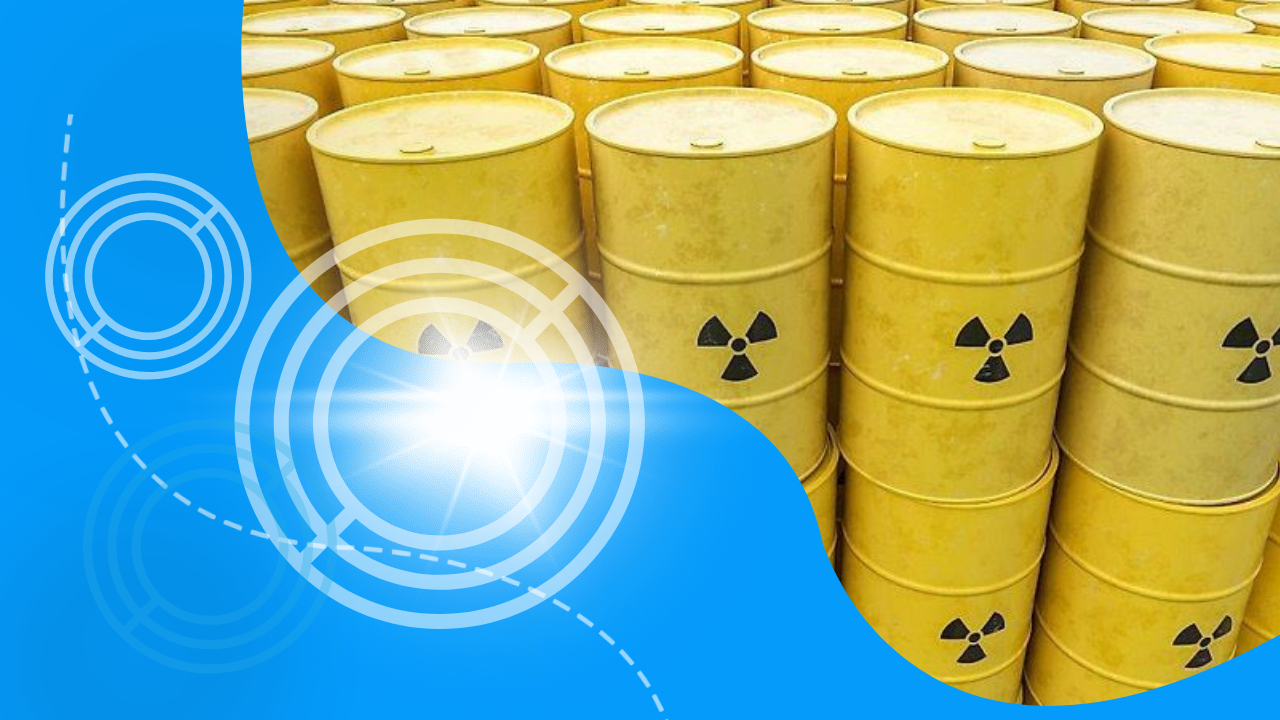
    A joint venture between French company Orano Mining (51%) and Kazakhstan’s Kazatomprom (49%), known as “KATKO,” is set to begin construction on a new uranium processing complex in the South Kazakhstan’s Turkestan region. The project, located in the Syzak district, is expected to be operational by mid-2025.

    The complex will process productive solutions from the South Tortkuduk section of the Moyinkum deposit to produce a uranium desorbate, an intermediate product, which will be further processed into uranium concentrate. With an expected annual production of 2,045 tons of uranium, the plant will help the joint venture reach its target of 4,000 tons of uranium extraction annually.

    The location is close to key infrastructure, including a 90-kilometer railway line connecting the region to the Zhanatas station. The plant will occupy 39.6 hectares, and its construction will employ a shift work schedule, with two 12-hour shifts.

    KATKO’s revenue for 2023 increased slightly to 147.4 billion KZT, although net profit dropped to 66 billion KZT, reflecting rising production costs. The venture is also planning a significant expansion of its uranium production, with a new mine, “South Tortkuduk,” expected to reach full capacity within the next 15 years.

    This project represents a key development in Kazakhstan’s expanding uranium industry and highlights the country’s growing role in the global nuclear fuel market.


  • Kumtor’s Net Profit Surpasses $1.77 Billion in Under 3 Years Since State Takeover

    Kumtor’s Net Profit Surpasses $1.77 Billion in Under 3 Years Since State Takeover

    In less than three years since the Kyrgyz government took control, Kumtor’s net profit has exceeded $1.77 billion. This was announced by Prime Minister Akylbek Japarov during a session of the Jogorku Kenesh (Parliament) as lawmakers reviewed the government’s report on the national budget for 2023.

    Japarov highlighted the significant progress in the mining sector, which, under the political leadership of President Sadyr Japarov, has seen not revolutionary, but evolutionary changes. For the first time in 30 years, Kyrgyzstan’s economic, national, and environmental interests have been effectively protected. Over the past 27 years, Kumtor produced 400 tons of gold but only contributed $100 million in dividends. In contrast, in just 2.5 years since the government’s takeover, the project has produced 38 tons of gold and generated $291 million in dividends. In addition, taxes and other payments to the national budget have amounted to $990 million over the past three years.

    Furthermore, Japarov noted that for the first time in Kyrgyzstan’s history, 1 billion soms have been allocated for geological research, and mining enterprises have contributed 111 billion soms to the country’s economy over the last three years.


  • KAZ Minerals Launches New Environmental Initiative for 2024-2026

    KAZ Minerals Launches New Environmental Initiative for 2024-2026

    KAZ Minerals is embarking on the next phase of its environmental project, which will run from 2024 to 2026. As part of the initiative, the company plans to plant 20,000 trees and 20,000 shrubs, aged 2 to 3 years, around the Bozshakol copper deposit and within its 1-kilometer sanitary protection zone, according to a statement on the company’s Telegram channel.

    Experts explain in a video that green plantations not only absorb greenhouse gases but also combat noise, vibrations, and soil erosion while enhancing the local microclimate and biodiversity. Since 2015, KAZ Minerals has greened 8 hectares, planting over 130,000 seedlings.

    The company’s environmental coordinator, Kymbat Dzhambershinov, emphasized its commitment to reducing environmental impact, conserving natural resources, and protecting biodiversity. He noted that the project also serves as a scientific study, testing which plant species can adapt to the harsh continental climate of the deposit area.

    In 2024, the initiative will focus on soil preparation, including harrowing and disking. Planting will commence in 2025, followed by plant care in 2026. Environmental engineer Bulat Darimov highlighted the importance of creating a buffer zone to shield the surrounding area from industrial impacts, such as noise and vibrations.

    Plants like honeysuckle, tamarisk, and yellow acacia have demonstrated a survival rate exceeding 70%, making them particularly effective in absorbing pollutants and thriving in the local environment.


  • Ak Metal to Launch Iron Ore Mining Project in East Kazakhstan

    Ak Metal to Launch Iron Ore Mining Project in East Kazakhstan

    Ak Metal, a company led by an Almaty-based entrepreneur, is gearing up to commence iron ore mining at the Kuzinskoye deposit in East Kazakhstan. The site, located in Shemonaikha District near the village of Poperechnoye, spans 2.84 hectares and boasts two promising ore formations awaiting further evaluation.

    Initial plans include pilot industrial mining, scheduled to start in 2025. During the first two years, the company expects to extract 110,000 tons of ore annually, scaling down to 44,000 tons in 2027. This will involve 144,000 cubic meters of stripping operations, with the ore transported for processing via rail from Shemonaikha station.

    Ak Metal has been actively investing in geological exploration, with 2023 expenditures reaching 39.8 million tenge, far exceeding the required 7.9 million tenge. The company has shown steady growth, reporting 2023 revenue of 589.1 million tenge, a significant rise from 340.9 million tenge in the previous year, while net profit increased to 101.8 million tenge.

    The start of industrial mining marks a significant milestone for Ak Metal, solidifying its position in the iron ore market and driving further development.

  • UK Shortlists Four Companies for Small Modular Reactor (SMR) Program

    UK Shortlists Four Companies for Small Modular Reactor (SMR) Program

    The UK’s Great British Nuclear (GBN) has shortlisted four companies—GE Hitachi, Holtec, Rolls Royce SMR, and Westinghouse—for its Small Modular Reactor (SMR) program. After a thorough two-stage evaluation, the designs have been confirmed as viable for UK deployment, undergoing rigorous analysis on factors like safety and scalability. GBN Chair Simon Bowen emphasized the importance of the SMR program for the UK’s energy future, and upcoming negotiations will refine the selection process, with final decisions set for spring. The chosen SMRs are expected to support the UK’s sustainable energy goals and energy independence.

  • Saudi Arabia’s Ambitious Mineral Strategy: A Questionable Partner for Europe?

    Saudi Arabia’s Ambitious Mineral Strategy: A Questionable Partner for Europe?

    Supply Chains

    Saudi Arabia is making a determined effort to become a significant player in the global mineral supply chain, driven by its Vision 2030 strategy to diversify its economy and reduce its dependence on oil exports. The Kingdom is seeking to strengthen its local processing and industrial value-added sectors, and is actively seeking international partners to help achieve this goal.

    A Questionable Pillar of Europe’s Diversification Strategy

    While Saudi Arabia’s efforts to develop its mineral resources sector are ambitious, there are concerns about the Kingdom’s governance and human rights standards, which could impact the operational efficiency of the sector and pose risks for European companies. The dominance of the Public Investment Fund (PIF) in the sector raises concerns about state control and the potential for supply relationships to be co-opted for foreign policy objectives.

    Saudi Arabia’s Diplomatic Efforts

    Saudi Arabia is seeking to position itself as a geopolitically neutral partner and “link” in supply chains, leveraging its financial strength and location advantages to attract international companies. The Kingdom is deepening its relationship with China, while also strengthening its ties with the US and other Western nations. Saudi Arabia is also engaging with resource-rich countries in Africa and Latin America to secure stakes in mining projects.

    Challenges and Delays

    Despite its ambitious plans, Saudi Arabia faces significant challenges and delays in developing its mining sector. The Kingdom’s geological data are lacking, and it relies heavily on foreign expertise and investment for exploration and new mining projects. The employment potential in the mining sector is limited, and the Kingdom is actively seeking international partners to develop its steel industry and other downstream supply chains.

    The Role of the Public Investment Fund

    The PIF plays a crucial role in financing Saudi Arabia’s efforts to develop its mineral resources sector and downstream industries. The fund’s extensive financial involvement gives the state considerable control over the sector, and its investment decisions are often driven by a clientelist template that favors well-established economic elites with close ties to the Saudi royal family.

    Recommendations for Targeted Cooperation

    While a strategic raw material partnership with Saudi Arabia is not currently advisable due to concerns about governance and human rights standards, targeted, selective cooperation should be pursued. The EU, alongside MSP partners such as the US and the UK, could intensify dialogue with Saudi Arabia on governance and standards setting, and encourage its involvement in international frameworks such as the Extractive Industries Transparency Initiative (EITI). European companies are expected to become increasingly involved in Saudi Arabian supply chains, and German support for the private sector should be stepped up to provide expertise and advice on the opportunities and risks of cooperating with the Saudi raw minerals sector.

  • Ferrexpo Shares Surge as Trump’s Victory Fuels Speculation on Ukraine Peace Prospects

    Ferrexpo Shares Surge as Trump’s Victory Fuels Speculation on Ukraine Peace Prospects

    Ferrexpo PLC (LSE), a Ukraine-based iron ore miner, experienced a sharp rise in its stock price, soaring by 22% to 76p following Donald Trump’s unexpected win in the U.S. presidential race. Analysts suggest the rally reflects investor optimism that Trump’s promise to end the Russia-Ukraine war could soon bring stability to Ukraine. Despite ongoing conflict, Ferrexpo has managed to sustain its mining operations. Ukrainian President Volodymyr Zelenskyy also congratulated Trump, expressing hopes for continued bipartisan support from the U.S. under his leadership.

  • France’s Orano calls for more incentives to end Russia reliance

    France’s Orano calls for more incentives to end Russia reliance

    The west’s reliance on Russian nuclear fuel is under scrutiny, with Orano, a leading western uranium supplier, calling for more incentives or stricter sanctions to encourage investment in alternative sources. Nicolas Maes, CEO of Orano, emphasized the need for long-term contracts to justify new investments in uranium enrichment capacities. Despite the US banning Russian nuclear fuel imports, Europe’s historical dependence complicates consensus on sanctions. Orano is expanding its enrichment facility in France, aiming to produce by 2028, but this requires significant investment and guaranteed demand. Additionally, geopolitical tensions and supply chain challenges persist, impacting uranium production.