Tag: Energy Cooperation

  • Germany Deepens Strategic Partnership With Kazakhstan on Energy and Critical Resources

    Germany Deepens Strategic Partnership With Kazakhstan on Energy and Critical Resources

    Germany considers Kazakhstan one of its key partners in Central Asia and a reliable supplier of energy resources, according to statements cited by the Kazakh Ministry of Foreign Affairs. German Foreign Minister Johann Wadephul described Kazakhstan as “an economically, politically, and strategically pivotal country in Central Asia.”

    For Astana, cooperation with Western partners is primarily aimed at attracting investment and implementing modern technologies, while for Berlin, the partnership ensures stable resource supplies and access to Central Asian markets. Kazakhstan’s mineral resource base includes more than 5,000 deposits, with an estimated value in the tens of trillions of dollars. The country ranks first globally in proven reserves of zinc, tungsten, and barite; second in silver, lead, and chromite; third in copper and fluorite; fourth in molybdenum; and sixth in gold. It also ranks ninth in proven oil reserves, eighth in coal, and second in uranium.

    Energy cooperation remains central to bilateral ties. Kazakh oil supplies to the Schwedt refinery in Germany reached approximately 1.5 million tons in the first nine months of 2025. In 2026, monthly shipments are expected to increase from 100,000 to 130,000 tons.

    Discussions are also under way on exporting green hydrogen from Kazakhstan to Germany and other EU countries. For Germany, this supports energy security and decarbonisation goals, while for Kazakhstan it represents an opportunity to build a new high value-added export sector and attract long-term investment.

    Trade turnover between the two countries reached $3.9 billion from January to November 2025, with Kazakh exports rising by 7.9 percent and imports of German goods increasing by 6.1 percent. By January 2026, 36 investment projects involving German capital had been implemented in Kazakhstan, with total investments amounting to approximately €49.7 billion. Many of these projects are already operational. Cooperation is expanding in mechanical engineering, chemicals, and the mining and metallurgical sector, alongside the introduction of German technologies and management practices.

    In February 2026, Kazakh Foreign Minister Yermek Kosherbayev took part in the “Central Asia – Germany” foreign ministers’ meeting in Berlin. During talks with Katherina Reiche, he emphasised Kazakhstan’s intention to expand economic cooperation both bilaterally and within broader EU–Central Asia frameworks.

    The development of the Trans-Caspian International Transport Route is further strengthening Kazakhstan’s role as a transit hub between Europe and Asia. Germany views the corridor as a reliable alternative supply route, while Kazakhstan benefits from infrastructure development and increased industrial cooperation.

    Overall, the partnership reflects mutual strategic interests: Germany seeks stable access to energy and raw materials, and Kazakhstan aims to diversify its economy through investment, technology transfer, green energy development, and expanded transport connectivity.

  • Pakistan and Poland Eye Expanded Cooperation in Energy, Mining, and Agriculture

    Pakistan and Poland Eye Expanded Cooperation in Energy, Mining, and Agriculture

    Federal Minister for Commerce Jam Kamal Khan met with Poland’s Ambassador to Pakistan, Maciej Pisarski, on Wednesday to discuss expanding trade, investment, and energy cooperation. Talks highlighted opportunities in hydrocarbons, mining, and agriculture as areas of mutual interest.

    Khan praised the longstanding presence of Poland’s state-owned energy firm ORLEN, which has invested approximately $500 million in Pakistan’s oil and gas sector over the past 26 years. ORLEN now plans to double its investment over the next decade, a move that could further strengthen bilateral energy ties.

    Ambassador Pisarski pointed to new exploratory concessions in Sindh and Balochistan as particularly promising, while also underscoring the need to resolve pending issues to sustain investor confidence.

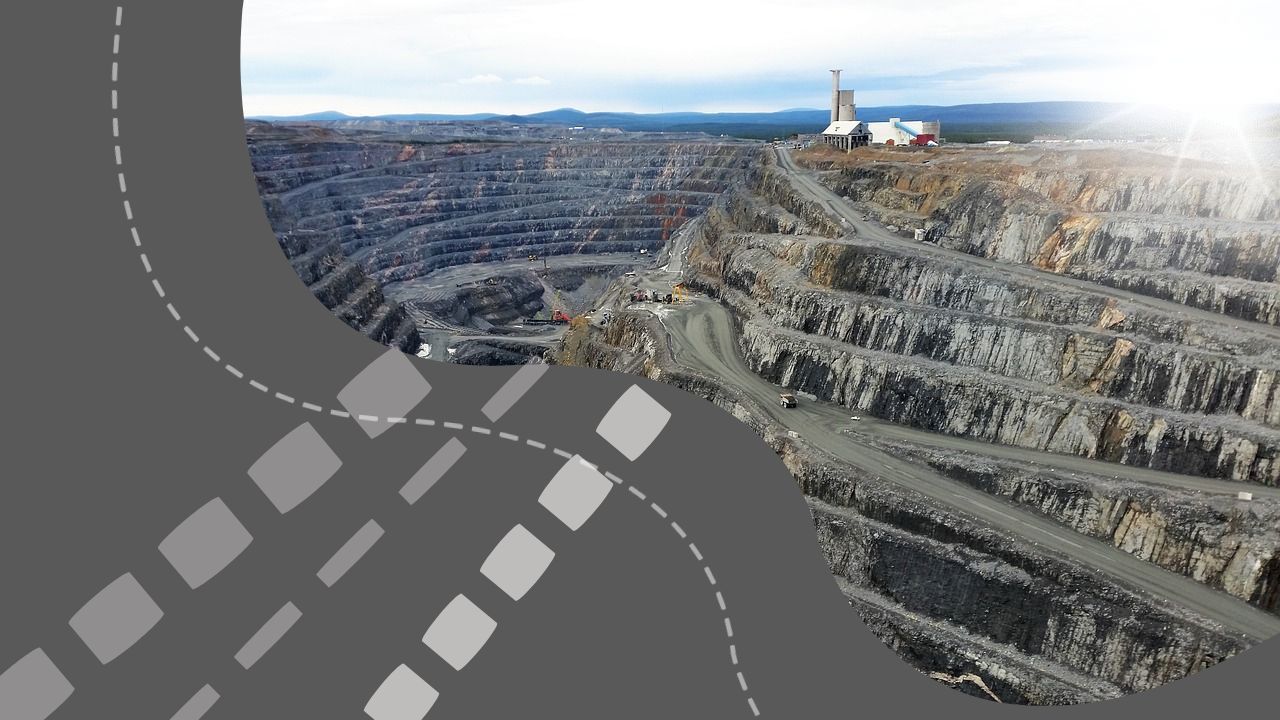
    The commerce minister encouraged Polish companies to explore partnerships in Pakistan’s agriculture value chain, especially in cold storage and processing facilities for fruits and vegetables. He also urged Poland to consider investment in Pakistan’s mining sector, highlighting copper and lignite reserves.

    Pisarski noted Poland’s global expertise in both energy and mining and expressed Warsaw’s readiness to explore joint ventures. The two sides agreed to pursue concrete initiatives and high-level engagements to convert proposals into projects.

    Khan reaffirmed Pakistan’s commitment to facilitating Polish investors, while Pisarski emphasized Poland’s interest in deepening its economic partnership with Islamabad.

  • China Proposes $5.47B Nuclear Power Project in Kazakhstan, Halving Estimated Cost

    China Proposes $5.47B Nuclear Power Project in Kazakhstan, Halving Estimated Cost

    China National Nuclear Corporation (CNNC) has proposed constructing two nuclear power plant units in Kazakhstan with a combined capacity of 2.4 GW for a total cost of $5.47 billion—almost half the previously estimated cost of $10–15 billion, according to The Moscow Times.

    The proposal positions CNNC as a serious contender in Kazakhstan’s ongoing selection process, which also includes bids from Russia’s Rosatom, South Korea’s KHNP, and France’s EDF. CNNC’s offer stands out not only for its lower price, but also for its commitment to share technology and grant Kazakhstan full control over the nuclear fuel cycle.

    Kazakh authorities expressed strong interest in China’s approach, particularly its experience in nuclear and water-ecological safety at all stages of nuclear plant development. The International Atomic Energy Agency (IAEA) has also pledged its readiness to support Kazakhstan in the project.

    The proposed plant would mark Kazakhstan’s return to nuclear energy following the decommissioning of the Soviet-built Shevchenko plant in 1999, which was shut down due to proliferation concerns. Now, with global energy security concerns rising and Kazakhstan holding 43% of the world’s uranium production via Kazatomprom, the country is looking to tap its nuclear potential anew.

    Kazakhstan’s Ministry of Energy had previously warned that global inflation in materials and services could increase the cost of a nuclear plant by 1.5 times, underscoring the strategic appeal of CNNC’s more affordable and flexible proposal.

  • Energy Cooperation between Hungary and Azerbaijan gains new dimensions

    Energy Cooperation between Hungary and Azerbaijan gains new dimensions

    Hungarian Minister of Foreign Affairs and Foreign Economic Relations Peter Szijjarto recently stated that energy cooperation between Hungary and Azerbaijan is gaining new dimensions. According to Reuters, Szijjarto said that Hungary is in talks with Azerbaijan’s state energy firm SOCAR to start importing gas via Southern Europe from the end of 2023, Azernews reports, citing Prime Minister.

    “We have been in partnership with Azerbaijan for more than a decade. We currently have an agreement under which we plan to purchase 100 million cubic meters of gas from Azerbaijan in the fourth quarter of this year,” Szijjártó said.

    The Hungarian Prime Minister Viktor Orban sought to expand the import-reliant European Union member’s long-term gas contract with Russia during a visit to Moscow on Tuesday. President Vladimir Putin said Russia was ready to provide an additional one billion cubic meters of gas per year.

    The EU and Azerbaijan have also signed a new Memorandum of Understanding on a Strategic Partnership in the Field of Energy. This agreement includes a commitment to double the capacity of the Southern Gas Corridor to deliver at least 20 billion cubic meters to the EU annually by 2027. This will contribute to the diversification objectives of the REPowerEU Plan and help Europe to end its dependency on Russian gas.

    The new Memorandum of Understanding underlines the strategic role of the Southern Gas Corridor in the diversification efforts. Azerbaijan has already increased the natural gas deliveries to the EU and this trend will continue, with up to 4 billion cubic meters of additional gas this year and volumes expected to more than double by 2027.

    The EU and Azerbaijan are also negotiating a new comprehensive agreement, which will allow for enhanced cooperation in a wide range of areas, including economic diversification, investment, trade, and making full use of the potential of civil society while underscoring the importance of human rights and rule of law.

    The strengthened energy cooperation between Hungary and Azerbaijan, as well as the EU and Azerbaijan, will help to ensure stable and reliable gas supplies to the EU via the Southern Gas Corridor and also lay the foundations of a long-term partnership on energy efficiency and clean energy.